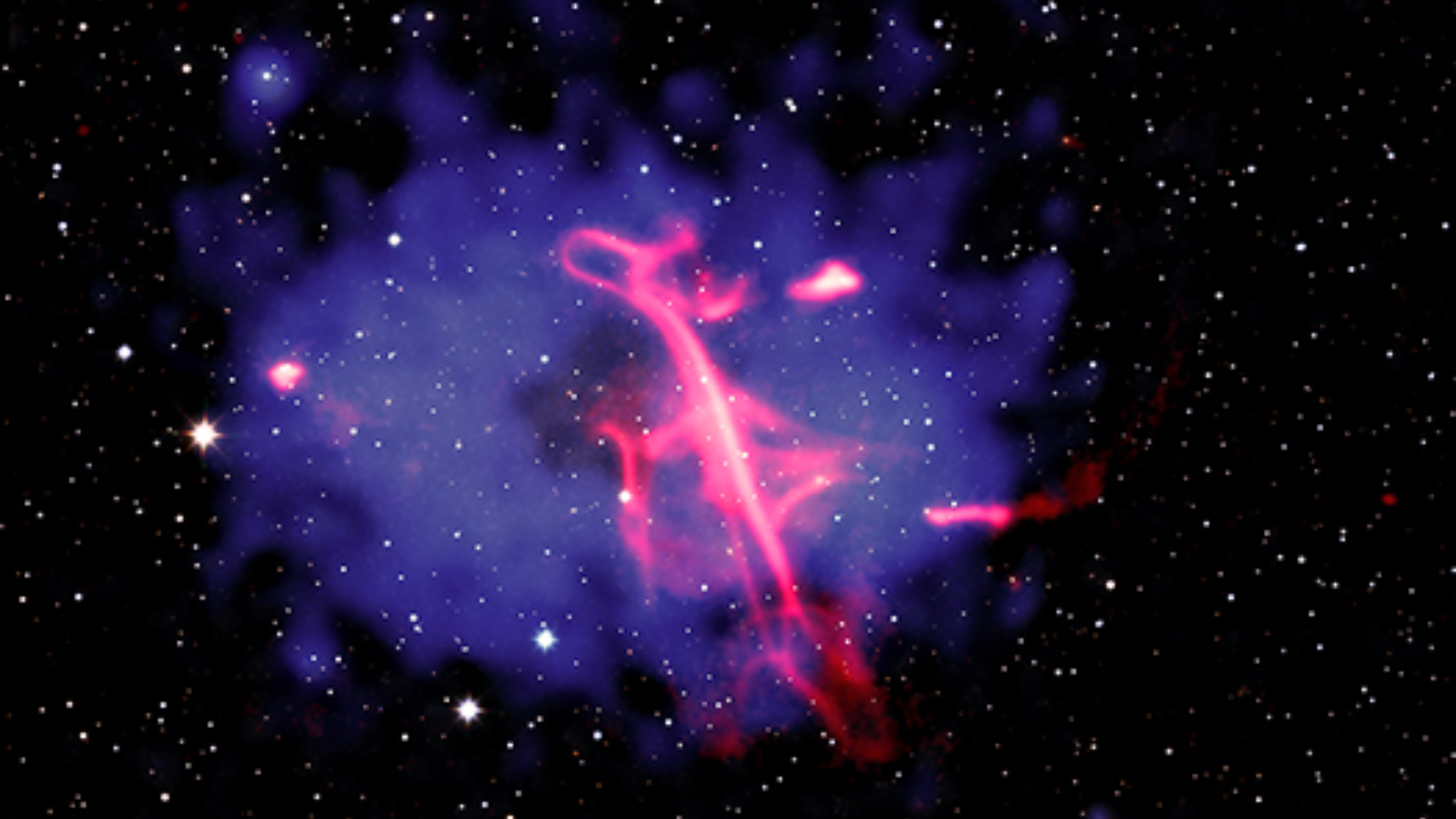
Image source, Shaun Davey via Exmoor CommonsImage caption,
 The Exmoor Dark Skies festival celebrates its 10th anniversary in 2026
- Published46 minutes ago
Stargazers and astronomers are preparing to enjoy a festival that celebrates the beauty of the night sky.
The annual Exmoor Dark Skies Festival is being held from 16 October to 1 November and this year is its 10th anniversary.
Taking in villages and towns surrounding Exmoor National Park, the event offers walks, talks and shows - putting the dark, clear, night sky into full focus.
But what is the event all about - and what is behind its success over the past decade?
More from Somerset
'Strong and brave' heritage railway chairman dies
- Published20 hours ago
Police warn online grooming of children is 'getting easier'
- Published5 hours ago
Top autumn walks as leaves expected to be more vibrant
- Published3 hours ago
What is the festival about?
The event celebrates the national park's status as a Dark Sky Reserve.
Granted by the International Astronomical Union in 2011, the status aims to safeguard the right of any citizen to enjoy the night sky by helping to limit light pollution.
Festival organiser Julie Colman said: "We bring together lots and lots of events across the two-week period, celebrating the skies, the wildlife, the wellbeing elements of it."
There are about 80 events taking place across the park, from moonlit swimming and astronomy sessions, to bioluminescence walks and planetarium shows.
 Image source, Shaun Davey via Exmoor CommonsImage caption,
 Photographers and astronomers can enjoy clear views of the stars during the festival
Why is Exmoor a good spot to stargaze?
Colman said there is "very little light pollution on Exmoor", adding it "enables the dark to be really dark with none of the pollution impacting".
"In the core of the reserve, there's an area where there is no light at all in a huge area - and that just makes the sky so much clearer and you're able to see some incredible constellations.
"You can see the Milky Way - it really is fantastic."
Photographs taken during previous dark skies events show incredibly clear views of the stars against a clear, dark backdrop.
 Image source, Shaun Davey via Exmoor CommonsImage caption,
 Locations such as Wimbleball Lake are big draws
Has it been good for tourism?
The National Park said it designed the event in 2017 to, in part, help local businesses towards the end of the traditional tourism season.
In Dunster, on the edge of Exmoor, the Yarn Market Hotel manager Antony Brunt said in recent years, "it has become much more widely known - and now we literally have people ringing us up to book".
The hotel hosts special trips during the festival, led by a local astronomer, and runs visits to various sites and events across the park.
Brunt said the festival brings in people from all over the UK, adding: "It's getting to a quieter time of year and these people, they really enjoy coming down.
"We have a group that come each year, in fact, twice a year. For people to come regularly twice a year to the same hotel, they must be enjoying the stargazing part of the weekend."
The growing popularity of the festival meant that many events sold out before the opening day.
Get in touch
Your Voice
Contact formContact formFollow BBC Somerset on Facebook, external and X, external. Send your story ideas to us on email or via WhatsApp on 0800 313 4630.
Related topics
Severe drought declared in parts of southern England
- Published15 hours ago

Exmoor launches scheme to reward 'responsible tourists'
- Published3 August

'Engineer' beavers released into the wild
- Published11 February