Image source, Iain WardImage caption,
 The Beautiful Demoiselle damselfly was recorded for the first time at Astonbury Wood
ByAlex PopeBedfordshire, Hertfordshire and Buckinghamshire- Published43 minutes ago
Two species of damselfly have been recorded for the first time in a woodland after the completion of a three-year project to restore habitat across seven nature reserves, a wildlife trust has revealed.
Work on the Ancient Astonbury and Wilder Woodlands project, in Hertfordshire, was made possible with a £162,698 grant from the National Lottery Heritage Fund.
An increase in flowers attracted more butterflies, with Silver-washed Fritillaries also recorded in much higher numbers during summer 2026 than in previous years, the Herts & Middlesex Wildlife Trust said.
The Beautiful Demoiselle and Willow Emerald damselflies were spotted at Astonbury Wood, close to Stevenage.
The seven sites that made up the project were Astonbury Wood, Balls Wood near Hertford, Fir & Pond Woods near Potters Bar, Gobions Wood near Brookmans Park, Old Park Wood in Harefield, Long Deans in Hemel Hempstead, and Hawkins Wood between Buntingford and Royston.
An ancient woodland, the size of a football pitch, was turned back into coppice management, to allow more light to reach the woodland floor and encourage flowers, insects and birds to thrive.
 Image source, Iain WardImage caption,
 A coppiced area at Astonbury Wood
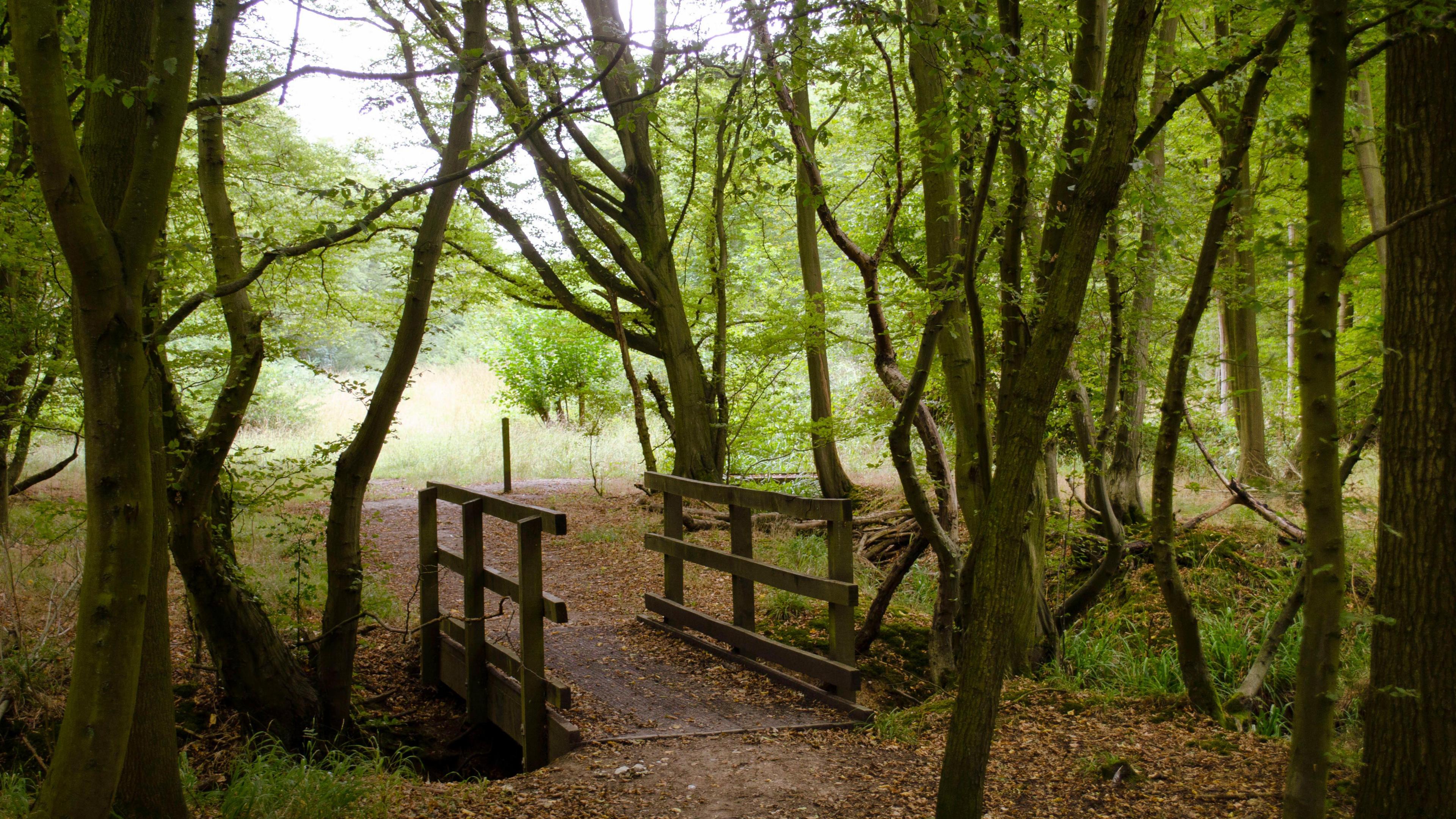
An area of hornbeam trees at Astonbury Wood was also coppiced in December 2025 and showed "strong regrowth following its first growing season, despite the dry summer," the trust added.
Further coppicing is planned to take place in the future. The practice is an ancient method of tree management, external which involves felling trees at their base to create a "stool" where new shoots will grow.
At Astonbury Wood, woodland glades were reverted to woodland after about 20 years without management.
"Clearing trees and dense bramble, followed by annual cutting and raking, is helping to restore these open habitats and the flowers and insects that depend on them", the trust added.
 Image source, David BrownImage caption,
 Bluebells at Old Park Wood, Harefield
Iain Ward, wilder woodlands officer at the trust, said: "It has been fantastic to see these habitats responding so positively to careful management, and to see more wildlife making use of the restored glades and coppice areas."
He hopes more work can be carried out at Astonbury Wood to restore the ponds and prevent them drying out completely, as summers "become increasingly hot and dry".
Do you have a story suggestion for Beds, Herts or Bucks? Contact us below.
Get in touch
Your Voice
Contact formContact formFollow Beds, Herts and Bucks news on BBC Sounds, Facebook, external, Instagram, external and X, external.
Related topics
- Nature
- Wildlife
- Woodland
- Wildlife conservation
- Conservation
- Stevenage
- Hertford
- Potters Bar
- Hemel Hempstead
- Buntingford
- Royston
You might also be interested in
Brown trout spawning site to get special protection
- Published26 September

Nature reserves spot rare species during heatwaves
- Published30 August

Survey finds 'significantly more' ancient woodland
- Published24 June