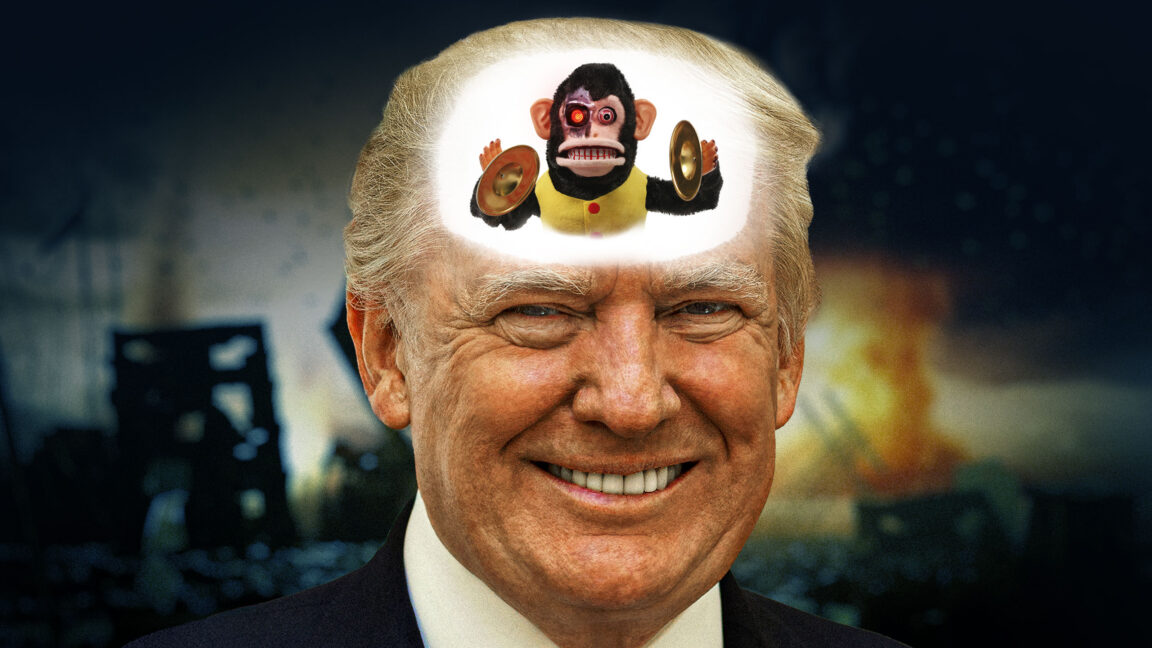
On Tuesday, Donald Trump finally signed his executive order expanding the government's efforts to conduct voluntary safety testing of frontier AI models. Now, critics are warning that the order may be short-sighted, offering only performative reassurances that the government is actively monitoring for AI risks, while changing very little about how and when models are deployed.
Last month, Trump abruptly canceled a signing event, where he had hoped to launch an earlier version of the EO with CEOs of leading AI firms in attendance. Invited at the last minute, several CEOs simply couldn't make the signing but still signaled support for the order. Officially, Trump claimed he postponed the event because he worried that the EO might have gone too far and had become a "blocker" impeding AI innovation. Reports indicated there was infighting in his administration as cybersecurity experts clashed with officials committed to deregulating AI.
The watered-down EO that Trump signed promises not "to stifle this innovation with overly burdensome regulation" and establishes no requirements for AI firms. Instead, it sets up a voluntary process for companies to collaborate with the government on safety reviews that Trump's EO claimed would "ensure that the best and most secure technology is deployed rapidly to confront any and all threats to our country."