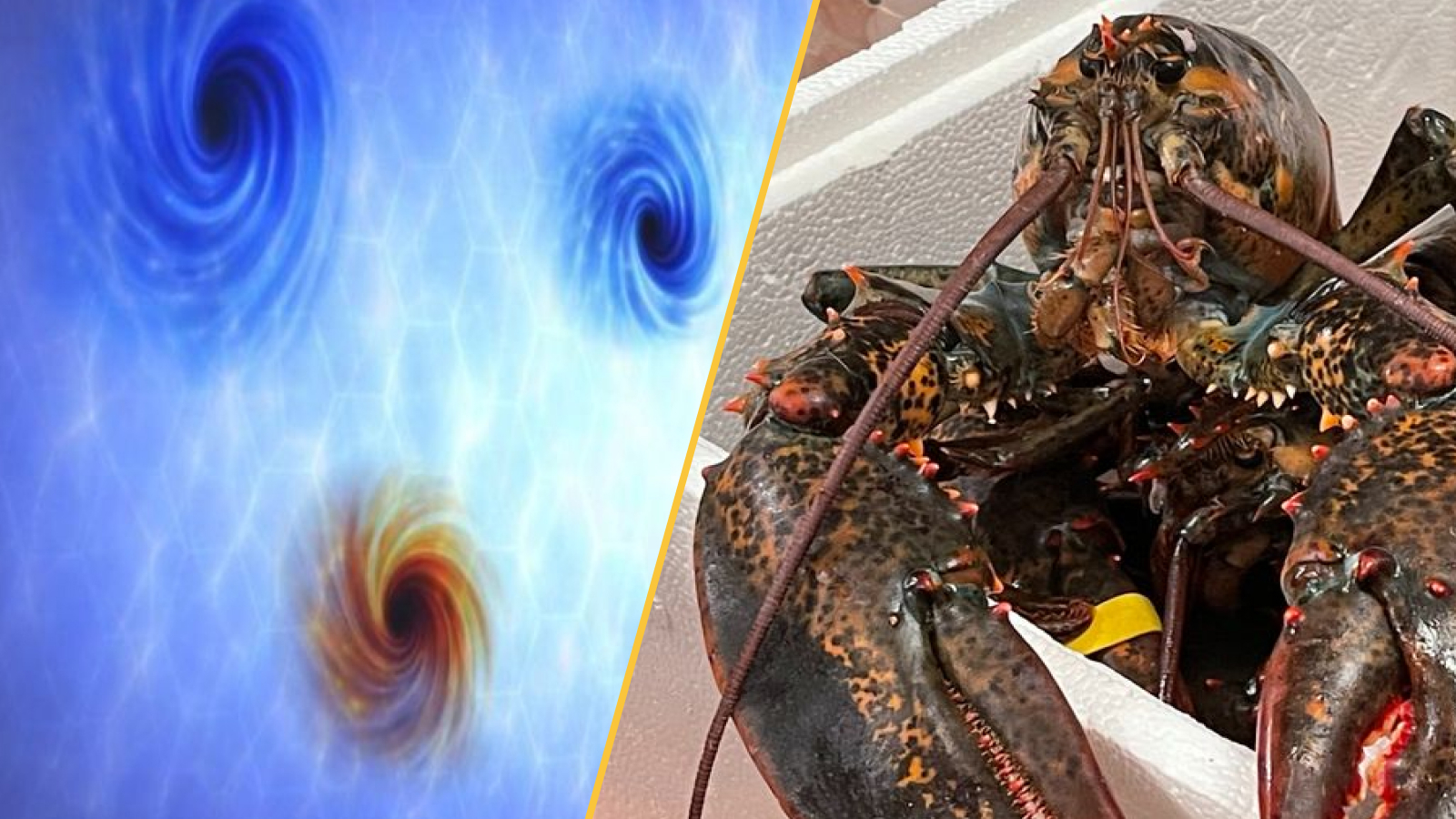
 This week's science news includes singularities in light and sound waves and lobsters experiencing pain. (Image credit: Getty Images/Ben Turner) Jump to:
 - Humans evolved a lot in the past 10,000 year
- Life's Little Mysteries
- Reconsider the lobster
- Also in science news this week
- Science Spotlight
- Something for the weekend
- Science news in pictures
- Follow Live Science on social media
Get the world’s most fascinating discoveries delivered straight to your inbox.
Become a Member in Seconds
Unlock instant access to exclusive member features.
Contact me with news and offers from other Future brands Receive email from us on behalf of our trusted partners or sponsors By submitting your information you agree to the Terms & Conditions and Privacy Policy and are aged 16 or over.You are now subscribed
Your newsletter sign-up was successful
Want to add more newsletters?
Join the club
Get full access to premium articles, exclusive features and a growing list of member rewards.
Explore An account already exists for this email address, please log in. Subscribe to our newsletterThis week's science news followed last week's climactic splashdown of the Artemis II mission with a flurry of space and physics news that only further melted our minds.
Topping the list was the first-ever observation by scientists of singularities in combined light and sound waves that moved faster than the speed of light, and the microscope technique that found it has the potential to reveal hidden processes in physics, chemistry and biology. And in another first for microscopic measurements, scientists observed quantum entanglement between two moving atoms, opening up an avenue to search for a theory of everything.
Humans evolved a lot in the past 10,000 year
'Human evolution didn't slow down; we were just missing the signal': Large DNA study reveals natural selection led to more redheads and less male-pattern baldness

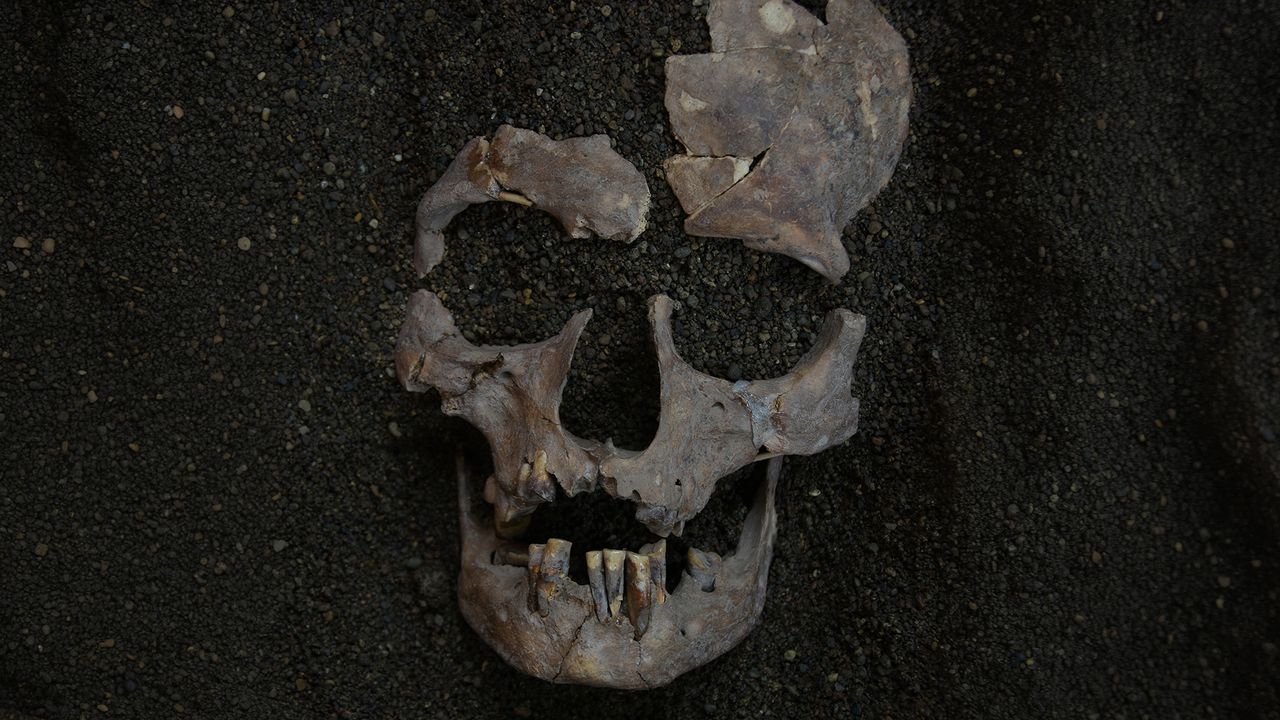
Despite arguments that human evolution has slowed down, a new study of West Eurasians (a genetic cluster encompassing populations with ancestry from Europe, the Middle East and parts of Asia) has found that natural selection in this group led to an increase in the frequency of light skin, red hair, and resistance to HIV and leprosy over the past 10,000 years.
"Human evolution didn't slow down; we were just missing the signal," study first author Ali Akbari, a staff scientist at Harvard University, told Live Science.
Discover more archaeology news
—Stone Age tombs in Scotland reveal 'webs of descent' among male relatives
Sign up for the Live Science daily newsletter nowContact me with news and offers from other Future brandsReceive email from us on behalf of our trusted partners or sponsorsLife's Little Mysteries
Did King Arthur really exist?
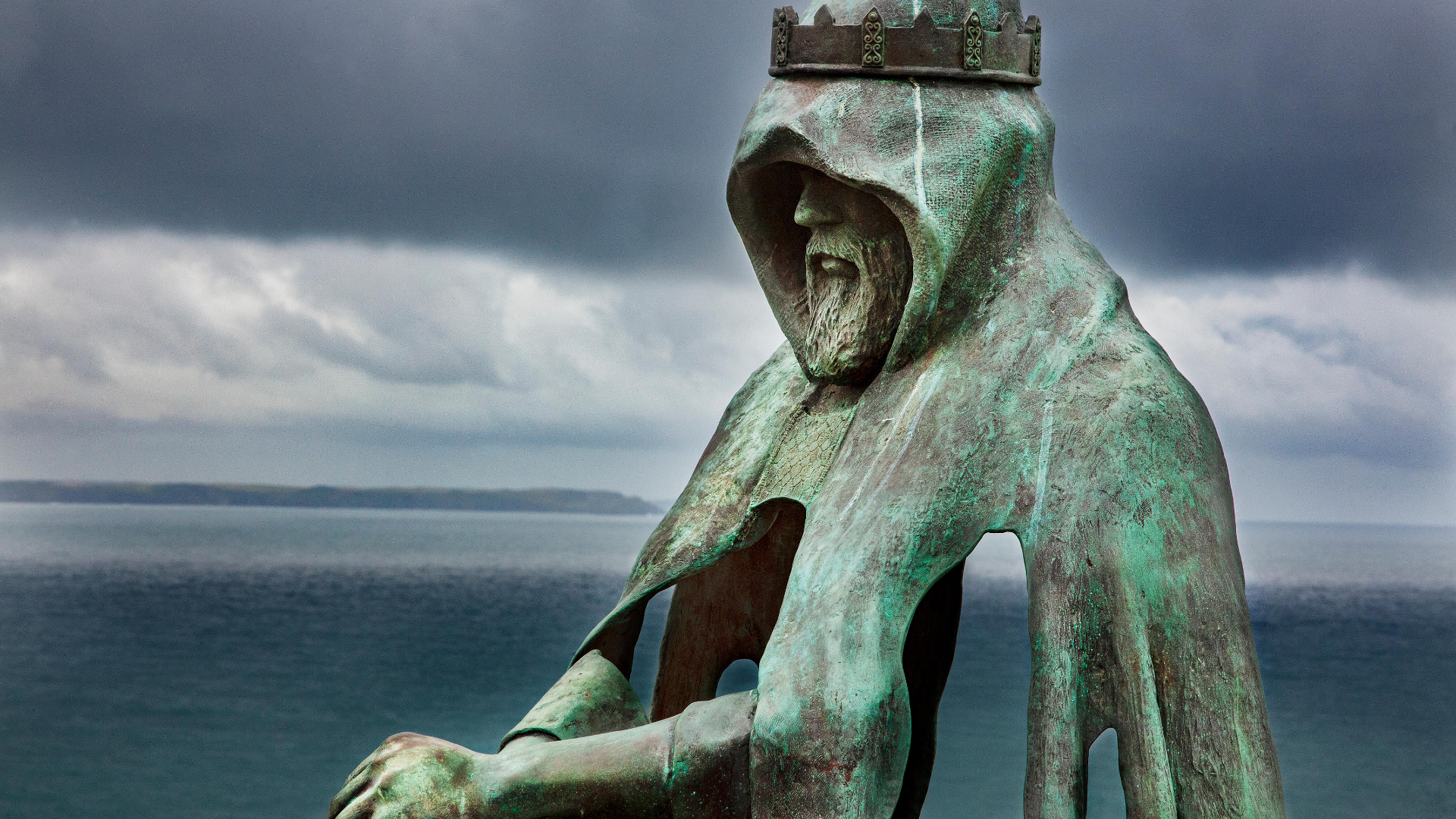
Camelot? Merlin? Round tables? The Holy Grail? Strange women lying in ponds, distributing swords? We're all familiar with the trappings of Arthurian legend, but did the man who spawned the myths ever exist? It turns out, it's a very controversial question, Live Science discovered.
—If you enjoyed this, sign up for our Life's Little Mysteries newsletter
Reconsider the lobster
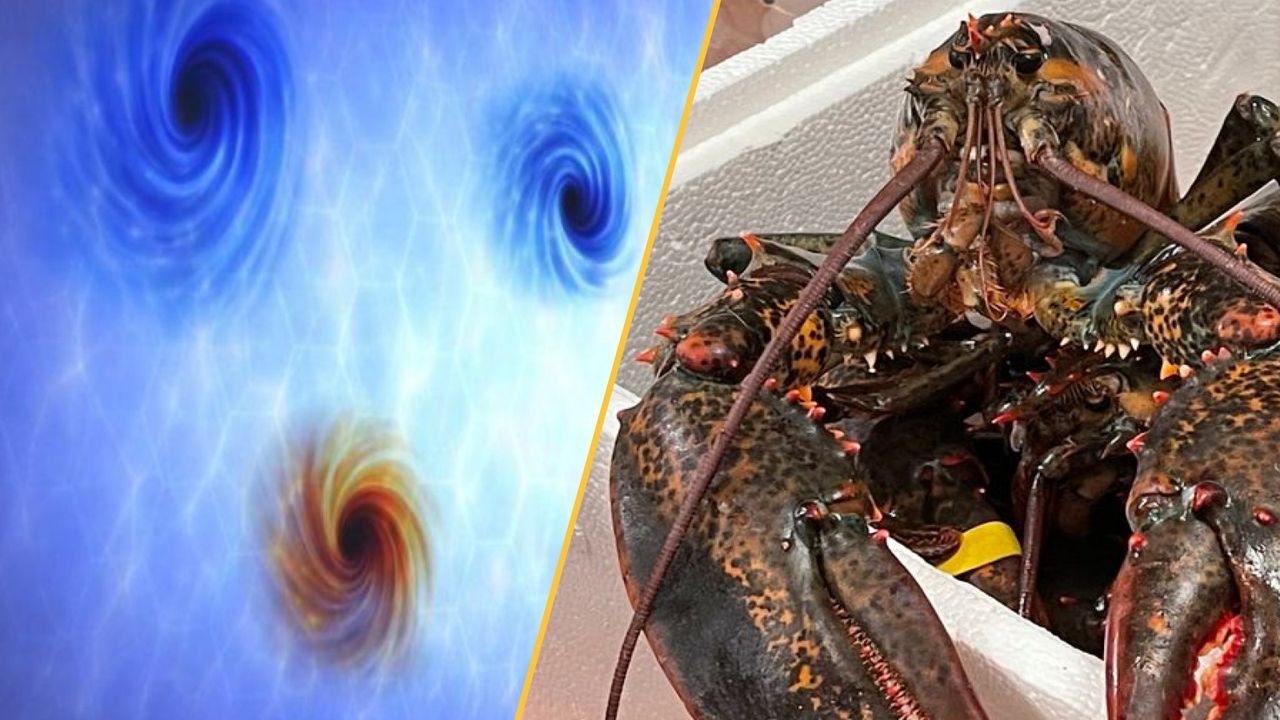
New study confirms lobsters feel pain, driving scientists to call for a ban on boiling them alive
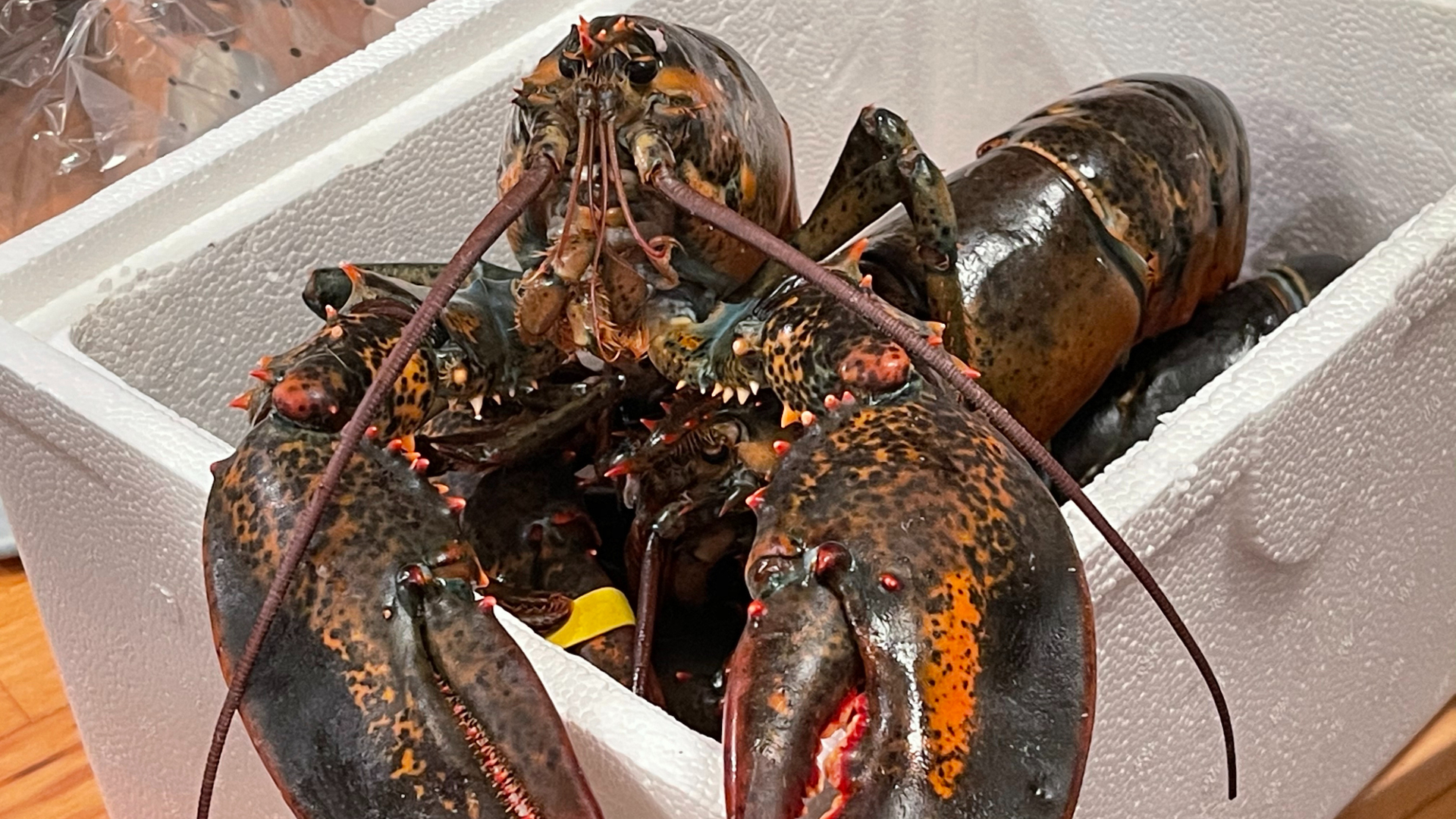
Can lobsters feel pain? David Foster Wallace certainly thought so when he penned a famous 2004 essay on the moral indefensibility of boiling an animal alive for gustatory pleasure.
This week, a new study appeared to bolster Wallace's argument when it found evidence to suggest that lobsters respond with pain reflex to electrical shocks and that this response can be dulled by painkillers.
The finding joins a growing body of evidence that crabs, octopuses and other invertebrates can feel pain, with the improved estimates for this form of sentience spurring laws worldwide to improve these animals' welfare.
Discover more animals news
—'More questions than answers': Experts baffled by Alaskan mammal-eating orcas spotted near Seattle
Also in science news this week
—This humanoid robot does all your housework for you — and its makers say it's ready for your home
Science Spotlight
Some polar bears are adapting to their melting habitat. Will it be enough to save the iconic species?
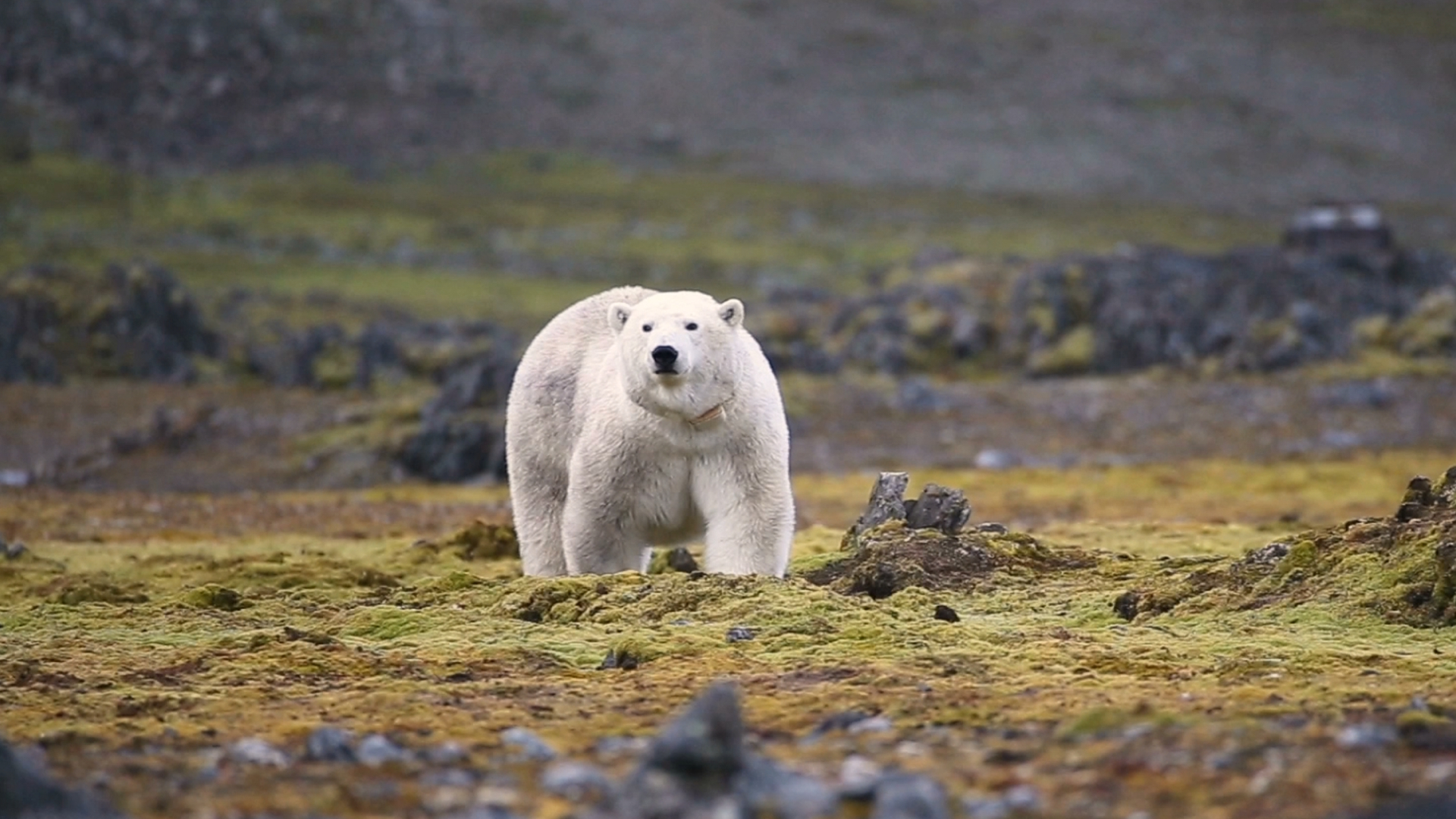
Will polar bears survive climate change? A look at much of the conventional research suggests no, but we shouldn't count out the apex predator yet, especially when it's known for ingenuity and resilience. Live Science contributor Chris Simms investigated this question and found some intriguing signs that some polar bears are getting fatter than ever.
Something for the weekend
If you're looking for things to keep you busy over the weekend, here are some of the best quizzes, skywatching updates and news analyses published this week.
—Artemis II quiz: Is your knowledge of NASA's historic moon mission out of this world? [Quiz]
—Northern lights may be visible from several US states Friday and Saturday as giant hole opens up in sun's atmosphere [Skywatching]
Science news in pictures
'We all screamed when it happened': Bright-green fireball meteor caught exploding over famous Viking raid site in UK
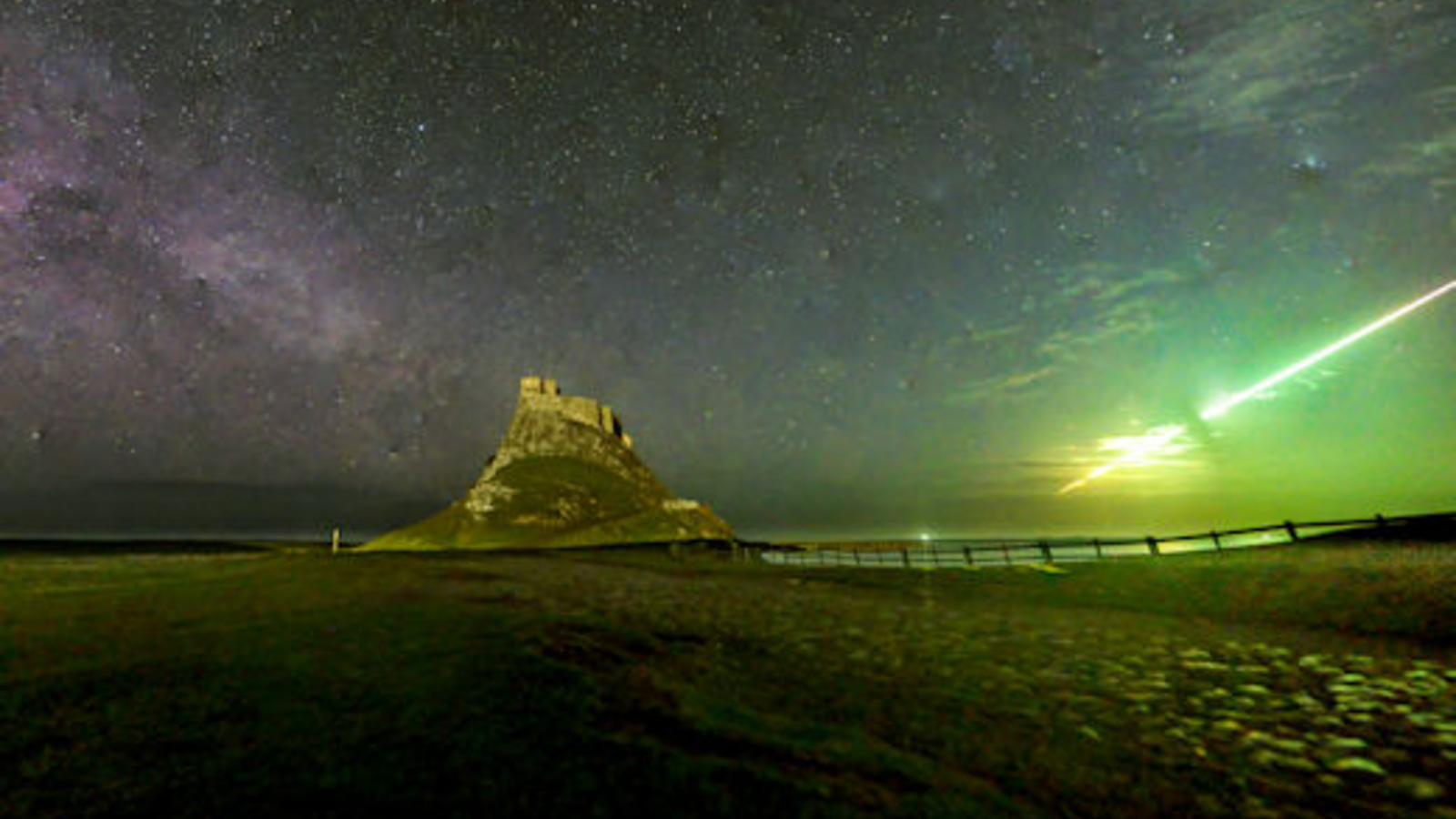
It's an iconic castle, a Viking raid site, and the setting for one of England's last outposts in Danny Boyle's post-apocalyptic zombie movie "28 Years Later," but now Lindisfarne (or Holy Island) has also become the backdrop for an extraterrestrial visitation in this stunning snapshot.
The photo, captured by the fortunate astrophotographer Ian Sproat, shows a meteor flashing across the frame before exploding in a green fireball soon after entering Earth's atmosphere.
Follow Live Science on social media
Want more science news? Follow our Live Science WhatsApp Channel for the latest discoveries as they happen. It's the best way to get our expert reporting on the go, but if you don't use WhatsApp we're also on Facebook, X (formerly Twitter), Flipboard, Instagram, TikTok, Bluesky and LinkedIn.
TOPICS Ben TurnerActing Trending News Editor
Ben Turner is a U.K. based writer and editor at Live Science. He covers physics and astronomy, tech and climate change. He graduated from University College London with a degree in particle physics before training as a journalist. When he's not writing, Ben enjoys reading literature, playing the guitar and embarrassing himself with chess.
View MoreYou must confirm your public display name before commenting
Please logout and then login again, you will then be prompted to enter your display name.
Logout LATEST ARTICLES- 1Did King Arthur really exist?
- 2Science history: Doctor autopsies the brain of a man who couldn't speak — and reveals the seat of spoken language — April 18, 1861
- 3Archaeologists discover perfectly circular ancient Egyptian temple that may have been used for sacred water rituals
- 4Some polar bears are adapting to their melting habitat. Will it be enough to save the iconic species?
- 52 supermassive black holes may collide 100 years from now — and Earth would feel it