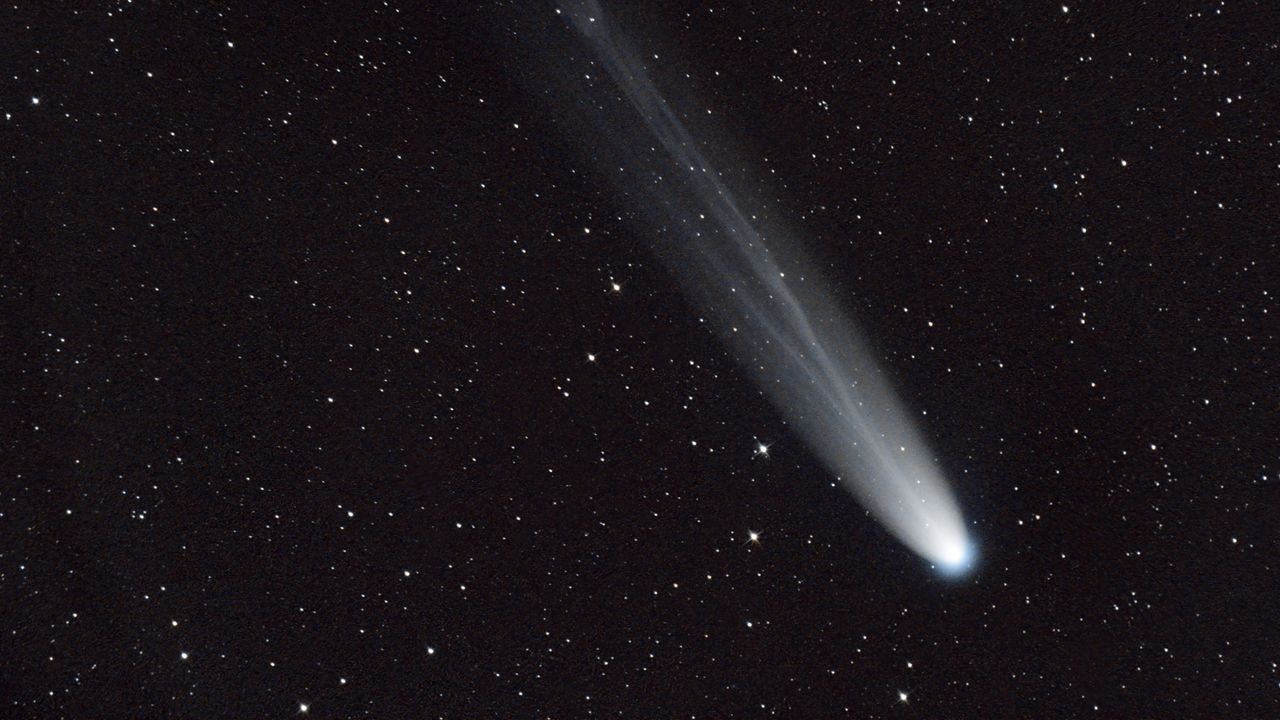
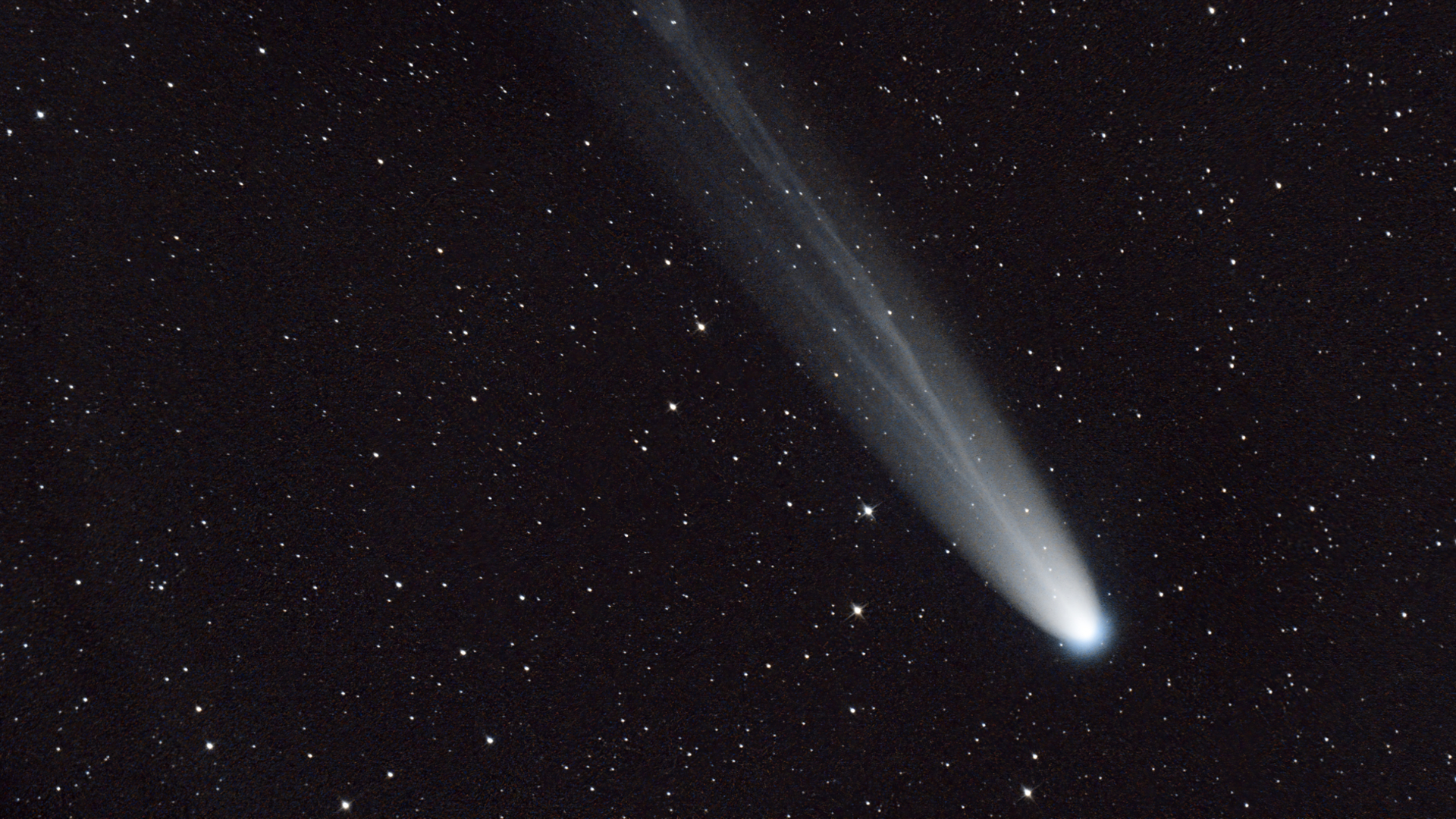
 Comet C/2026 A1 (MAPS) will get closest to the sun on April 4. (Image credit: James Yu via Getty Images) Share this article 0 Join the conversation Follow us Add us as a preferred source on Google Newsletter Sign up for the Live Science daily newsletter now
 Get the world’s most fascinating discoveries delivered straight to your inbox.
Become a Member in Seconds
Unlock instant access to exclusive member features.
Contact me with news and offers from other Future brands Receive email from us on behalf of our trusted partners or sponsors By submitting your information you agree to the Terms & Conditions and Privacy Policy and are aged 16 or over.You are now subscribed
Your newsletter sign-up was successful
Want to add more newsletters?
Join the club
Get full access to premium articles, exclusive features and a growing list of member rewards.
Explore An account already exists for this email address, please log in. Subscribe to our newsletterA rare "sungrazer" comet is about to pass very close to our star and could become visible in daylight — or it could completely disintegrate before our eyes. Either way, there could be something special to see in the night sky, with a large tail potentially visible late this week.
Comet C/2026 A1 (MAPS) was discovered Jan. 13 by French astronomers at the AMACS1 Observatory in Chile. Although the comet was initially thought to have a nucleus measuring around 1.5 miles (2.4 kilometers) wide, astronomers later reduced the estimate to under 0.25 miles (0.4 km) based on James Webb Space Telescope observations taken in February.
C/2026 A1 (MAPS) is expected to get within 98,000 miles (158,000 km) of the sun's surface and pass through the lower regions of the sun's outer atmosphere, or corona, at 9:30 a.m. EDT (13:30 UTC) Saturday (April 4), according to the British Astronomical Association (BAA). According to the European Space Agency, many Kreutz sungrazers evaporate, but if they survive, they could put on a spectacular show.
related stories—City-size, cold-volcano comet transforms into a glowing 'snail shell' after major explosive outburst
Because C/2026 A1 (MAPS) is traveling into the sun's glare, it will be difficult to see before April 4. If it survives its close encounter with the sun — even if it fragments — it could become visible for a short time after sunset in the evenings that follow. Unless it breaks apart before it gets close to the sun, there will be a possibility of seeing a potentially large and bright tail in the western evening sky starting around April 9, according to the BAA.
If that occurs, Comet C/2026 A1 (MAPS) will be the first of two comets visible in April, with the likely dimmer but more predictable C/2025 R3 (PanSTARRS) set to become an easy binocular target close to April 20.
Sign up for the Live Science daily newsletter nowContact me with news and offers from other Future brandsReceive email from us on behalf of our trusted partners or sponsors Jamie CarterLive Science contributor
Jamie Carter is a Cardiff, U.K.-based freelance science journalist and a regular contributor to Live Science. He is the author of A Stargazing Program For Beginners and co-author of The Eclipse Effect, and leads international stargazing and eclipse-chasing tours. His work appears regularly in Space.com, Forbes, New Scientist, BBC Sky at Night, Sky & Telescope, and other major science and astronomy publications. He is also the editor of WhenIsTheNextEclipse.com.
View MoreYou must confirm your public display name before commenting
Please logout and then login again, you will then be prompted to enter your display name.
Logout LATEST ARTICLES 1New tweak to Einstein's relativity could transform our understanding of the Big Bang
- 2Artemis II officially leaves Earth's orbit on the way to the moon
- 3In photos: Artemis II's historic launch for the moon
- 4Ancient children's teeth reveal a syphilis-like disease was spreading in Vietnam 4,000 years ago
- 5Chemists discover groundbreaking reaction that turns breadcrumbs into hydrogen