 Image source, Getty/bjdlzxImage caption,
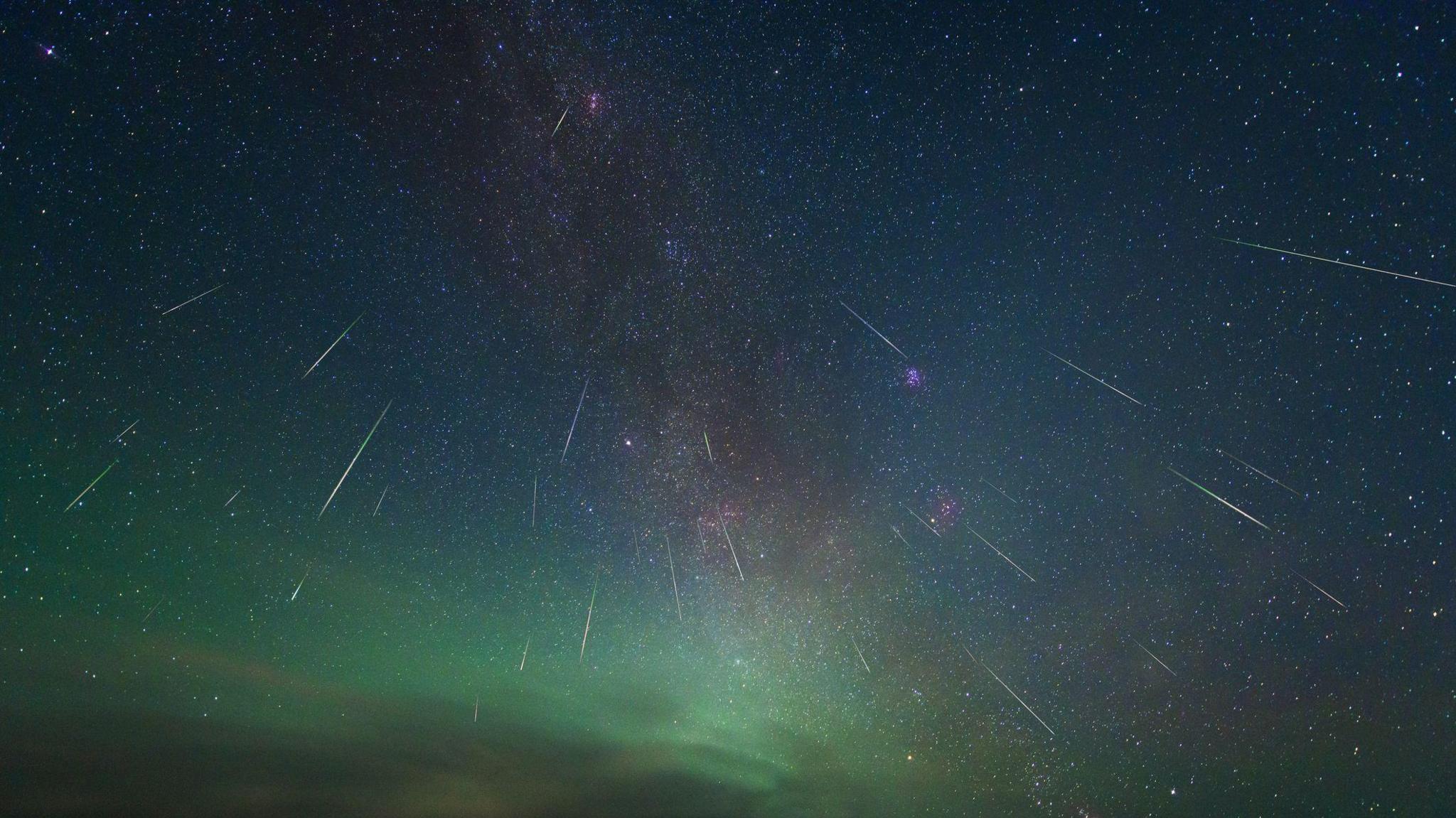
 The Perseid meteor shower over China, August 2018
By BBC Weather- Published1 minute ago
The Perseid meteor shower is set to light up the night sky over the next month, putting on a spectacular treat for skygazers.
Known as one of the brightest, fastest and most active meteor showers of the year, it occurs when Earth passes through the debris of Comet 109P/Swift-Tuttle.
Running from 17 July to 24 August, the show will peak overnight on the 12-13 August.
Coinciding with the new Moon, dark skies will create ideal viewing conditions for the peak where the weather cooperates.
What is the Perseid meteor shower and how can I see it?
Meteor showers happen when dust from a passing comet or asteroid passes through the Earth's atmosphere.
The tiny particles - roughly the size of a grain of sand - vaporise, creating visible streaks of light.
In the most dense parts of the dust stream, more meteors are visible.
The Perseids in particular are known for being a very active shower, where up to 150 meteors per hour are possible during its peak.
The shower is also famous for its bright "fireball" meteors.
To spot them, skygazers should look for the point in the sky where they appear to originate from, known as the radiant.
In this case, it is in the constellation of Perseus.
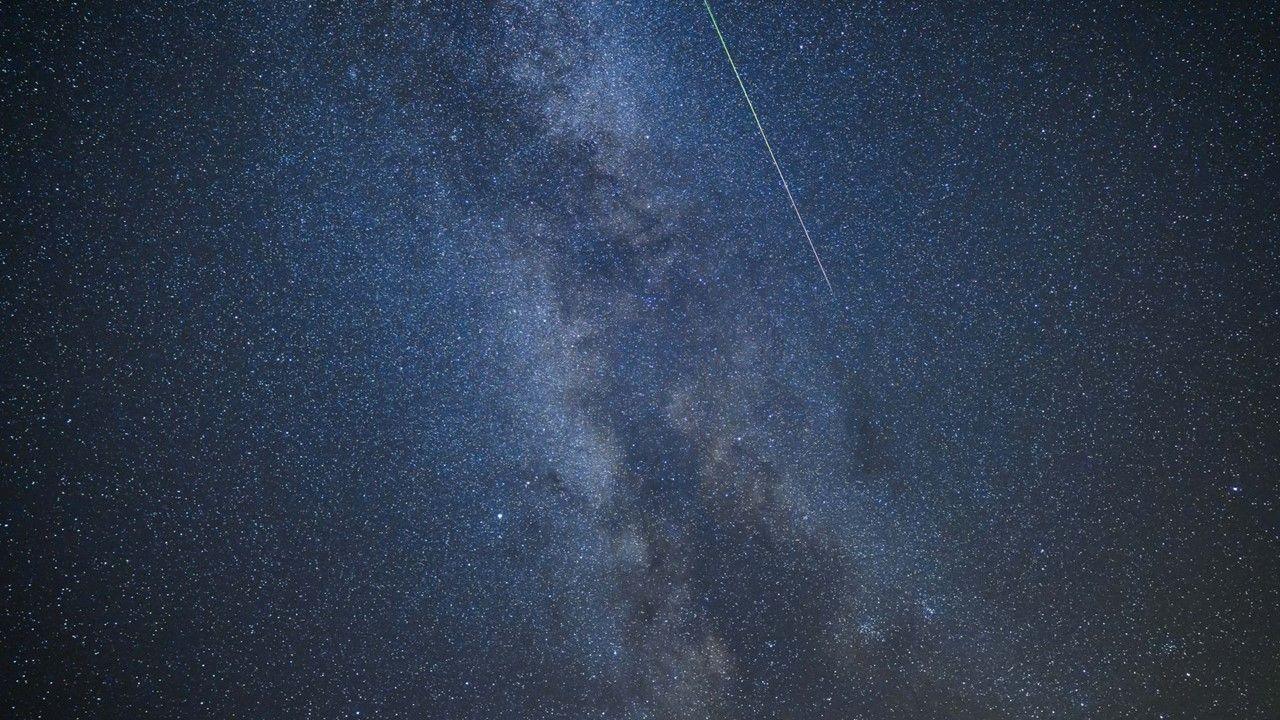 Image source, VALENTIN FLAURAUD/EPA-EFE/REX/ShutterstockImage caption,
 A meteor is photographed from Switzerland as it passes across the Milky Way during the 2024 shower
It is easiest to spot meteors in the northern hemisphere between midnight and an hour before sunrise, but of course it is dependent on cloud cover.
Ideal conditions for viewing are dark, clear skies with a wide unobstructed view. You don't need binoculars or a telescope.
The further away from light pollution you are, the better chance you will have of seeing the meteors. You should give your eyes up to 15 minutes to adapt to the lower light.
What is the forecast for this weekend?
The shower will begin this weekend, with the best conditions inland and in western parts of the UK. Here it will remain dry with patchy cloud.
Meanwhile, a northerly wind will continue to draw in more North Sea cloud across northern Scotland and towards eastern coasts, reducing viewing chances.
Saturday night will see largely clear skies for the first half of the night with fog forming across northern and eastern Scotland.
There will be some patchy fog across the Midlands, and south-west England too, and low cloud for eastern coasts. Elsewhere, peak viewing hours will be dry and clear.
Come Sunday night, there will be more of the same with low cloud across Scotland and Northern Ireland and clear skies further south.
You can check the conditions where you are at BBC Weather online, or on the app.
Weather for the week ahead
- Published1 hour ago

Longest dry spell in 30 years for parts of England as heatwave hits two-week mark
- Published4 hours ago