DC's new "Supergirl" may or may not turn out to be a classic of the comic-book genre. It may or may not be a smash hit in theaters. But whatever else happens when Kara Zor-El flies into the unpredictable headwinds of the worldwide box office, one thing the new movie has got 100% right is its promo poster.
Let's take a look at its components. The bright, primary-colored House of El logo in the background is so bold and unmistakable that there's no need to spell out that this is a Super movie. At the same time, having that famous shield spray-painted on a wall is elegant shorthand for "Looking for overgrown boy scout Clark Kent? Then move along".
Meanwhile, lead actor Milly Alcock's "don't care" pose — not to mention the overcoat, sunglasses, and retro headphones — screams attitude. And by the time you get to that "Truth. Justice. Whatever" tagline… well, you know pretty much everything you need to know about our latest trip to James Gunn's new-look DC Universe. The only thing it's missing is super-pooch Krypto.
(Image credit: Warner Bros)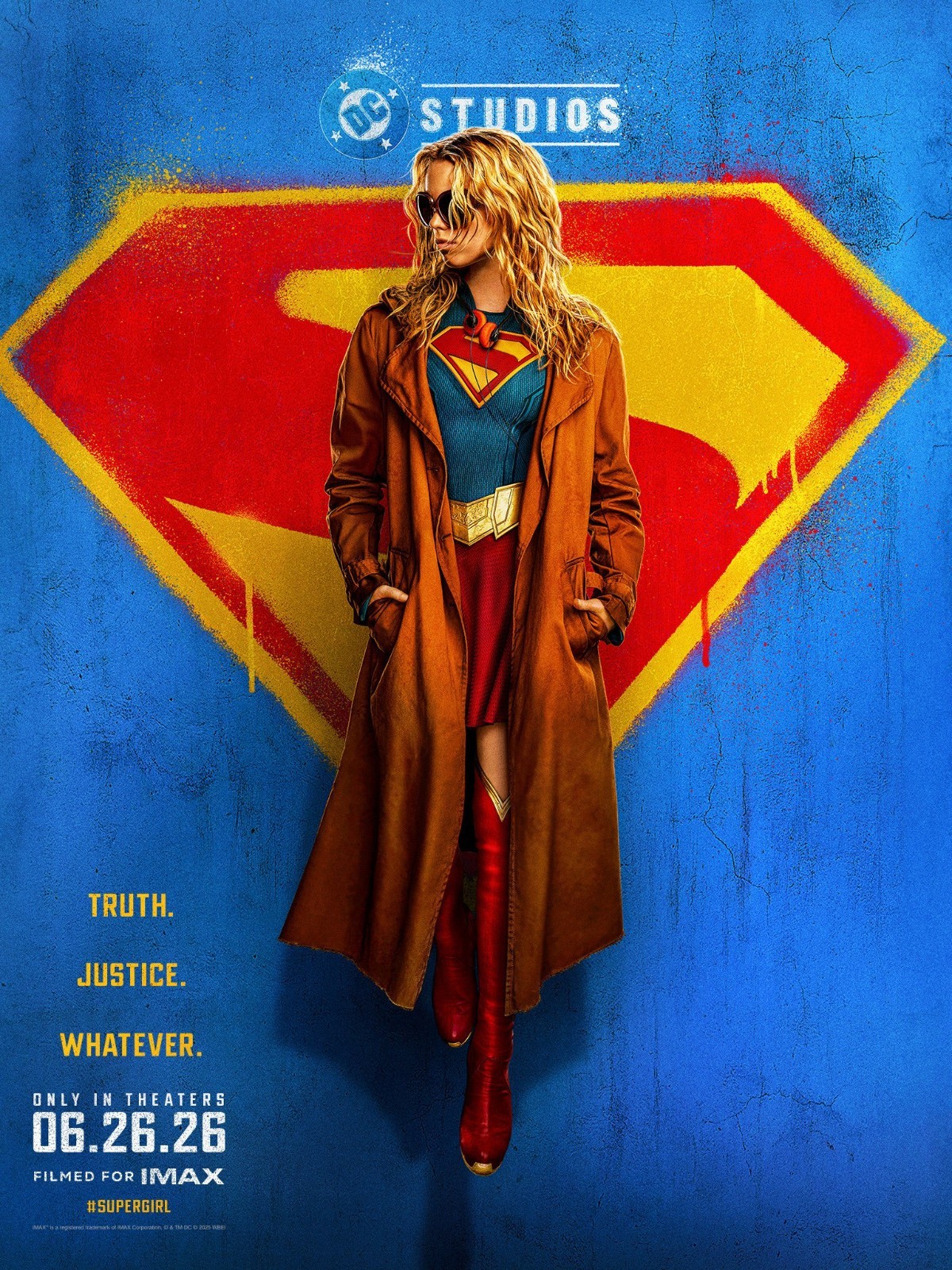
This "Supergirl" promo stands out in multiplex foyers as every good poster should, yet feels like a rarity in modern Hollywood. Time and time again, one-sheet designs revert to a tried, tested, and tedious formula of Photoshopped (other design software is available) montage of famous faces from a movie. Many of them are presented in the same muddy monochrome — it's almost as if they've stepped out of a Zack Snyder movie — and you need a microscope to make out many of the details. Catching a theater-goer's eye seems a long way down anyone's list of priorities.
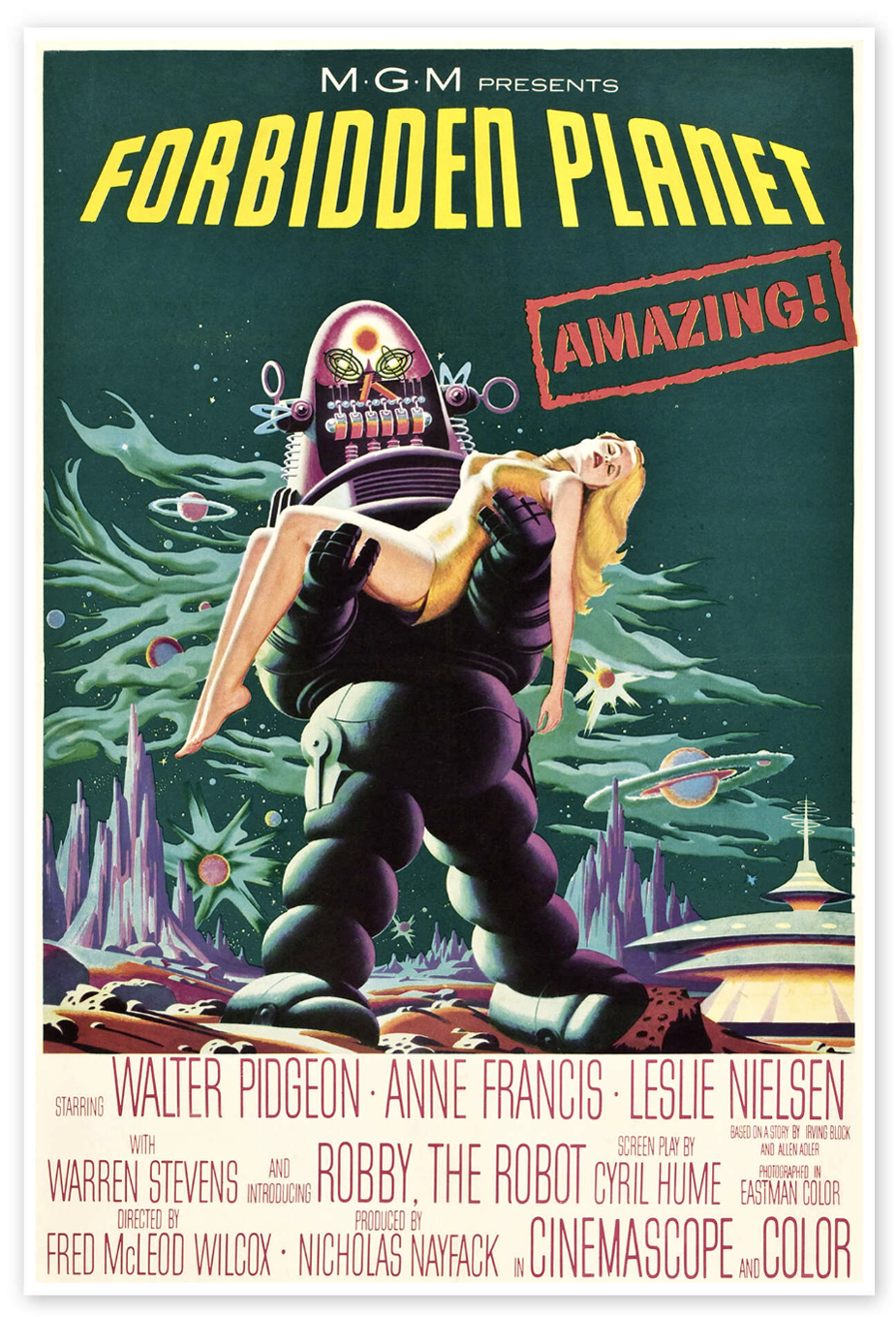
It hasn't always been this way, because the science fiction genre has been responsible for many of the best film posters ever made. In the 1950s, B-movies and even the occasional studio tentpole used their promos as unashamed generators of hype, commissioning artists to paint giant arachnids, giant monsters, and — in one notable 50-foot example — giant women. Embiggening the baddies was clearly one of the first things these artists were taught at poster school.
 Metro-Goldwyn-Mayer
 Metro-Goldwyn-Mayer
They also refused to be constrained by minor inconveniences like plot details. Posters for both "The Day the Earth Stood Still" (1951) and "Forbidden Planet" (1956) are built around angry robots carrying scantily clad women, even though neither film features any such scenes.
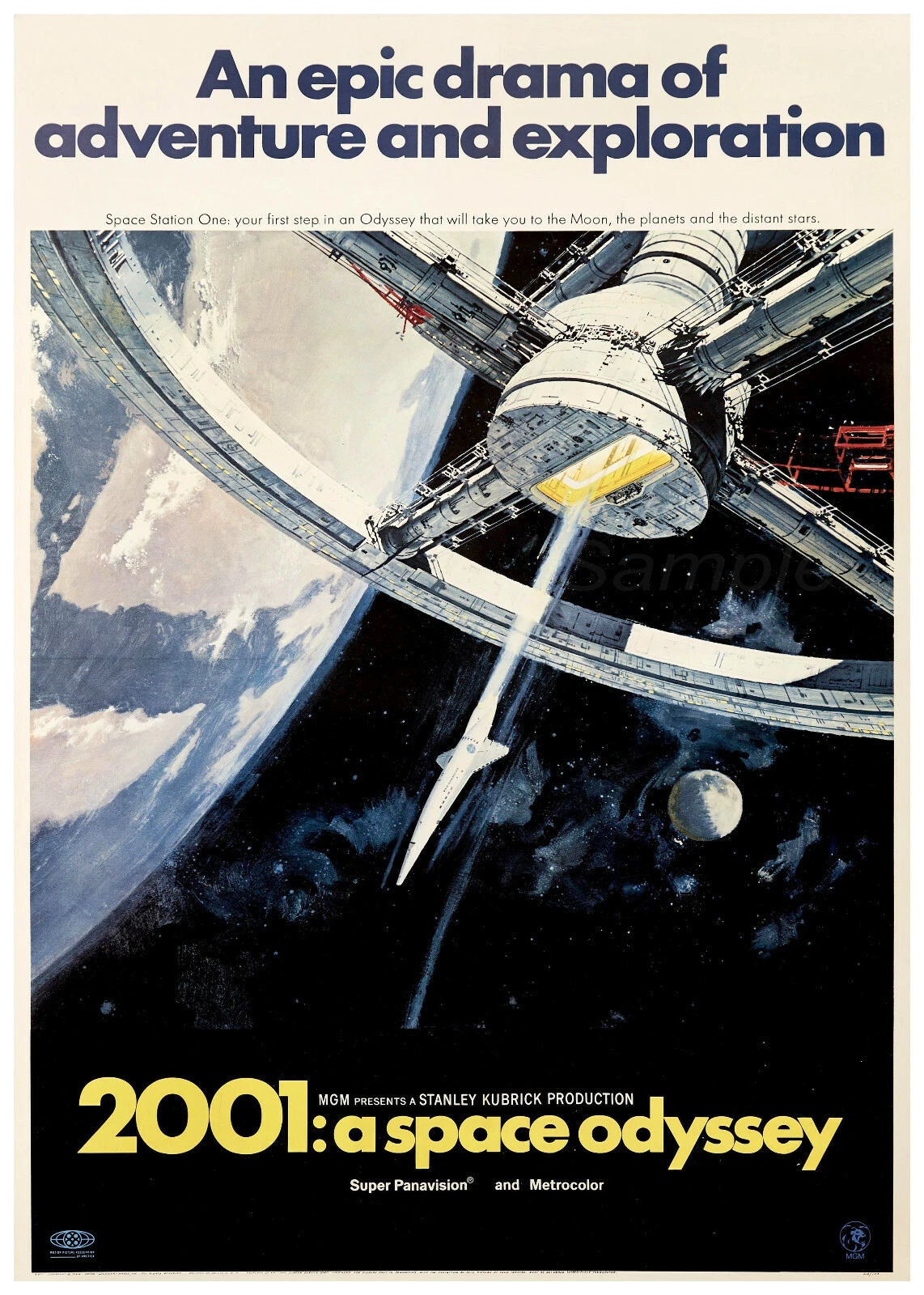
A decade or so later, space-set sci-fi movies like "2001: A Space Odyssey" (1968) and "Silent Running" (1972) were opting for a rather more subdued approach. Indeed, their hardware-heavy one-sheets looked more like the covers of hard SF novels than movie posters. "2001"'s more famous conceptual "The Ultimate Trip" star child promos weren't created until Stanley Kubrick's epic was given a 1970 re-release, as movie execs tried to capitalize on its growing, though unintended, reputation as a psychedelic counter-culture classic.
But it's arguably two insanely influential movies released within two years in the late-'70s that laid down the blueprint for what a sci-fi movie poster could and should do — "Star Wars" and "Alien".
 Disney
 Disney
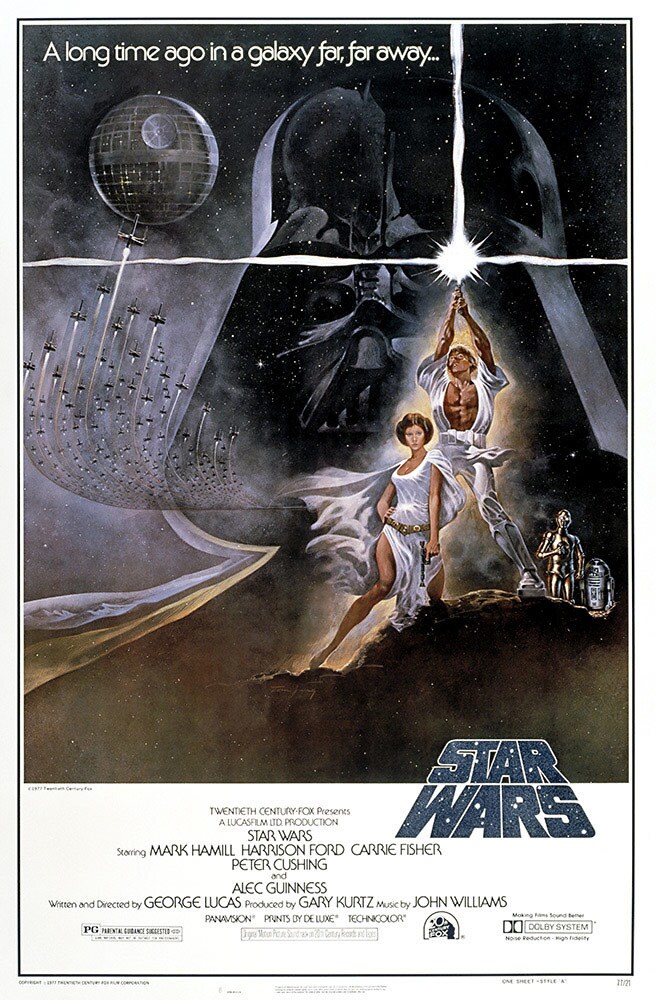
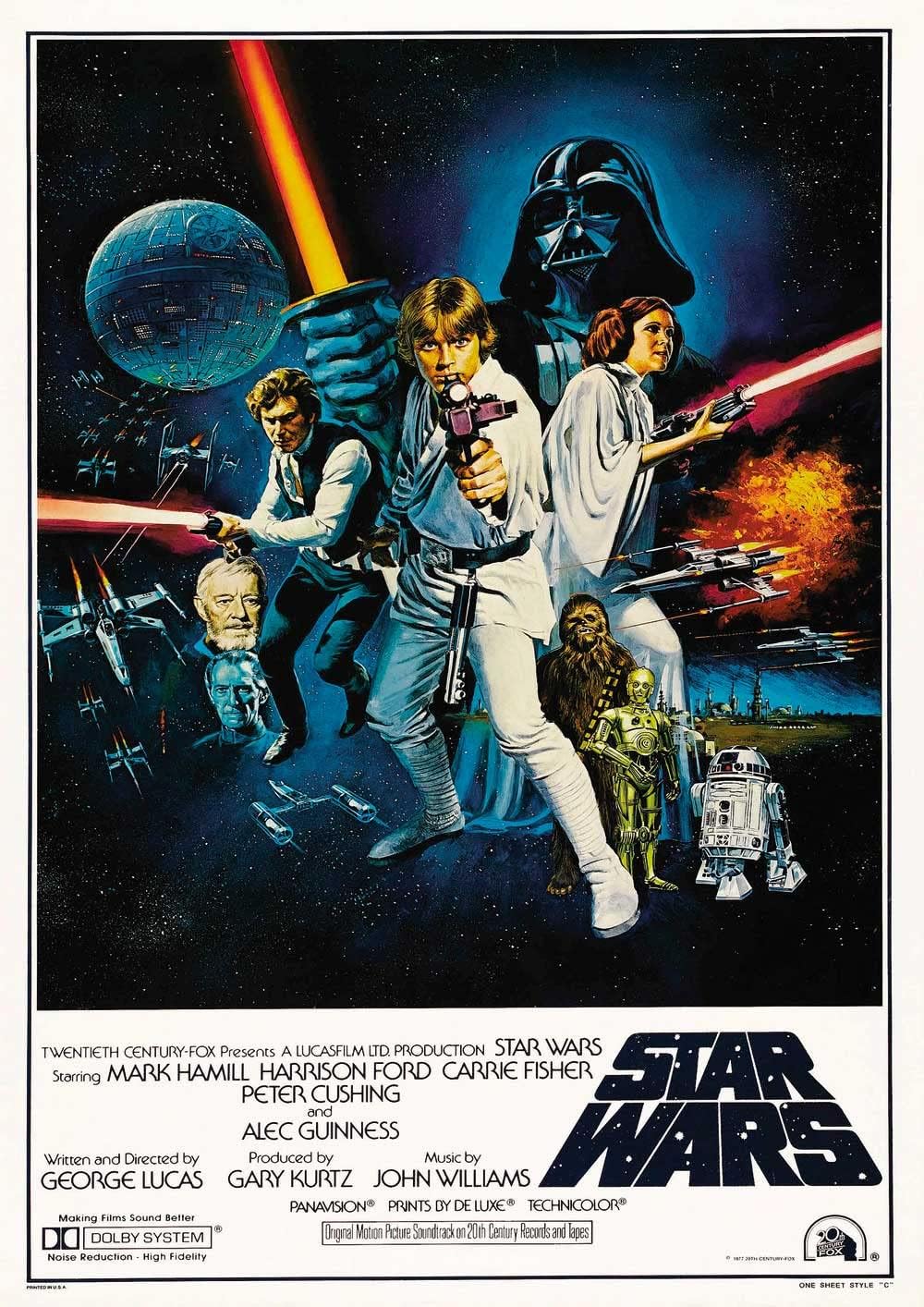
At first glance, the early posters for "A New Hope" look like the character montages that have gone on to become the Hollywood norm. Look closer, however, and there's genuine artistry to their composition.
Although Tom Jung's famous "Style A" poster is a galaxy far, far away from screen accurate — what's going on with Luke's lightsaber and six-pack? — it effortlessly captures the all-action essence of the movie. Tom Chantrell's (arguably) even-more-iconic "Style C" design unites all the key players in a wonderfully kinetic collage of laser fire, lightsabers, and X-wings.
It's a sub-genre of poster art that the late Drew Struzan (who passed away in 2025) would subsequently go on to master. His legendary, hand-painted designs for the likes of "Indiana Jones and the Last Crusade", the "Star Wars" Special Editions, the "Star Wars" prequels, "Blade Runner" and (yes, really) "The Muppet Movie" have laid down a marker for every draughtsperson who's followed. "I want the poster to look like an adventure," Struzan told SlashFilm in 2021.
 20th Century Fox
 Universal Pictures
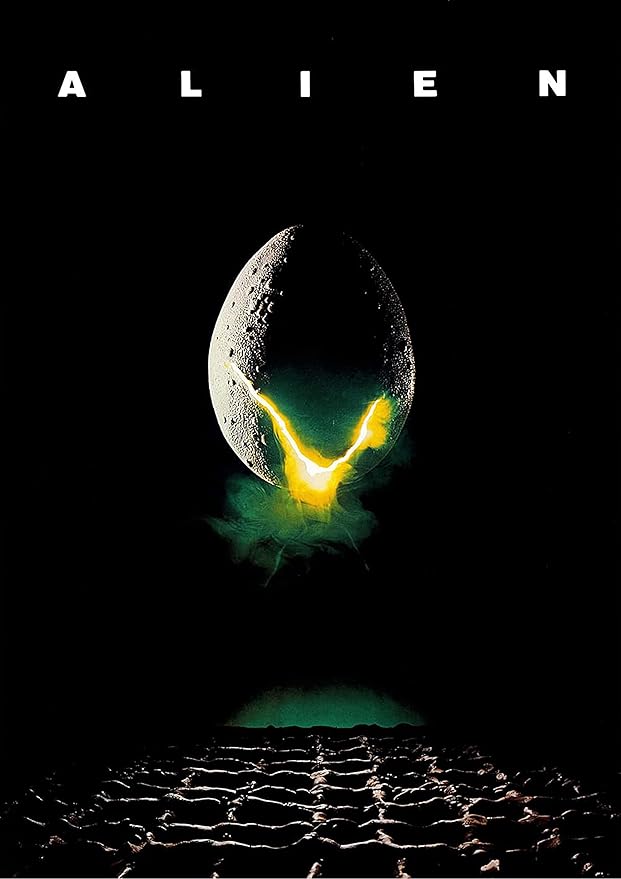
In 1979, "Alien"'s famous "In space no one can hear you scream" design helped to popularize the conceptual one-sheet, as a single extraterrestrial egg hinted at the horrors Ridley Scott had in store.
Many of the most memorable posters of the '80s, '90s, and '00s opted for a single abstract image, whether it was ET and Elliott silhouetted against the Moon, an alien spacecraft hovering over New York for "Independence Day", or the minimalist, Happy Meal-friendly logos of "Ghostbusters" and "Jurassic Park".
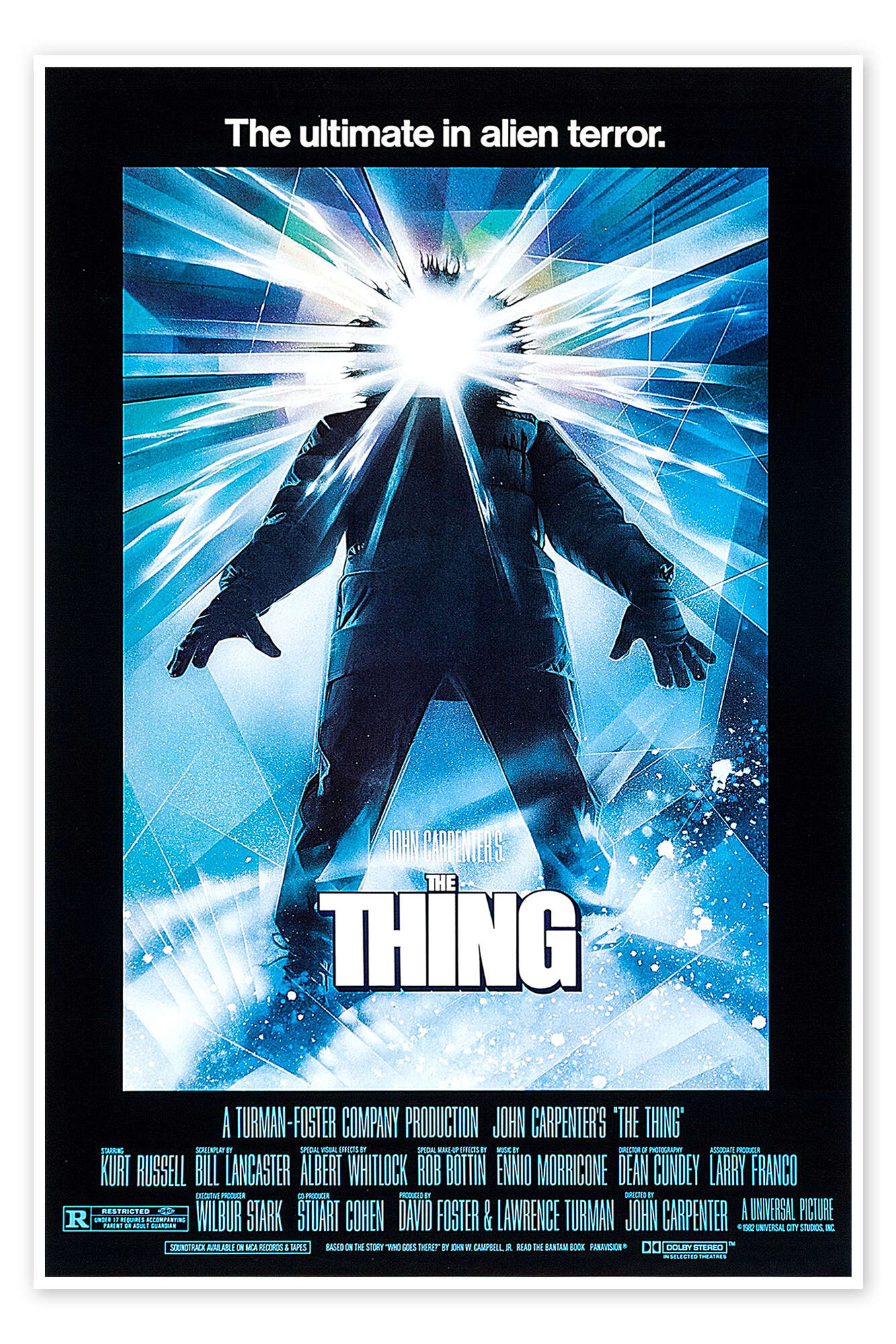
Struzan's famous poster for John Carpenter's "The Thing" (the one with a faceless guy in a parka) was born out of necessity, the artist having been given little information beyond the fact that it was a loose remake of 1951's "The Thing from Another World". "[I had to] find a way of making nothing into something," Struzan later said of a design he reportedly created over a single night. It's fair to say he succeeded.
 20th Century Fox
 Paramount Pictures
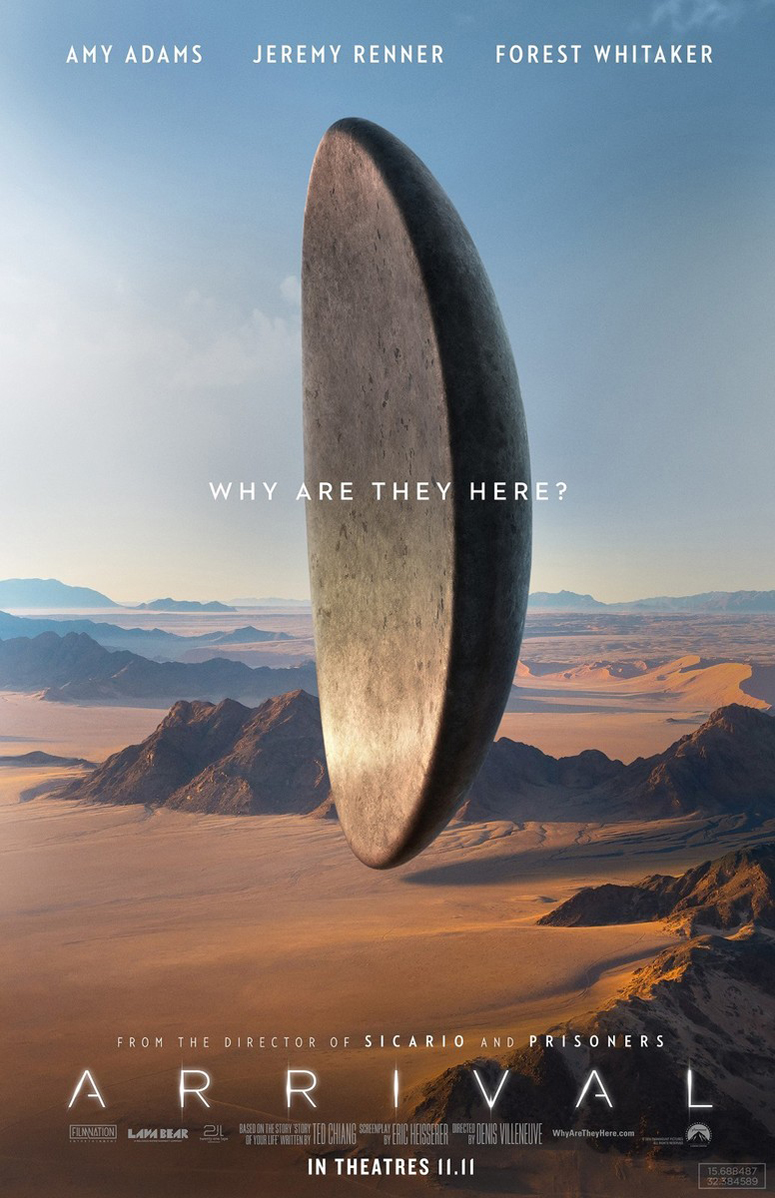
One thing all these designs have in common is that — as well as being great adverts for their respective movies — they're bona fide works of art. It's a tradition modern creators like the brilliant Matt Ferguson (and notable exceptions like "Alien Romulus" and "Arrival") are doing their best to keep alive — even though the lobby of a contemporary multiplex is less likely to be confused for an art gallery than it might once have been.
Even with the caveat that we tend to remember the great stuff and forget the duds, modern movie posters are rarely as good as they used to be. With montages often based around the contractual importance of respective stars, too many look like they've been created by committee rather than a single visionary artist — the design most executives, agents, and lawyers disliked least, rather than the one a few loved.
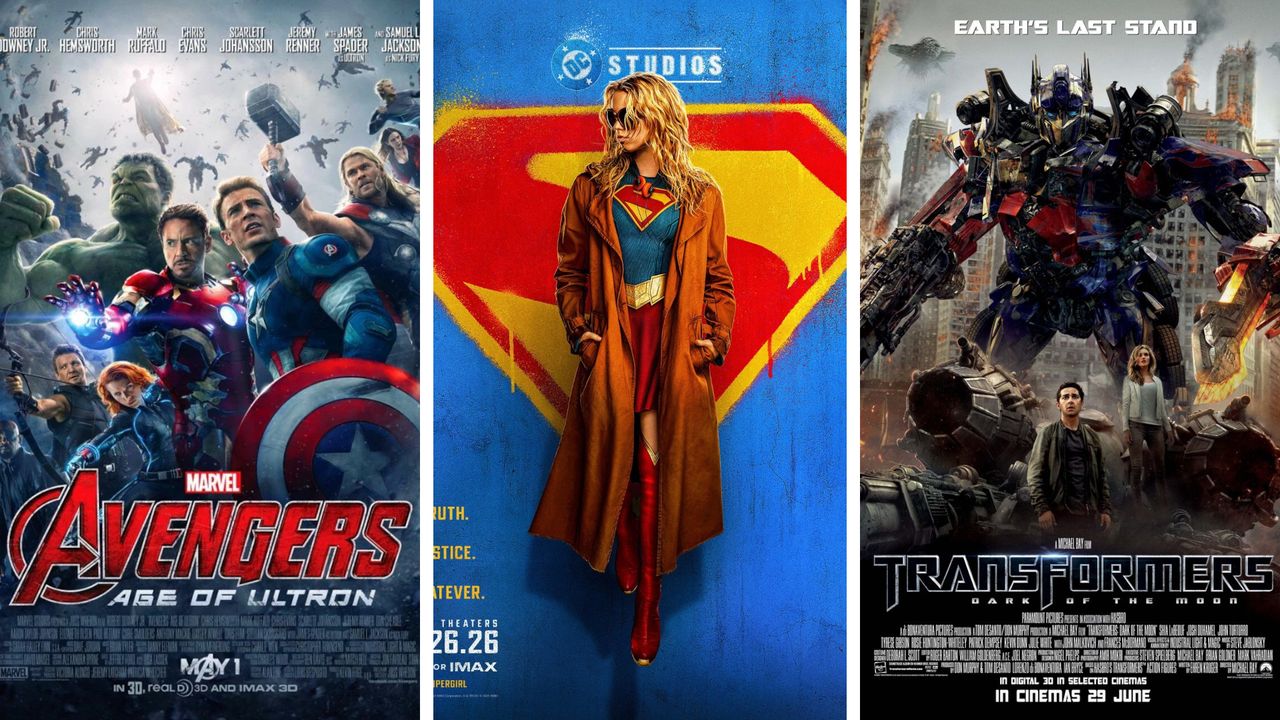
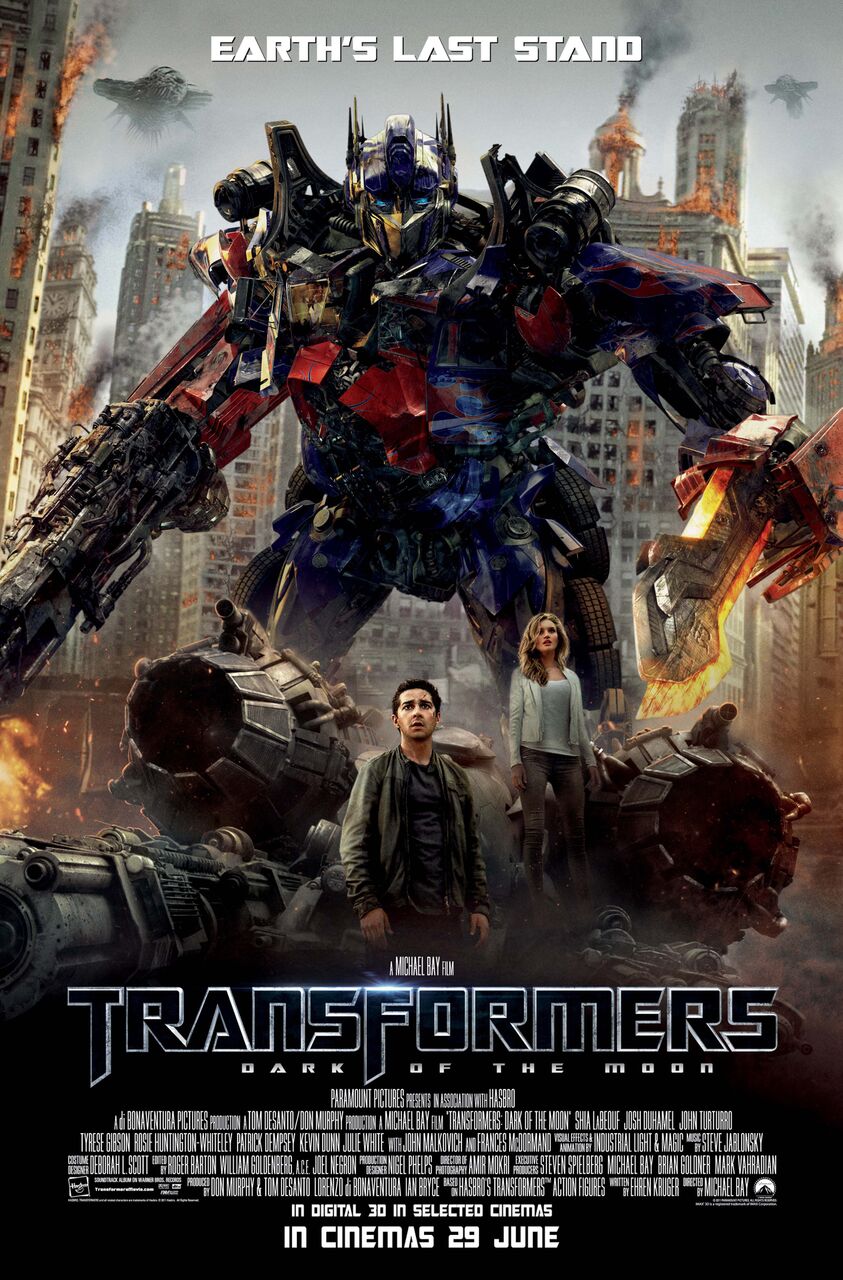
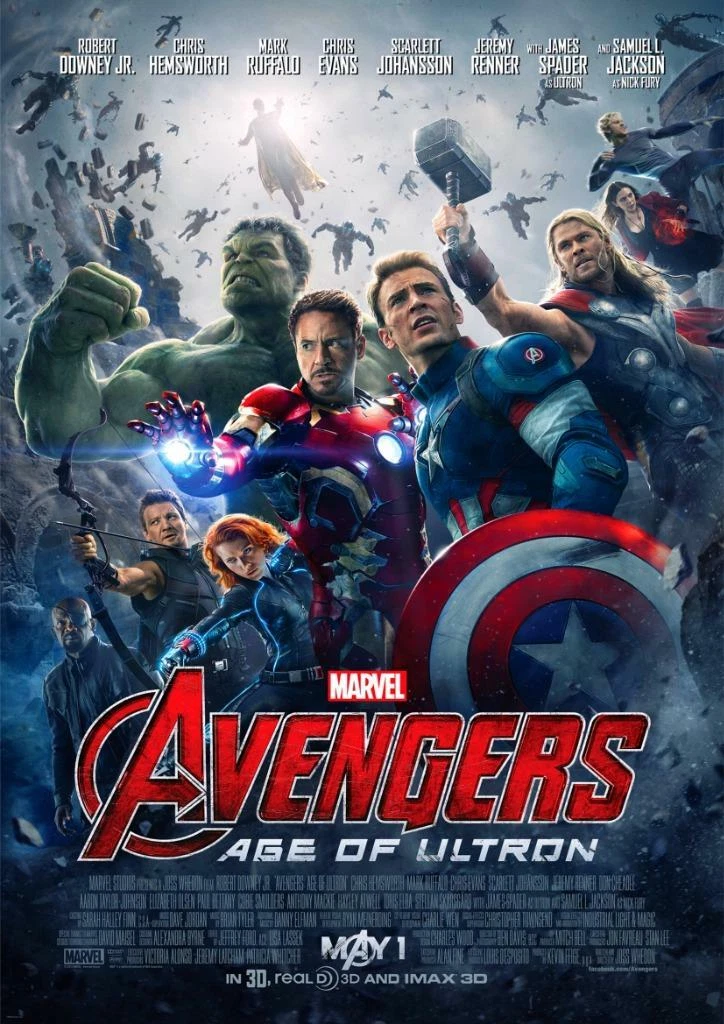
Can there be any other explanation for "Transformers" one-sheets that look like they've been passed through a filter of sludge, or an "Avengers: Age of Ultron" design so crowded that it looks like Marvel's answer to "Where's Waldo?".
 Paramount Pictures
 Marvel Studios / Disney
Maybe Hollywood doesn't care anymore. Maybe their market research tells them that identikit montages get the best results at the box office, or that traditional one-sheets are small fry next to social media and trailers when it comes to getting bums on theater seats.
But if the measure of a good movie poster is something that you'd want to put in a frame and hang on your wall, the current generation is (mostly) lacking.
So, whether or not "Supergirl" flies, let's celebrate the film's stylish, memorable poster art as a wonderful break from the status quo.