If you treat it right, it should last until it's obsolete.
By Robin Bea Nov. 7, 2026 3:30 pm EST Sankai/Getty Images Add Engadget on Google: Preferred Source Google Discover
Building a new PC is a major investment, especially with prices of some components skyrocketing recently. Given the expense, it's natural to wonder not just if you can afford it now, but how long a PC should last if you do fork over the cash to build one. The central processing unit (CPU) is one of the biggest expenses in building a PC, but you likely won't need to buy a new one too often.
Under most conditions, you don't need to worry about your processor wearing out from regular use. Manufacturers don't list specific expected lifespans for their processors, but it's not uncommon for a CPU to remain functional for a decade or more after it's installed. Rather than your CPU failing, it's much more likely that you'll eventually want to replace it when it can't keep up with the new games or programs you use your PC for.
How to tell if you should replace your CPU
The most common time for a processor to fail is when it's still new. The manufacturing process can produce faulty CPUs from time to time, and when that happens, they'll likely give you trouble from the start. If you've had your CPU for a while, some of the signs that it's failing are your computer freezing for no clear reason, failing to boot or randomly restarting. All of these problems can be caused by other hardware, though, and pinning the problem to the CPU is as difficult as it is rare.
If your computer isn't performing as you'd like it to, it's worth checking if your CPU is just outdated. First, pull up your PC's Task Manager and check the Performance tab. Keep an eye on the CPU screen to see how much of the processor's power is being used. Under normal conditions, it should almost always stay below 20 percent. Some spikes are normal, but if it's constantly approaching its upper limits, you might want to consider an upgrade. Your CPU will be much more active during intensive tasks like gaming, but if it stays at 90 percent or more, especially if your GPU usage stays low at the same time, that could be cause for concern.
How to extend your CPU's life
 hodim/Shutterstock
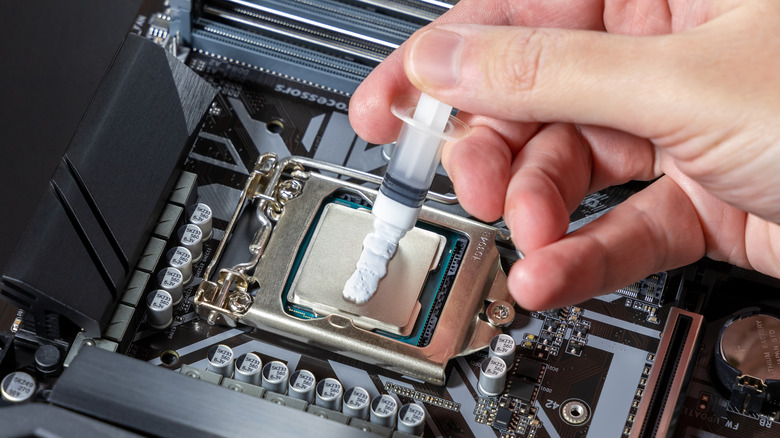
The biggest stressor to your PC is heat, which degrades performance of every component over time. The best thing you can do for your PC's longevity is to make sure it has adequate airflow by properly installing fans and regularly cleaning dust out of the case. Programs like HWiNFO let you monitor your system's temperature — if your CPU rises above 60 degrees Celsius under normal load or above 80 degrees during intensive tasks, it's worth looking into what improvements you can make. These numbers can vary based on the particular CPU, though, so it's best to follow manufacturer recommendations if they're available. If temperatures are high, you should also consider replacing the thermal paste on your CPU, which can last five years or more but eventually becomes less effective at regulating heat.
Overclocking your CPU — increasing its speed beyond the manufacturer's recomendations — can also reduce its lifespan, though usually it will still last until it's obsolete if you've overclocked safely. Other than time and heat, the most likely threat to your CPU is damage from a power surge or a faulty power supply. While rare, these are still more likely than a CPU simply "going bad" with age. It can be difficult to pinpoint exactly which component is failing without going to a professional technician, but with even minimal care, your CPU should keep ticking well past the point when it's time for an upgrade.