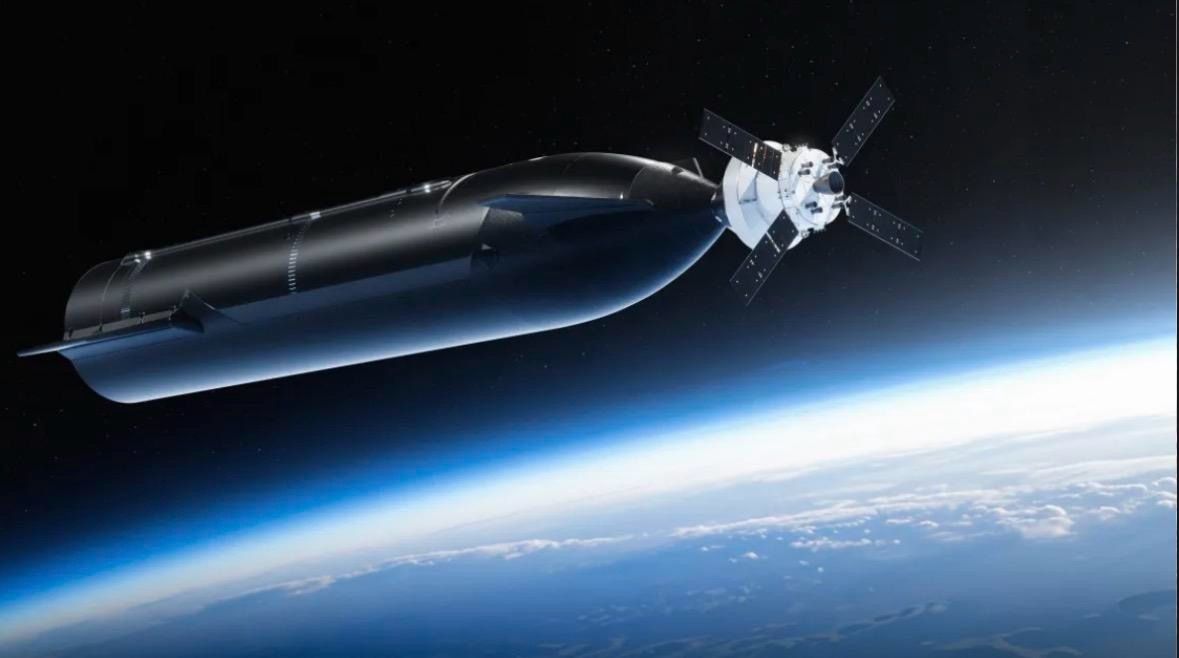
NASA has never flown a mission like Artemis III, and it's shaping up to become one of the most elaborate spaceflights in history.
NASA has provided more details about the Artemis III flight scheduled for next year, and, if all goes according to plan, the objectives the astronauts will be checking off their list will contain more than a few "firsts" for the Artemis program and human spaceflight overall. That includes the first crewed NASA mission to rendezvous and dock with two separate designed to carry crews of their own.
Artemis is NASA's next-generation program to return astronauts to the surface of the moon. Artemis III is designed as a test run for NASA's Orion spacecraft in which it will dock and perform operations with the program's two commercial lunar landers — SpaceX's Starship and Blue Origin's Blue Moon. The mission will launch a crew of four aboard Orion on NASA's Space Launch System (SLS) rocket into Earth orbit, where the capsule will rendezvous with each lander separately over the course of about two weeks. Their success will set the stage for a crewed moon landing on Artemis IV, but NASA must first master the complicated demands of Artemis III in order to confidently set its sights on the lunar surface.
"Artemis III will be a highly choreographed dance with a demanding launch sequence across multiple launch pads and equally demanding mission operations for our ground and flight crews, making it one of the most complex and ambitious missions NASA has ever undertaken," said Artemis Program Manager Jeremy Parsons in a NASA update on July 15.
Only one mission in the course of human spaceflight has flown astronauts to rendezvous with multiple spacecraft capable of supporting crews of their own: Soyuz T-15 in 1986, which launched cosmonaut Leonid Kizim to the Salyut 7 space station, and then flew him to, what was at the time, the Soviet Union's MIR space station.
America's space program has come close to such a milestone. NASA's Gemini 10 mission in 1966 launched NASA astronauts John Young and Michael Collins to rendezvous and dock with the uncrewed Agena 10 probe. After undocking, they flew their Gemini capsule to rendezvous with Agena 8, but did not dock with the probe. Two shuttle missions, STS-72 and STS-51A, also managed to rendezvous with separate satellites during their missions, but none of these required the complex coordination and multiple launch vehicles lined up to pull off Artemis III.
Orion, Blue Moon and Starship are all designed to launch on different rockets from different launch pads at NASA's Kennedy Space Center (KSC) and the Cape Canaveral Space Force Station (CCSFS), which will all require cross-agency and commercial collaboration for range availability, resource use constraints like nitrogen gas availability across the various ranges and the alignment of several other overlapping hierarchies of infrastructure in order to ensure Artemis is successful.
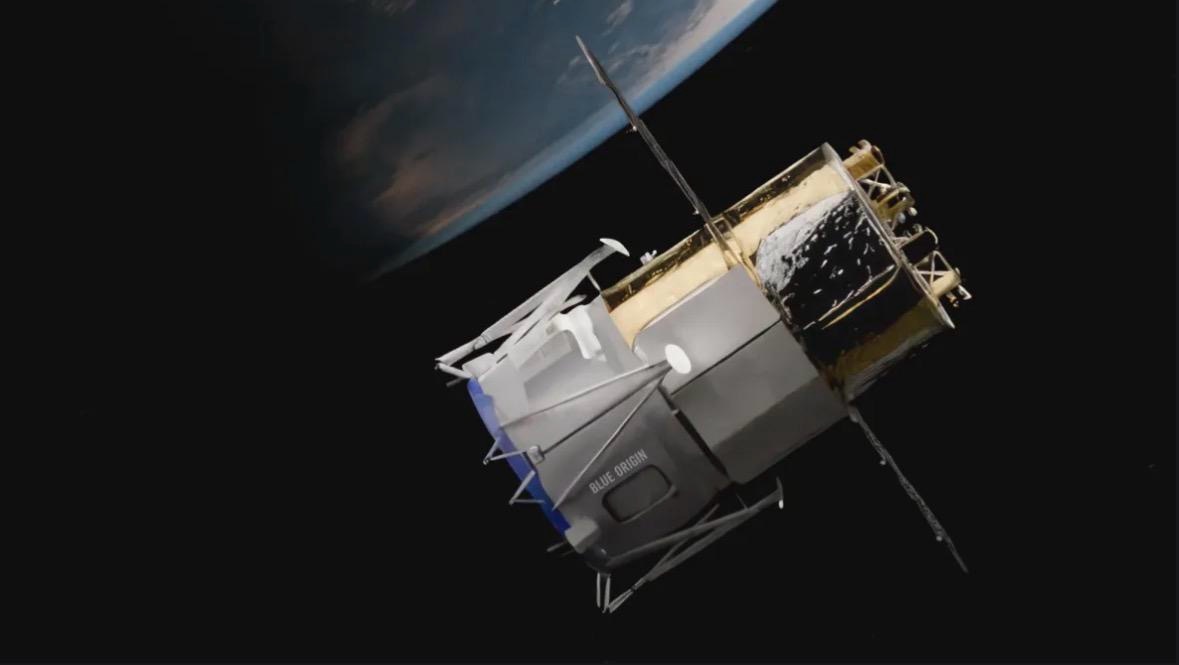
Blue Moon will launch on Blue Origin's New Glenn rocket from Space Launch Complex-36 (SLC-36), which it leases from the Space Force at CCSFS. Blue Moon is the first of the three spacecraft set to make it to orbit, and is capable of remaining in space for up to 30 days, according to the NASA update. That will give Blue Origin and NASA an opportunity to confirm the lander's condition and functionality before committing the Artemis III crew and Orion to launch and join it on orbit.
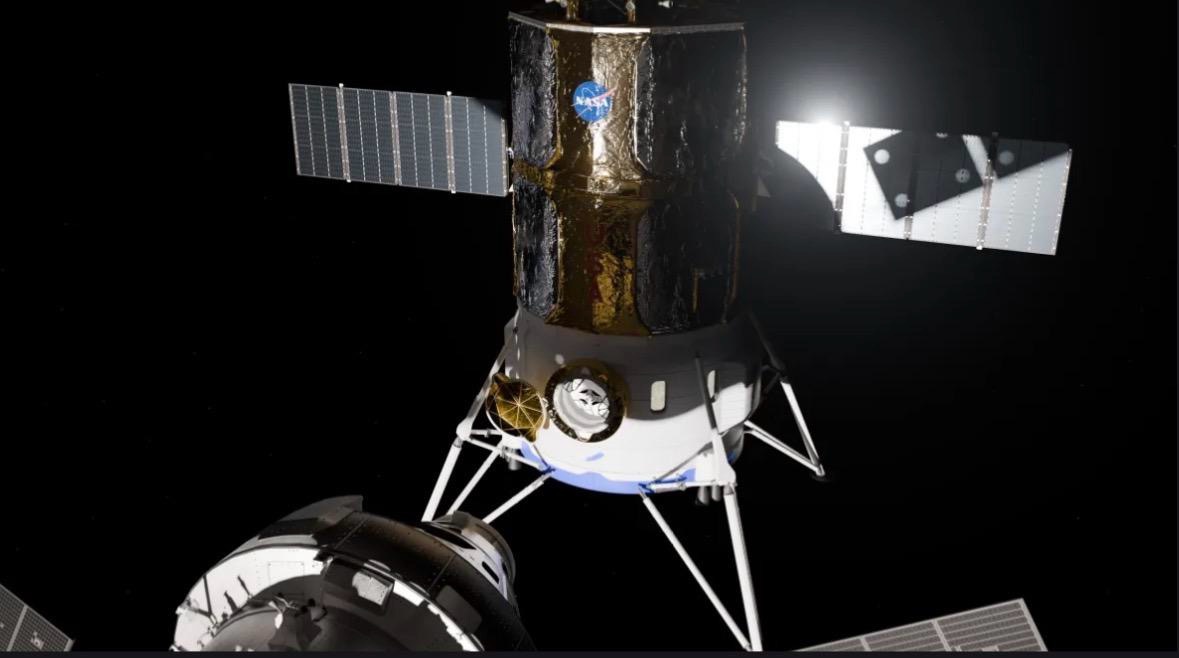
SLS will be next to get off the ground, lifting off from KSC's Launch Complex-39B carrying the Orion spacecraft. Orion will rendezvous with Blue Moon in low Earth orbit (LEO), and will spend about two days docked with the lander. Part of the purpose of Artemis III is to give both lunar lander providers the chance to mature their designs based on actual in-flight data, so neither the Blue Moon nor Starship that fly on the mission will be the spacecrafts' final, landing-capable versions.
Blue Origin will launch the Blue Moon Mark 2 (Mk2), a graduated design of the company's smaller Mk1 cargo lander, which was scheduled to launch a demonstration mission this year. That may be delayed, however, due to an explosion of one of the company's New Glenn rockets during an engine test at SLC-36 in May. With repairs now well underway, Blue Origin CEO Dave Limp has voiced confidence that New Glenn will return to flight by the end of 2026.
Completing that Mk1 mission this year will be just as critical to NASA's moon plans as the launch of Blue Moon Mk2 will be during Artemis III. Among the list of requirements each lander must meet in order for NASA to certify the vehicles to land astronauts on the moon, successfully demonstrating an uncrewed lunar landing is of chief importance.
"SpaceX and Blue Origin have put forward a list of aggressive objectives and goals intended to complement upcoming uncrewed demonstration missions at the moon so that we can gain both understanding and confidence in the spacecraft and launch vehicles prior to a crewed landing," said NASA's Steve Creech, Artemis' Human Landing System program manager, in the mission update.
Once Orion docks with Blue Moon on Artemis III, two of the mission's astronauts will be able to board the lander to test out its environmental control systems, avionics and the interoperability between the two spacecraft in flight. A test article EVA (extravehicular activity) spacesuit designed to mirror what astronauts will wear during future excursions across the lunar surface will launch aboard the Artemis III Blue Moon, and provide engineers data about how the suit will interact within the lander's crew cabin.
Starship won't launch until after Orion and Blue Moon have undocked. SpaceX is currently constructing two Starship towers on Florida's Space Coast, one at KSC's LC-39A, and another at SLC-37, but it's not yet clear which pad will support Artemis III. NASA contracted SpaceX to design a lunar lander version of the spacecraft to deliver astronauts to the surface of the moon on Artemis IV, but SpaceX has that and more in mind for the massive vehicle.
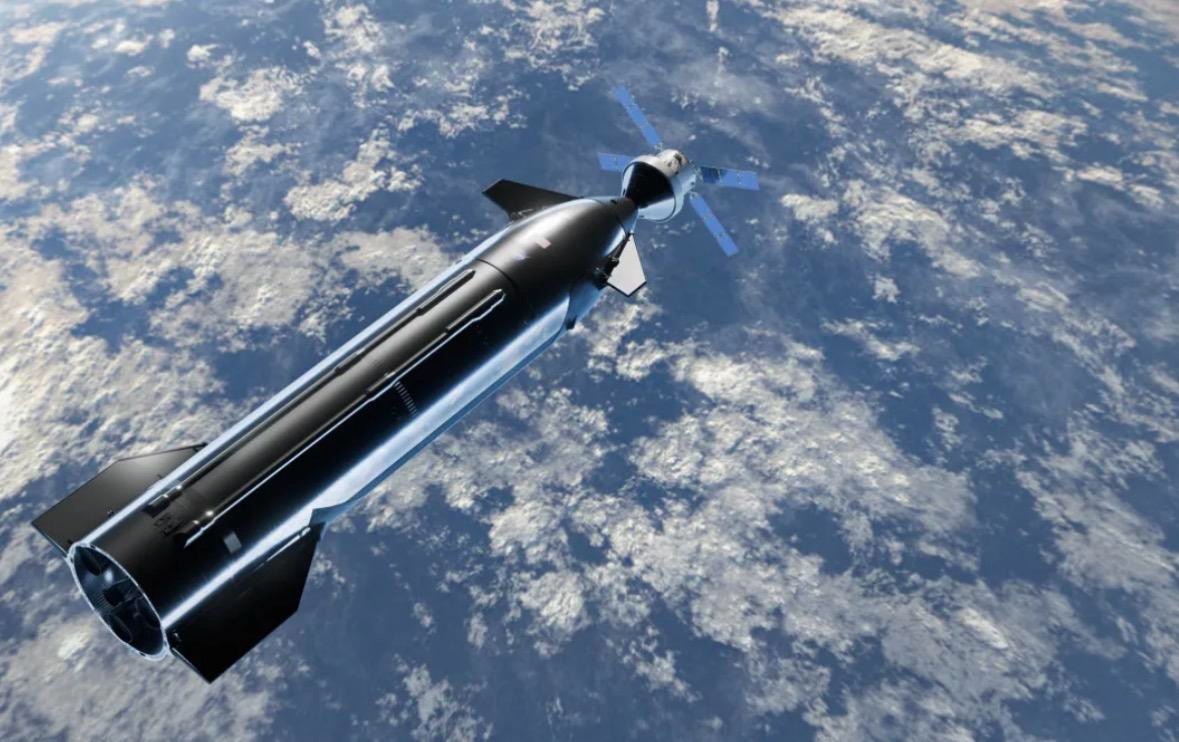
SpaceX has performed test flights of its Super Heavy booster and Ship upper stage, collectively known as Starship, since 2023. The rocket is designed to be fully reusable, and will provide SpaceX a big upgrade from the company's workhorse Falcon 9 rocket. Once operational, SpaceX says Starship will be capable of delivering more than 100 tons to LEO. But SpaceX is still chasing that operational status.
Despite its dozen launches to space, and counting, Starship is still very much in a developmental stage, and has yet to meet many of NASA's requirements to fly a crewed lunar landing. SpaceX introduced the "Version 3" (V3) Starship on its Flight-12 launch in May, and intends to fly the same design when it launches Starship on Artemis III, with a docking adapter for connecting with Orion. For the astronauts, that means no crew cabin to enter. Instead, Orion and Starship will test communications and maneuvering systems between both vehicles.
Starship's V3 upgrade includes hardware that will be needed for an actual moon landing mission, like docking ports to perform propellant transfers in space — Starship requires refueling from tanker Ships on orbit in order to fly beyond LEO, and NASA estimates at least 15 Starship refueling launches will be needed for Artemis IV. Transferring and storing those cryogenic fuels in space is another capability Starship (and Blue Moon) needs to demonstrate before it can perform crewed lunar landings.
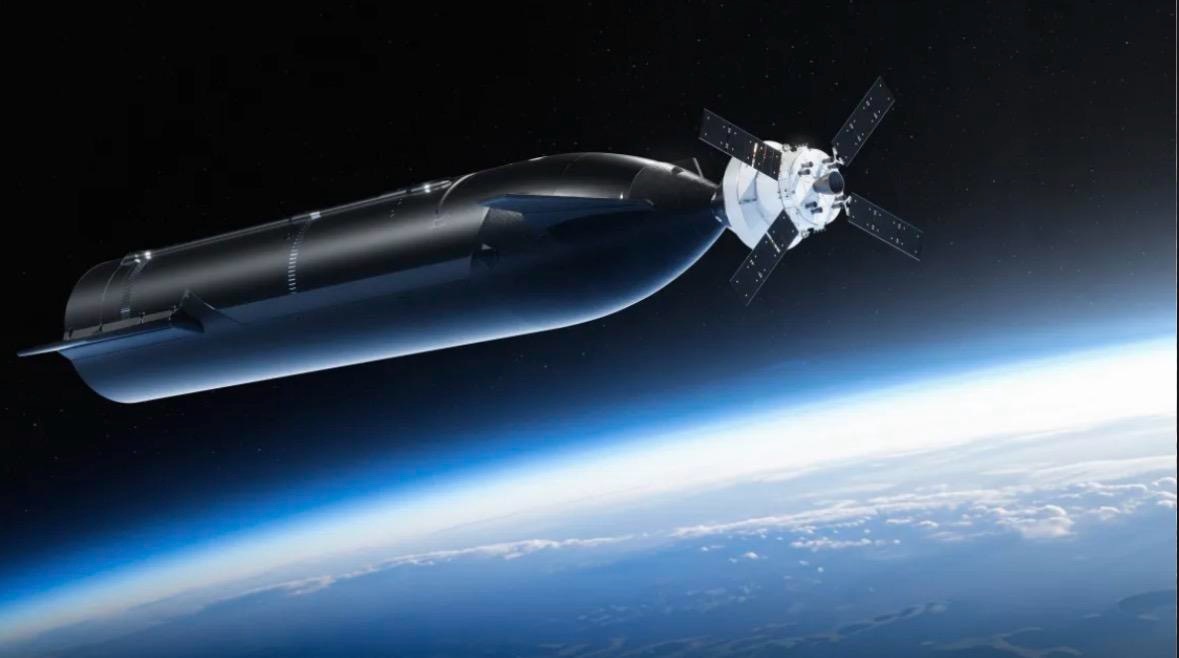
For Artemis III, though, Starship and Blue Moon will each only require one launch to get the job done, and NASA wants to give them ample room to do so. "All three rockets will have more launch opportunities than are available for a lunar mission and will be able to reach the designated mission altitude in a single launch," the NASA update said.
Orion and the Artemis III crew will stay docked with Starship for about a day before detaching to begin preparations for their return to Earth. Similar to the return of Artemis II in April, the Artemis III astronauts will target a parachute-assisted splashdown aboard Orion in the Pacific Ocean, off the United States' West Coast.
Successful operations with both landers on Artemis III would pave the way for NASA's lunar landing plans on Artemis IV, currently scheduled for 2028. Barring any development delays or complications during Artemis III, Starship is the vehicle NASA has selected to carry out the Artemis IV moon landing, the first return of astronauts to the lunar surface in more than half a century.


