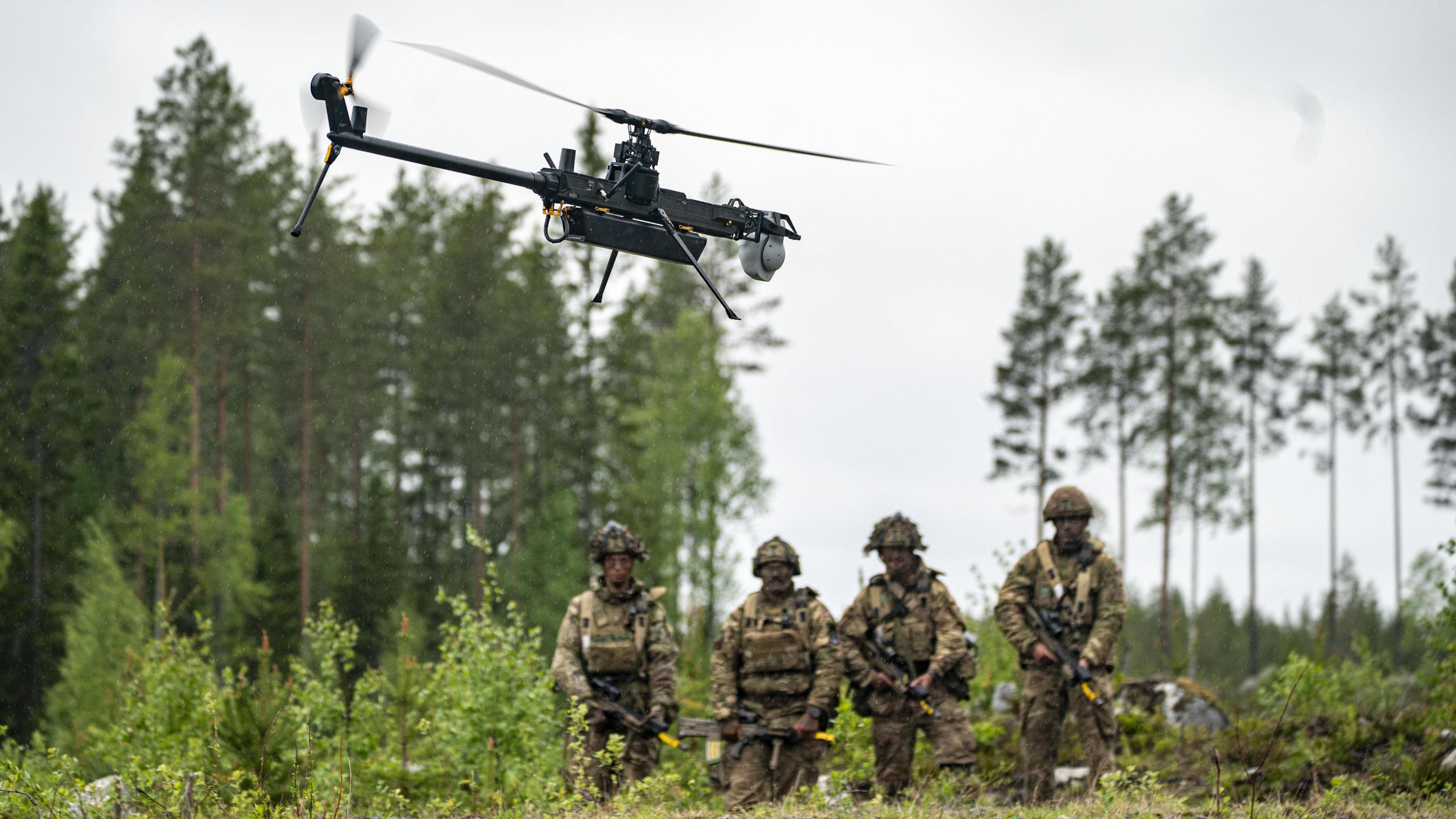
 Image source, PA MediaImage caption,
 The MoD has set our plans to invest in drone technology
ByBrian WheelerPolitical reporter- Published44 minutes ago
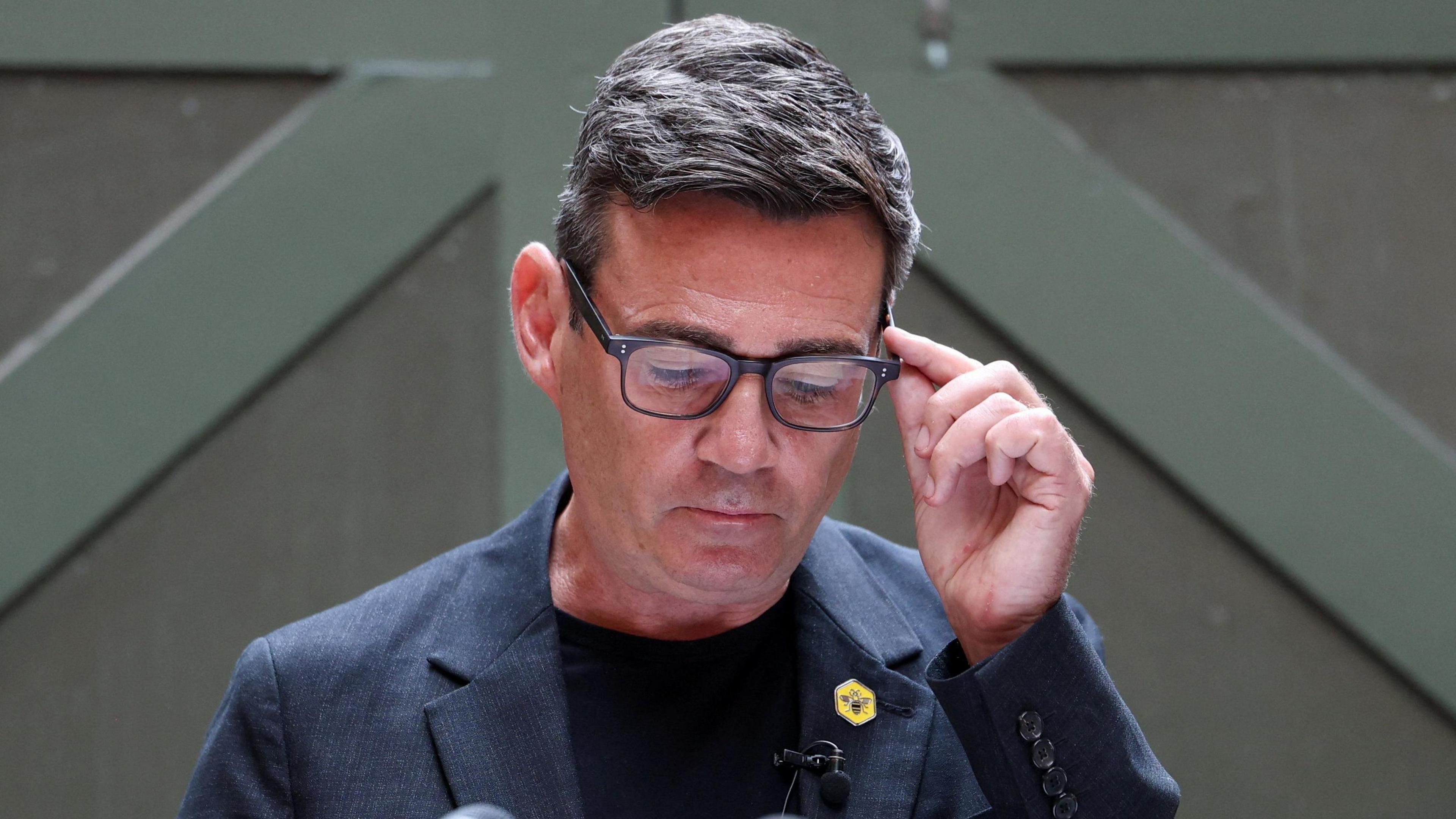
Andy Burnham's government will have to find an extra £4.7bn to fund the defence investment plan announced by the outgoing prime minister, Sir Keir Starmer, a defence minster has said.
Luke Pollard told the BBC the next chancellor "whoever that may be" will have to "find the resources" in their autumn Budget.
In one of his final acts as PM, Sir Keir announced £15bn of spending over the next four years to support a long-awaited plan to boost the UK's defences.
But the Treasury said only £10.3bn in savings had currently been identified, meaning Burnham, who is widely expected to take over as prime minister on 20 July, will have to find the resources to plug the gap.
Pollard told BBC Breakfast: "Just over £4bn will be set out in the autumn Budget.
"Of course, this is pretty standard fare for the government to make an announcement and set out the details at the forthcoming budget.
"The last government did it a number of times."
Burnham is widely expected to replace Rachel Reeves as chancellor if he, as expected, becomes PM, with Energy Secretary Ed Miliband seen as the frontrunner to step into the crucial role.
Pollard said Reeves had set aside more cash for emergencies and "shocks" - known as headroom - in her Budget last November and it would be "up to the next chancellor, whoever that may be, to allocate both the headroom and the resources in the budget this year".
He said he was a "big supporter" of Burnham and hoped he would become prime minister, but also revealed that the former Greater Manchester mayor had only been told about the £4.7bn defence funding gap on Tuesday.
"Downing Street have a close dialogue with Andy's team … I understand they've been keeping him close to the process, and told him yesterday when the Treasury published the statement and the breakdown of the financial costs," he told Sky News.
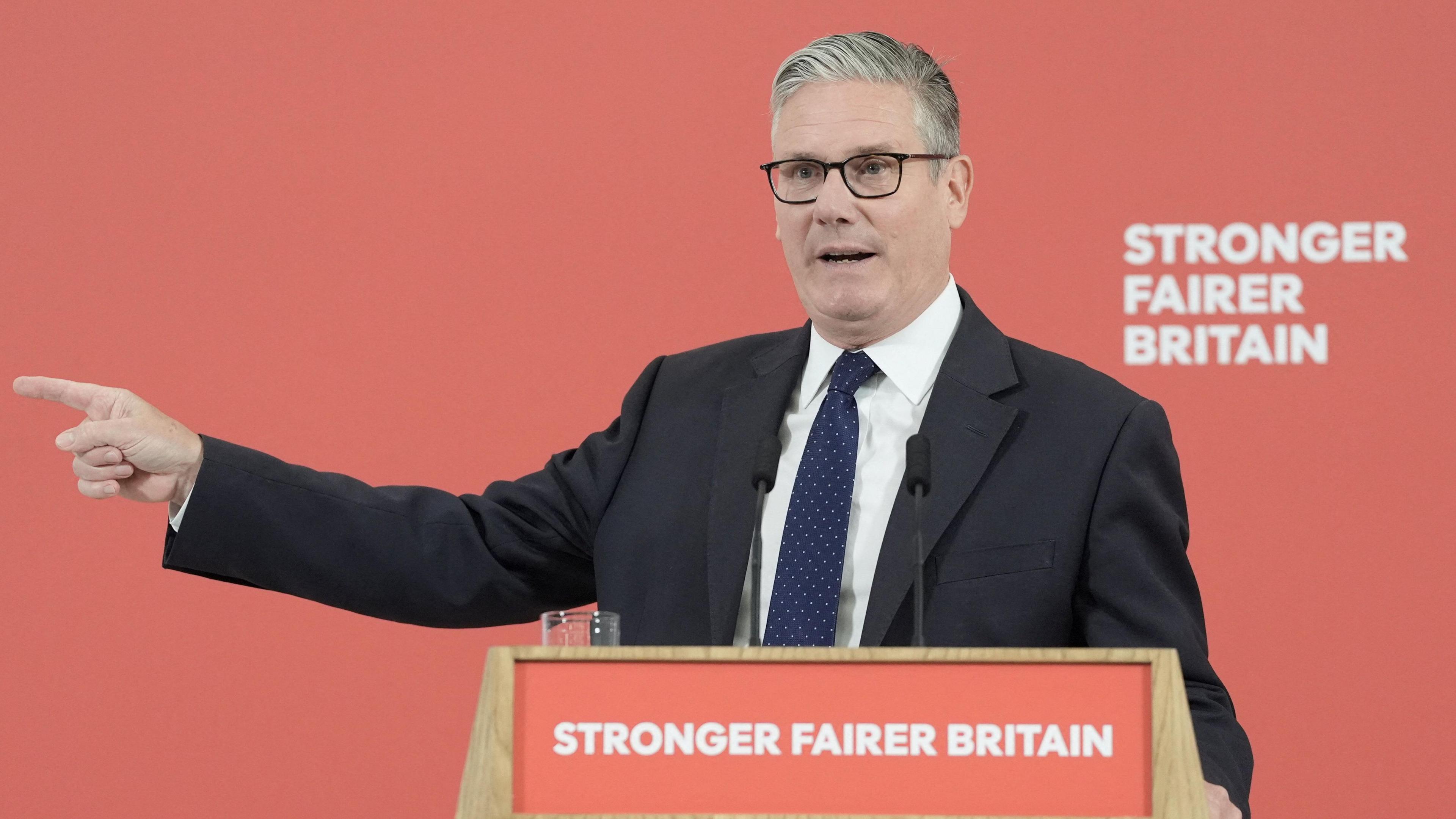
In a speech on Tuesday, Sir Keir said the defence investment plan (DIP), initially expected last autumn, would reverse the "corrosive hollowing out" of the armed forces under the Conservatives.
Under the plans, overall defence spending will rise from 2.6% of national income in 2027 to 2.7%, or nearly £80bn, by 2030.
He said the UK was on track to spend 3% of GDP on defence in the next five-year Parliament - but he did not set a more specific date on this target, something defence chiefs and former Defence Secretary John Healey had called for.
Sir Keir said the DIP would put the UK on track to meet Nato's core defence spending target of 3.5% of GDP by 2035.
The outgoing PM ruled out further borrowing to fund the increase, and instead the money would be found by cutting the long-term investment budgets of other government departments by 1%.
The Department for Transport is making a further £700m in savings from roads projects, with the A38 Derby Junctions and A46 Newark Bypass scheme being considered for cancellation.
The Department for Energy Security and Net Zero (DESNZ) is finding an additional £2bn from its budget. More detailed plans are expected in the autumn.
Related topics
Chris Mason: Starmer's defence plan leaves crunching trade‑offs for Burnham to confront
- Published2 hours ago
Why Starmer's defence plan leaves next PM with £4.7bn headache
- Published2 hours ago
Starmer trims budgets to fund extra £15bn for defence
- Published13 hours ago