 ByTyrese KingBBC Sport journalist
- Published48 minutes ago
Thirty-eight of the 42 teams in Spain's top two divisions will play in retro shirts this weekend to celebrate each club's cultural identity.
The kits will be inspired by iconic looks from the past and pay homage to each club's history and fan traditions.
Only Barcelona, Rayo Vallecano, Getafe and Real Madrid will not take part in the day.
Spanish publication Marca reported, external that Barcelona, Rayo Vallecano, and Getafe will not wear a special jersey because of various logistical reasons but are still involved in the campaign.
Real Madrid are not participating in the initiative at all.
Referees will wear a special kit while the graphics used in television broadcasts will be a throwback to decades past.
There will also be a vintage style of match ball used throughout the weekend's matches.
The kits were unveiled on 19 March at Madrid Fashion Week as part of a collaboration between football and fashion.
La Liga is the first of Europe's five major football leagues to introduce a co-ordinated retro shirt campaign, but other sports such as Australia's National Rugby League and the Australian Football League have held retro rounds.
 Image source, @sharonlopezImage caption,
 The kit that Atletico Madrid, which was founded in 1903, will wear this weekend
Get in touch
Send us your questions
Contact formContact formWhy is La Liga doing this?
La Liga director Jaime Blanco says the occasion is a unique way of tapping into the history and traditions of its clubs.
"It allows us to bring the past into the present while continuing to build experiences and strengthen the legacy that emotionally connects with supporters," he said.
"Presenting this collection during Spain's leading fashion week is the perfect platform to project that identity beyond the field and position soccer at the heart of the cultural and creative conversation," he added.
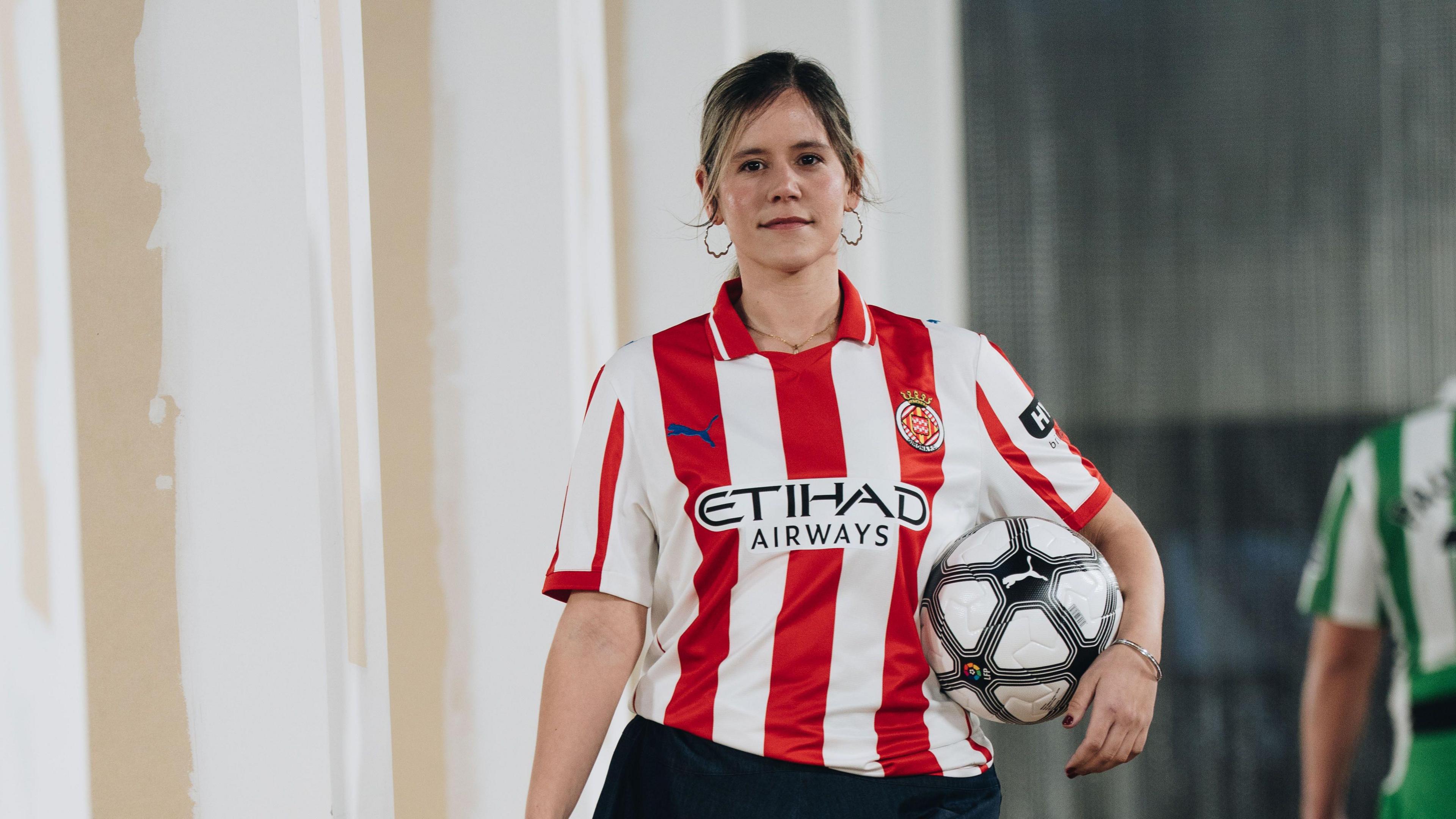 Image source, @sharonlopezImage caption,
 The retro kit of Girona, which is part of the The City Football Group that also includes Premier League side Manchester City's parent company
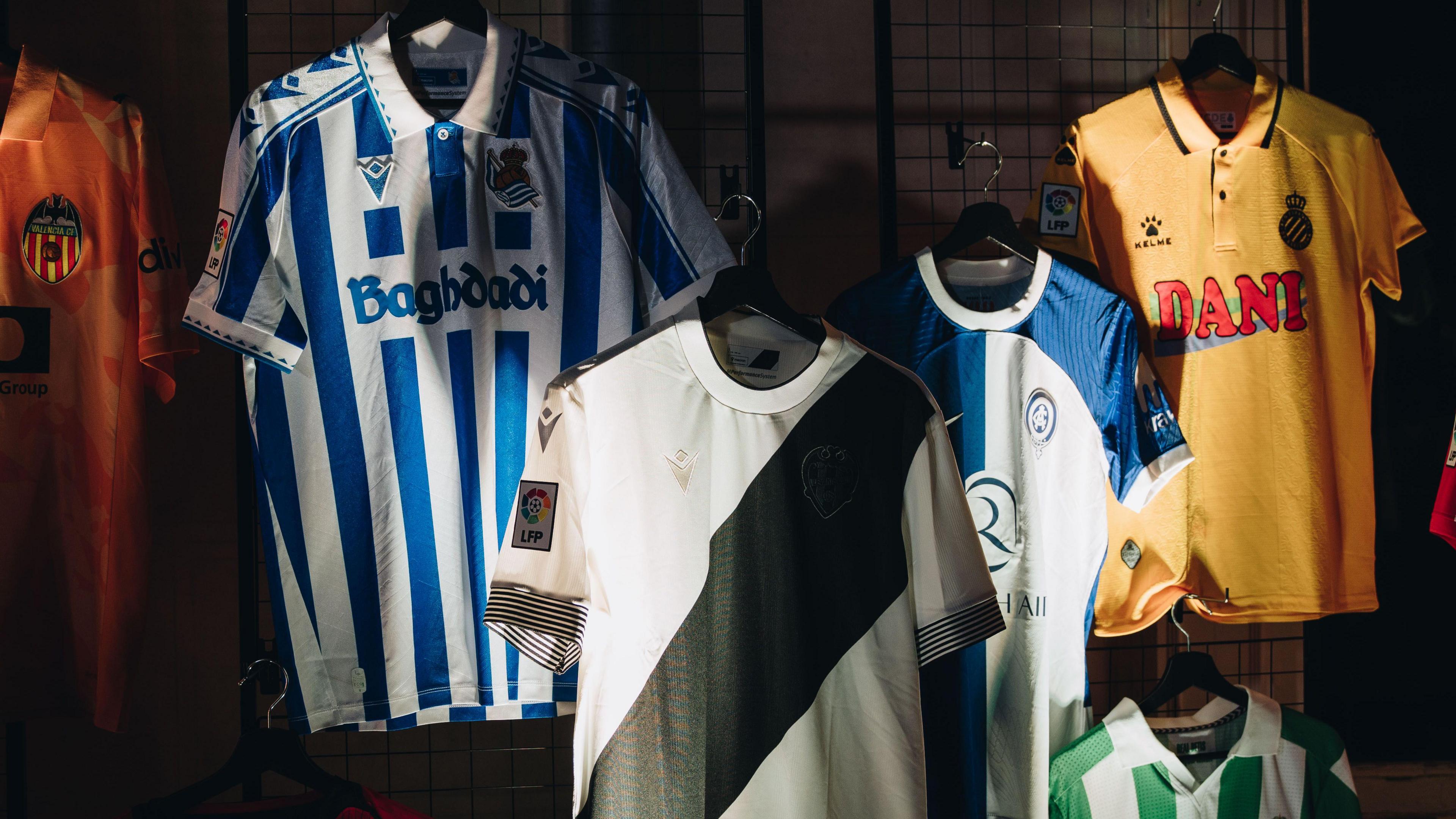 Image source, @sharonlopezImage caption,
 Several retro kits will be on display on La Liga pitches this weekend
Why is football obsessed with nostalgia?
This is not the first time this season that club history has been celebrated by football teams.
Italian club Juventus recently revealed their fourth kit during their 2-0 home defeat to Como, a joint collaboration with Adidas and Studio Sgura that is inspired by a 1996-97 season jersey.
Back in March, Liverpool released a retro jersey collection, which include shirts inspired from as far back as the 1960s as well as their 2005 home shirt, beloved because of its association with the famous Champions League victory in Istanbul.
Arsenal's famous 1991-1992 'banana' kit was reinterpreted for their 2019-20 away kit.
Nike have recently relaunched their T90 collection, and Adidas' 2026 World Cup away jerseys have the Adidas original Trefoil badge on the chest after 36 years, a re-interpretation of the classic '90s look.
The general rise of retro football shirts has been reported to now be a near £40m business empire by the Classic Football Shirts company.
Jordan Clarke, the founder of Footballerfits, an Instagram platform that explores the link between behind football and fashion culture, says it is not just football fans that are obsessed with nostalgia.
"I think nostalgia is something in society not just in football. A lot of people look back fondly at times during their lives, when they were maybe younger, and there was less worry in the world. They look back and dream of returning to those times.
"Football is just a microcosm of how society feels in the world that we are living in nowadays."
There has been some criticism of the Premier League amid claims it has become dull because of time-wasting tactics, VAR intervention, fatigue of players and an emphasis on systems rather than individuals.
"The game has got a bit robotic. It's become a lot different to what we have grown up on, so there is less self-expression within the game, less personality on the pitch, with managers wanting to control every aspect of the game," Clarke said.
"I think that players really seek their self-expression through outside things, like fashion, music, other sports or just culture as a whole.
"For me that rise has come from players seeking alternative routes to express themselves when they can't play like Neymar these days, or they can't do the things that the players they grew up watching were doing."
Footballers at Fashion Week
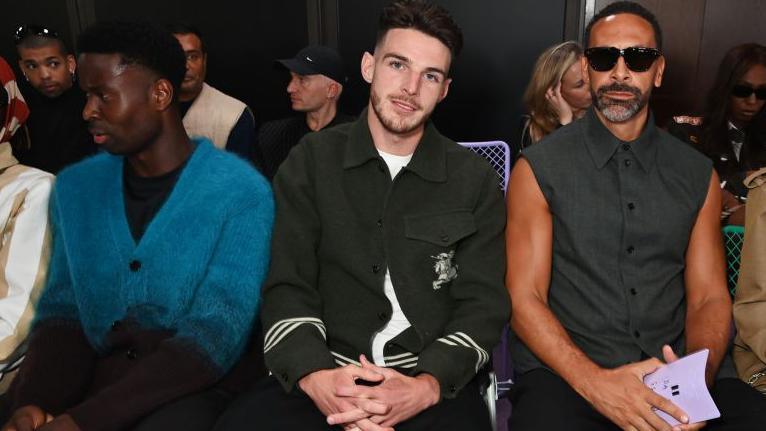 Image source, Getty ImagesImage caption,
 Footballers can often be seen front row at fashion weeks
Footballers have also become a regular staple in fashion weeks.
"I think players are just growing their personal brands more and more, connecting with young fans and young audiences through showing who they are as people first rather than just players," Clarke said.
He believes that footballers seek an identity separate from their profession.
"When you are doing something 9-5 every day, from your academy days, there is a point when players do take interest in things outside of the game, and they want to show that off, and want to be talented in other areas and not be limited by other people telling them they can't do things," he said.
There is also a marketing and promotion element to showcasing hobbies, with commercial opportunities up for grabs with brands.
"You have clubs like Arsenal and Paris St-Germain, who are growing their fan base by appealing to culture, people who aren't football-obsessed, and are more interested in the music and fashion element.
"By tying those together, it makes the club look cooler and therefore brings in more fans. Culture in football is very important for both the club, and the player."
This article is the latest from BBC Sport's Ask Me Anything team.