Some titles can cost over $150.
By Will Shanklin July 12, 2026 2:30 pm EST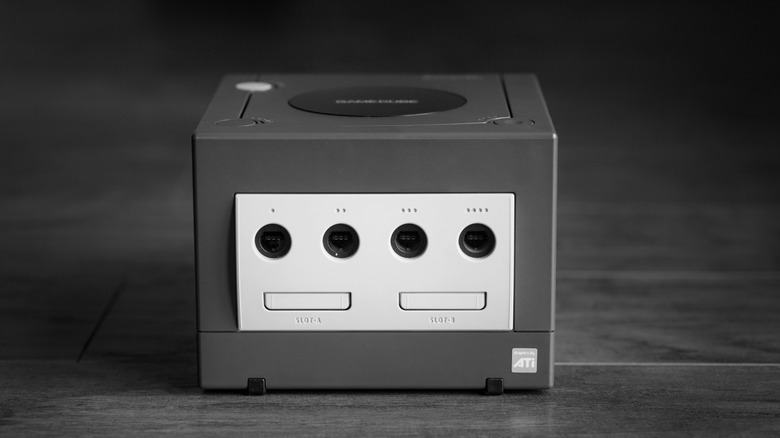 Paweł Durczok / Unsplash
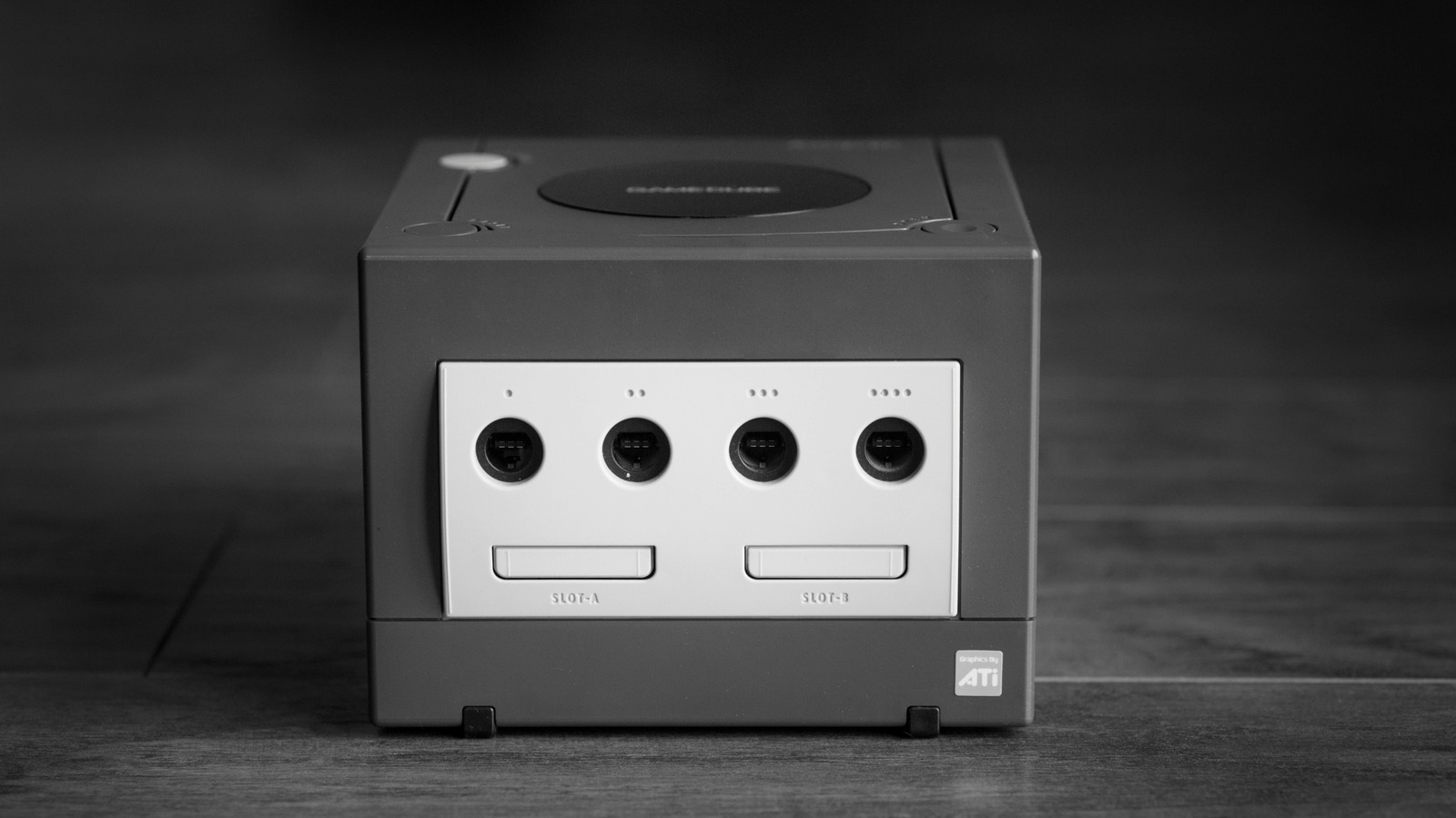
 Walk into a retro game store, and decades of Nintendo history will greet you on the shelves. GameCube games, though, are often missing. And when they do turn up, their prices might give you pause. What's going on here? Well, as you might expect, it comes down to supply and demand.
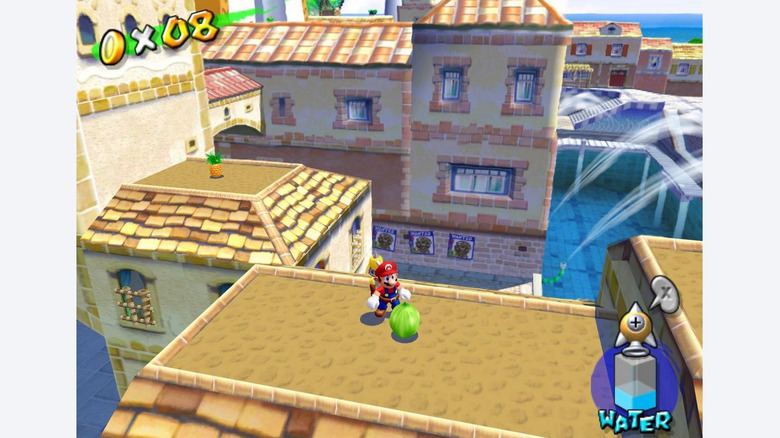
The GameCube has one of Nintendo's deepest and most beloved first-party libraries, with classics like Metroid Prime, The Legend of Zelda: The Wind Waker and Super Smash Bros. Melee. Even Super Mario Sunshine, arguably the weakest mainline Mario title, still has a strong following.
Elsewhere, Luigi's Mansion finally gave Mario's brother his own ghost-hunting spinoff. The console also had the classic RPG Paper Mario: The Thousand-Year Door, the first two Pikmin games and horror classic Eternal Darkness: Sanity's Requiem. There were plenty of cross-platform highlights, including Resident Evil 4 and Beyond Good & Evil. It was a golden era for local multiplayer, too, with games like Super Smash Bros. Melee, Mario Kart: Double Dash!! and four(!) Mario Party entries.
On top of that, the children of the GameCube era are now in their mid-20s to early 40s, a period ripe for nostalgia. Add the "Nintendo tax," the tendency for the company's games to hold their value, and you have a recipe for high demand.
But you could make similar demand arguments for any of Nintendo's classic consoles. After all, the NES, SNES, N64 and Wii each had a rogue's gallery of legendary content. What truly separates the GameCube is the supply side.
The scarcity factor
 Gamestop / Nintendo
 The GameCube's 21.74 million units sold may sound like a lot, especially considering how much smaller the gaming market was then. But it dramatically underperformed compared to its immediate predecessor and successor. The Nintendo 64 sold 32.93 million units. That's a 34 percent dip for the GameCube — despite the home console market being about 75 percent bigger at its launch (after adjusting for inflation). Meanwhile, its successor, the Wii, sold a staggering 101.63 million units, nearly five times as many as the GameCube.
Why the lower sales? First, unlike the PS2 and Xbox, the GameCube didn't play DVDs. (It's hard to believe today, but that was a console-selling feature in the pre-streaming world.) Second, Sony and Microsoft consoles catered more to teens and adults, pushing Nintendo further into the "family-friendly" niche while weakening its third-party support.
Sales figures for the GameCube's tentpole titles reflect that. Super Smash Bros. Melee sold 7.41 million copies, Mario Kart: Double Dash!! moved 6.88 million copies and Super Mario Sunshine sold 5.91 million. Those are significantly lower than the top-selling N64 games, and they absolutely pale in comparison to the most popular Wii titles. (Wii Sports sold nearly 83 million copies!)
The Wii also helped to extend the lifespan of GameCube games. Early versions of the Wii were backward-compatible with GameCube discs, giving its library a new life in the secondhand market (without bringing new copies into circulation). And the platform's discs are more prone to damage than cartridges.
A relative shortage of modern GameCube re-releases hasn't helped, either. For many years, the only (legal) way to play its catalog was with the original discs. In 2025, Nintendo finally began adding some GameCube titles to Switch Online for the Switch 2. But so far, that availability hasn't translated into a significant drop in resale prices.
Some GameCube games are worth more than others
 Cases: GameStop / Layout: Will Shanklin for Engadget
 To be fair, not all GameCube games are crazy expensive. A used copy of Metroid Prime can be had for under $30. Paper Mario: The Thousand-Year Door is only a little pricier, typically between $30 and $50. (Its Switch remake likely contributed to its relatively low price.) Super Mario Sunshine averages roughly $40.
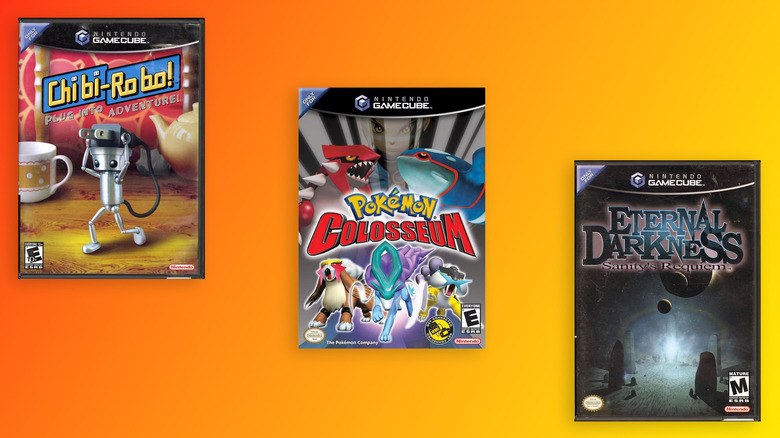
But other flagship titles will cost you more. Super Smash Bros. Melee, Luigi's Mansion and Eternal Darkness can set you back between $50 and $70 each. Mario Kart: Double Dash!! costs around $60 to $70. Some even balloon into three figures, with Pokémon Colosseum or Pokémon XD: Gale of Darkness often going for $150 or more apiece. And if the oddball adventure game Chibi-Robo! is more your speed, expect to fork over $160 to $200.
So, the next time you stop by your local retro game store, know that the staff likely isn't hoarding their GameCube games in the backroom. Nor are they necessarily jacking up prices far beyond market value. It's more about Econ 101: Limited supply and enduring demand have made GameCube collecting a pricier hobby.
_final_web.jpg)

