Google ditched Snapdragon in 2021 to build phones around its own AI silicon.
By Luke James Nov. 15, 2026 9:15 am EST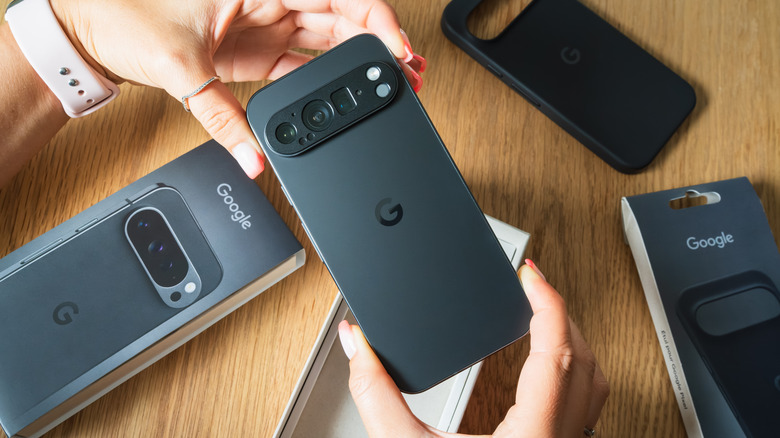 Dmitri T/Shutterstock Add Engadget on Google: Preferred Source Google Discover
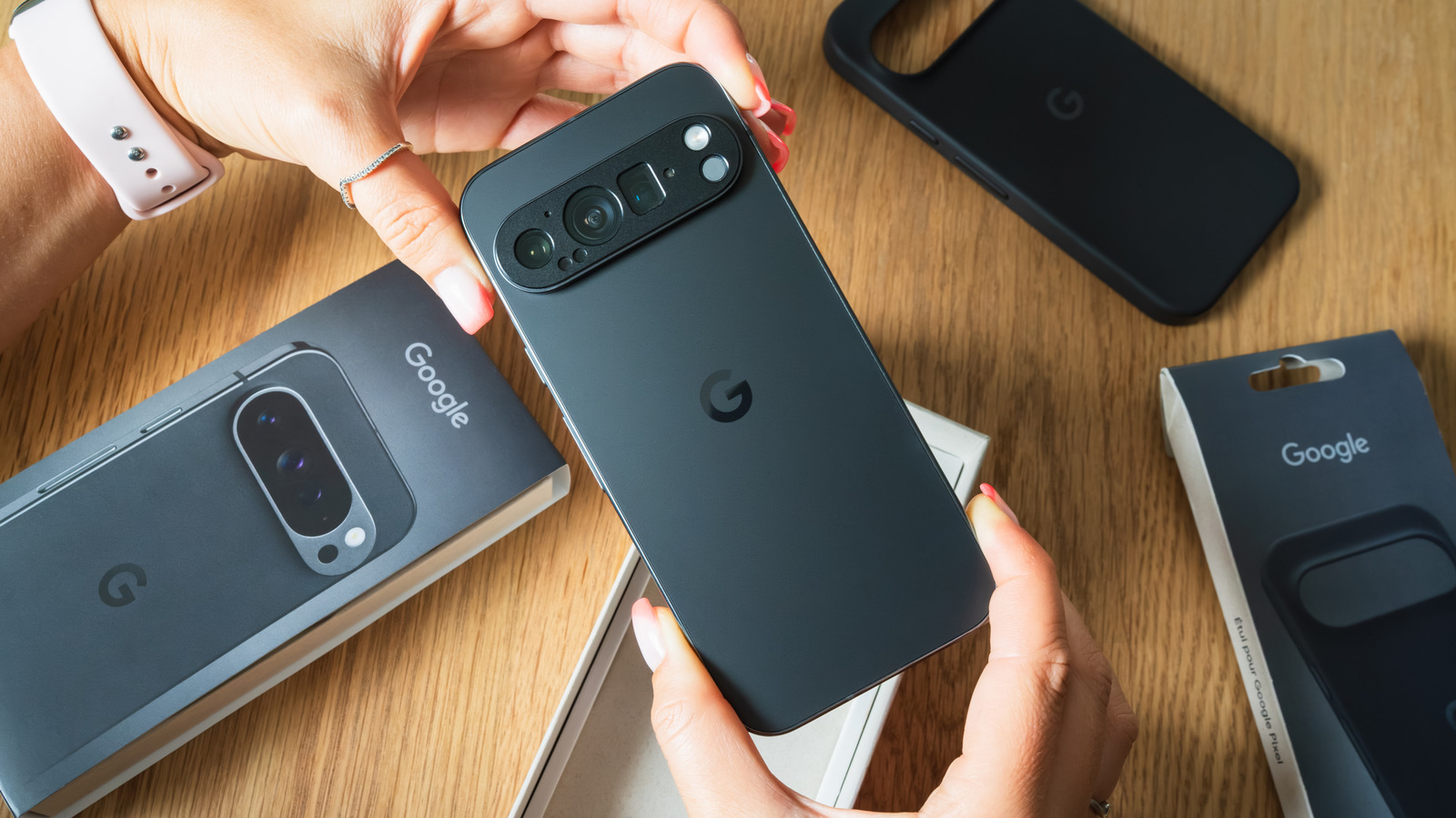
It seems like it was just yesterday when Google dropped Qualcomm's Snapdragon chips and launched the Pixel 6 on its proprietary Tensor platform – but it's not. We've just passed the five(!) year anniversary in October, so what better time than now to look at why Google did it. The decision saw Google swap out the mobile gaming pedigree of Snapdragon in the Pixel 5a for better AI capabilities (like transcribing a rambling voice note) in the Pixel 6 with Tensor silicon shaped around Google's machine learning models.
Tensor spent its first four generations as a heavily reworked Samsung Exynos design. Google only recently moved to a chip of its own base design with last year's Tensor G5, fabricated in Taiwan by TSMC. The Tensor G6 in the new Google Pixel 11 continues that lineage, while the Pixel Watch 5 that launched beside it still carries a Qualcomm chip.
Tensor vs Snapdragon
In August 2021, Google's SVP of Devices and Services, Rick Osterloh, wrote in an announcement that the company had "run into computing limitations that prevented us from fully pursuing our mission" in AI, so it built its own chip. Its centerpiece was the tensor processing unit (TPU), a custom application-specific integrated circuit dedicated to running Google's speech recognition, translation and computational photography models on the phone instead of in the cloud.
Five generations on, the workload has changed but the overarching design hasn't; Google says the Tensor G6 packs 50 percent more TPU compute than the G5. Paired with the latest Gemini Nano model, it also claims up to 3.5 times faster on-device AI tasks that use up to 3.5 times less energy.
Testing by Android Authority measured Qualcomm's Snapdragon 8 Elite at more than twice the Tensor G5's multi-core CPU performance and around 2.5 times its graphics performance. The publication puts this discrepancy down to Google's financial priorities rather than any failures in engineering, but there's no dancing around the fact that a flagship Snapdragon or an Apple A-series chip beats Tensor on things like raw power and sustained gaming loads (and probably battery life under heavy use), and that's been true of every Tensor Pixel since 2021. Google is a services company before it's a silicon specialist after all, and it has accepted deficits in benchmarks as the price of running its Gemini features the way it wants. That's great if you're a Gemini power user, but not so great if you're any other type of power user.
Google hasn't completely left Qualcomm
 FotoField/Shutterstock
The Pixel Watch 5 was announced alongside the Pixel Tag and Pixel 11 series, and runs on Qualcomm's Snapdragon W5 Gen 2. Indeed, the company hasn't yet made any wearable Tensor products and still relies on Qualcomm's silicon wherever it doesn't use its own.
Tensor itself began as a Samsung co-development codenamed Whitechapel. A 2021 analysis of the first chip found that it shared clock management, power management architecture and memory controllers with Samsung's Exynos processors. Samsung was responsible for manufacturing every Tensor through the G4 and supplied the modems, and its processes were blamed for the line's thermal issues and its Exynos modems for the connectivity problems. The Tensor G5 in last year's Pixel 10 was the first one built without Samsung, and the G6 is understood to have swapped the Exynos modem for a MediaTek part. That's according to leaked specifications that have since been partly confirmed, thus removing the last major Samsung part from a platform it helped build.
Qualcomm's flagship phone chips are said to cost manufacturers $240 to $280 per unit in the current Snapdragon 8 Elite Gen 5 generation. That's an increase of $40 to $80 compared to the 8 Gen 3. In designing Tensor, Google has managed to dodge that markup and divert more budget to refining the TPU its AI features are built around. Interestingly, Samsung has gone in the other direction: Its Galaxy S26 Ultra uses that Gen 5 chip across all regions. On top of that, all North American S26 models use Snapdragon. Alas, while the switch from Snapdragon to Tensor didn't make Pixels cheaper than their rivals, it did give Google what it wanted: its own chip roadmap.