The Didier Deschamps era is now almost over. The French manager will lead the national team for a last dance on Saturday in the third-place final of the 2026 World Cup before leaving his job after more than 14 years in charge, as he announced before the start of the tournament. Deschamps will leave the national team after winning one World Cup in 2018 and losing the final of the 2022 edition against Argentina, and also reaching one semifinal this year, but his era is over. With a new manager at the helm, France now begins a new four-year cycle. The squad is expected to look very similar to this summer's, with only a handful of changes. Here's what we can expect from the future of Les Bleus.
A new era: Zidane to take over
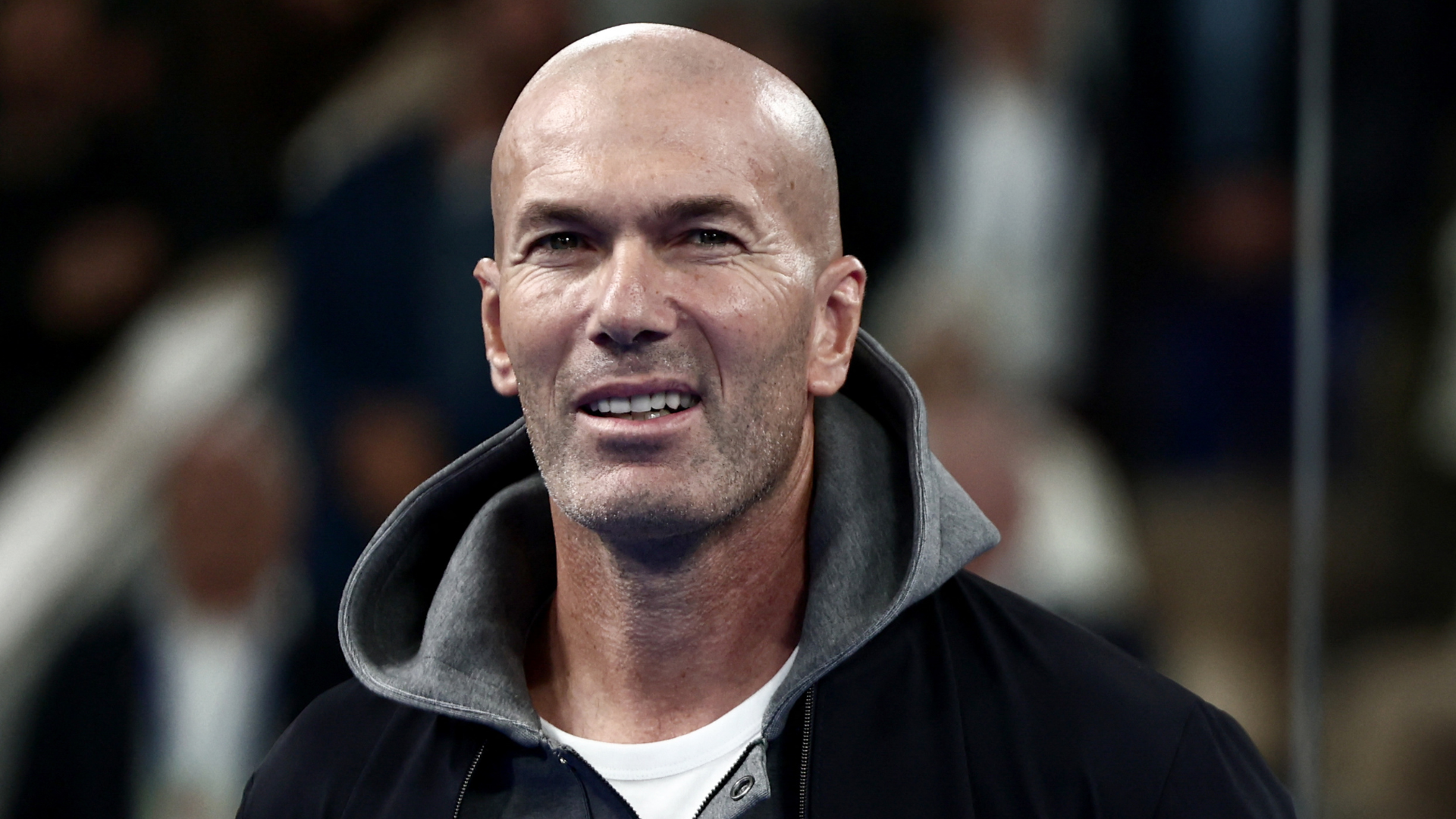
First of all, France will have a new manager after the World Cup, and there is little doubt that Zinedine Zidane will take over following the tournament. The former Real Madrid coach, who won the 1998 World Cup with the French national team, waited years for this job as he was also in contention and in talks in 2022 before Deschamps decided to keep going for another four-year cycle. Zidane's last season as a coach was 2020-21 at Real Madrid and with the Spanish giants he was one of the most successful coaches of all time, becoming the first ever to win three Champions League trophies in a row from 2016 to 2018. After leaving club management, Zidane patiently waited for the opportunity to take charge of the French national team.
His mission will be to lead a new generation of players to another World Cup triumph after France arguably failed to maximize one of the most talented squads in international soccer, winning only one of the last three World Cups despite reaching two finals in eight years and once again the top four in the current edition. Zidane is expected to be officially appointed shortly after the World Cup, with his first matches in charge coming in September during the Nations League. France will face Turkiye, Italy, and Belgium twice in an expanded international window, giving the new manager an immediate opportunity to show his authority on the team.
The next tournaments
Zidane's first cycle in charge of the French national team will be centered around the 2030 World Cup, which is set to be hosted by Morocco, Spain, and Portugal. The tournament could also feature an expanded 64-team format as FIFA considers plans to mark the centenary of the inaugural World Cup in 1930. However, the 2028 UEFA European Championship is much closer on the horizon. Hosted across the United Kingdom and Ireland, it will provide Zidane and France with their first major opportunity to make a statement on the international stage, but which changes should we expect from them?
Roster changes
France's greatest advantage over its rivals is the remarkable depth of its squad, especially considering the players they left at home even in the current World Cup. Zidane's biggest challenge will be finding the right balance between relying on France's established stars and giving opportunities to the country's best emerging talents. Managing a squad of such depth while keeping players fresh and motivated will be crucial to building a successful team. Let's take a look at the 2026 World Cup roster before thinking of who will probably be part of it in the next years under Zidane.
- Goalkeepers: Mike Maignan (AC Milan), Brice Samba (Rennes), Robin Risser (Lens)
- Defenders: Dayot Upamecano (Bayern Munich), William Saliba (Arsenal), Lucas Digne (Aston Villa), Theo Hernandez (Al-Hilal), Lucas Hernandez (PSG), Ibrahima Konaté (Liverpool), Jules Koundé (Barcelona), Malo Gusto (Chelsea), Maxence Lacroix (Crystal Palace)
- Midfielders: N'Golo Kanté (Fenerbahce), Adrien Rabiot (AC Milan), Manu Koné (Roma), Aurélien Tchouaméni (Real Madrid), Warren Zaïre-Emery (PSG)
- Forwards: Maghnes Akliouche (Monaco), Kylian Mbappé (Real Madrid), Ousmane Dembélé (PSG), Michael Olise (Bayern Munich), Désiré Doué (PSG), Bradley Barcola (PSG), Rayan Cherki (Manchester City), Marcus Thuram (Inter Milan), Jean-Philippe Mateta (Crystal Palace)
Of the players who featured at this current tournament, several could be nearing the end of their international careers. Theo Hernandez, Lucas Hernandez, and N'Golo Kante are among those who may no longer be part of the squad by the next major tournament, while younger talents such as Eduardo Camavinga and Leny Yoro are expected to become key figures under Zidane.
Meanwhile, attacking prospects like Rayan Cherki and Desire Doue should enjoy a much more prominent role than they did this summer. Fortunately for France, the attack is unlikely to be a concern given the extraordinary depth of talent available in the final third, and we don't even need to mention the world-class stars like Ousmane Dembele, Michael Olise or Kylian Mbappe who is expected to break the record of goals scored at the World Cup in 2030. Zidane's first squad selections in September will offer an indication of the direction he intends to take. The expectation is that he will make greater use of France's incredible depth through increased rotation, although it is still too early to predict exactly how he will shape the squad over the coming years. For sure, France are in good hands.
Add CBS Sports on Google Join the Conversation comments