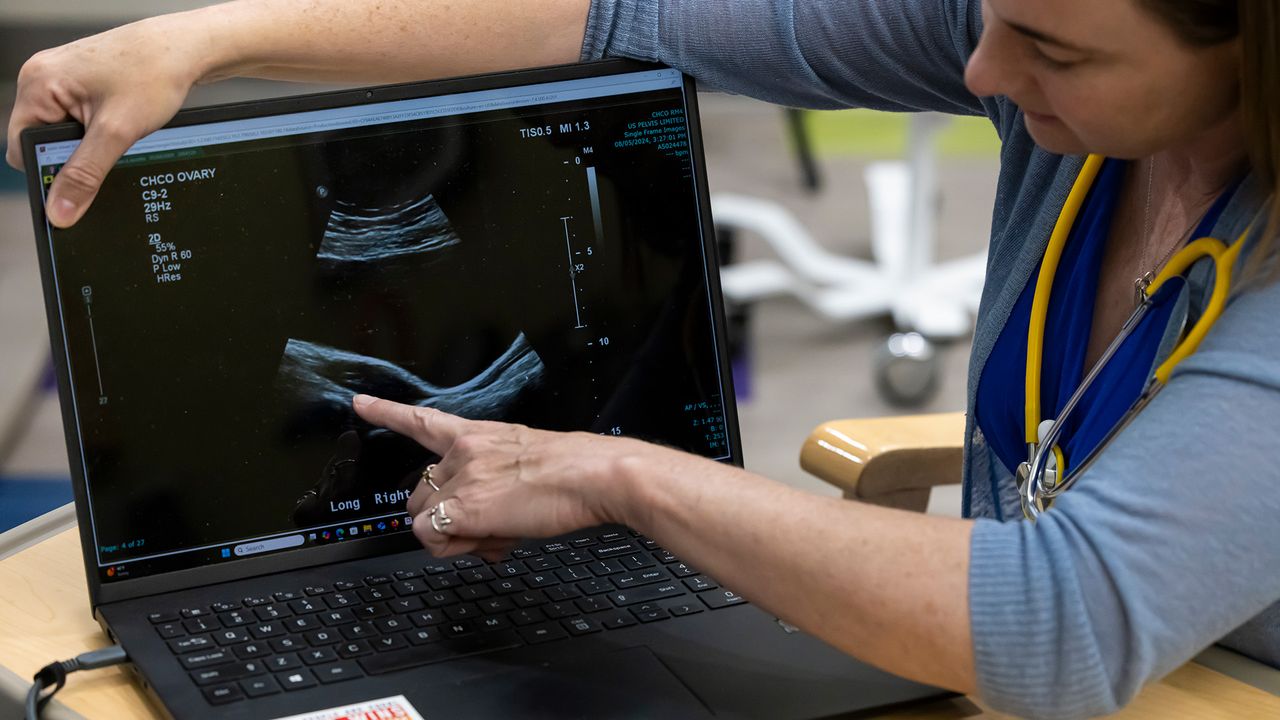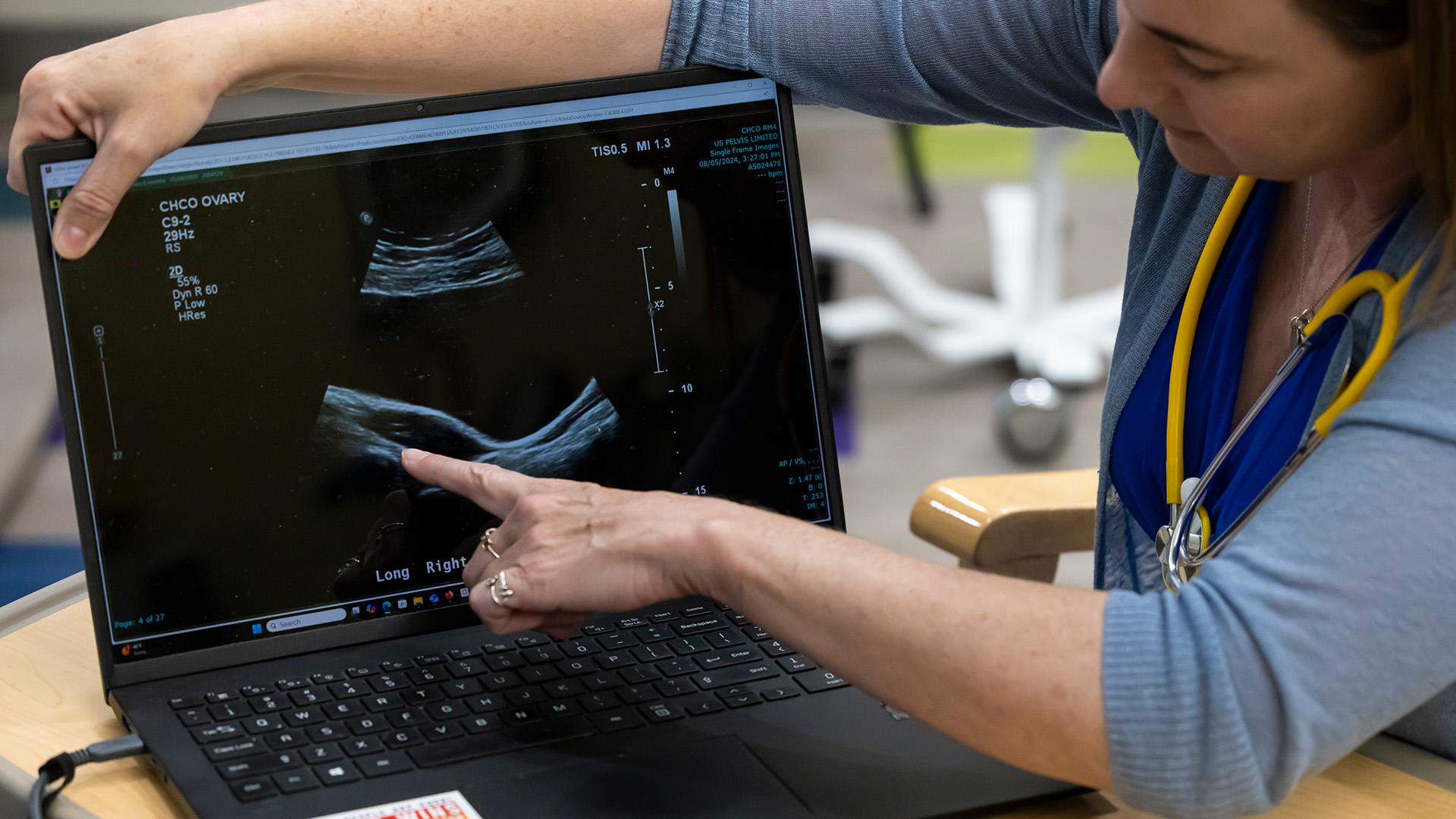
PMOS, formerly PCOS, is often associated with a buildup of underdeveloped eggs in the ovaries. (Image credit: The Washington Post/Getty images)
Share this article Join the conversation
Follow us Add us as a preferred source on Google Newsletter Subscribe to our newsletter
Polyendocrine metabolic ovarian syndrome (PMOS), previously called polycystic ovary syndrome (PCOS), is a common hormonal disorder in females. The condition has wide-ranging effects on the body, affecting metabolism, hair, skin and mental health, and sometimes making it hard to get pregnant, according to the Mayo Clinic.
PMOS affects over 170 million people of reproductive age worldwide, including up to 12% of U.S. women of reproductive age.
PMOS is characterized by high levels of androgens, the group of sex hormones that includes testosterone. It's often associated with resistance to insulin, a hormone that regulates blood sugar. The condition can come with a range of symptoms, including irregular periods, excessive weight gain and hair growth, and acne.
Many individuals with PMOS also have underdeveloped eggs, or "arrested follicles," lining the outer edges of their ovaries, which doctors previously labeled as cysts. However, calling these "cysts" was misleading, as people often thought they were the same as pathological noncancerous ovarian cysts, which can rupture, cause pain or bleed, and sometimes require surgery to treat.
The incorrect focus on so-called polycystic ovaries, which are neither necessary nor sufficient for a diagnosis, was part of the reason PCOS was officially renamed on May 12, 2026.
What causes PMOS?
Scientists don't know the root cause of PMOS, and there is probably more than one, Dr. Marie Menke, a reproductive endocrinologist at University of Michigan Health, told Live Science.
One possible cause is that the ovaries make excess levels of certain sex hormones, including testosterone and anti-Müllerian hormone, Live Science previously reported. This, in turn, may drive many of the other symptoms, so whatever is driving the excessive hormone production may be the key. Why some ovaries produce excess sex hormones, however, is unclear. Efforts to build better laboratory models of the ovaries could reveal the answers to some of these questions.
Sign up for the Live Science daily newsletter now
Get the world’s most fascinating discoveries delivered straight to your inbox.
Contact me with news and offers from other Future brandsReceive email from us on behalf of our trusted partners or sponsorsRELATED STORIES
Obesity and insulin resistance — the body's inability to use insulin effectively — also may play a role in triggering PMOS, although whether these conditions are a cause or consequence of PMOS has been a matter of debate. Other studies have proposed that children who are exposed to high levels of androgens in the womb may go on to have the syndrome.
Genes play a role, too: PMOS tends to run in families, and a person whose family members have PMOS is more likely to develop it. People with a family history of type 2 diabetes are also more likely to develop PMOS, according to the World Health Organization.
PMOS and pregnancy
PMOS symptoms often start in early puberty and some persist through and after menopause. Many people find out they have the condition in their 20s and 30s, if they have trouble becoming pregnant. PMOS can make it difficult to become pregnant without fertility treatment because androgens prevent immature follicles from developing into mature eggs that can be released and develop into an embryo, according to the U.S. Office on Women's Health (OASH).
People who are hoping to get pregnant have a number of treatment options, including fertility medications, such as clomiphene (also known by the brand names Clomid and Serophene); or gonadotropins, such as follicle-stimulating hormone or luteinizing hormone, according to the OASH. Metformin, a type 2 diabetes drug, can also be used to promote ovulation.

Birth control can be helpful for managing some symptoms of PMOS.
(Image credit: Olena Malik via Getty Images)
PMOS symptoms
According to the OASH, PMOS may include these signs and symptoms:
- Infertility: People with PMOS do not ovulate regularly, so they have fewer chances per year to become pregnant
- Infrequent, irregular or absent menstrual periods
- Hirsutism, or increased hair growth on the face, chest, stomach, thumbs or toes, likely caused by excess androgens
- Ovaries that are enlarged or have many arrested follicles
- Acne or oily skin, also likely caused by excess androgens
- Weight gain or obesity
- Male-pattern baldness or thinning hair, another symptom of excess androgens
- Acanthosis nigricans: Thick, dark patches of skin on the neck, arms, breasts or thighs
- Skin tags, which are excess flaps of skin in the armpits or neck area
Diagnosis and tests for PMOS
Diagnosing PMOS can be challenging because symptoms vary a lot, Menke said. And many of them are nonspecific, meaning they're not uniquely tied to PMOS.
To be diagnosed with PMOS, a patient must experience at least two of the three main symptoms described below, Menke said:
- Irregular menstrual cycles: Irregular, infrequent or no periods are caused by a lack of ovulation. For example, someone may have fewer than nine periods a year or have unpredictable periods.
- Higher-than-normal levels of androgens.
- Polycystic ovaries, identified by ultrasound. However, some patients with PMOS have normal-appearing ovaries, and other women with cysts (fluid-filled sacs) on their ovaries may not have PMOS.
Complications of PMOS
PMOS has been linked with a number of other health conditions, including:
- Metabolic syndrome: A group of risk factors for heart disease, stroke and diabetes that is twice as common in people with PMOS than the general population, according to the American Academy of Family Physicians
- Type 2 diabetes: More than half of people with PCOS develop diabetes by age 40, according to the Centers for Disease Control and Prevention
- Cholesterol abnormalities, such as high LDL ("bad") cholesterol and low HDL ("good") cholesterol, which can increase the risk for heart disease
- High blood pressure, which can affect the heart, brain and kidneys
- Sleep apnea, which can cause pauses in breathing during sleep
- Anxiety or depression
- Diabetes or high blood pressure during pregnancy
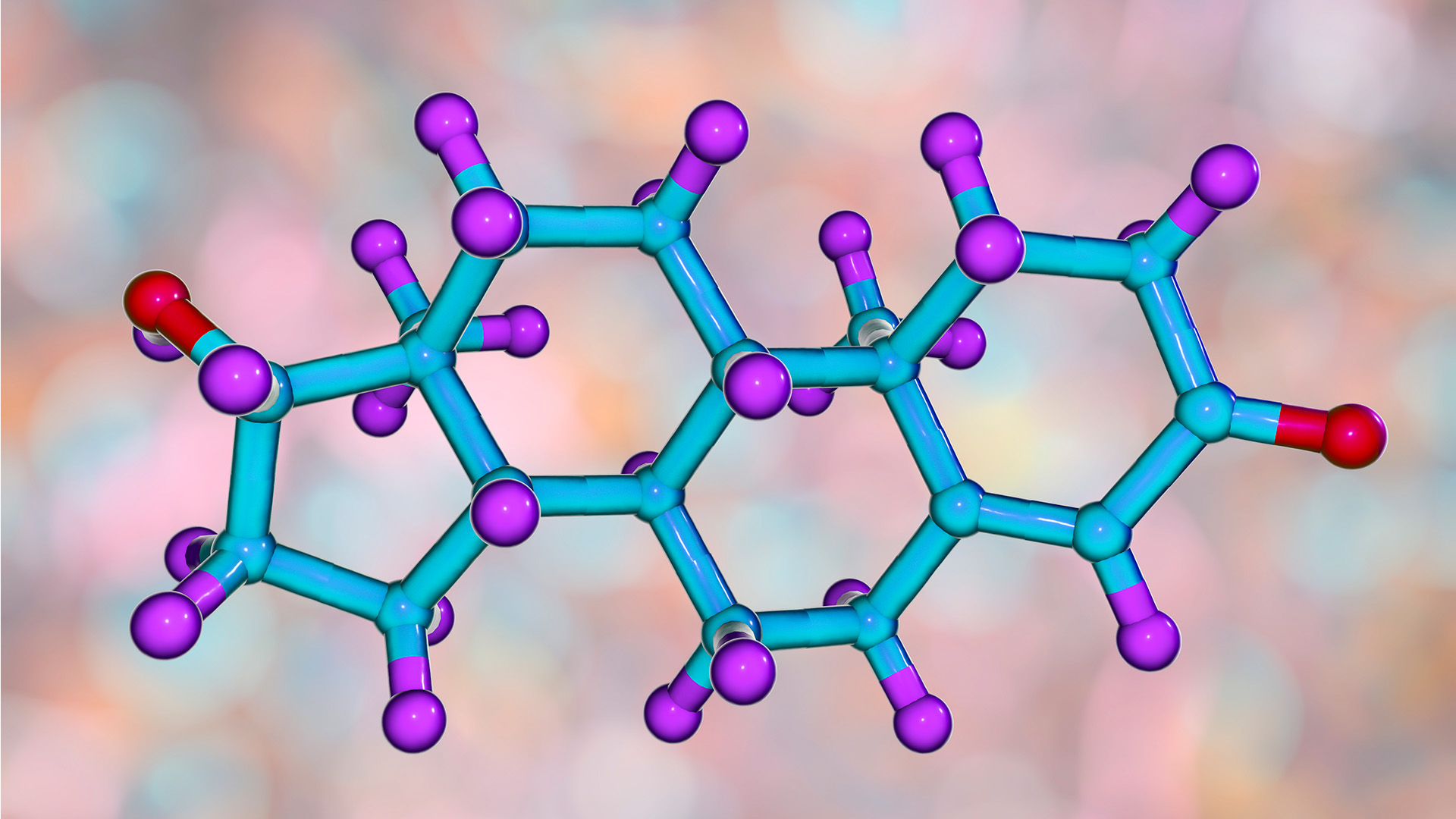
Excessive level of androgens, like testosterone (above), are considered a hallmark of PMOS.
(Image credit: KATERYNA KON/SCIENCE PHOTO LIBRARY via Getty Images)
Treatment and medications for PMOS
It is difficult to treat all of the symptoms of PMOS at once, Menke said, so she typically asks her patients what their primary concern is and then focuses treatment on managing those symptoms first. For example, if someone's main concern is excess hair growth, Menke said she would typically prescribe birth control pills, which can help reduce levels of androgens.
There are treatment options to help manage the symptoms of PMOS, Menke said. According to the Mayo Clinic, treatment options may include the following:
- Birth control pills, which contain either a combination of estrogen and progestin or progestin only, can regulate menstrual cycles, reduce androgen production and help clear acne.
- Progestin hormone replacement therapy can also regulate menstrual periods. (It is not a contraceptive.)
- Fertility medications can stimulate ovulation in PMOS patients who wish to become pregnant.
- Weight-management drugs, such as GPL-1 agonists, which include medicines like Wegovy
- Anti-androgens, such as spironolactone or flutamide
- Diabetes medications, such as metformin, make the body more sensitive to insulin.
- Acne treatments and hair removal therapies, such as laser hair removal or electrolysis
Disclaimer
This article is for informational purposes only and is not meant to offer medical advice.
 Sophie Berdugo
Staff writer
Sophie is a U.K.-based staff writer at Live Science. She covers a wide range of topics, having previously reported on research spanning from bonobo communication to the first water in the universe. Her work has also appeared in outlets including New Scientist, The Observer and BBC Wildlife, and she was shortlisted for the Association of British Science Writers' 2025 "Newcomer of the Year" award for her freelance work at New Scientist. Before becoming a science journalist, she completed a doctorate in evolutionary anthropology from the University of Oxford, where she spent four years looking at why some chimps are better at using tools than others.
View More
You must confirm your public display name before commenting
Please logout and then login again, you will then be prompted to enter your display name.
Logout