Homeowner's associations often contribute to the decline in insect populations by banning native pollinator gardens and mandating perfectly manicured, uniform lawns that require harmful pesticides to maintain. (Image credit: halbergman via Getty Images)
Share this article Join the conversation
Follow us Add us as a preferred source on Google Newsletter Subscribe to our newsletter
There's an army of tiny workers buzzing around our fields, helping our food grow. But over the past few decades, populations of bees and other insect pollinators have dropped precipitously. This looming "insect apocalypse" has many causes, from climate change to habitat loss, and it is already fueling malnutrition in some parts of the world.
One of the biggest factors in bee declines is industrial agriculture. "Big Ag" — with its emphasis on vast fields planted with a single crop, its heavy reliance on powerful pesticides, and its intensive use of commercial bee colonies to pollinate crops like almonds — reduces pollinator populations by killing and disorienting the insects, reducing their natural food sources, and leaving colony bees overworked and, therefore, prone to parasites like Varroa.
But industrial agriculture isn't the only force driving down bee populations. In her new book, "Bitter Honey: Big Ag's Threat to Bees and the Fight to Save Them" (Princeton University Press, 2026), writer and environmental researcher Jennie Durant takes a look at one surprising factor that may be hurting bees — and how new laws could protect these pollinators.
It's midsummer in Columbia, Maryland, and Janet Crouch's garden is in full bloom. It began in spring, when deep purple violets and bright yellow ragwort blossomed in April and early May. By midsummer, pink and purple-hued garden phlox emerged alongside scarlet bee balm, eventually giving way to Turk's cap lilies with their curled-back orange petals that dangle gracefully like bells. Pollinators creep and flutter throughout the garden, including bees and hummingbirds, moths and butterflies — and a host of other birds and insects.
It wasn't always like this. The yard was barren back in 1999, when Janet and her husband, Jeff, first bought their home. A solitary maple stood in the front yard, and a few nonnative barberry bushes flanked the house. Each property had a private lawn, but without fences, the yards blended into a seamless green expanse that bordered a fifty-acre county park forest. Over the years, the couple transformed their lawn into a lush pollinator garden.
Over time, the Crouches' yard became a sanctuary, especially for Jeff, a practicing therapist. "He'd come home from work, drop his keys, and head outside to see who was around," Janet said. "He'd check to see what new flower had bloomed, what butterfly or moth was in the yard, or spot a bird we hadn't seen before. It's become a huge, huge part of our lives." Sometimes, kids would even walk by and take an interest in the garden, and Jeff would pick them a flower.

Jennie Durant
Jennie Durant is a bee researcher, science writer, and the author of "Bitter Honey: Big Ag's Threat to Bees and the Fight to Save Them" (Island/Princeton University Press). She has spent more than a decade working with beekeepers, scientists, and policymakers, including time at the U.S. Department of Agriculture and University of California, at both Davis and Berkeley. Her writing has appeared in Literary Hub, Grist, Glamour, HuffPost, and the "San Francisco Chronicle." She lives in the San Francisco Bay Area with her family. You can read more about her work at www.jenniedurant.com
But everything changed in 2017. The Crouches received a letter from their homeowners association (HOA), which they paid into biannually, that threatened to undo all the work they had poured into their garden. HOAs govern housing communities, from condominium complexes to suburban neighborhoods, and set rules for property maintenance and aesthetic standards.
Sign up for the Live Science daily newsletter now
Get the world’s most fascinating discoveries delivered straight to your inbox.
Contact me with news and offers from other Future brandsReceive email from us on behalf of our trusted partners or sponsors
An elected board of homeowners typically runs the HOA and collects fees to cover shared expenses like landscaping, common areas, and building maintenance. The first letter seemed harmless. It simply asked them to practice seasonal maintenance: mow the grass, trim overgrown plants, and tidy up. The Crouches worked with Janet's sister Nancy — a native plant gardener and advocate — to craft a response, explaining that the lawn was already mowed, and they were gardening ecologically, which meant things might look more natural than the typical lawn-centric yard.
Weeks passed without a reply. Then, just before Thanksgiving, the Crouches received a cease-and-desist notice from the HOA's attorney. They were given ten days to tear out their garden and replace it with turf grass or face legal action. By this point, the Crouches had tended their garden for seventeen years, so the thought of tearing it all out was gut-wrenching.
Instead, they hired an attorney, who argued that they hadn't broken any HOA rules because the community guidelines didn't address the type of garden they'd installed. Despite their tight deadline to get an attorney and craft a response, the Crouches heard nothing from the HOA for six months, leaving them in anxious limbo. When the HOA finally responded, it ignited a legal battle that drew the attention of state legislators and eventually changed Maryland law.
The Crouches were stunned by the HOA's reply: The board didn't just want them to do maintenance, they wanted them to pull out everything, including their pollinator gardens in the front and back. The Crouches were baffled — they'd never had any complaints about their garden until now.
Established in the 1970s, HOAs have a significant footprint in the United States: They govern millions of residential acres and house more than seventy-five million Americans, representing nearly 30 percent of the country's housing stock. HOAs offer a range of benefits for house and condo owners: They enforce rules and community standards; maintain shared amenities like parks, gyms, pools, and clubhouses; and foster a sense of community. Homes in HOA-governed communities often sell at a premium as well.
But the appeal of an HOA home is far from universal. The perks come with restrictions that often stifle a homeowner's freedom to manage their property as they wish. HOA boards can turn authoritarian, sparking conflicts with residents or fueling tensions between neighbors. Sky-high fees can trap homeowners, making it difficult to sell the house or keep up with payments, sometimes leading to legal trouble. It's no surprise that homeowners have mixed feelings about HOAs: A 2024 survey reported that nearly 60 percent of members had a negative view of their HOA.
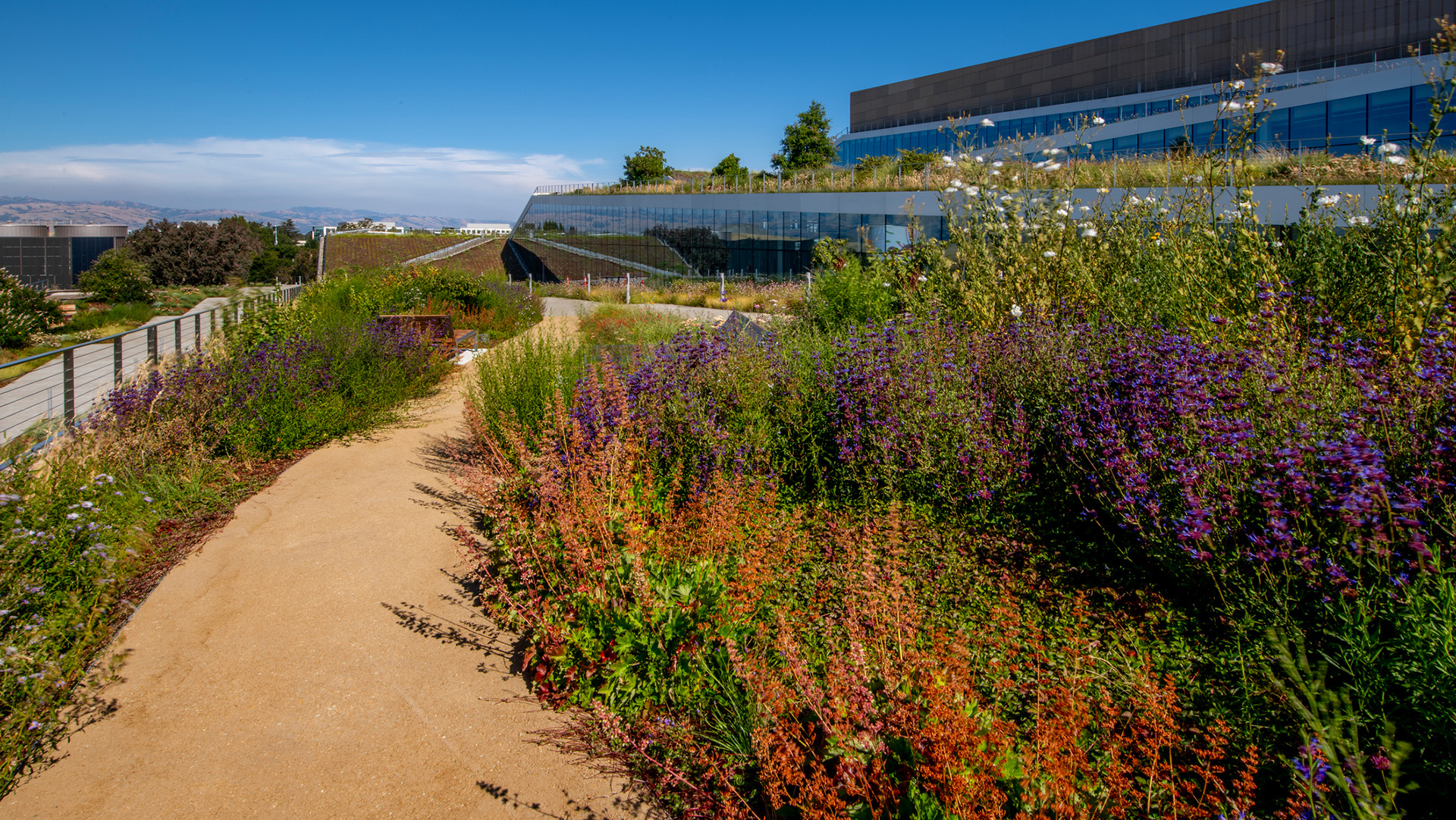
Pollinator gardens can help support populations of bees and other insects that are essential to our food supply.
(Image credit: alacatr via Getty Images)
While overtly abusive HOAs have made the news, their role in stifling pollinator gardens is less understood. It comes down to aesthetics: Many HOAs mandate manicured lawns and turf grass and dismiss pollinator gardens or wildflower meadows as messy, unruly, or unattractive. They tend to favor nonnative ornamental plants over native species to maintain a uniform, tidy look. The ornamentals are often chosen to match a landscaping style, signal status (nothing says wealth like a perfect row of hydrangeas), or simply because they're easier for the HOA's landscaping company to maintain.
But that manicured perfection comes at a cost. For pollinators, the mowed lawn is a food desert. Regular mowing prevents weeds like dandelions and clover from flowering and providing food. Lawns also replace diverse landscapes filled with wildflowers, shrubs, and native plants — the forage that pollinators evolved with over thousands of years and rely on for survival.
Lawns don't just deprive pollinators of food; they also eliminate their homes. More than 70 percent of native bee species nest in the ground, but manicured turf prevents bees from finding the loose, sandy soil they need to burrow. Mowing and trimming tall grass also strips away shelter for insects like butterflies and beetles. In pursuit of neatness, homeowners typically remove brush piles, leaf litter, tall grasses, or fallen logs — spaces pollinators might use as nests. Neighborhoods dominated by lawns fragment forage corridors and force pollinators to travel greater distances to find food, making survival even harder.
The pursuit of a pristine lawn also involves an arsenal of chemicals. Many of the same bee-toxic substances used in industrial agriculture — like neonics, organophosphates, and carbamates — are also sprayed on home lawns, gardens, and HOA common spaces. These chemicals affect plants, seep into the soil, and disrupt ecosystems. Healthy soil supports wild plants, insects, and fungi that benefit pollinators, but chemical lawn treatments can kill those beneficial insects and degrade soil health.
The Crouches received not only a cease-and-desist notice from their HOA but also threatening letters warning them not to garden in ways that might attract birds, as if birds were some kind of nuisance.
They soon discovered the HOA's attacks were driven by a complaint from their next-door neighbor. Instead of complaining to the Crouches directly so they could find a solution, he'd gone straight to the HOA. In September 2018, the Crouches and their neighbor had a contentious hearing before the HOA board, where the HOA's attorney argued that landscaping should only be for decoration, not wildlife habitat.
Many more months went by without a resolution, and then in 2019, the legal fight began in earnest. The Crouches sued the HOA board in August, citing a lack of actual violations, and the HOA countersued in November.
For many, this kind of fight might have soured the gardening experience altogether. But for Janet and Jeff, it only reinforced what they already knew: Their garden was about more than just aesthetics. It was a space of purpose, resilience, and joy. This helped fuel them throughout their ordeal.
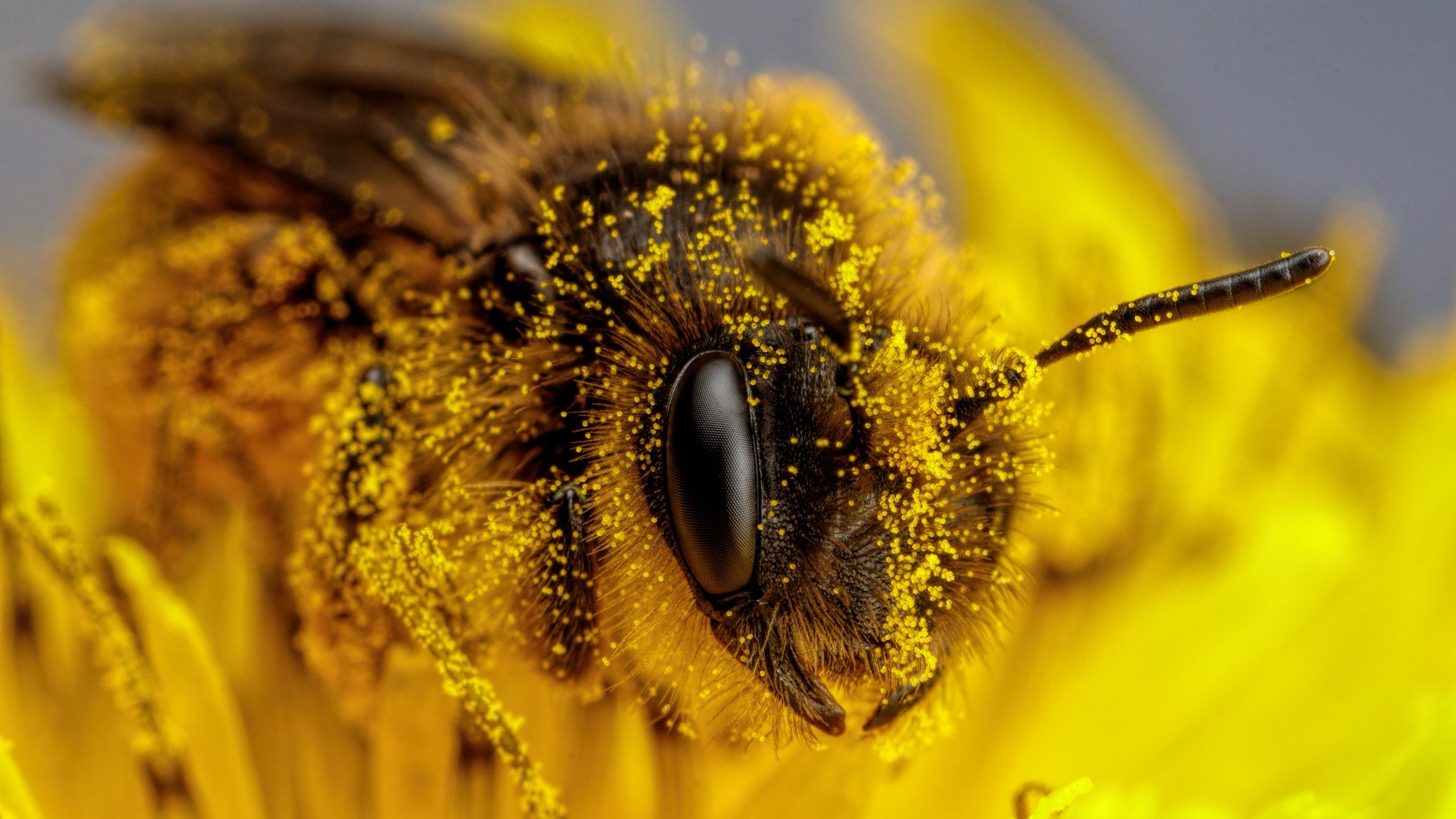
Bees thrive when they feed on pollen from native plants and flowers, but homeowners' associations often ban pollinator gardens or any plants that attract birds.
(Image credit: John Kimbler / 500px via Getty Images)
The months that followed were rife with anxiety. As the lawsuit progressed into 2020, people drove by and took photographs of their lawn and garden, which made Janet feel exposed and overwhelmed. But still, it didn't deter them. "I don't like bullies, and we were being bullied in our own home," Janet said. "I just kept thinking about all the people who didn't have the capacity or resources I did, like my sister, who could provide suggestions and be an ear. I was more determined than ever to keep going."
Janet cast a wide net for support, turning to social media, local newspapers — anyone who could offer ideas or help spread the word. She attended environmental events to share her story and discuss the legal battle with her HOA.
Then, in October 2019, things started to turn in their favor. They got a call from Mary Catherine Cochran, the legislative assistant to their state representative, Terri Hill. Mary Catherine had an idea: Would Janet be interested in helping craft a law to stop HOAs from requiring turf grass lawns? By January of 2020, just months before the pandemic shut everything down, Nancy and several environmental groups joined Janet in Annapolis to provide testimony. The pandemic delayed their progress, but the bill eventually moved through both houses with overwhelming support — only two people voted against it.
On October 1, 2021, Maryland House Bill 332 was passed into law. Thanks to the bill, Maryland HOAs can no longer prohibit low impact landscaping, including pollinator gardens, rain gardens, and other environmentally beneficial practices. It was a massive victory for native plant and pollinator advocates throughout the state, and homeowners who hope to follow in the Crouches' footsteps.
The Maryland law set a precedent for other states as well: Maine passed a similar law in 2023 to create habitat for wildlife and pollinators by protecting low-impact landscaping. Illinois enacted the Garden Act in 2022 to support local gardens, followed by a Homeowners Native Landscaping Act in 2024 to allow gardeners in HOAs to plant native gardens.
The Maryland law's passage didn't happen in time to help the Crouches, who chose to settle with the HOA in December of 2020 rather than take the case to trial. Fortunately, the only concession they had to make — in addition to a jaw-dropping $60,000 in attorney's fees — was to keep their garden within a six-foot setback from the front property line and three feet from the neighbor's, the latter of which they'd already done.
Now that Janet and Jeff's battle is over, they can enjoy their yard and extend their efforts beyond their neighborhood. But their story highlights a simple truth: Individual actions can sometimes drive systemic change.
As the Crouches have shown, anyone, whether they have a sprawling yard, a small patch of land, or just a balcony, can take steps to support pollinators. A single garden might feel insignificant but small changes can rewrite laws, shift local norms, and transform ecosystems. If we rethink what a garden can be, we open the door to new possibilities — not just for pollinators, but for our landscapes and our connection to the natural world.
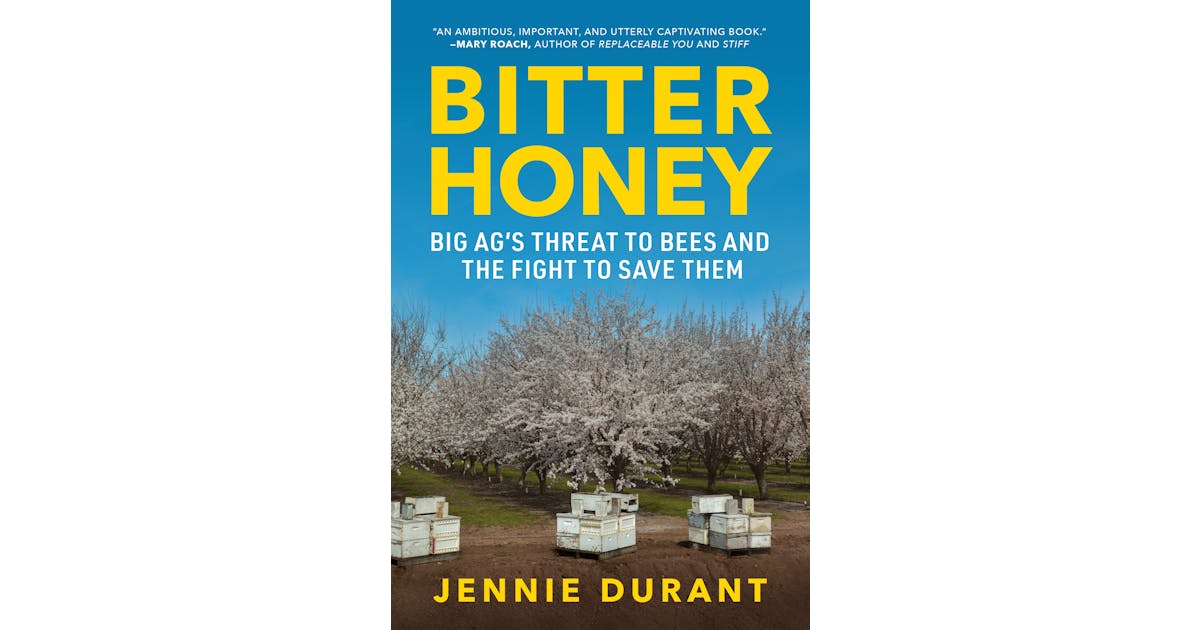
Bitter Honey
In "Bitter Honey," Jennie Durant takes readers behind the scenes to reveal the human and ecological cost of industrial farming for bees, beekeepers, and all of us who depend on them. Bees today face a gauntlet of threats: parasites and disease, pesticide exposure, and climate extremes—all magnified by Big Ag. Beekeepers, meanwhile, endure grueling practices just to survive, often losing half their hives each year.
TOPICS
Jennie DurantJennie Durant is a bee researcher, science writer, and the author of "Bitter Honey: Big Ag's Threat to Bees and the Fight to Save Them" (Island/Princeton University Press, 2026). She has spent more than a decade working with beekeepers, scientists, and policymakers, including time at the U.S. Department of Agriculture and University of California, at both Davis and Berkeley. Her writing has appeared in Literary Hub, Grist, Glamour, HuffPost, and the San Francisco Chronicle. She lives in the San Francisco Bay Area with her family.
View More
You must confirm your public display name before commenting
Please logout and then login again, you will then be prompted to enter your display name.
Logout