ZWO is well known for its Seestar smart telescopes but they also make dedicated astronomy cameras for use with telescopes to get highly detailed astrophotography. We have reviewed three of these ZWO astrocams and they have delivered beautiful images of the different objects.
The color cameras like the ZWO ASI183MC Pro and ZWO ASI533MC Pro have delivered beautiful colored detail in galaxies and nebulas, whereas the monochrome ZWO ASI175 mono delivered exceptional solar photography.
Explore the ZWO range on sale at B&H Photo and Video, with the ZWO ASI183MC Pro, ASI153MC Pro and ASI175 mono astronomy cameras 10% off.
An astronomy camera has only one job: To be good at astrophotography, nothing else. They are essentially just camera sensors but full of features that only benefit astro. It has active cooling for reducing image noise, no infrared (IR) cut filter to allow nebula colors in Hydrogen-alpha to be captured and a range of different things that sharpen every aspect of image capture during astrophotography. If you want to start using an astrocam, you will need optics to use with your astrocam, so grabbing a telescope or a special astrophotography telescope is essential.
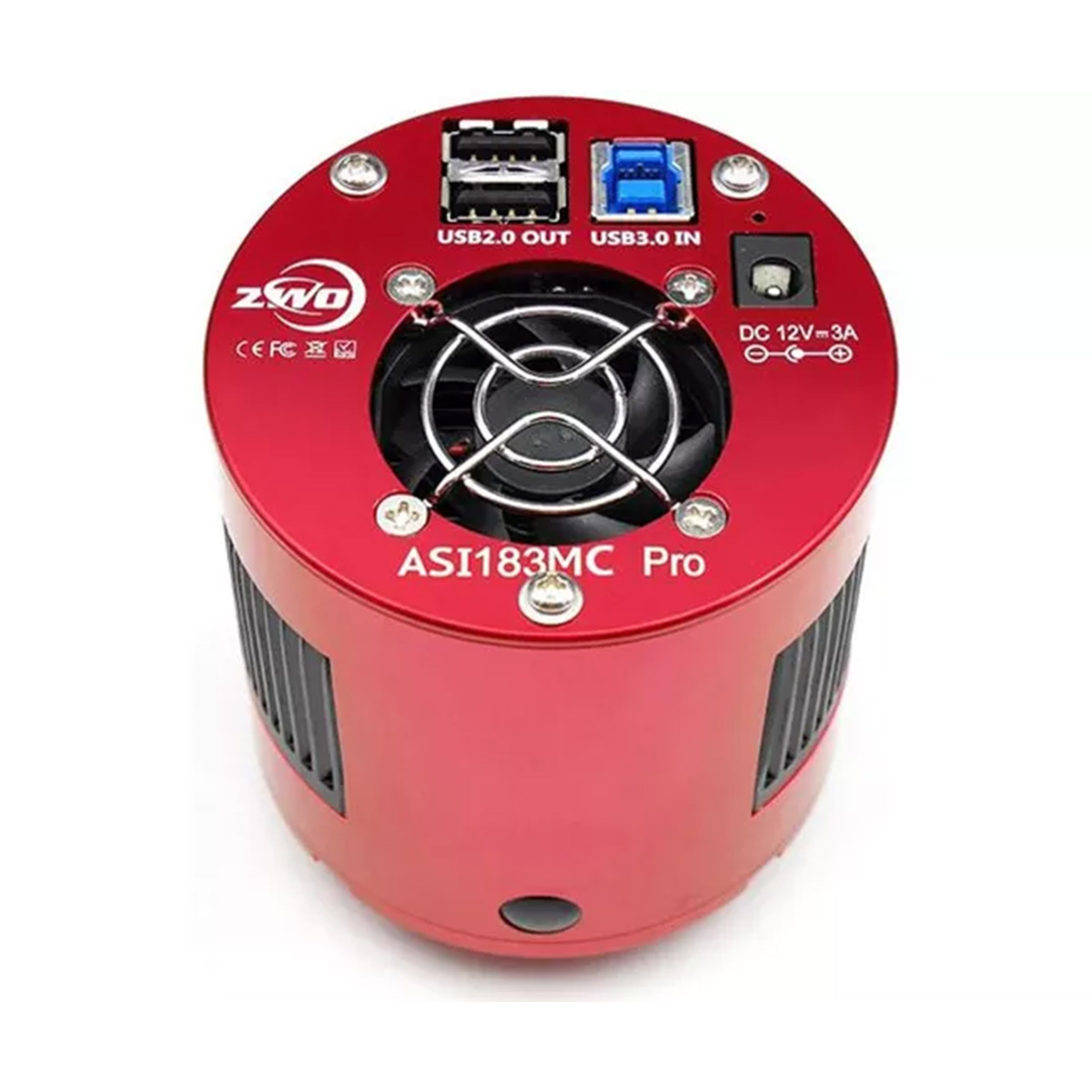
Get $80 off this color astronomy camera. It has a large CMOS chip, a cooling system and a bunch of included accessories for use with a telescope and laptop.
We gave it four and a half stars in our full ZWO ASI183MC Pro reviewView Deal
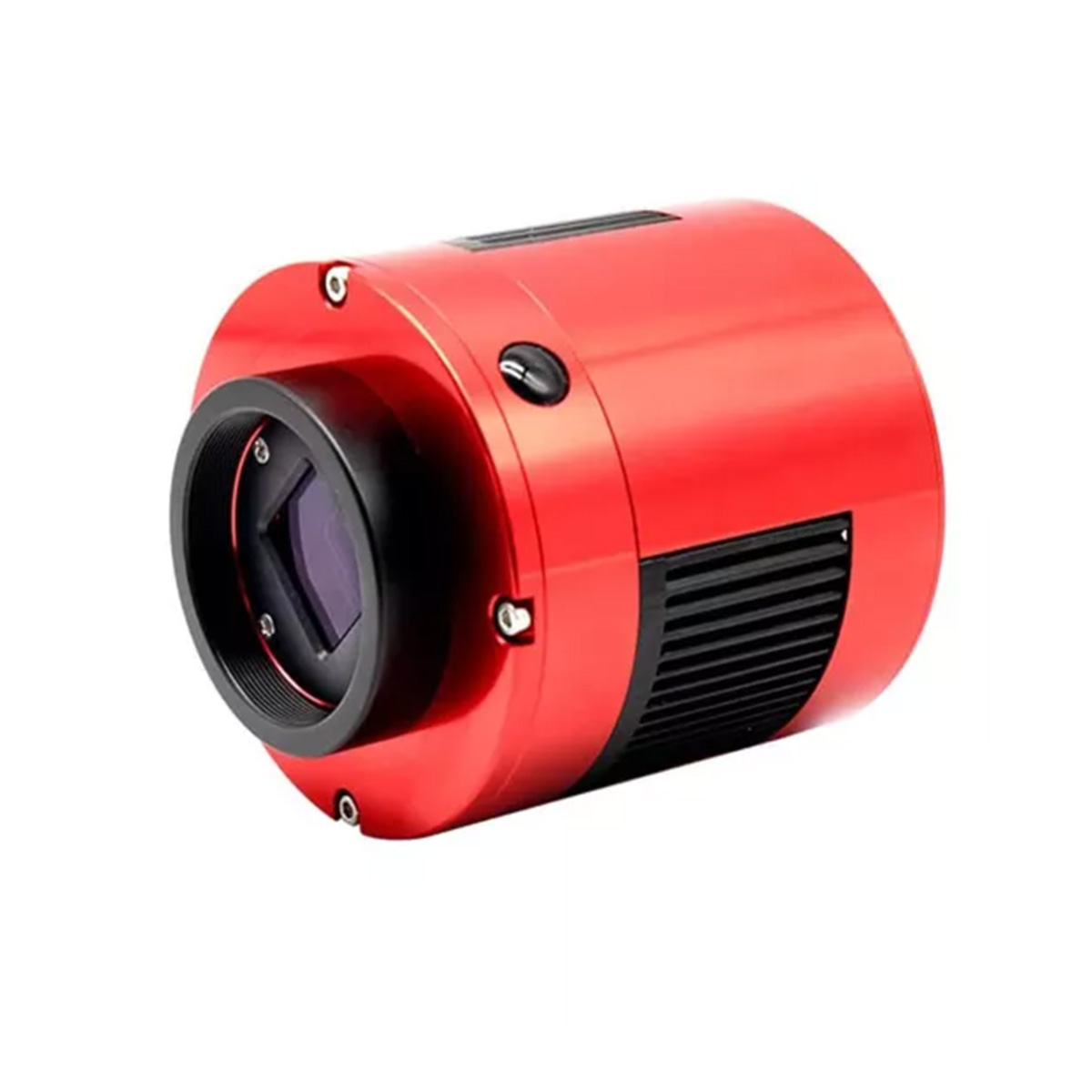
Save $80 off our best astrocam overall in our best astronomy cameras guide. It's a dedicated astrocam for scope-mounted use with active cooling, full-color capture and accessories for connectivity.
We gave it five stars in our ZWO ASI533MC Pro review.View Deal
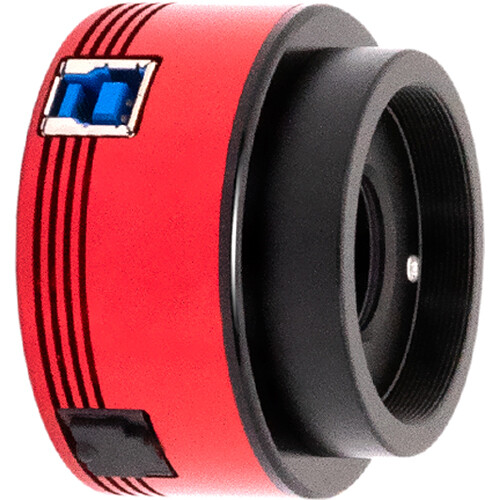
Save $60 on this ASI174 monochrome astronomy camera. It is perfect for taking photos of the planets and the sun because each pixel captures 100% of the light directly. View Deal
- We've got you covered with reviews and rankings of the best telescopes, binoculars, star projectors, cameras, drones, Lego, streaming and more.
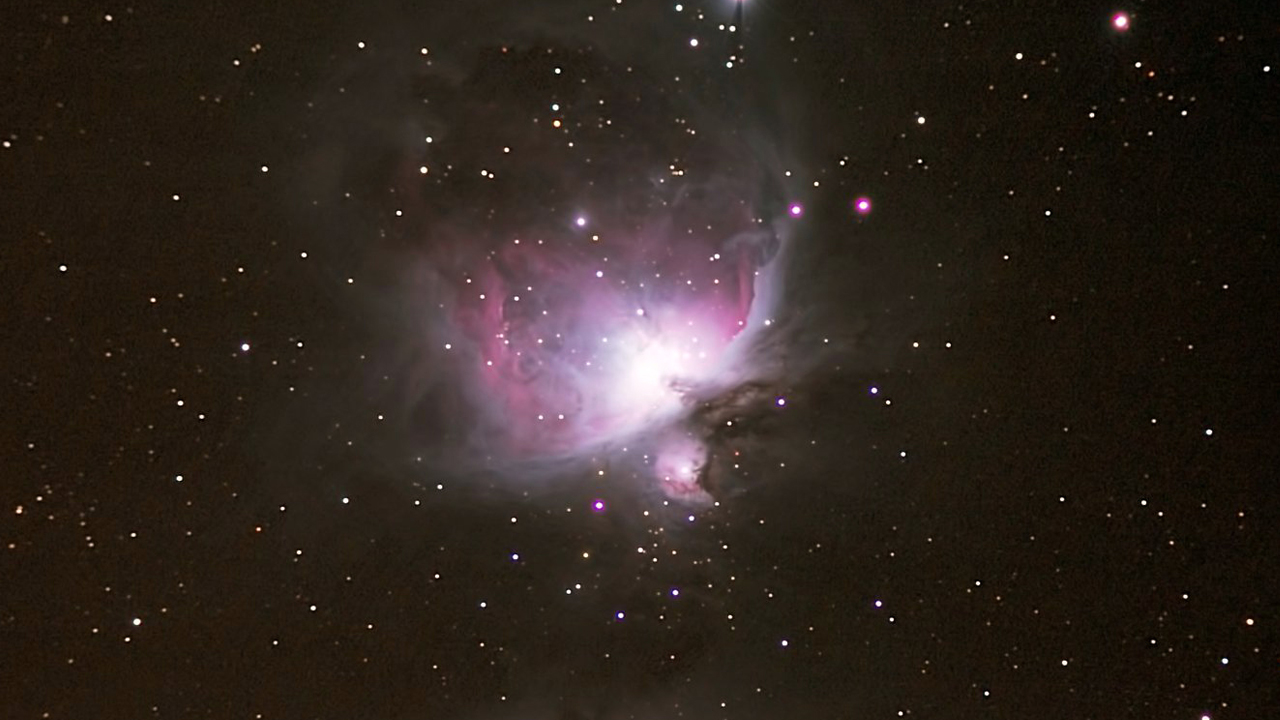 The Orion Nebula (M42) imaged using the ZWO ASI183MC Pro attached to a small telescope. 20 x 60 second exposures were added together for this view. Damian Peach
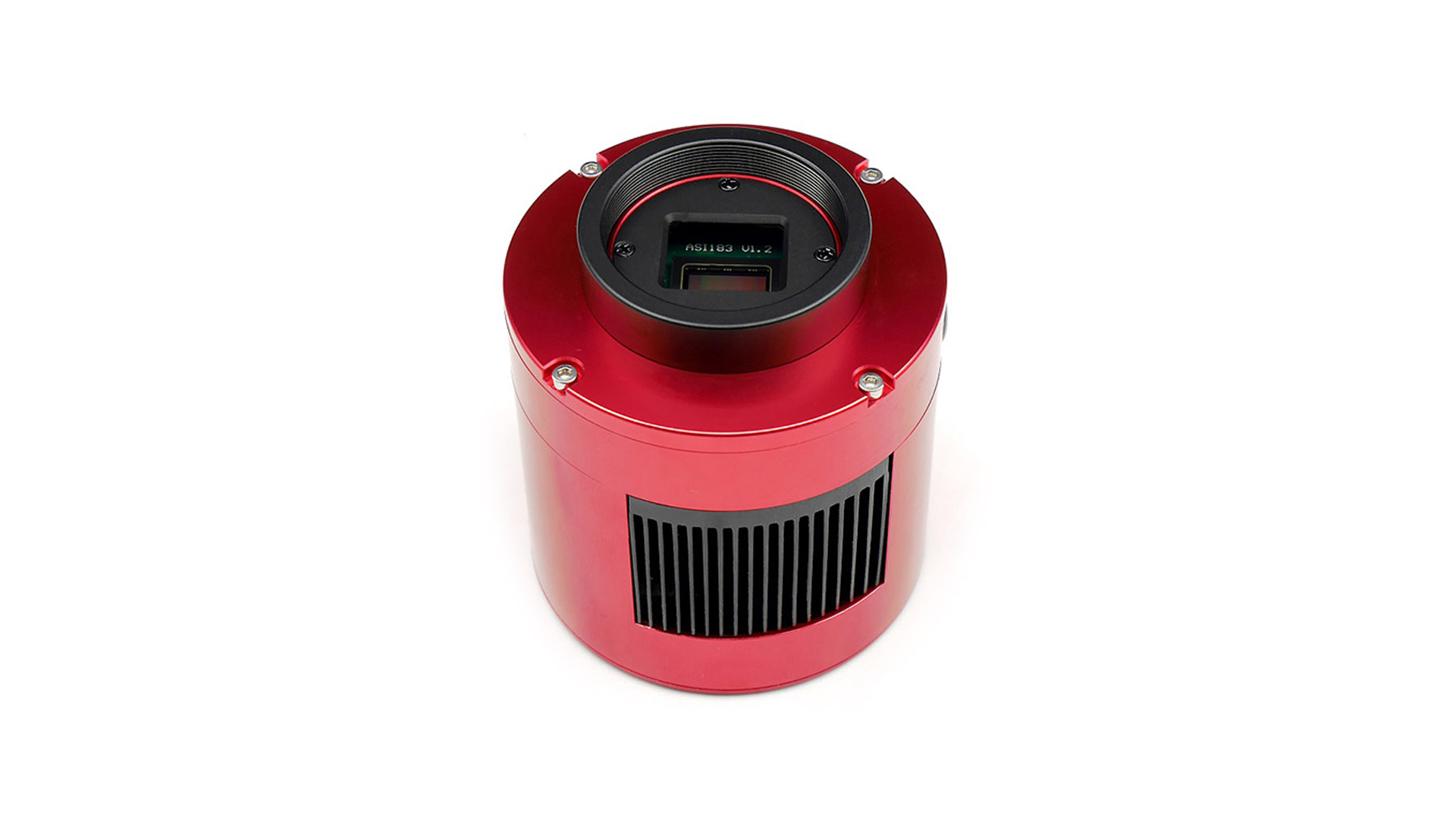 The sturdy body of the camera houses the sensor, ports and cooling vents. Amazon
Professional astrophotographer Damian Peach gave strong ratings to these astrocams for their performance in capturing deep-sky targets such as the Orion Nebula (M42), the galaxy NGC 6946 and the planet Jupiter.
He said both the ZWO ASI183MC Pro and ASI533MC Pro are suitable for those looking to get a dedicated multi-use camera for astrophotography, including deep sky objects and short exposure lunar and planetary photography. The ASI533 is the pro choice, as it features newer sensor technology with zero amp glow circuitry, decreasing the need for dark frame captures like with the older ASI183MC.
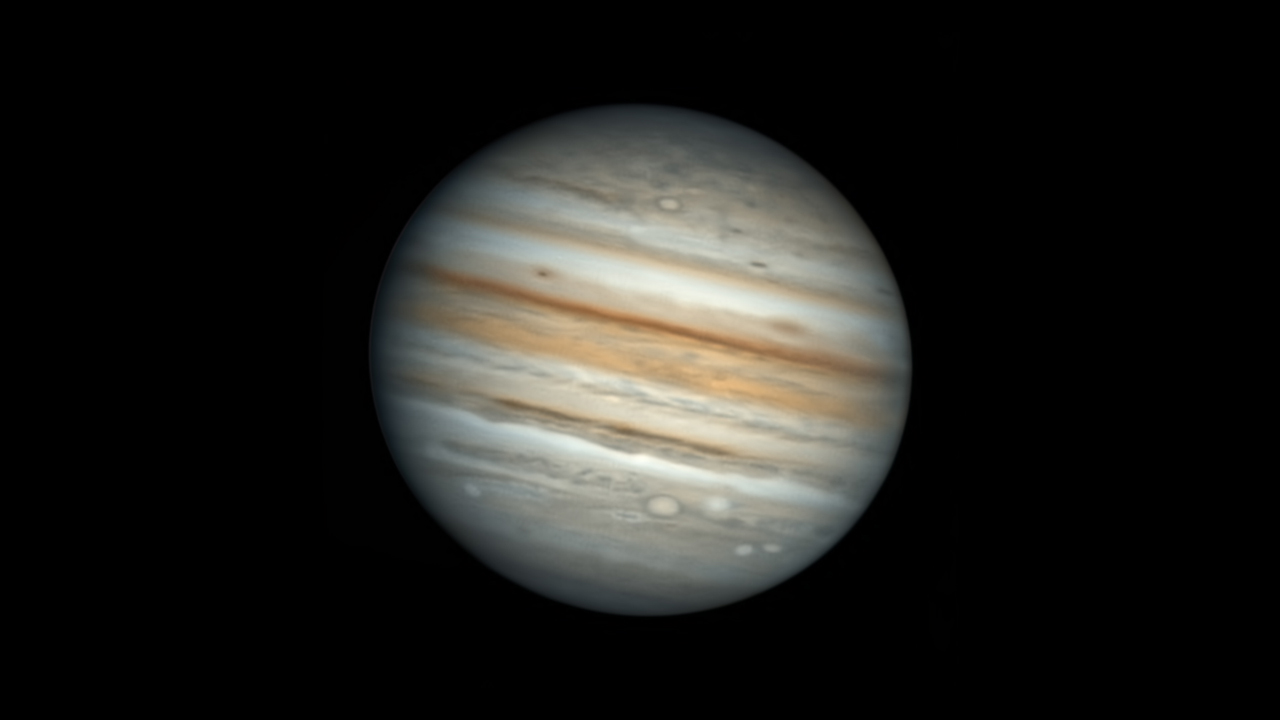 Jupiter as imaged by the ZWO ASI533MC Pro. Future
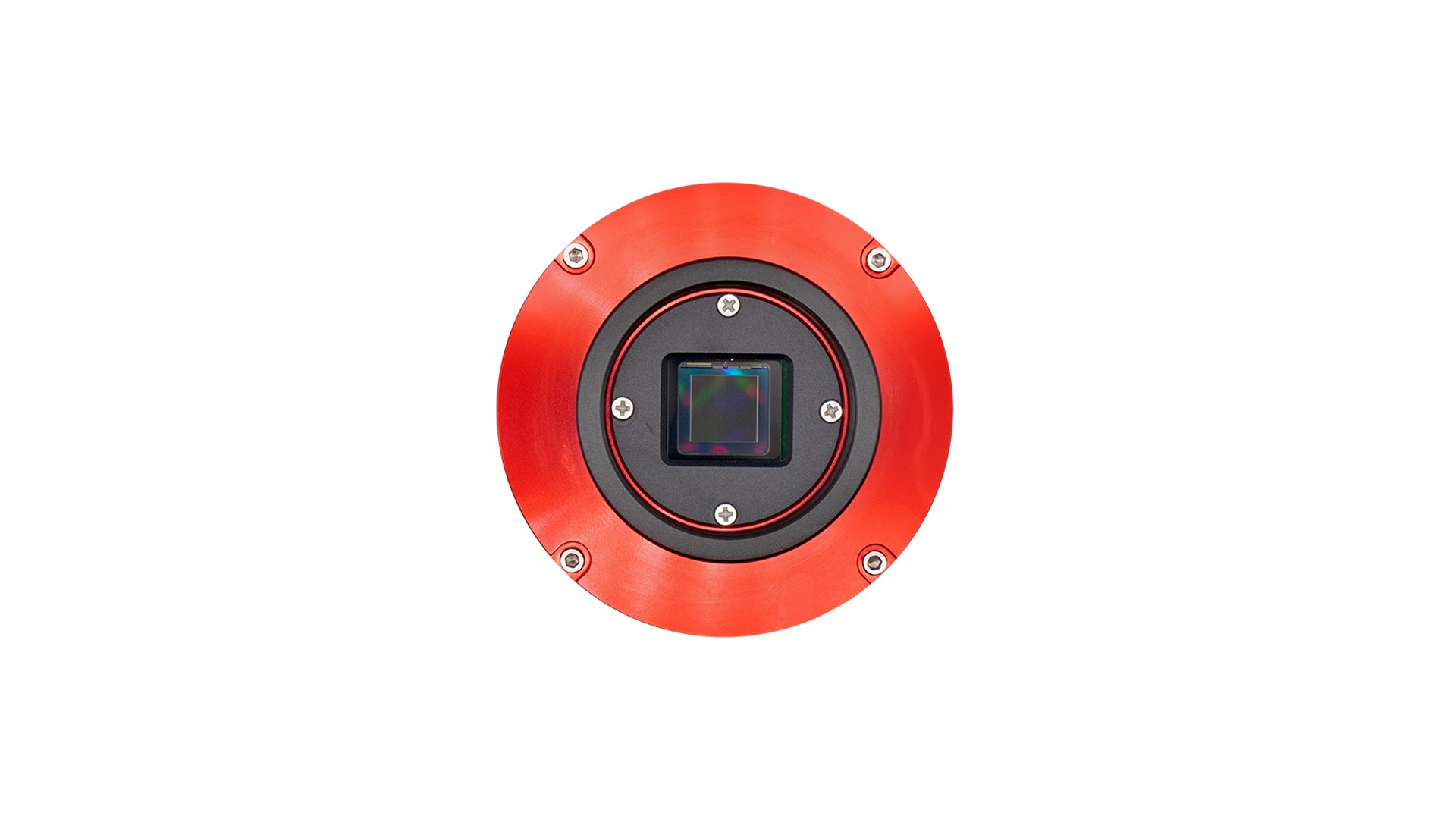 astronomy-imaging-camera.com
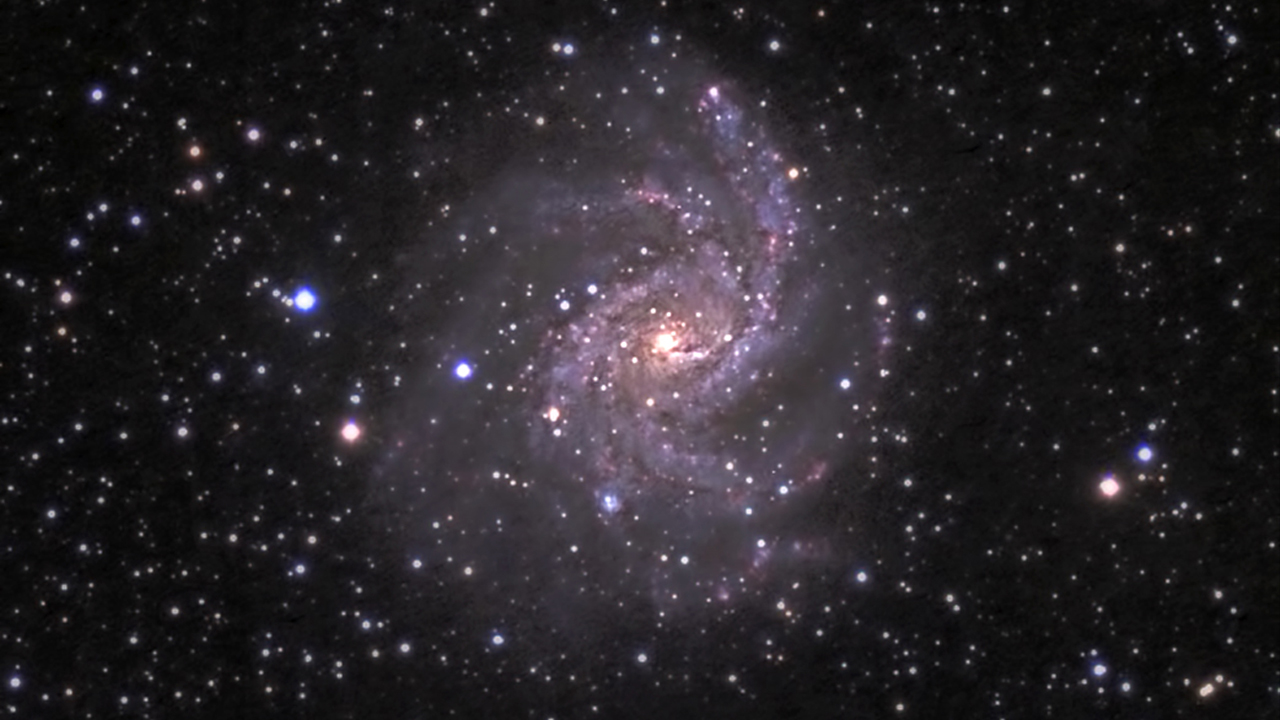 The galaxy NGC 6946 as imaged by the ZWO ASI533MC Pro.Future
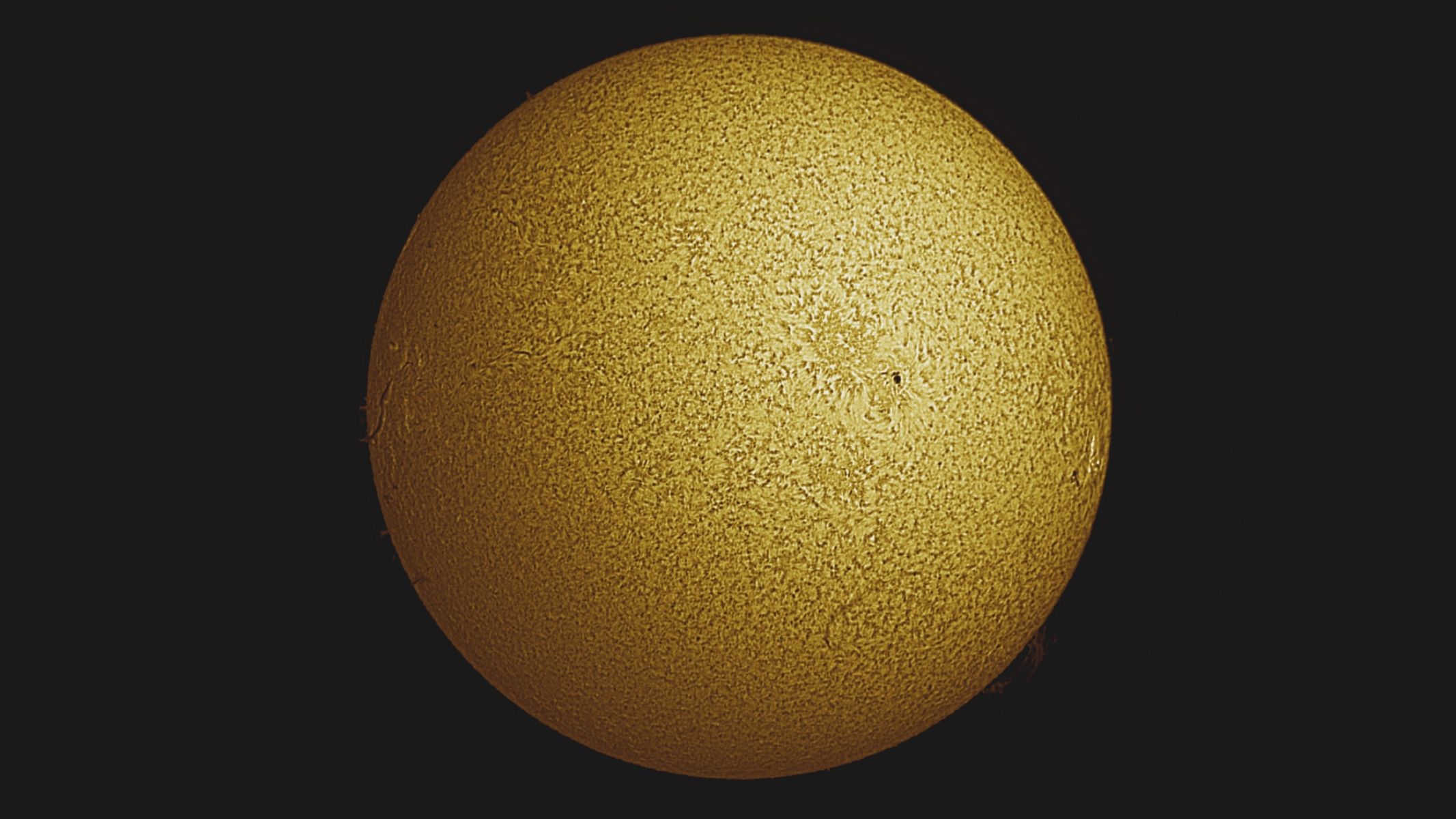 Monochrome cameras are much better at picking up details on solar and planetary photography, total light capture from the each pixel. Jamie Carter
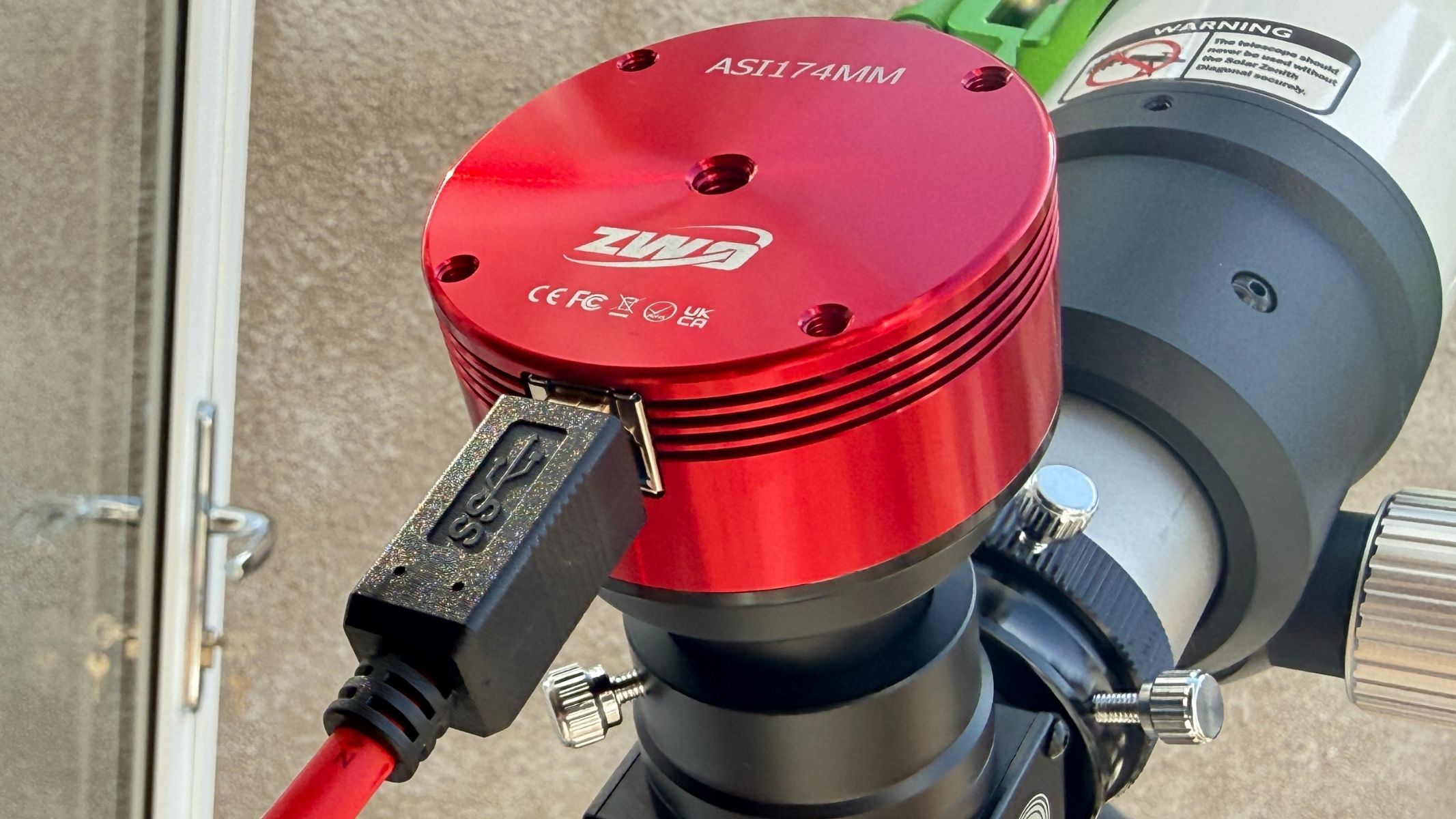 The ZWO ASI174mm mono camera attached to a solar telescope for imaging the sun. Jamie Carter
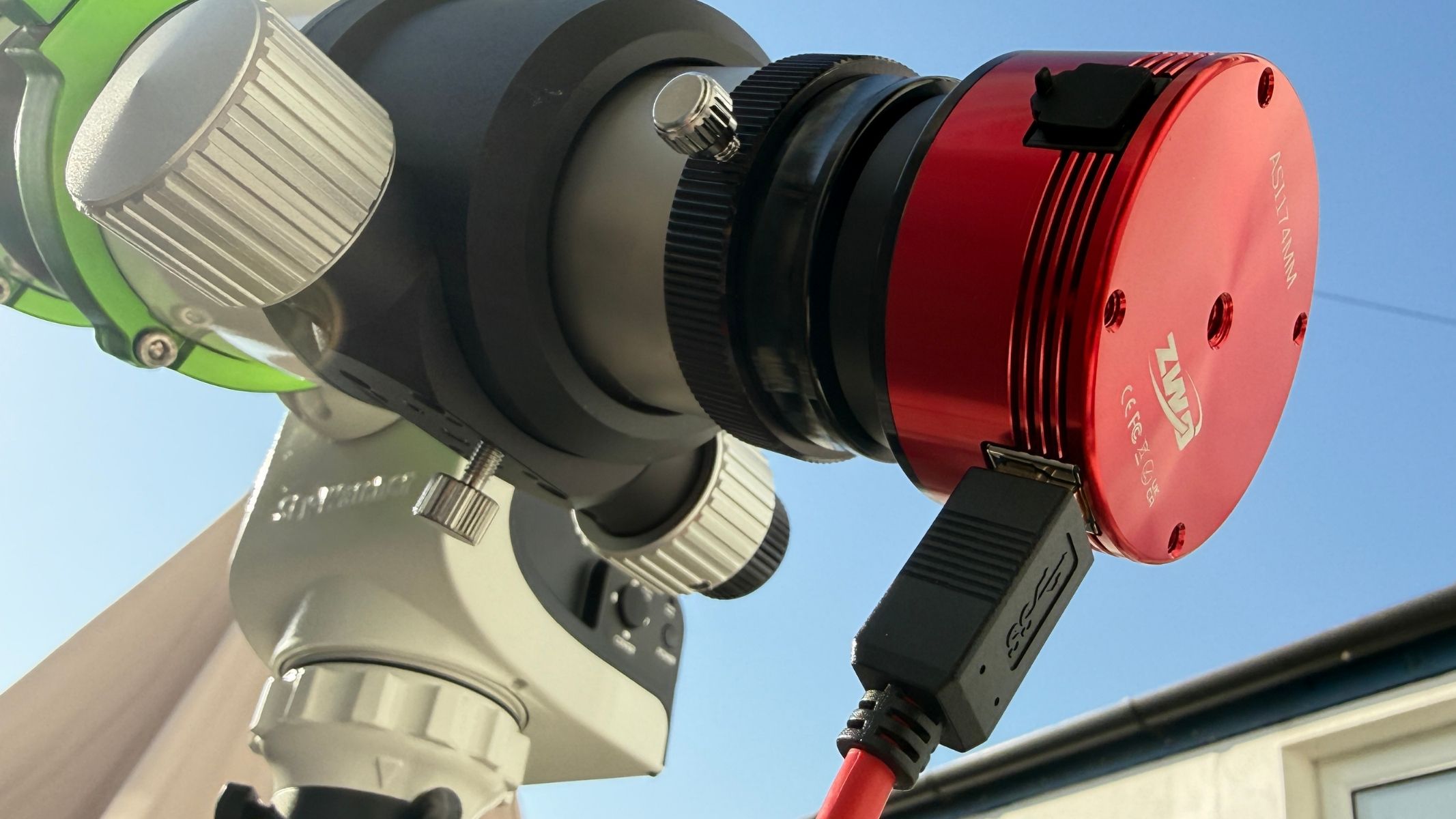 The ZWO ASI174mm mono camera attaches to a computer for operation with specialist software.Jamie Carter
Astronomy expert Jamie Carter tested out the ZWO ASI174mm mono camera to photograph the solar surface, along with a Sky-Watcher Heliostar 76mm and Solar Quest mount. He was able to capture some incredibly detailed images of the solar surface, showing features like sunspots, filaments and prominences.
You should grab a monochrome camera like this if you are interested primarily in getting solar, lunar and planetary photography. They can capture more detail in these objects than color astronomy cameras and then color can be corrected in post-processing.
Check out our other guides to the best telescopes, binoculars, cameras, star projectors, drones, lego and much more.