 Virginia QB Chandler Morris denied 7th year of eligibility after lawsuit: What it means for Cavaliers in 2026
 The veteran playmaker led Virginia to the ACC Championship Game last fall
 By Brad Crawford Apr 3, 2026 at 9:13 am ET • 3 min read
  Getty Images
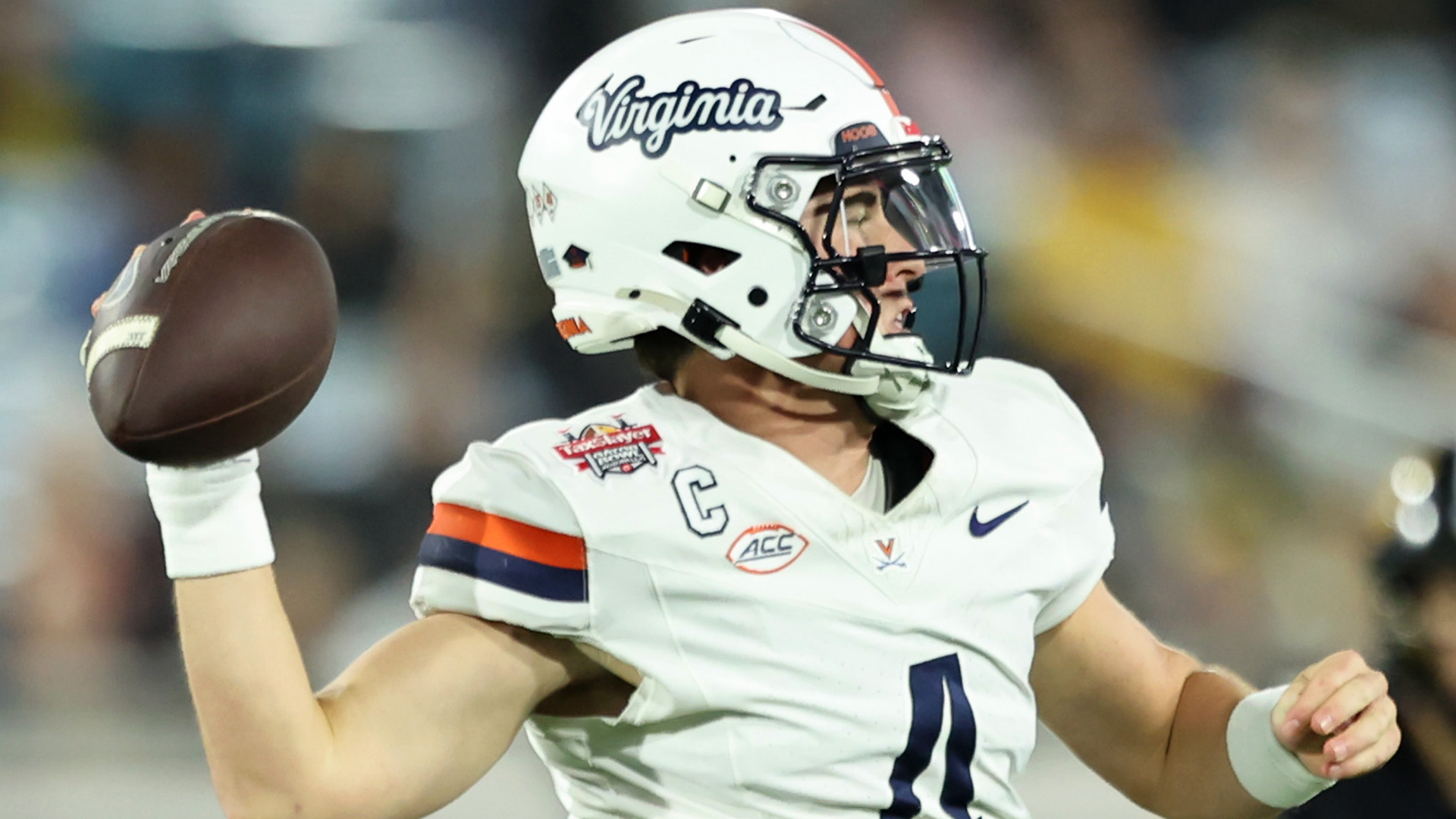
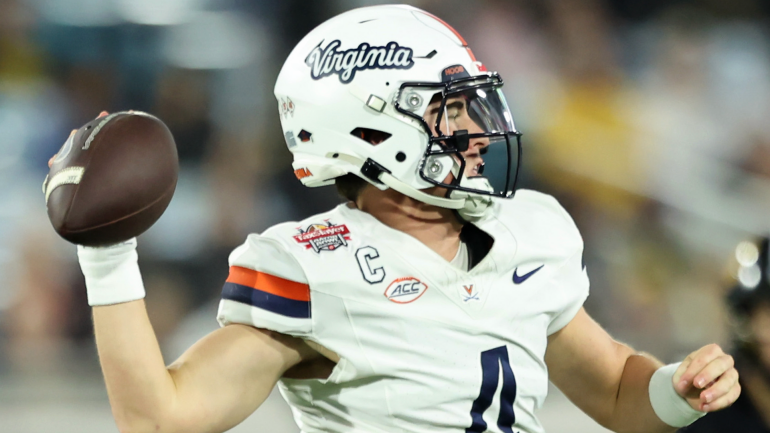
 Virginia quarterback Chandler Morris will not be playing a seventh year of college football this season after his preliminary injunction was denied in Charlottesville Circuit Court on Thursday. Citing mental health concerns, Morris argued he should have qualified for medical redshirt seasons after sustaining injuries at TCU in 2022 and 2023, but Judge Claude Worrell II denied the injunction based on insufficient information.
Morris played four games for the Horned Frogs in 2022 and seven games in 2023 after utilizing a redshirt in 2021. His 2020 season at Oklahoma did not count toward his eligibility clock because of a one-time waiver granted to all athletes due to the pandemic.
Morris took the stand this week and was emotional during his description of the months following a knee injury that left him depressed during his time at TCU. Morris previously filed the suit in a Virginia state court after the NCAA denied his request for an eligibility waiver in January.
A difference-maker each of the last two seasons at North Texas and Virginia, Morris guided the Cavaliers to a school-record 11 wins last fall and an appearance in the ACC Championship Game, along with a Gator Bowl victory over Missouri.
Per the Augusta Free Press, Morris' lawsuit indicated he made $1.52 million in NIL at Virginia last season, and his estimated value in 2026 -- had he been granted an injunction -- was between "$2 million and $4.5 million."
Morris' father, Clemson offensive coordinator Chad Morris, said recently he backed the lawsuit and wanted to see his son get another year with the Cavaliers under long-time coaching colleague Tony Elliott.
Morris is the third Power Four quarterback to request an injunction this offseason, joining Trinidad Chambliss at Ole Miss and Tennessee's Joey Aguilar. A Mississippi judge granted Chambliss a temporary injunction that will allow him to spend another season with the Rebels, while Aguilar was denied injunctive relief in a ruling that served as a major victory for the NCAA and was similar to former Vanderbilt quarterback Diego Pavia's JUCO-driven pleas ahead of the 2025 season.
Virginia's QB situation without Morris
The Cavaliers signed two veteran quarterbacks out of the transfer portal this cycle to ensure there was a backup plan of sorts if the NCAA denied Morris' waiver. Redshirt senior Beau Pribula (Missouri) and fourth-year junior Eli Holstein (Pittsburgh) are competing during spring practice for the starting job.
Pribula missed time last season with a lower leg injury but threw for 1,941 yards, 11 touchdowns and nine interceptions in the SEC after transferring to Missouri from Penn State. Holstein, who originally signed with Alabama out of high school, spent the last two seasons as the Panthers' starter before being overtaken by freshman Mason Heintschel last October.
There was no guarantee for Pribula or Holstein that either would get an opportunity to start with Morris' status in limbo.
"I think those guys knew that this was a possibility coming in the door," Elliott said last month. "But really, the focus has been on the guys that are here right now. And I think Chandler respects that, him and his dad understand that all parties got to kind of got investment in all different areas, so to speak."
Morris, who is enrolled at Virginia for the spring semester, said ahead of the ruling he understood the Cavaliers' offseason portal decisions under center.
"They had to go out and get somebody to protect the program," Morris said. "I hope it all works out, and then I'll put my head down and go compete. I've really found a home at UVa. I would love to be able to run it back with those guys and go play another year with my brothers."
Pribula and Holstein are two of 29 transfers the Cavaliers signed this cycle in hopes of getting back to the top tier of the ACC. Virginia's newcomers have combined for 286 career college starts.
"That last class made me a believer in terms of 'Okay, this can be done,' because there was some apprehension at first," Elliott said in February. "It's so different than how you were trained in this business on how to build a roster. We brought in 54 new guys (last year), and it's like, 'Man, that's almost half the team.' But they were able to prove that it can be done.
"So the key for us going into this cycle was making sure that we understood how we were able to do it and what it takes to be successful and try to replicate that formula as best we can."
Join the Conversation comments