 (Image credit: JPL-CALTECH / BJÖRN JÓNSSON / NASA) Share this article 0 Join the conversation Add us as a preferred source on Google Newsletter Subscribe to our newsletter
 Could Uranus and Neptune be full of rocks? One new study thinks so.
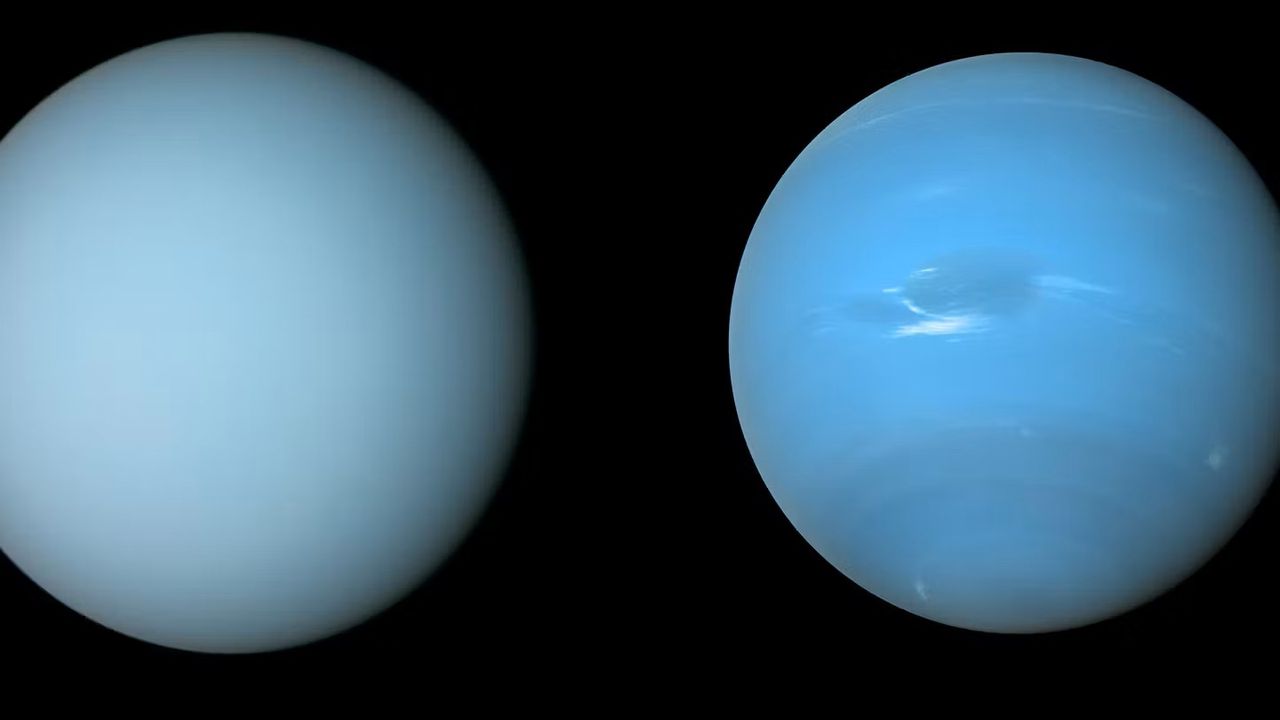
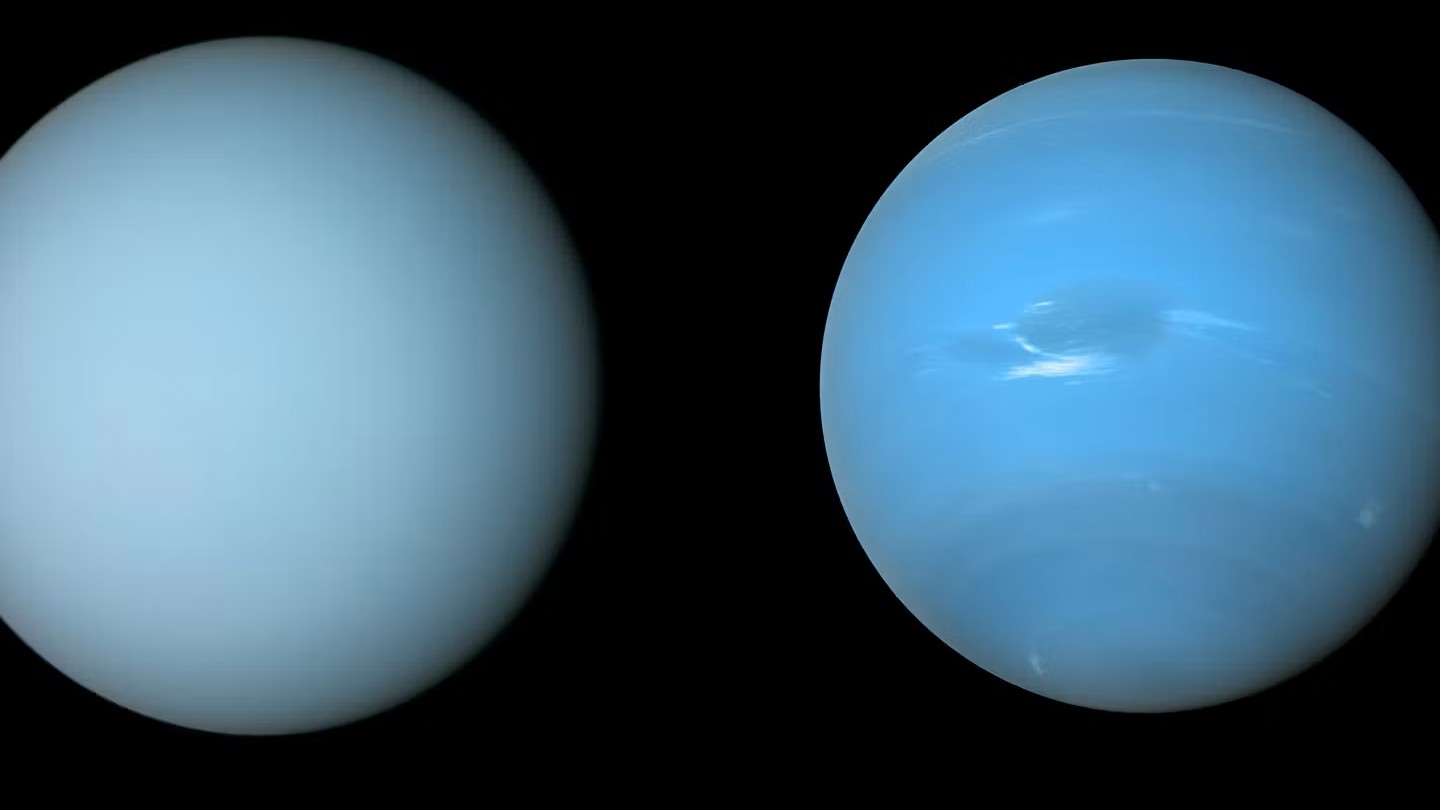
Uranus and Neptune are two planets that have historically been classified and thought of as "ice giants," orbiting far out in the freezing edges of our solar system. But it's possible that our understanding of these planets' makeup could be totally off, and their atmospheres could be full of rocks, researchers suggest in a new study.
These two planets both have inner rocky cores surrounded by icy mantles enveloped by a thick atmosphere that has been thought to contain hydrogen, helium and methane gases as well as silicate clouds. In some high pressure areas, the gaseous atmosphere becomes fluid — but the results of this study suggest these atmospheres could also be littered with rocks.
This research team was inspired to take a closer look at Neptune and Uranus thanks to recent research which has suggested that objects in the trans-Neptunian region, an icy region beyond Neptune, are more rocky than icy. Previous studies have suggested objects like Pluto, comets, and Kuiper belt bodies indeed have rocky atmospheres, the new study's researchers explained. "We thought, if those objects are made mostly of rocks, maybe Uranus and Neptune [are] as well?" Miguel said.
To get to their conclusions, the researchers modeled the composition of both Uranus and Neptune, simulating the planets' envelopes (combined inner and outer atmosphere), mantles and cores. Based on conditions like temperature throughout each planet's atmospheric envelopes, the team found the conditions would cause silicate clouds in certain areas of these atmospheres to condense into rocky material.
So, while Uranus and Neptune are known as ice giants, orbiting far from our sun in the outer reaches of the solar system, they're rockier than you might expect an "ice" planet to be, at least according to this study.
While "they might have quite some ice in their interiors," Miguel said, "they are definitely not completely icy as we used to believe."
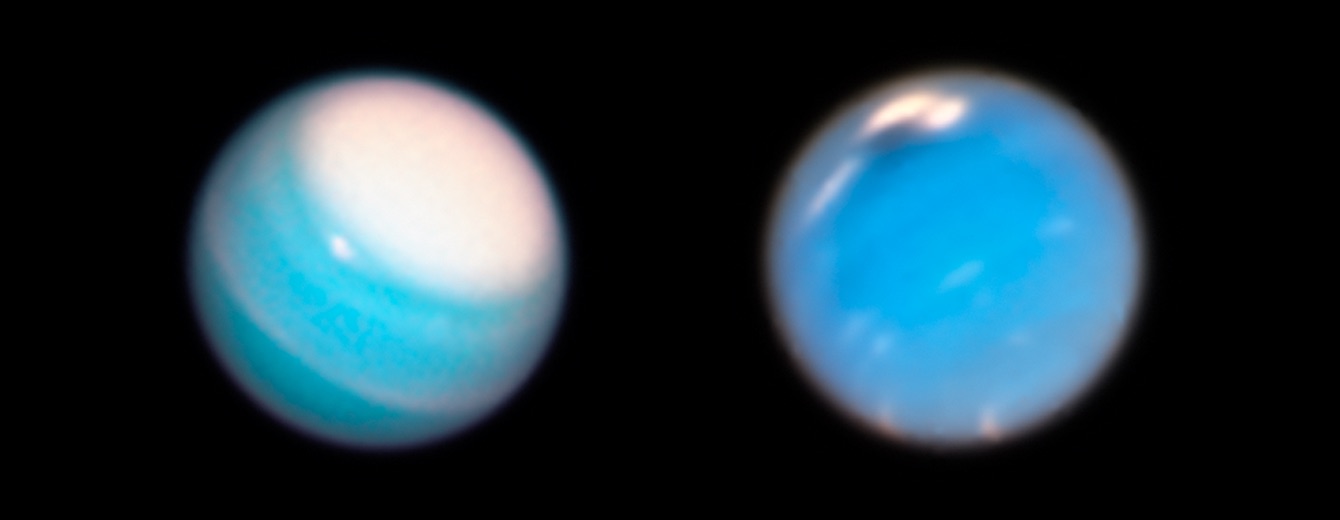
Miguel asserts that these new findings could even warrant a conversation about re-classifying these planets. "We should indeed change their classification so as not to be misleading," they suggest. "Rather than 'icy' or 'rocky,' we should simply call them minor giants or something like that."
To be clear, this new study isn't a definitive new classification of these planetary giants. However, it does raise interesting questions about their makeup: Could their atmospheres really be full of rocks? Are there other major aspects of their composition that we haven't yet uncovered? What other mysteries lie in the cold, far corners of our cosmic neighborhood?
This work was described in a study published May 5 in the journal Astronomy & Astrophysics.
View MoreYou must confirm your public display name before commenting
Please logout and then login again, you will then be prompted to enter your display name.
Logout Chelsea GohdContent Manager
Chelsea Gohd served as a Senior Writer for Space.com from 2018 to 2022 before returning in 2026, covering everything from climate change to planetary science and human spaceflight in both articles and on-camera in videos. With a M.S. in Biology, Chelsea has written and worked for institutions including NASA JPL, the American Museum of Natural History, Scientific American, Discover Magazine Blog, Astronomy Magazine, and Live Science. When not writing, editing or filming something space-y, Gohd is writing music and performing as Foxanne, even launching a song to space in 2021 with Inspiration4. You can follow her online @chelsea.gohd and @foxanne.music