 Image source, Getty ImagesByMichelle RobertsDigital health editor
- Published39 minutes ago
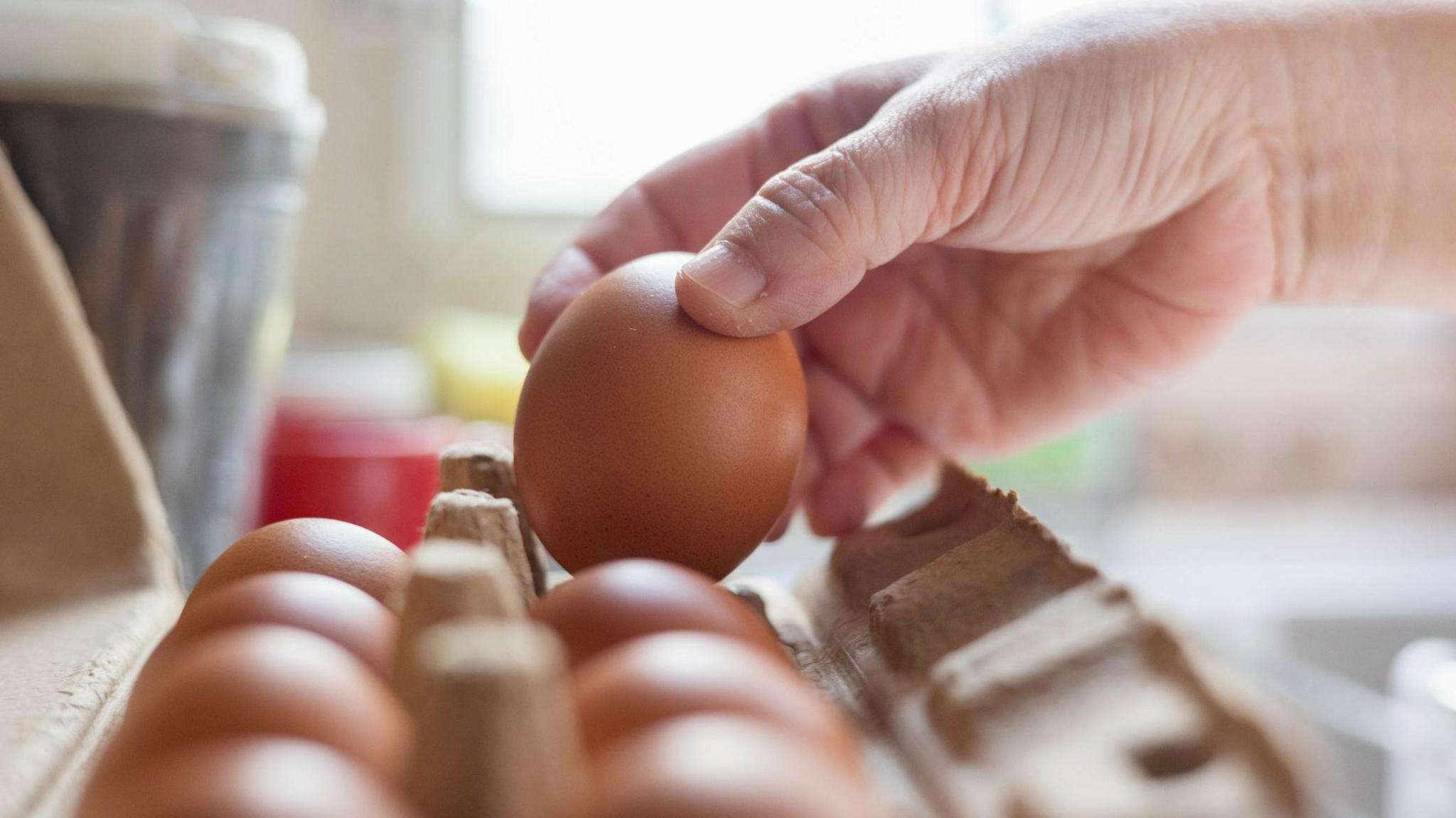
Close to 500 people have become ill with salmonella linked to imported eggs, say UK authorities, who say they have identified two new clusters of the infection.
The UK Health Security Agency, external reported 207 cases last week. That has been increased to 259, with the two new clusters bringing the total to 474. There have been two deaths recorded.
Some of the cases date back a year, but all involve bacteria that are almost genetically identical, suggesting a common food source.
Investigations are ongoing, but based on what is known so far, experts say people have fallen sick after eating out rather than cooking eggs at home.
Cases of salmonella are being seen in other European countries too - Austria (2), Belgium (15), Denmark (1), France (4), Germany (6), the Netherlands (106).
Investigations in the Netherlands suggests a link with chicken meat, rather than eggs.
Salmonella can be found in a number of food sources including raw or under-cooked poultry or meat and eggs.
More than a third of those ill in the UK - some babies and others as old as 92 - have needed hospital care.
Most people get better without treatment, however.
While salmonella cases can happen any time, the UK outbreak involves a few specific, near-identical genetic clusters called t5.9411, t0.24068 and t5.9765.
There have been:
259 confirmed cases and one death linked to t5.9411
38 confirmed cases and one death linked to t5.9765
177 confirmed cases linked to the t0.24068
Most have been recorded in recent weeks and months, but the investigations go back to cases as far as August 2025.
The majority have been in England, with many in London and Yorkshire and Humber.
There have been a small number of cases in Scotland, Wales and Northern Ireland too.
How to stay safe
Preparing and cooking food thoroughly can prevent infection, as well as washing your hands after using the bathroom and before handling food.
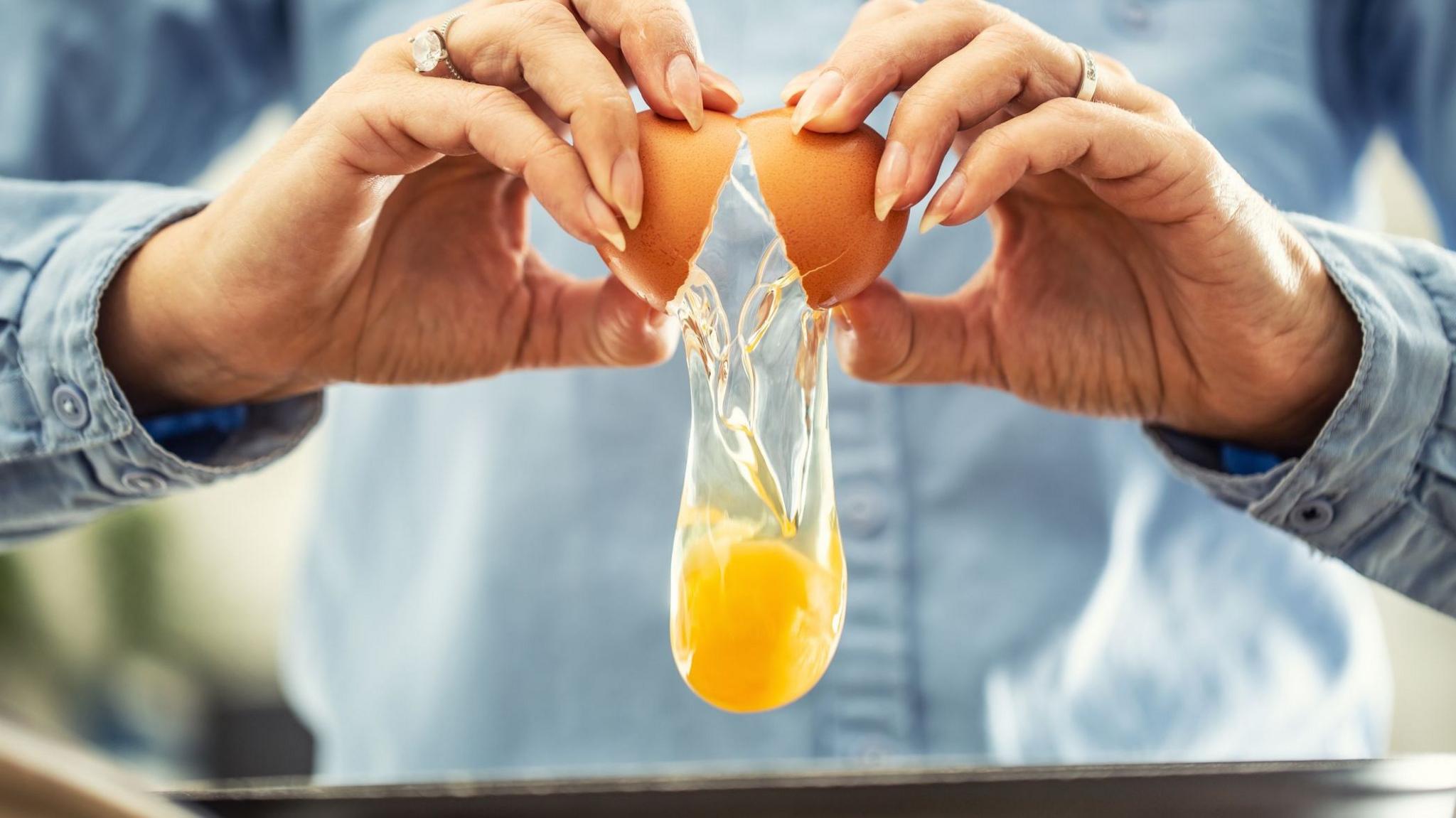
It is safe to buy and eat eggs that have a British Lion mark or are produced under the Laid in Britain egg assurance scheme, experts advise.
Any suppliers of British Lion mark eggs have to stick to a strict code that covers testing and vaccinating hens against salmonella.
Prof Ian Young from the Food Standards Agency said: "We continue to work closely with the UK Health Security Agency and other partners to investigate.
"The exact causes of these outbreaks have not yet been identified, but investigations so far have identified links to imported eggs. There is no evidence that UK-produced eggs are affected."
The UKHSA said: "We will continue to follow up cases and investigate any further common sources if they come to light."
What are the symptoms?
Symptoms include stomach cramps, diarrhoea, vomiting or fever. These usually develop between 12 and 72 hours after becoming infected.
Anyone who is concerned should contact their GP or out of hours service in the first instance, says the UKHSA.
In most cases people recover without further help but older people, babies and people with weakened immune systems are at greatest risk of severe disease.
Related topics
Salmonella outbreak: What we know so far
- Published37 minutes ago