 Image source, Getty ImagesImage caption,
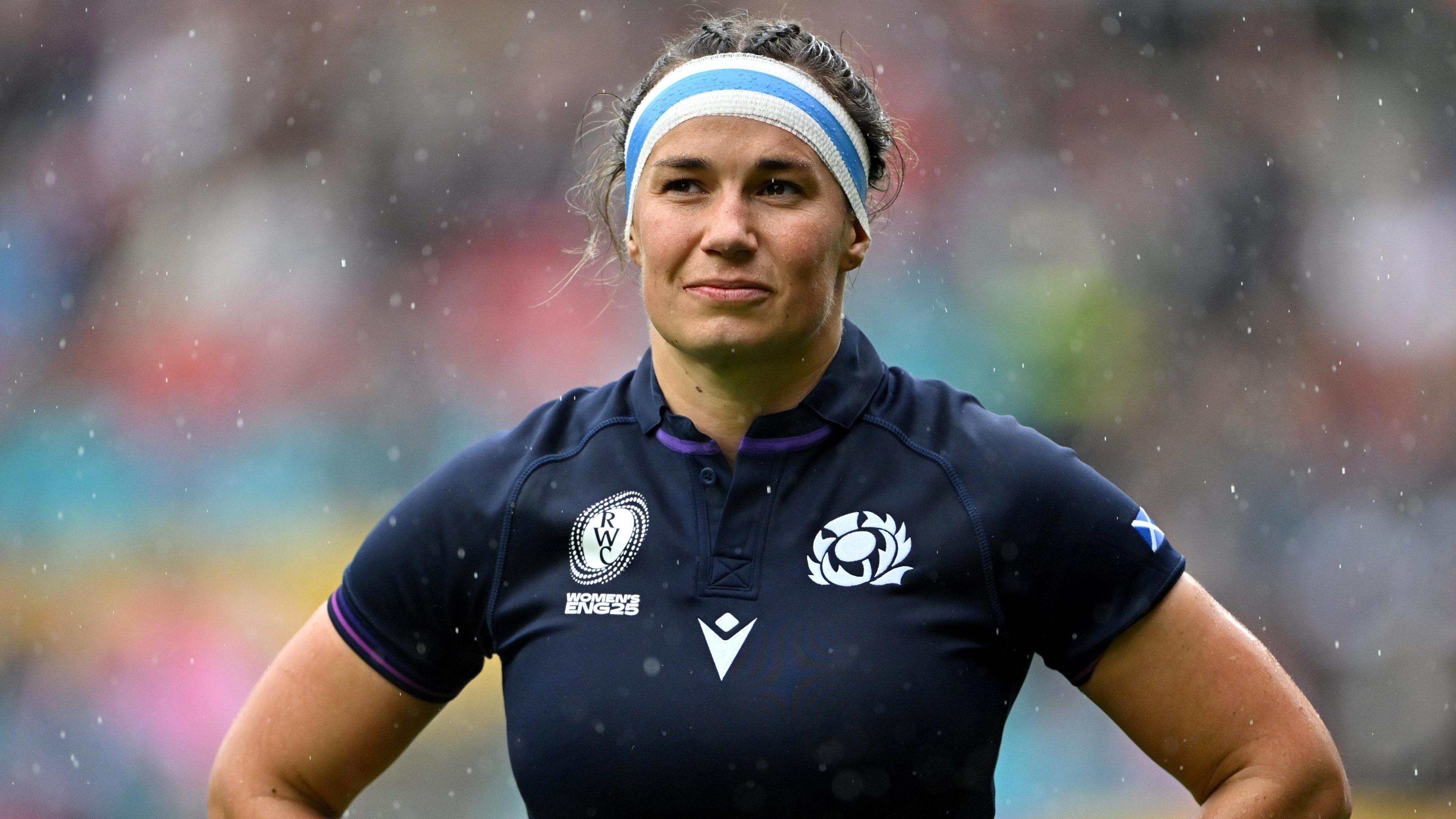
 Rachel Malcolm has been Scotland captain since 2019
ByKieran Fox and Jo CurrieBBC Sport- Published55 minutes ago
Captain Rachel Malcolm says it was a "hard read" when BBC Sport laid out the struggles of some of her Scotland players at last year's Women's Rugby World Cup.
The 34-year-old said she wants the squad to be "happy and supported".
In February, some Scotland players told BBC Sport of an emotionally damaging World Cup tournament because Scottish Rugby's handling of player contracts left them with poor mental health.
Scotland reached the last eight, the women's team's best performance at a World Cup in 23 years.
But off the field some players were struggling with uncertainty over their professional futures, and one said she suffered a breakdown as a result.
"I think it ultimately wasn't good enough in terms of how the players were treated and team-mates were feeling," said Malcolm at the launch of the 2026 Women's Six Nations.
"As a player group we were very together in that whole process and we were very aware of different people's situations and different people's responses to what happened.
"I think it's obviously brave of those girls to speak out but I think the most important thing is that moving forward change needs to happen for that process to be better - and that is what has happened.
"The Scottish Rugby Union is now working with us and making sure those processes are better so the same doesn't happen and people aren't made to feel that way in the future."
Scotland's player contracts had been due for renewal in June last year, two months before the World Cup, and they had asked for 12-month deals to ensure job security and allow them to focus on the tournament.
While some were offered that deal, a quarter were told their deals would end in October, immediately after the tournament.
Four players spoke to BBC Sport on the condition of anonymity and described the news as a "big shock" that put them under huge mental strain.
At the time annual contracts ranged from £18,000 to £27,000 and in most cases were a player's main source of income. Those in the Premiership could also earn up to £10,000 annually from their clubs.
Players said they were not given the proper support by Scottish Rugby to cope with the situation, something the governing body denied, with one player saying she spent much of the World Cup on job search websites.
"Of course it was a hard read," said Malcolm. "I think I'm an empathetic captain and in how I lead, I wear my heart on my sleeve and I go to battle for my players and I'll always fight for them on and off the pitch.
"I knew that players were really struggling and there's nothing I want more than my players to be happy, supported."
While Scottish Rugby did not dispute the individual experiences of some athletes, it did say it delivered on its duty of care and that contract timings were designed "to give clarity to all players as early as possible".
Players told BBC Sport the squad had discussed boycotting a match during last year's Six Nations to try to force a resolution over the contracts. They finished the tournament in fifth place with two wins.
Malcolm, who is preparing to lead the squad again at the Six Nations under new Australian head coach Sione Fukofuka, said there is now a "huge amount of communication" between the players and the governing body and that players "definitely feel like we've been listened to".
The squad retains 24 players who were involved in last year's run to the quarter-finals as well as nine new caps.
They face Wales first on 11 April before defending champions England visit the following Saturday.
"All I can influence as captain and as a player within this squad is that we keep pushing for change and we keep pushing for better," added Malcolm.
"At the minute I do feel like we are seeing change within those processes, which is the most important thing."
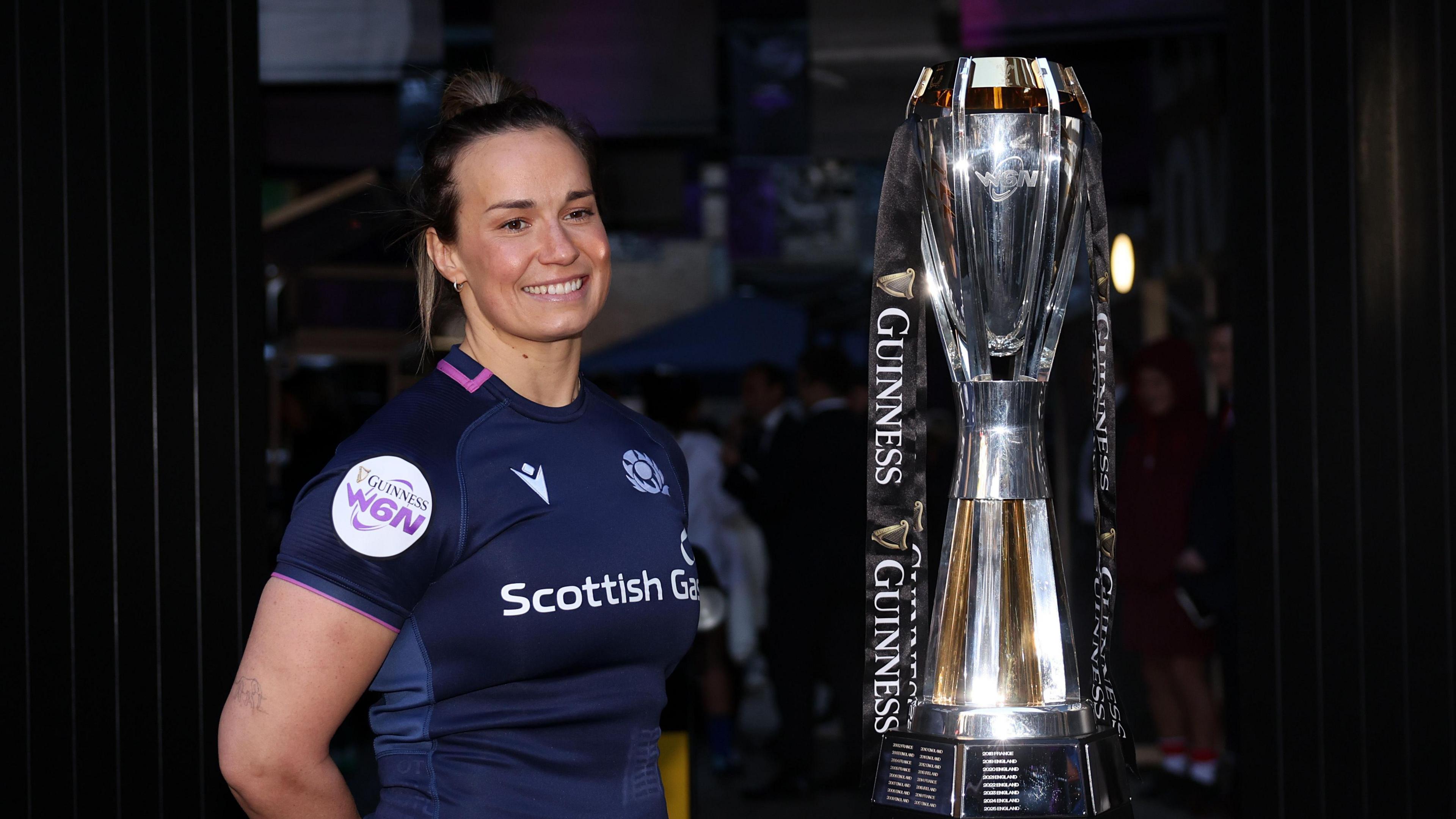 Image source, Getty Images