 (Image credit: Getty) Jump to:
 - Keep your windows closed
- Use an air purifier
- Change clothes
- Dry laundry indoors
- Use a vacuum cleaner with HEPA filters
Get the world’s most fascinating discoveries delivered straight to your inbox.
Become a Member in Seconds
Unlock instant access to exclusive member features.
Contact me with news and offers from other Future brands Receive email from us on behalf of our trusted partners or sponsors By submitting your information you agree to the Terms & Conditions and Privacy Policy and are aged 16 or over.You are now subscribed
Your newsletter sign-up was successful
Want to add more newsletters?
Join the club
Get full access to premium articles, exclusive features and a growing list of member rewards.
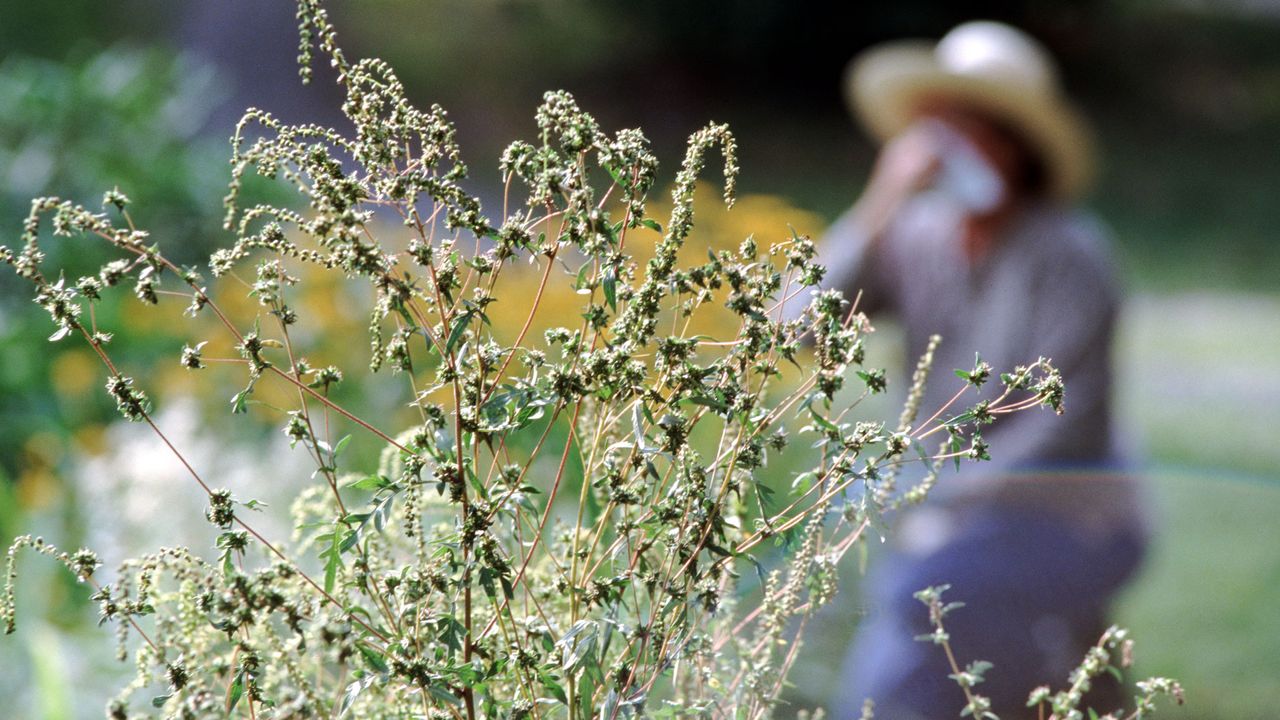
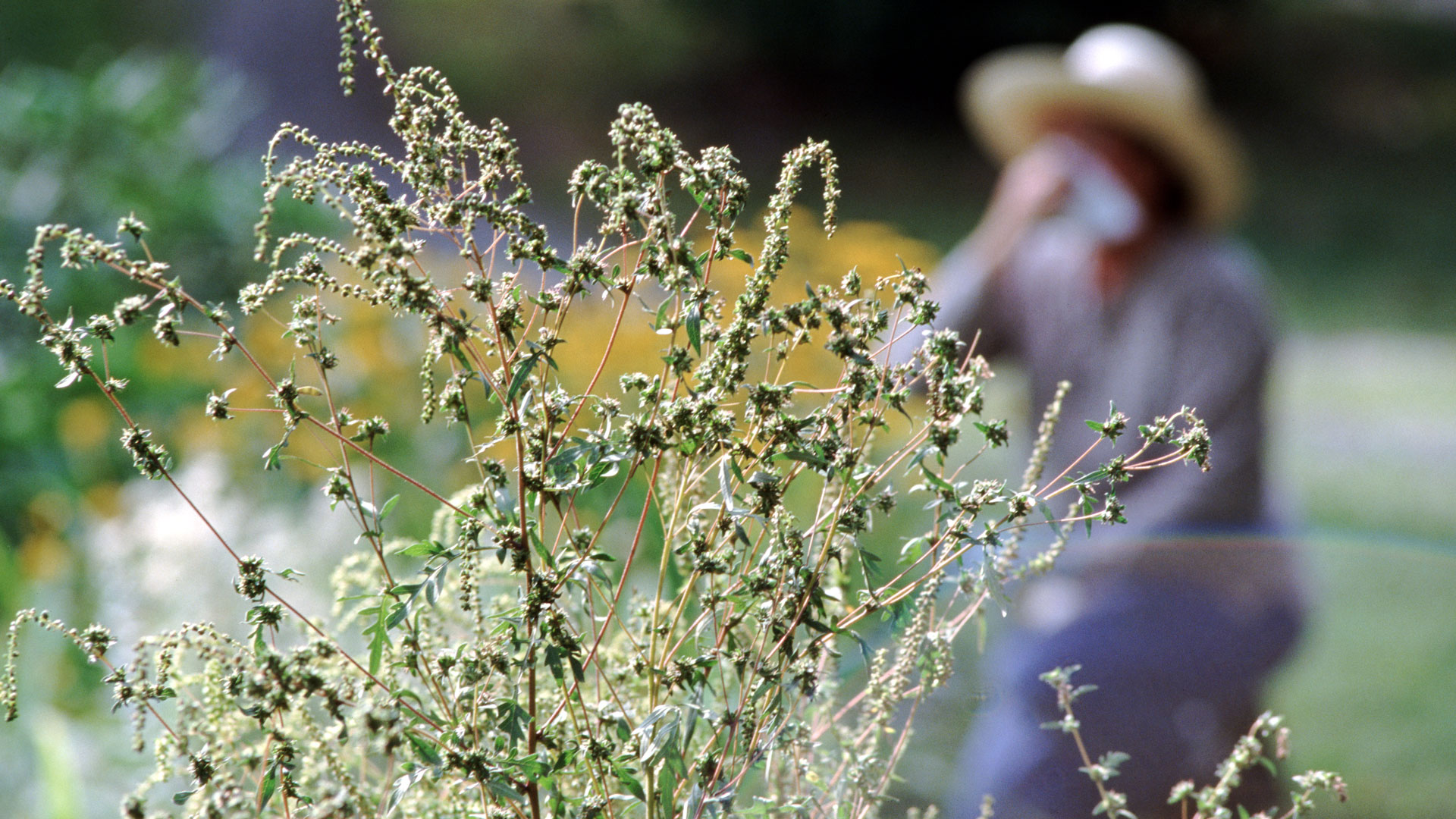
Explore An account already exists for this email address, please log in. Subscribe to our newsletterWhile spring is a lovely time of year to look forward to, for some, it brings about mixed feelings because their hay fever symptoms increase as the weather improves. Hay fever often leaves people with a runny nose, itchy eyes, sore throats, coughs and sneezes. However, there are things you can do to reduce how much pollen impacts you at this time of year, so here are our top five tips on how to survive hay fever season.
We spoke to Melanie Carver, chief mission officer of the Asthma and Allergy Foundation of America (AAFA), who offered some expert advice and tips on how to survive hay fever season. One option is to consider one of the best air purifiers to keep the air in your home as clean as possible.
Article continues below- Related: Best air purifiers for allergies 2026: Breathe easy this spring
- Related: Best air purifiers for pet owners 2026: Remove pet dander, hair and odors
Keep your windows closed

As soon as spring hits, it's tempting to open the windows and let the fresh air spruce up your home, especially if it's been a long, cold and wet winter. However, for those who suffer with hay fever, this may, in fact, be encouraging those allergens into the home. Pollen travels through the air, so if you open the windows, pollen can enter the home and increase the occurrence of sneezing, itchy eyes and coughing.
Melanie Carver, chief mission officer of the Asthma and Allergy Foundation of America (AAFA), explains: "Open windows, even windows with screens, allow pollen to enter the home easily, especially during times when pollen counts are high. Individuals with pollen allergy (tree, grass, and weed pollen are the most common) may experience allergy symptoms if the pollen that triggers their allergies is present in the home. Symptoms may include a runny nose, a stuffy nose, sneezing, itchy and watery eyes and coughing/wheezing.
"One of the best ways to manage pollen allergy symptoms is to reduce exposure to pollen. This means keeping windows closed when pollen counts are high and taking steps to prevent pollen from being in your home."
While keeping your windows closed in the lovely spring weather might sound annoying, especially if you want to freshen up your home, keeping your windows closed can have other benefits, such as keeping the warm air out of your home and helping to keep it cooler if it is a particularly hot season.
Sign up for the Live Science daily newsletter nowContact me with news and offers from other Future brandsReceive email from us on behalf of our trusted partners or sponsorsUse an air purifier to remove indoor allergens
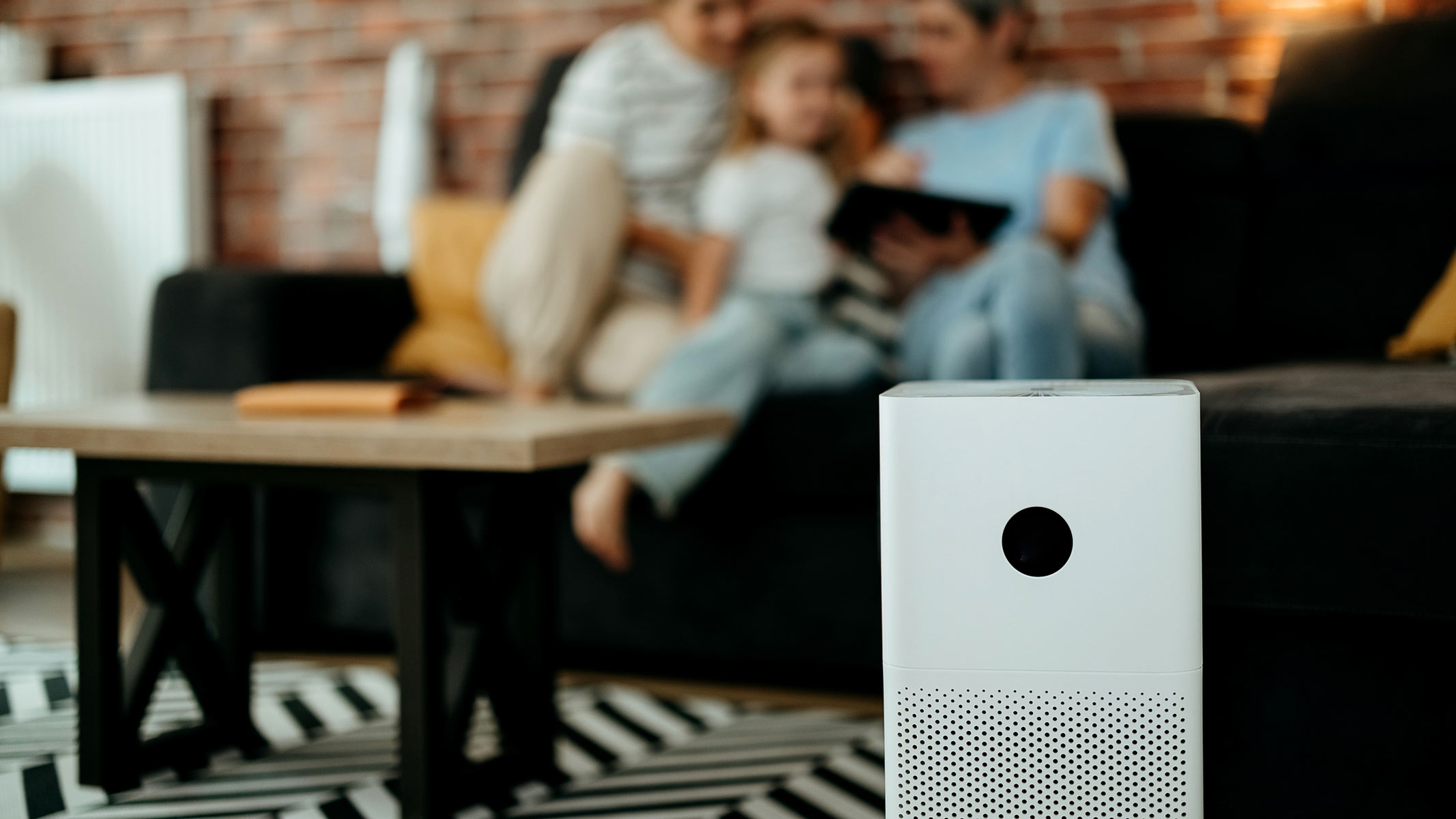
If pollen does get into the home (which, to some extent, is inevitable), the best air purifiers can help remove these allergens and make your indoor space more pleasant during hay fever season.
Air purifiers work by using fans to draw in the indoor air and then passing it through a filter, effectively removing the allergens. The filters trap microscopic particles such as pollen, so these particles never reach your lungs. By removing these particles from the air, this can also reduce the amount of sneezing, itchy eyes and coughing you experience during hay fever season. Our top tip when buying an air purifier for allergies is to get one with a HEPA filter — these are the most effective filters.
Our expert, Melanie Carver, said: "HEPA – high efficiency particulate air – filters are an effective way to reduce exposure to common allergens, including pollens. HEPA filters work by using a fine two mesh of fibers to trap particles (such as pollen) and prevent them from being redistributed into the air. Asthma & Allergy Friendly® Certified air purifiers or air filters with HEPA can help reduce your exposure to allergens and airway irritants."
 Levoit Core 600S: $299.99 at Amazon
The Levoit Core 600S won best overall in our best air purifiers guide. We were impressed with its three-stage True HEPA filter system, which removed 99.9% of particles measuring as small as 0.3 microns, during our testing. This is good news for those with hay fever — the Levoit is a user-friendly option with excellent performance.
Read moreRead less▼View Deal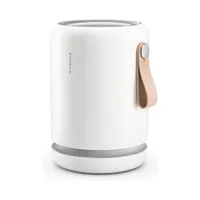 Molekule Air Mini+: $359.99 at Amazon
We reviewed the Molekule Air Mini+'s larger sibling, the Molekule Air Pro, and awarded it the best for large rooms in our best air purifiers guide. Similar to its sibling, this device is FDA-cleared for medical use thanks to its patented pollutant-destroying PECO technology — this turns pollen and other organic airborne particles into water vapor and harmless gases.
Read moreRead less▼View Deal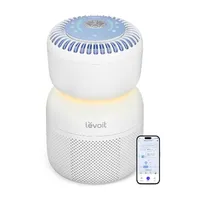 Levoit Sprout: $279.99 at Amazon
For your little ones who may be hay fever sufferers, the Levoit Sprout is a good option. Voted as the best for nurseries in our best air purifiers guide, the Levoit Sprout performs well as an air purifier, but also has a built-in white noise machine and night light to help soothe your children to sleep. Plus, it is quiet.
Read moreRead less▼View DealChange your clothes when you get home
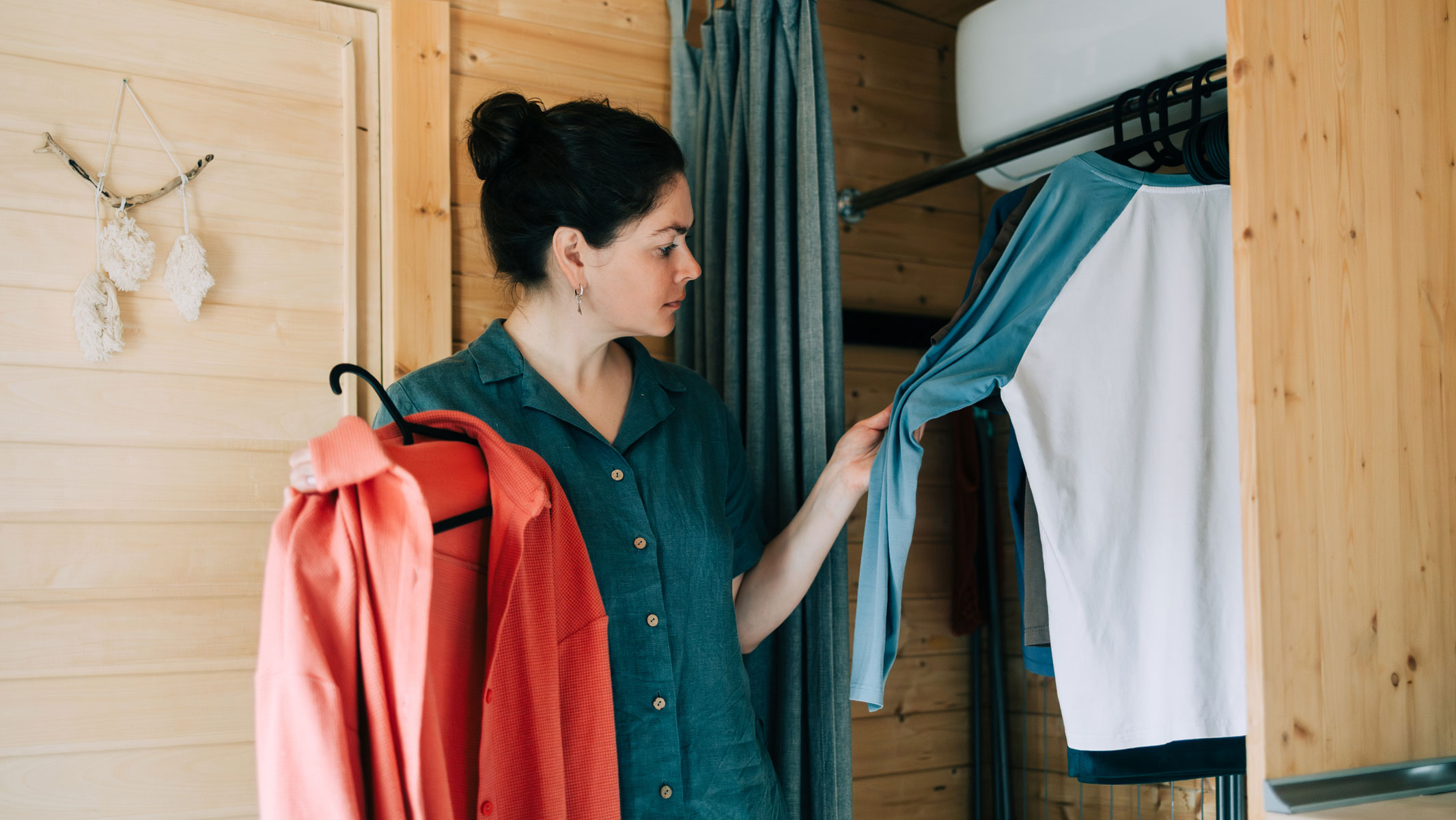
To some, this might seem a bit extreme, but pollen and other allergens can get trapped on fabrics while you're out and about. Pollen is an airborne particle, meaning it moves around in the air, but it also attaches itself to various surfaces once it comes in contact with them. Therefore, changing your clothes when you get home can reduce the risk of further irritation to your respiratory system later in the day.
As pollen can also get trapped on your hair and skin, it isn't a bad idea to shower and wash your hair upon returning home for the day, either.
"AAFA recommends changing clothes after you’ve been outside on high pollen count days. This is one way to help reduce your exposure to the pollen that may trigger your allergy symptoms," said Melanie Carver. "Put dirty laundry directly into your washer, or at least not in your bedroom. We also recommend washing your hands as well as washing your hair to help remove pollen. For people who can’t or don’t want to wash their hair that often, use a hair covering when outside to prevent pollen from collecting on one's head.
"Additionally, we recommend wiping down your pets when they come in from outside to help keep them from spreading pollen around your home — and when possible, bathe them once a week," Carver said.
Dry laundry indoors
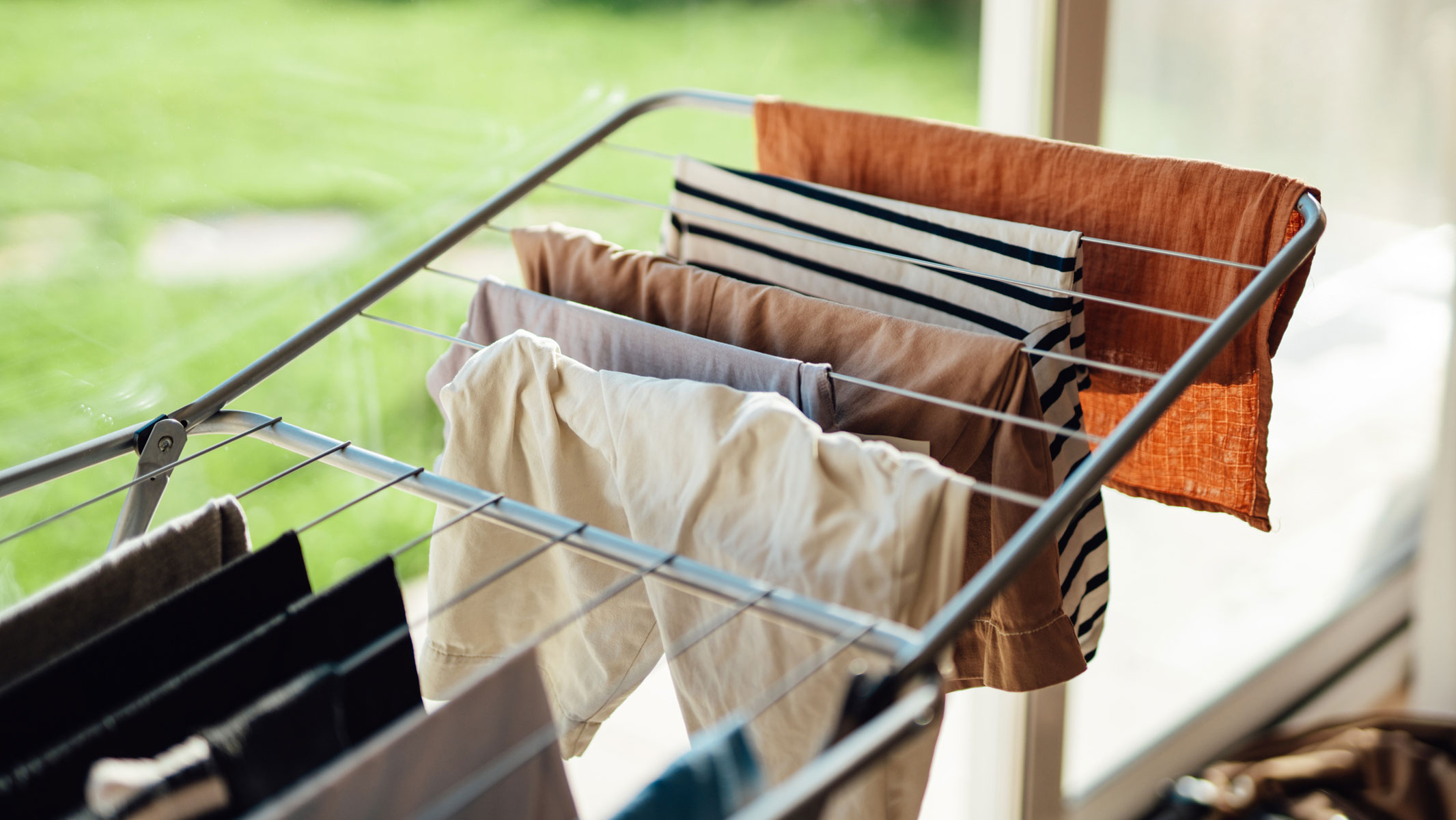
Similar to changing your clothes upon returning home, it's a wise idea to avoid drying your laundry outside during hay fever season.
In much the same way as pollen can attach to your clothing when out, it is the same if you dry your laundry outside. You are leaving your clothes prone to that transmission, which will then come into your home and into your wardrobe or cupboard. By drying your laundry indoors, whether that be on an airer or in a tumble dryer, you will be reducing the risk of bringing pollen into your home and contaminating other surfaces and/or clothes.
"Like other small particles, pollen settles on surfaces and may become embedded in fabric, including carpet, curtains and bedding. It is important to regularly clean surfaces — wiping down hard surfaces with a damp cloth, vacuuming carpets and furniture fabric, and washing rugs and curtains," said Melanie Carver of AAFA.
Use a vacuum cleaner with HEPA filters
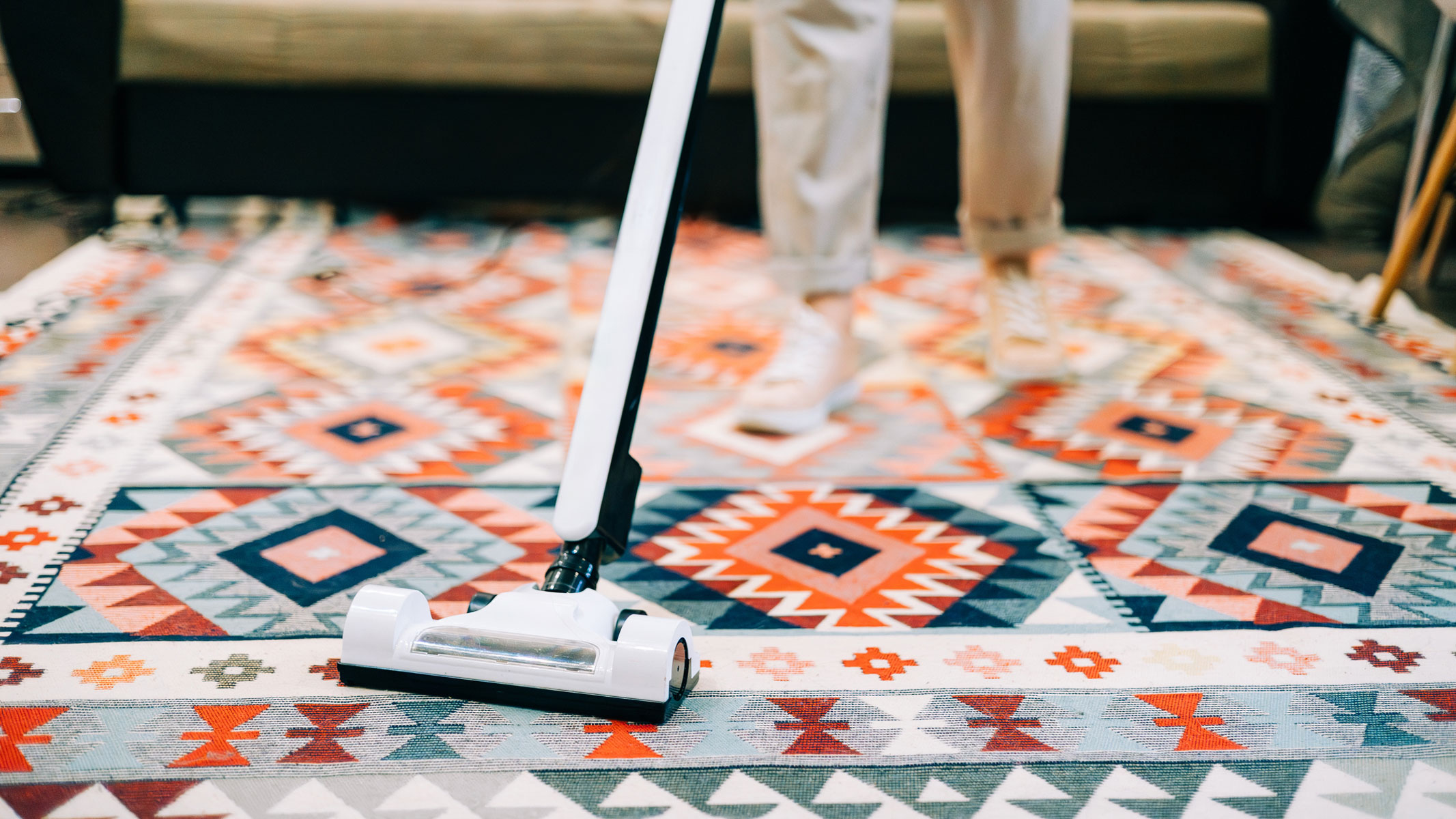
As we mentioned earlier, air purifiers are a great way to keep the air in your home allergen-free (or at least reduced). Air purifiers use HEPA filters to make sure this removal of allergens is effective, and some vacuum cleaners also use these filters to ensure effective removal.
Hoovers with HEPA filters work by capturing microscopic particles, such as pollen, by trapping these particles within the filter. Vacuum cleaners without HEPA filters may not effectively trap these allergenic particles and instead release them back into the air. Therefore, we recommend using or investing in a vacuum cleaner that uses HEPA filters.
"HEPA — high efficiency particulate air — filters on vacuums can be a useful tool in reducing pollen and other allergens from the home," said Melanie Carver.
"Taking care to change your vacuum cleaner’s filters regularly helps ensure they operate most effectively to reduce allergens. Many vacuums, even those with HEPA filters, stir up a lot of debris into the air. People with sensitive airways should consider wearing a mask when vacuuming or have someone without asthma/allergies do the vacuuming, while the person with asthma/allergies stays out of the room for several hours until the dust settles. For some people, removing wall-to-wall carpeting may be a better solution."
Melanie Carver also offered tips on what to look for in a vacuum if you are a hay fever sufferer. "When choosing a vacuum cleaner, look for the following," she said. "The vacuum must be proven to remove surface allergens, dust released when changing the vacuum bag or canister should remain low, exposure to allergens while changing the bag or cleaning the canister should be low, water-based collection systems must not negatively impact the relative humidity of the air and carpet and water-based collection systems must have a care code that emphasizes the importance of mold growth prevention in the collection system."
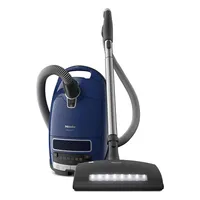 Miele Complete C3: $1,356.10 at Amazon
The Miele Complete C3 is a powerful vacuum that uses HEPA filters to trap pollutants, including pollen. It has a sealed system, and with the HEPA filter, it can trap 99.99% of allergens, making this a great choice for hay fever sufferers.
Read moreRead less▼View Deal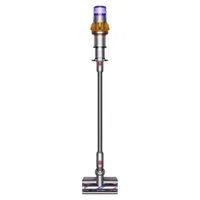 Save 16% ($120)Dyson V15: was $749.99 now $629.99 at Amazon
If you're after a cordless HEPA filter vacuum, the Dyson V15 is a good option. A cordless vacuum can make it easy and quick to nip around, which may be especially beneficial to those with hay fever. Plus, this Dyson has a washable filter and has been engineered with pets in mind — another member of the family who may bring pollen inside.
Read moreRead less▼View Deal Kat BaylyContributing expert
Kat has a Master's degree in Psychology from the University of Glasgow, with her dissertation focusing on the impact of mental health and deprivation on connection with urban nature. She also has over 10 years of yoga teaching experience with further training in supporting injured students. She is qualified to teach Yin Yoga, Hormone Yoga Therapy and more traditional forms of Hatha yoga. Published in T3, Fit and Well, Tech Radar and Ekhart Yoga to name a few, she also has a certificate as a Yoga Therapy Practitioner. Kat previously worked with those impacted by severe mental illness.
View MoreYou must confirm your public display name before commenting
Please logout and then login again, you will then be prompted to enter your display name.
Logout LATEST ARTICLES 1Divers find marble treasure from Athens' Acropolis in Lord Elgin's shipwrecked brig at the bottom of the Aegean Sea
- 2All 5 'letters' of DNA found on an asteroid speeding through our solar system. What do they tell us about the origins of life?
- 3Artemis II: NASA is preparing for a return to the moon, but why is it going back?
- 4Forget about the Big Spring Sale — these 9 early fitness deals leave Amazon far behind
- 5Iran war could push global food insecurity to record levels, leaving 363 million people hungry