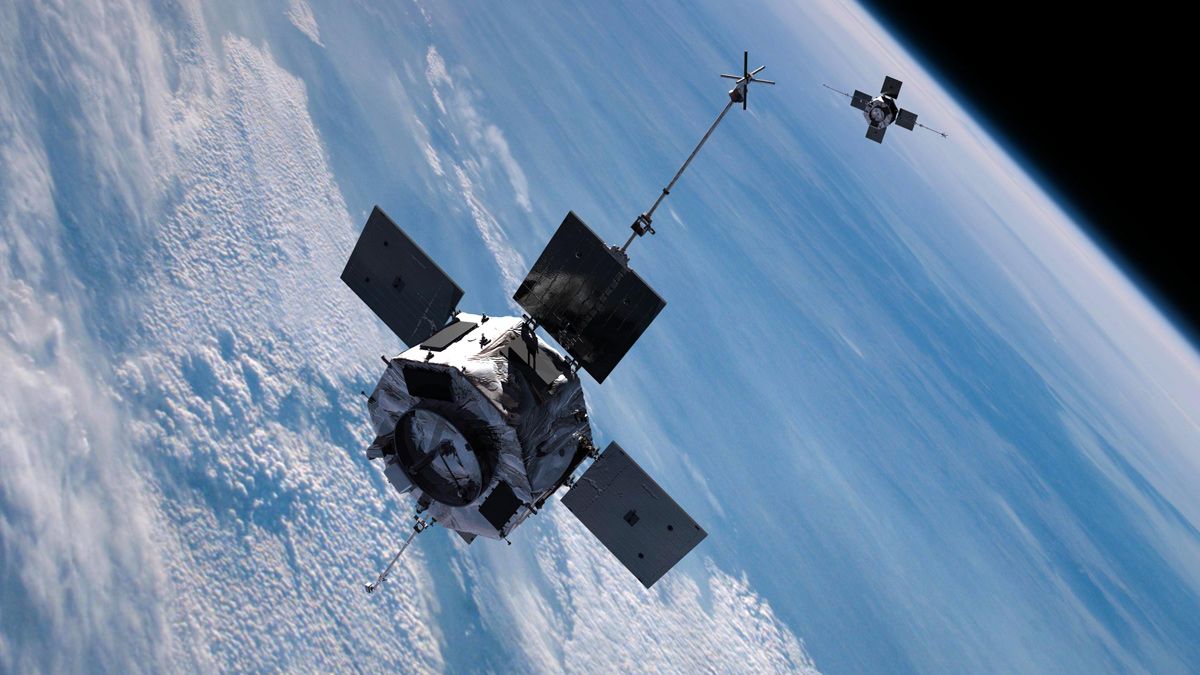
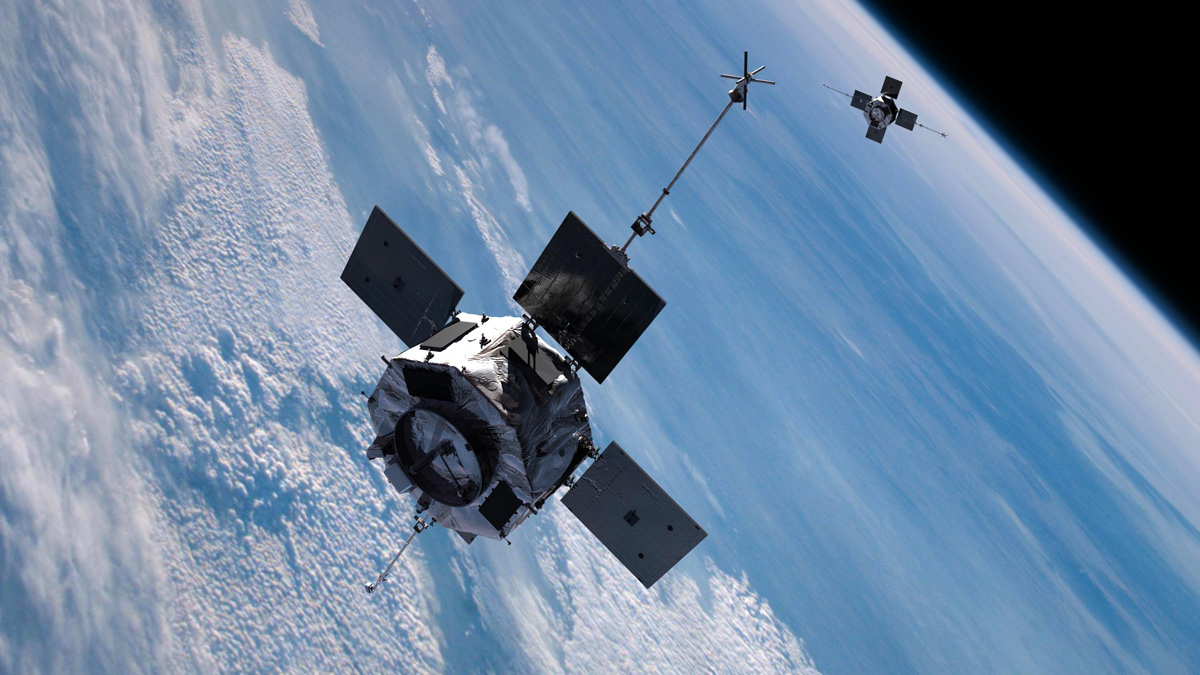
 A variety of space tech uses or emits different types of radiation. One new study proposes a new material that could help to shield that radiation, protecting instruments as well as humans in the process. (Image credit: JHU/APL, NASA) Share this article 0 Join the conversation Add us as a preferred source on Google Newsletter Subscribe to our newsletter
 Scientists have developed a new material that could shield humans and critical technology from harmful radiation, and it's thinner than a human hair and stretches like rubber.
Radiation is a major factor to consider when astronauts go to space – and it isn't just space radiation. There are a wide variety of technologies needed to get to space that involve radiation, including medical devices, semiconductors, power plants and even spacecraft themselves. Often, such radiation is integral to the function of these technologies, but the downside is that it can pose risks to damaging or interfering with other nearby tech as well as possible health risks to humans.
Article continues below"This material represents a completely new concept in shielding technology — it is as thin as tape and as flexible as rubber, yet simultaneously blocks both electromagnetic waves and radiation," lead author Joo yong-ho at the Extreme Environment Shielding Materials Research Center of the Korea Institute of Science and Technology said in a statement.
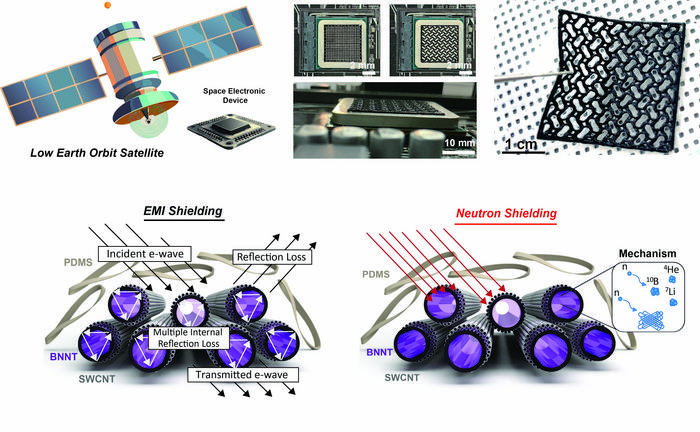
When you think about space and radiation dangers, you might think of space radiation, which permeates outer space and poses health risks to astronauts traveling to low-Earth orbit and beyond. But other types of radiation are used in the technologies needed to go to and explore space, which poses a variety of other issues. Different types of radiation being emitted between different technologies in the process of developing or using those technologies can cause a variety of issues. For example, electromagnetic waves and neutron radiation from one piece of tech can cause semiconductors in another part to malfunction.
To make matters more complicated, there are many humans involved in spaceflight beyond just astronauts. From engineers to technicians, there are a variety of people who might benefit from better radiation protection when dealing with technologies they create for the space sector.
The new material was made with two different types of nanotubes: carbon nanotubes and boron nitride nanotubes. Carbon nanotubes are conductive, meaning electricity and heat can move through them, and both types of nanotubes absorb and reflect electromagnetic waves. Boron nitride nanotubes, on the other hand, capture neutrons. Together, the two nanotube categories can work together to block 99.999% of electromagnetic waves and 72% of neutron radiation.
While its effectiveness at blocking radiation and extremely lightweight nature are the most compelling details of this material, its stretchiness could lend to even more benefits. The material can be stretched to double its length, and this flexibility actually allows it to be 3D-printed. The researchers explored different 3D-printed shapes with the material, and found that when printed into a honeycomb shape, the structure improved its ability to shield against radiation by 15%.
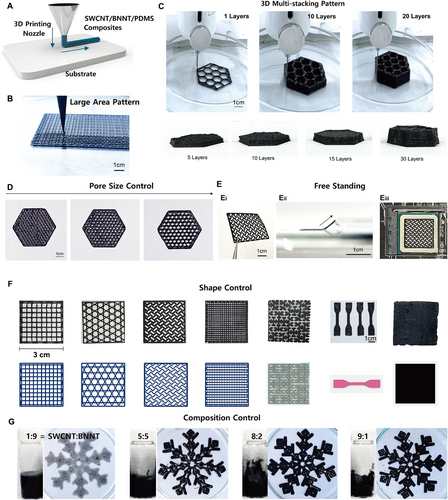
Above all, the team behind this new material suggests that it could be a game-changer in blocking radiation without adding too much extra weight — a major plus for space missions because every ounce matters when propelling payloads beyond our planet. And the technologies that could benefit are wide-ranging, from satellites to space stations — and even to protective gear for those working in space and the space sector.
The development of this new material was described in a study published March 4 in the journal Advanced Materials.
View MoreYou must confirm your public display name before commenting
Please logout and then login again, you will then be prompted to enter your display name.
Logout Chelsea GohdContent Manager
Chelsea Gohd served as a Senior Writer for Space.com from 2018 to 2022 before returning in 2026, covering everything from climate change to planetary science and human spaceflight in both articles and on-camera in videos. With a M.S. in Biology, Chelsea has written and worked for institutions including NASA JPL, the American Museum of Natural History, Scientific American, Discover Magazine Blog, Astronomy Magazine, and Live Science. When not writing, editing or filming something space-y, Gohd is writing music and performing as Foxanne, even launching a song to space in 2021 with Inspiration4. You can follow her online @chelsea.gohd and @foxanne.music