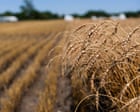
Temperature swings have left crops across the Plains in terrible conditions, with some farmers opting not to harvest
Merrill Nielsen’s wheat crop looked healthy after he planted it in the fall on his 2,500-acre farm in north-central Kansas, about 50 miles west of Salina, the plants benefiting from higher-than-normal November rainfall.
But an abnormally warm and dry winter, followed by extreme temperature variability, stressed the developing wheat. In the winter-to-spring transition, temperatures fluctuated from 70 to 80F on some days and lows in the teens or low 20s on other days.
Continue reading...