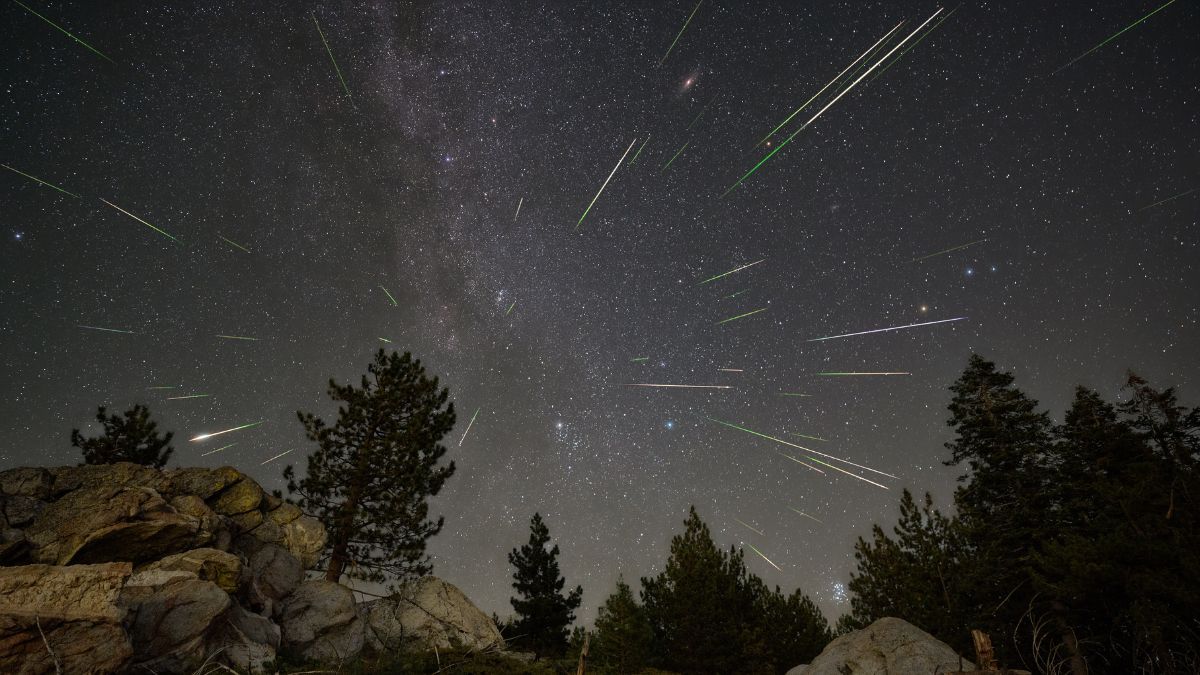
People keep asking me about the total solar eclipse on August 12. That's understandable. For anyone in the Northern Hemisphere, it is shaping up to be a joyous day of astronomy. Totality will cross eastern Greenland, western Iceland and northern Spain, but much of Europe will see a very deep partial eclipse, and even parts of North America will see a small bite taken from the sun. Then, just hours later, the Perseid meteor shower will peak beneath perfectly moonless skies. What a double-act!
The problem with promoting days and nights like that is that they make us think skywatching is only worth doing at very specific times. Everything becomes about moments, peaks and countdowns. That rings true for an eclipse, of course, but for the Perseids, it's less so.
The Perseid meteor shower actually begins right now. It's active from July 17 through August 24. Yes, it reaches a strong maximum overnight on August 12-13, where observers under ideal dark skies could see 50 or more "shooting stars" per hour. That's absolutely the night to aim for if you only go stargazing once a month. But for stargazers with a little more time, the hunt can begin right now.
The best Perseid is the first one you see. In these weeks before the peak, there's less expectation, less focus on the weather. An unexpected streak while you are outside feels accidental.
For me, it often happens when I've stopped observing properly for the night. Last summer, I was moving my telescope indoors late at night after a fairly unremarkable session looking at a few globular clusters. As I went back inside, I did my usual pause and look at the stars one last time. As I did, my peripheral vision caught a bright meteor whizzing across rooftops in the northeast. Summer's meteor season had begun with a bang when I least expected it to.
The Perseids officially build gradually over several weeks as Earth slowly enters the broad debris stream left behind by Comet Swift-Tuttle. It was last in the inner solar system in 1992 and will return in 2126. The peak around August 12—13 marks the densest part of the stream, but in mid-July, only a handful of meteors will appear each hour. That's exactly why early Perseids feel so special — you stumble across a meteor when you least expect it. Its gradual beginning also explains why some of the earliest Perseids can be surprisingly dramatic. The shower is famous for bright fireballs — large, vivid meteors that sometimes leave glowing trails lingering for several seconds. Even when overall meteor rates remain low in July, a single bright Perseid can add some magic to a night's observing.
What's happening and when to look
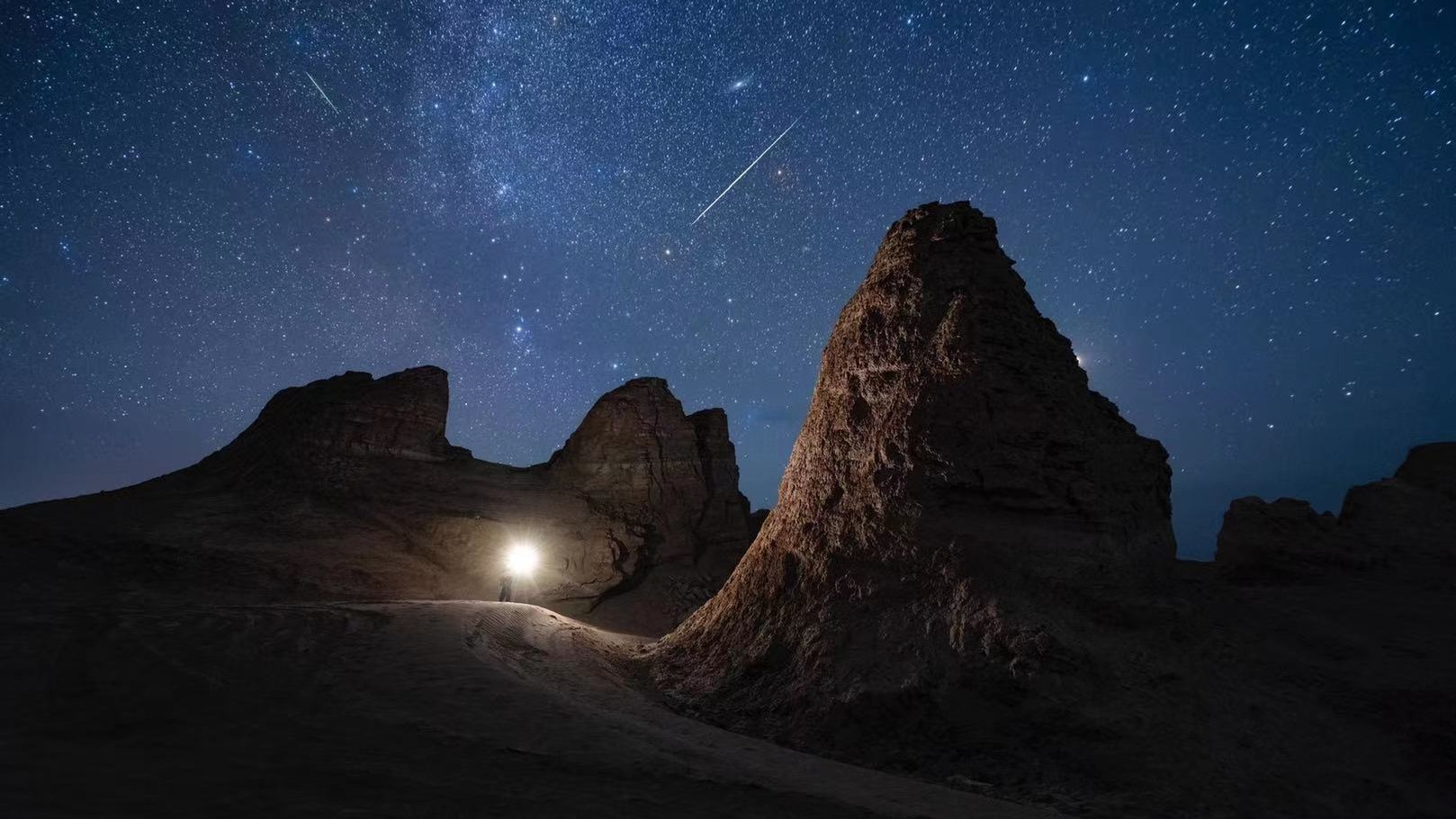
If you want to begin watching for Perseids this week, the best time is after midnight through the small hours before dawn, when the radiant constellation, Perseus, climbs higher in the northeastern sky. "Shooting stars" can appear anywhere in the night sky, but if their paths backward point roughly toward Perseus, it's a Perseid. That's what gives the shower its name.
There's more to look at than Perseids because July is quietly crowded with other meteor showers. The Southern Delta Aquariids begin strengthening through the second half of the month. From southern latitudes, they can produce roughly 25 meteors per hour under dark skies, though observers farther north tend to see fewer because the radiant stays low in the southern sky. These meteors are usually softer and subtler than Perseids — medium-speed streaks without many dramatic fireballs or glowing trails.
Running alongside them are the Alpha Capricornids, active from early July into mid-August. Technically, this is a weak shower, often producing only a handful of meteors per hour, but it compensates with unusually bright, slow-moving fireballs.
Unfortunately, both showers peak this year beneath an almost full Buck Moon on July 30-31, which will wash out many fainter meteors. But bright meteors and fireballs should still occasionally punch through the moonlight.
Every year, Earth passes through the path of Comet Swift-Tuttle. With the Perseid meteor shower's peak occurring when Earth passes through the densest, dustiest area. (Image credit: Future)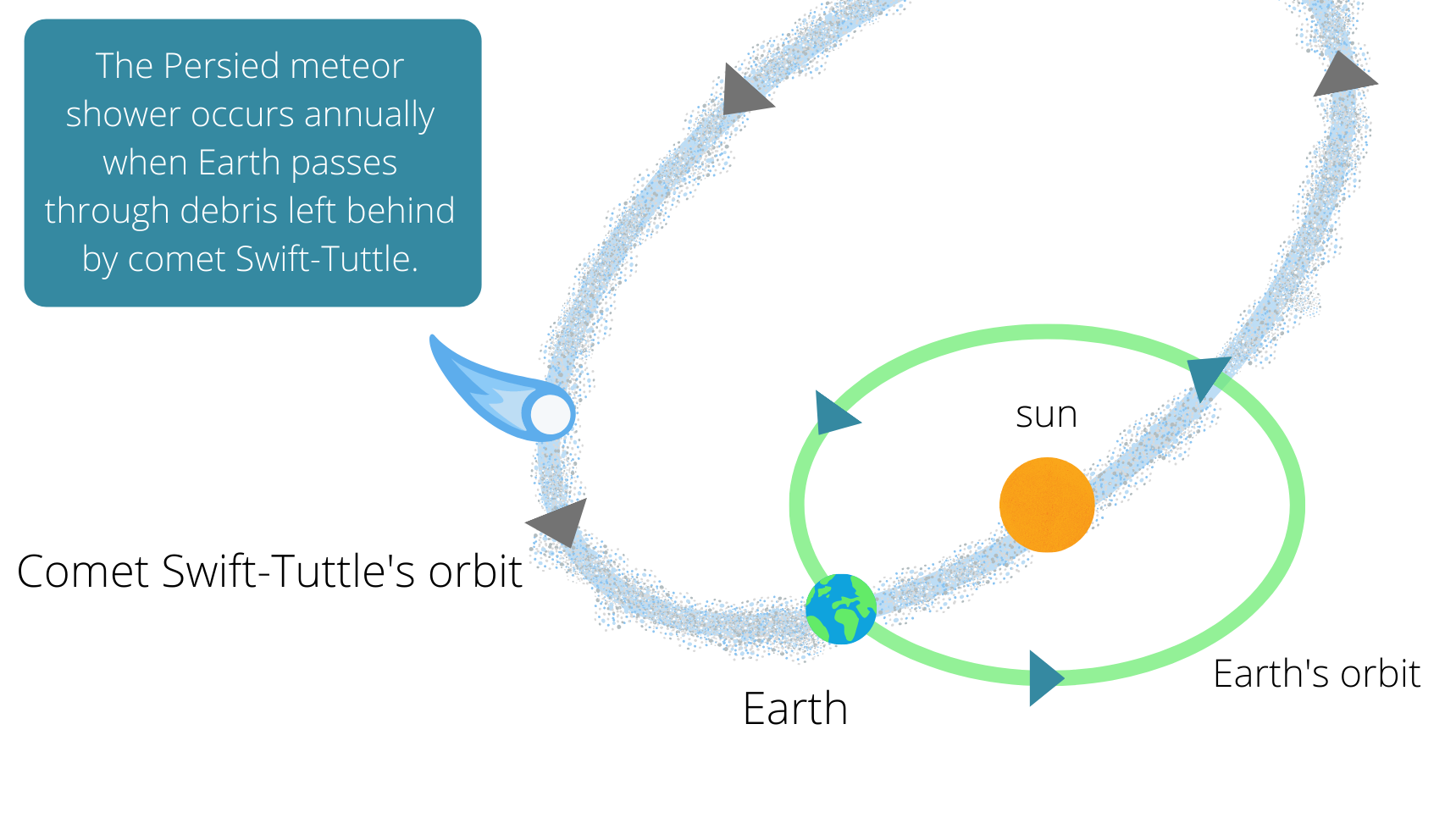
How and when I'm watching it
I will probably begin meteor season the same way I always do: accidentally. I'll increase the odds by lingering outdoors slightly longer than necessary on warm nights, staying up later than I should and using my smart telescope to collect data on deep-sky objects while I search the skies for the first Perseid. It's best done now, before the moon waxes to full, and certainly before early August, when it wanes — the worst moon phase for observing meteors because it's in the sky just as meteor activity peaks.
Stargazer's corner: July 17-24, 2026
See a crescent moon and Venus on July 17. (Image credit: Starry Night)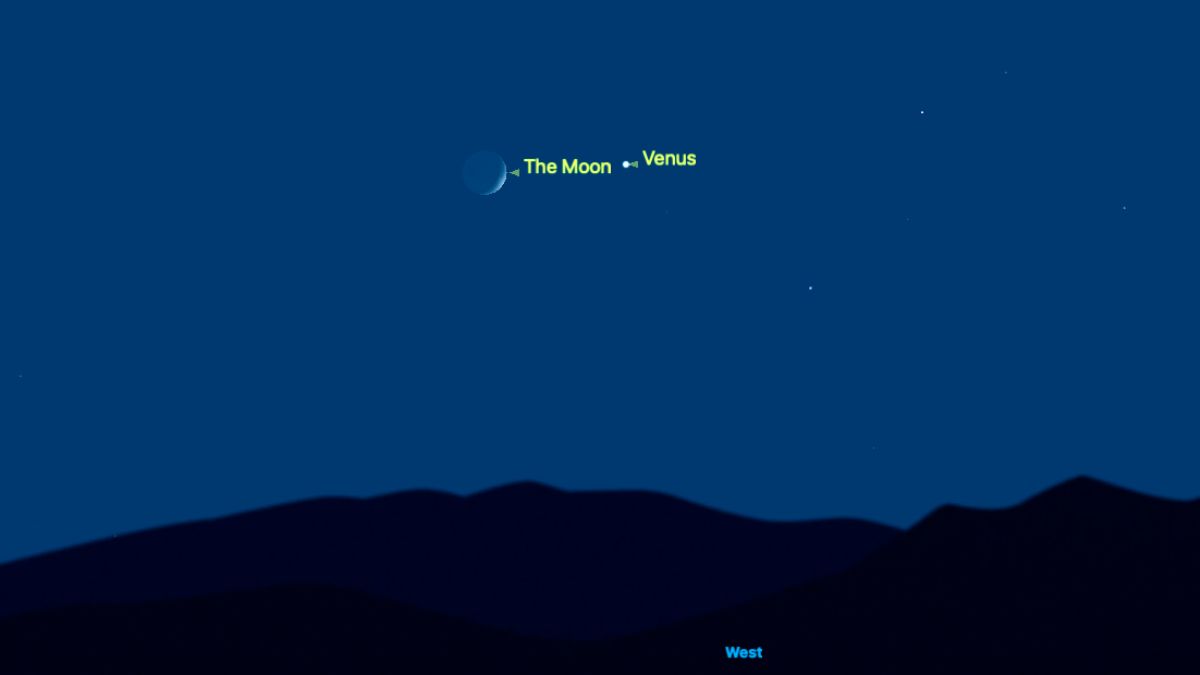
With a new moon on July 14, this weekend is perfect for watching the return of a waxing crescent moon to the night sky. Look low in the west during dusk on Friday, July 17, to see a 16%-illuminated waxing crescent moon to the left of Venus. Watch it climb higher into the evening sky night after night, leaving genuinely dark late-night skies once it sets. It's good timing for the first serious Perseid-watching session of the season, particularly after midnight when meteor activity naturally increases as Earth rotates into the direction of travel around the sun.
Meanwhile, the Summer Triangle — formed by Vega, Deneb and Altair — hangs almost overhead during the darkest hours, making this one of the easiest seasonal star patterns for beginners to learn. Saturn now rises comfortably before midnight and dominates the southeastern sky by dawn, when it's joined by Mars and the stunning Pleiades open cluster.
Constellation of the week: Perseus
The constellation Perseus. (Image credit: E. Slawik/NOIRLab/NSF/AURA/M. Zamani)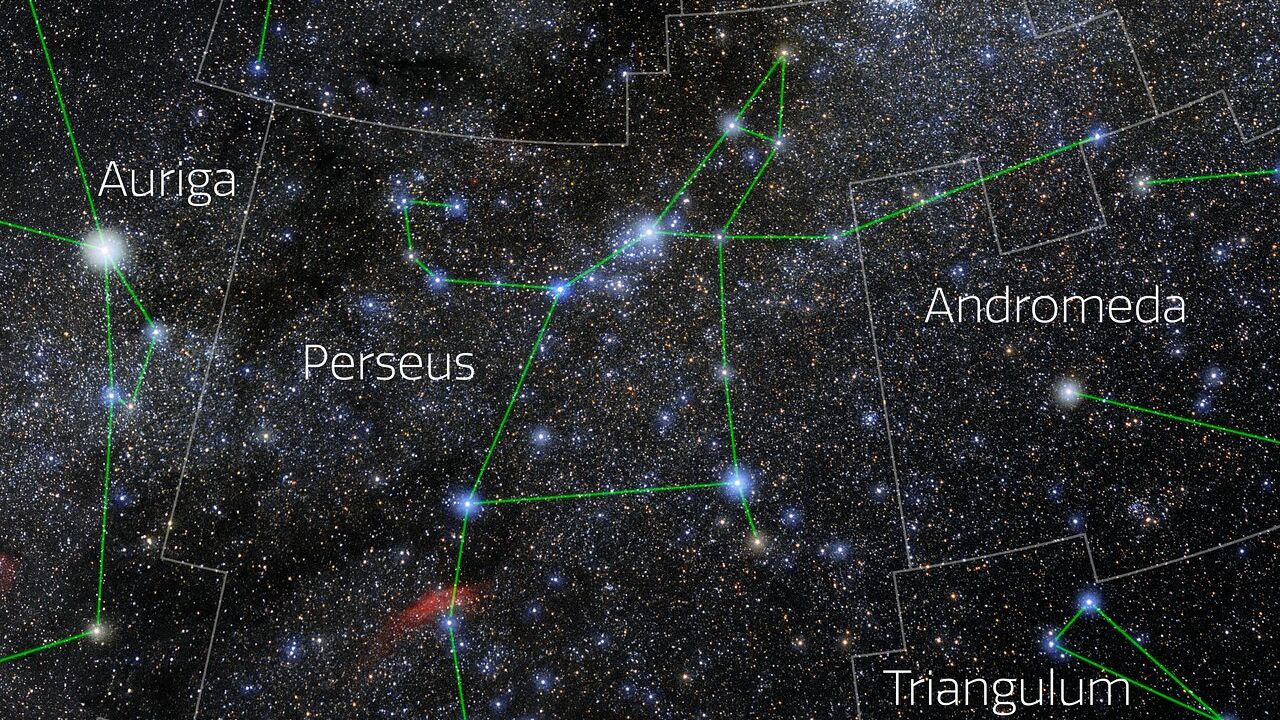
Perseus, "The Hero," never quite looks how beginners expect. Rising into the northeastern night sky around midnight this week between bright star Capella and Saturn in the east, its name suggests something dramatic, but the constellation itself appears more like a loose chain of stars stretching below Cassiopeia in the northeastern sky. At this time of year, Perseus rises late, which is why the best Perseid activity happens after midnight once the radiant climbs higher. Beginners often assume meteors appear only near the radiant itself, but the longest and most impressive Perseids usually streak much farther away across the sky. Perseus matters less as a viewing target than as a reminder that meteor showers are fundamentally about perspective. The meteors are not actually emerging from the constellation at all — Earth is simply driving through comet debris head-on.


