Breaking space news, the latest updates on rocket launches, skywatching events and more!
Contact me with news and offers from other Future brands Receive email from us on behalf of our trusted partners or sponsors By submitting your information you agree to the Terms & Conditions and Privacy Policy and are aged 16 or over.You are now subscribed
Your newsletter sign-up was successful
Want to add more newsletters?
An account already exists for this email address, please log in. Subscribe to our newsletter The first quarter moon shines over the city of Yorba Linda, California in March 2026. (Image credit: Zachary Cooper)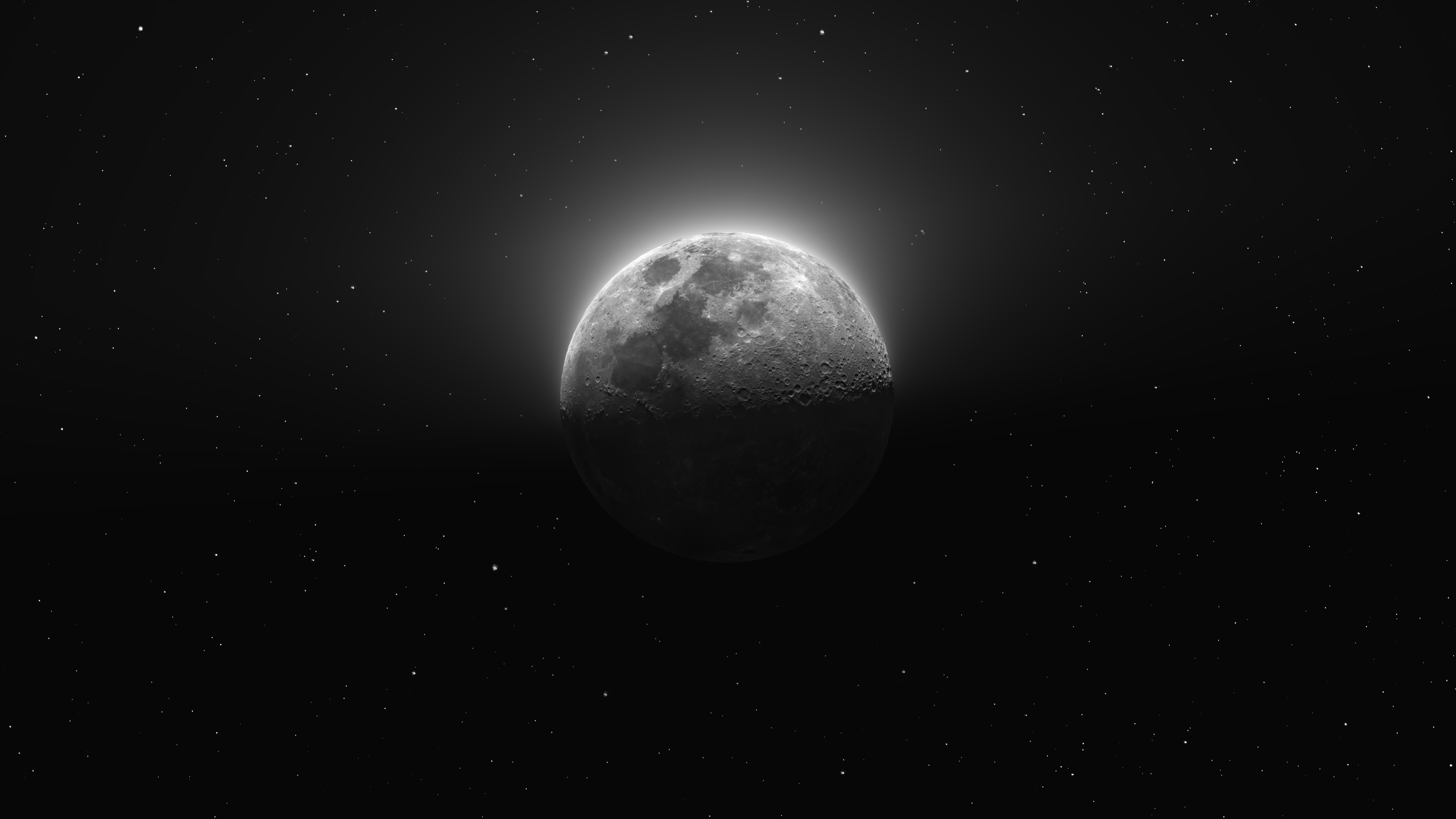
Astrophotographer Zachary Cooper created this magnificent view of March's first quarter moon, using clever editing to reveal dramatic detail and shadows on the sunlit side, while also capturing the ethereal glow of "earthshine" on its shadowed half. Here's how he did it.
Dark lunar seas, bright young craters and dramatic shadows dominate the moon's ancient surface near the line where night and day collide, known as the terminator — or, as Cooper calls it, the "sunset strip".
However, this is no ordinary picture of the waxing moon. It's a clever composite, created by capturing and merging multiple photos with different settings to tease out detail on both the sunlit and shadowed sides of the lunar disk.
"Many people are surprised to learn that the night side of the Moon, when facing Earth, isn't actually completely dark. Sunlight reflecting off the oceans and clouds of Earth slightly illuminates the unlit portion of the Moon, in a phenomenon known as "Earthshine." However, this gentle glow is incredibly dim when compared to the illuminated side, and it's impossible to properly capture both in one photograph."
Cooper's telescope and astronomy camera at work imaging the lunar disk. (Image credit: Zachary Cooper)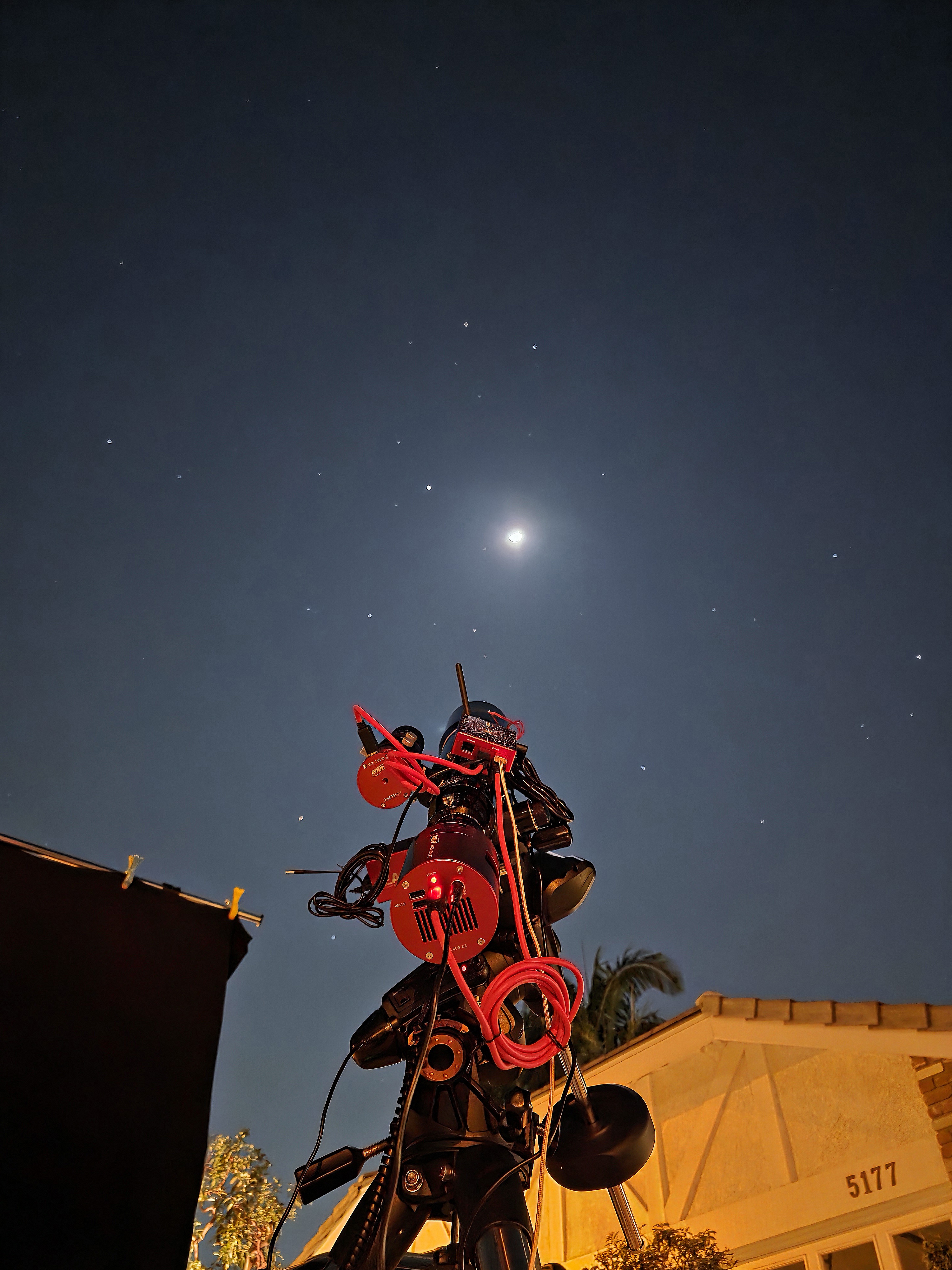
To compensate, Cooper captured 150 individual 5-millisecond exposures of the moon and combined the best 15 frames to create a detailed view of the sunlit half. He then took a further 100 5-second exposures, combining the top 10 frames to reveal faint earthshine illuminating the dark side.
Cooper's next challenge was to painstakingly merge the two components into a single, unified image — a task that proved particularly difficult around the terminator, where the two halves met.
"That area is full of intense contrast, which is great for detail, but challenging to blend," explained the photographer. "To give the final image some depth and context, I kept the stars and lunar glow from the 5 second exposures and softly blended them in around the Moon."
The end result is a gorgeous portrait of Earth's natural satellite, which combines the silvery glow and long, detail-laden shadows of the daylight side with the otherworldly suggestion of earthshine.
Celestron Inspire 100AZ 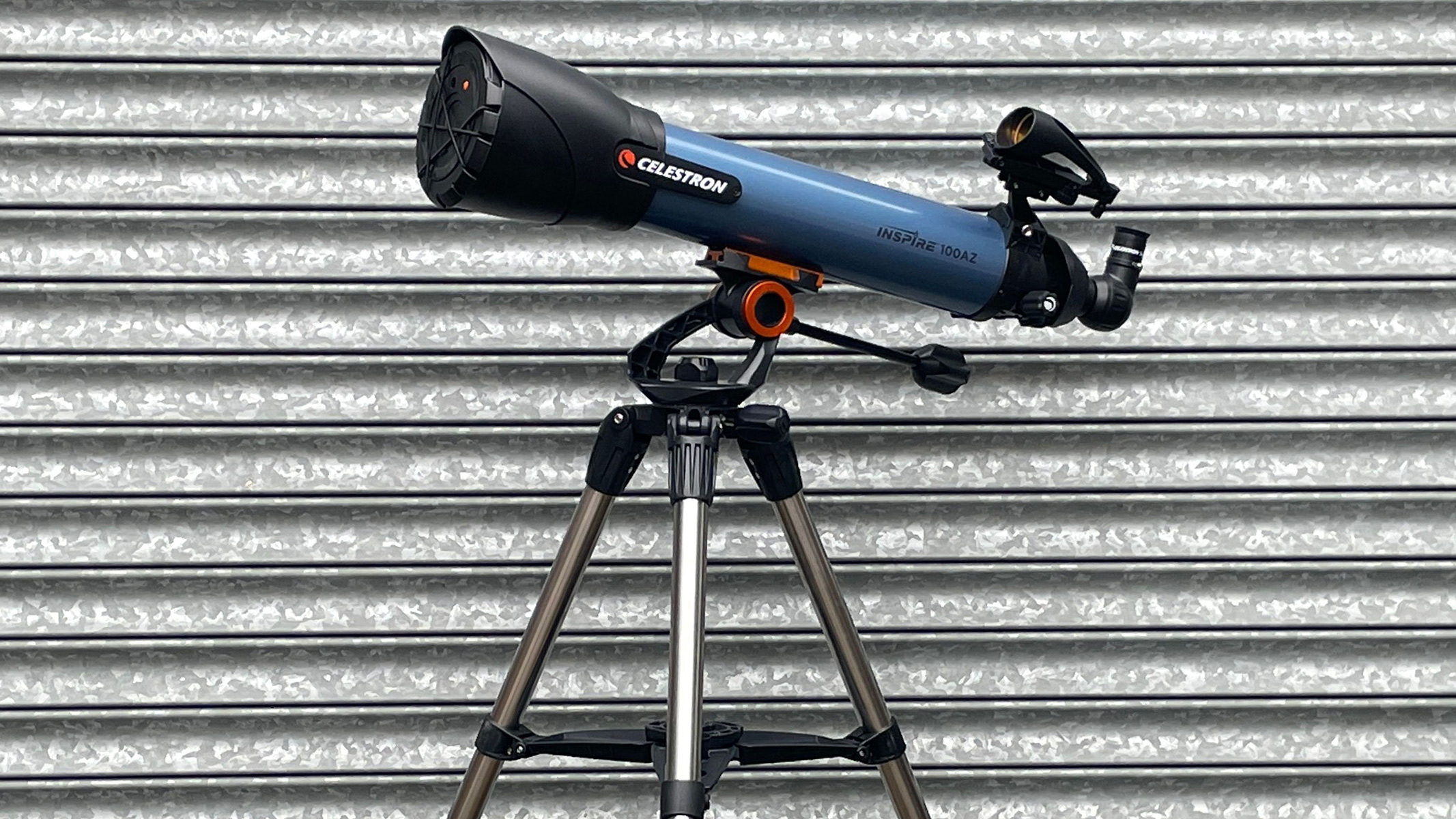
The Celestron Inspire 100AZ is, in our opinion, the best beginner telescope for viewing Earth's moon and the planets and even provides an opportunity to do some basic astrophotography. Why not take a look at our Celestron Inspire 100AZ review to find out more?
"That moment of completion was incredibly rewarding, as I felt like I had finally represented the first quarter moon as it might appear in person," continued Cooper. "I often thought of the perspective of the Artemis II astronauts approaching the Moon as I worked on the project. In that way, the image became more than just a photography project. It's a glimpse of the Moon as a destination, not just something we observe from afar."
Want to capture your own detailed photos of the moon? Then why not check out our guide to imaging the lunar disk using a DSLR or mirrorless camera? If you're looking to upgrade your equipment, then you should also peruse our roundups of the best lenses and cameras for astrophotography.
Editor's Note: If you would like to share your moon photos with Space.com's readers, then please send your image(s), along with your comments, name and the location of your shoot to [email protected].
 Anthony WoodSkywatching Writer
Anthony Wood joined Space.com in April 2025 after contributing articles to outlets including IGN, New Atlas and Gizmodo. He has a passion for the night sky, science, Hideo Kojima, and human space exploration, and can’t wait for the day when astronauts once again set foot on the moon.
View MoreYou must confirm your public display name before commenting
Please logout and then login again, you will then be prompted to enter your display name.
Logout MORE FROM SPACE... 115 expert-checked places to see the 2026 total solar eclipse in Spain, Iceland and Greenland
- 2Best space prison movies
- 3Satellite snaps amazing 36th birthday pic of Hubble Space Telescope (photo)
- 4From Apollo to alien worlds: 4 'firsts' you can spot in the night sky tonight
- 5Why do some starburst galaxies mysteriously shut down? New study provides clues