Set across mid-twentieth century Japan, RGG's latest has an entirely new fighting system.
By Mat Smith June 11, 2026 10:00 am EST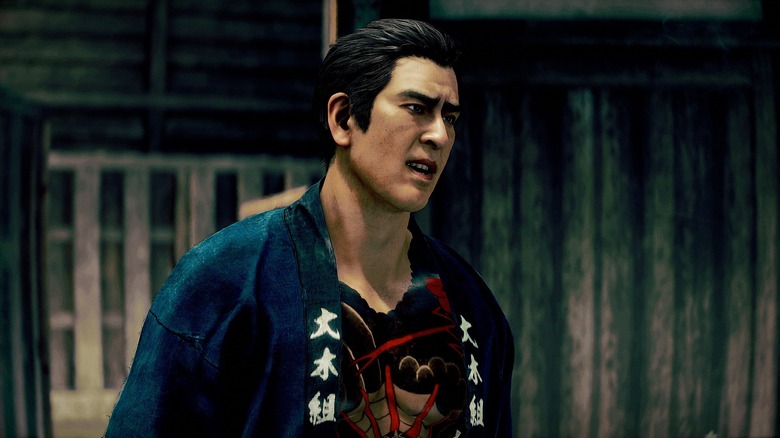 Sega
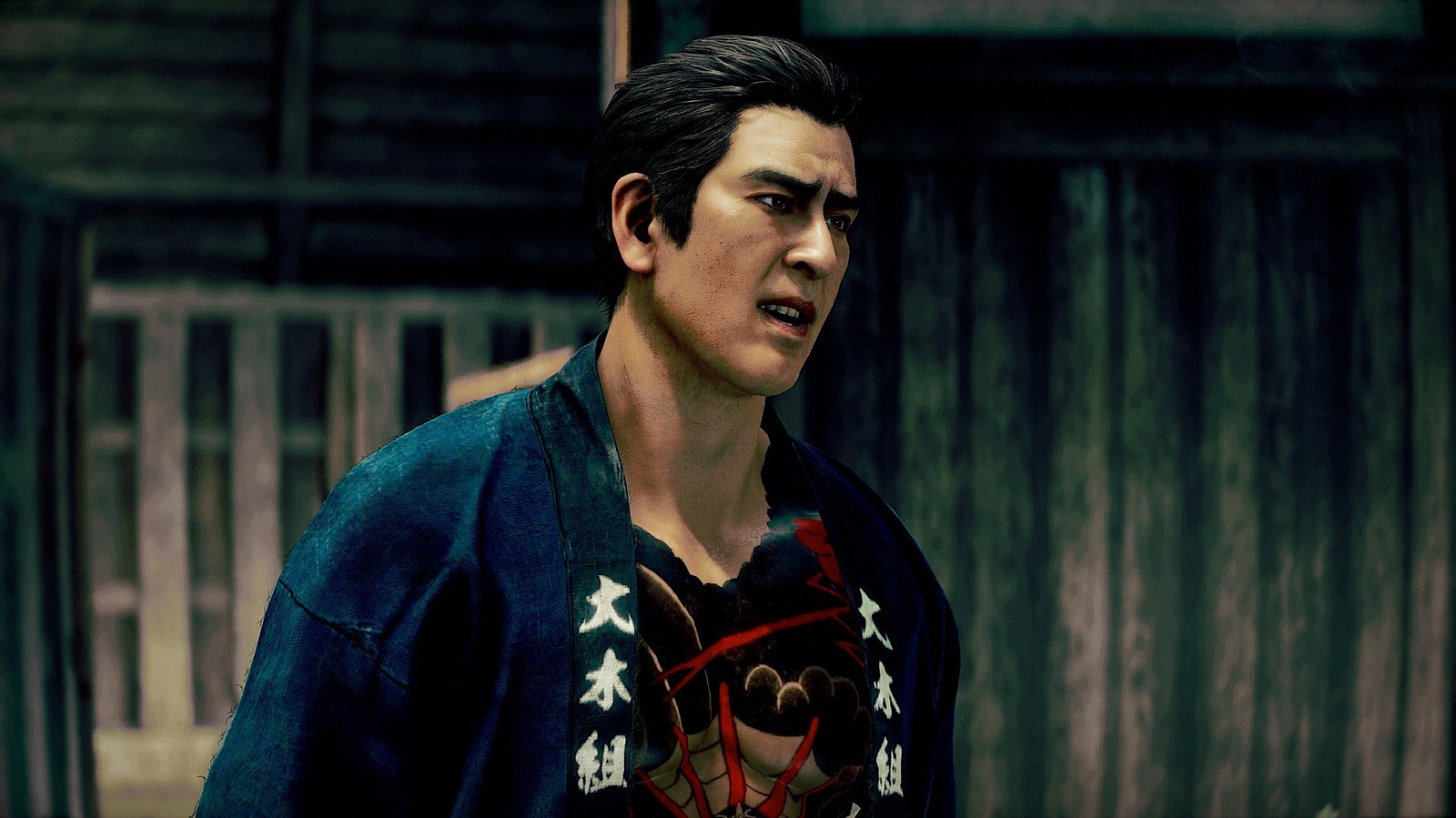
Sega Sega made a splash during this year's Summer Game Fest opening showcase, revealing that a digitally resurrected Tupac will feature in the forthcoming Stranger Than Heaven. Snoop Dogg even took the stage to talk about working with the rapper's estate. While my hands-on with the game wasn't a full dive into the world of Stranger Than Heaven, exploring one of the five cities and eras, it was an extensive demo showcasing the fighting system. It demands that kind of focus, as it's an entirely new system compared to RGG Studio's decades-long Yakuza series.
Attack inputs are categorized into left and right sides, RB and RT control your right hand and leg, LB and LT for your left side. During my time with the demo, the trigger buttons led to slower, harder-hitting blows. Each can be held to charge up an attack, while combining LT and RT leads to grapple moves If you time them right. Releasing a charged attack at the ideal moment seemed to be crucial, too.
Several new combat dynamics come from this new system. Each side is blocked separately, meaning you can block (or parry) an attack while readying a counter with the other side. Grab moves feel practically like a street brawl, tackling enemies through furniture or even tumbling down steps, together. Pin them to the floor and you can then rain blows down on your opponent.
Unlike most of the Yakuza titles, weapons appear to be a more core aspect to fights. Protagonist Daigo will be able to eventually upgrade the knives, mallets and other equipment he finds.
Sega has teased that, over a journey spanning 50 years, special weapons could range from "masterworks of old" to brand-new inventions. Well, new in the '60s. Some weapons will even come with their own special attacks, usually involving a downed enemy.
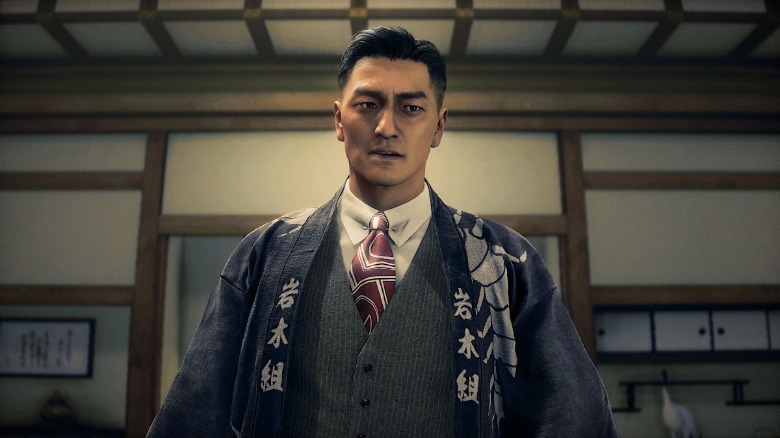
Sega set up three different demos to feel out the combat system. First, a relatively easy fight against a group of thugs that focused on fighting a group and using your opponent's weapons against them. This was followed by a more challenging fight against another gang led by a towering heavy that hit much harder.
 Sega
Sega Fortunately, you start the fight with a heavy crowbar that was unusually heavy and slow to swing. This fight was where you could really feel a difference to the mostly button-mashing dynamics of Kiryu et al. I'm not sure if I prefer it?
Stranger Than Heaven's system seems to demand more from the player (which isn't necessarily a bad thing) and the final fight was a big example of that. Facing off against a tattooed topless guy chilling in Osaka with his katana demanded some Souls-like levels of timing and dumb luck. I eventually managed to beat him because of the latter.
The enemy would heal himself if left alone and would occasionally kneel down, goading the player to approach him before unleashing a swift slice. Perfectly timed parries (or dodges) were crucial, enabling powerful counterattacks, as were follow-up attacks when he was downed. During this fight, my character was equipped with a short knife and could use both weapon attacks with his left hand and punch and kick with his right hand. It seemed that each weapon creates a different range of attacks.
I'll admit, I missed the ability to ram a mafia underling into a microwave or other ridiculous contextual moves. Hopefully, some showpiece moves will appear in the full game — Sega has teased fights on moving vehicles, which is at least a start.
This was a demo focused on combat, so I'm intrigued to see how the rest of the game shapes up. Hopefully, STH holds on to some of the ridiculous humor of Like a Dragon and Yakuza. It was a welcome shift in tone from all the melodrama and violence.
Stranger Than Heaven is scheduled to launch on January 15, 2027 on PS5, Steam and Xbox Series S/X.