 Image source, Ocean Conservation Trust/PA WireImage caption,
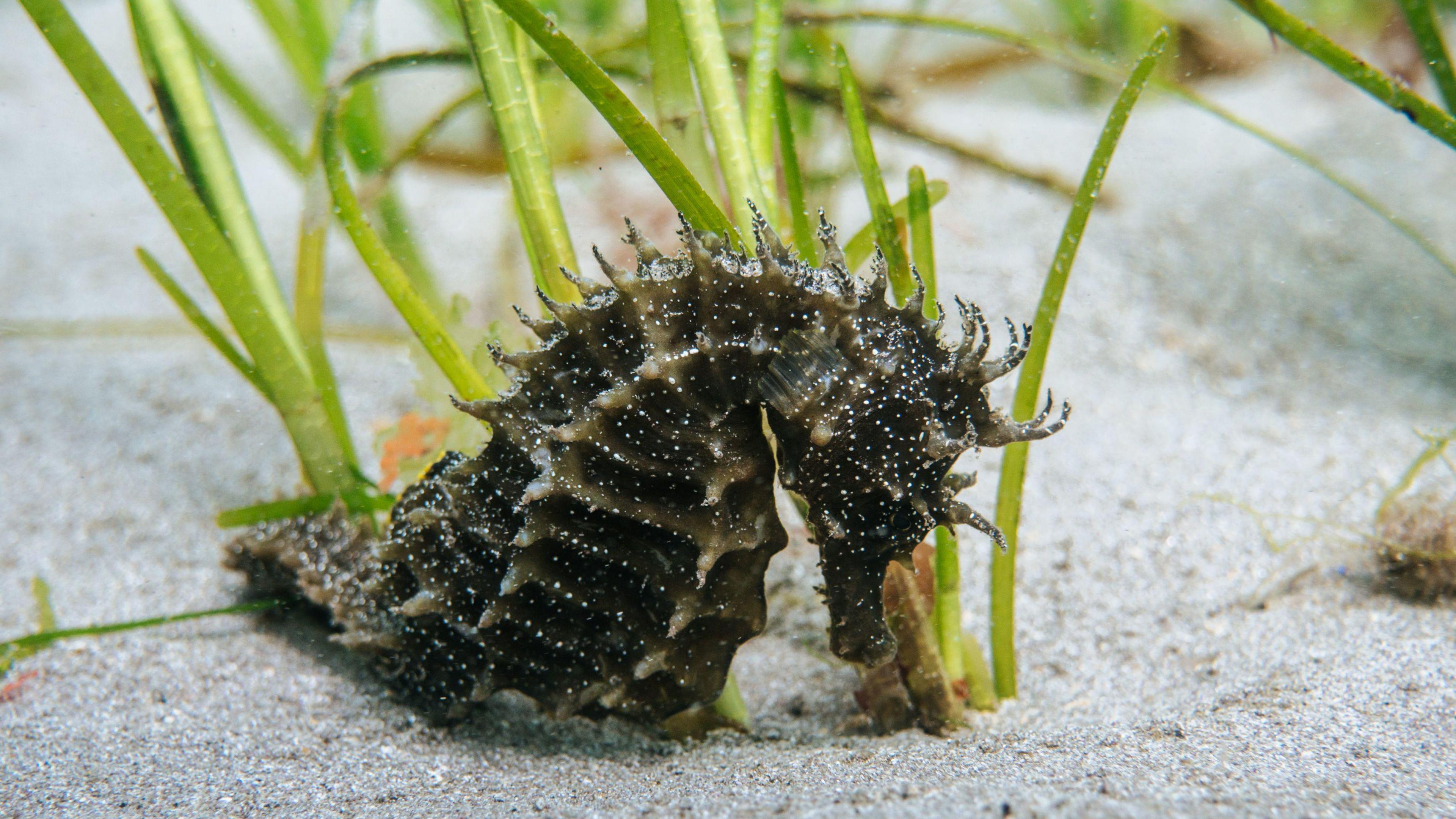
 The project aims to protect species like the long snouted seahorse
ByJulia GregorySouth West- Published4 hours ago
Looe Harbour Commissioners and the Ocean Conservation Trust have joined forces to protect one of the largest seagrass meadows in the South West.
They installed special sensitive habitat marker buoys to highlight seagrass areas in Looe Bay and protect the "remarkable" habitat, said the trust's Eden Stevens.
The buoys mark a voluntary no-anchor zone, to encourage water users to avoid anchoring, reduce seabed damage, and protect declining seagrass habitats.
They have also fitted three Advanced Mooring Systems (AMS) - designed as a low-impact alternative to traditional anchoring, which suspend chains above the seabed using mid-water floats to prevent disturbing sensitive habitats.
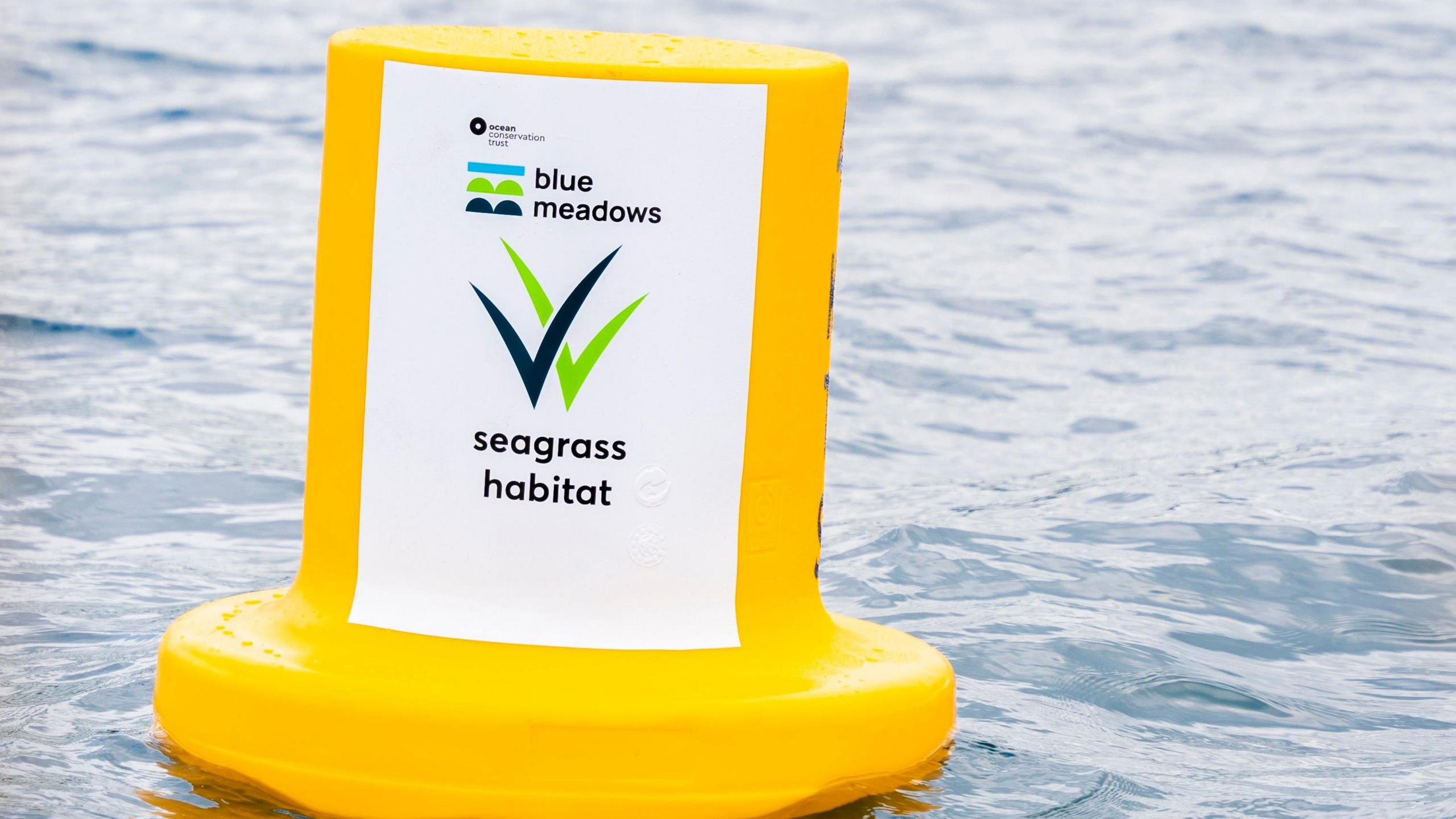 Image source, Ocean Conservation TrustImage caption,
 The buoys mark a voluntary no-anchor zone to protect the seagrass
It is part of the Ocean Conservation Trust's Blue Meadows programme across the south coast to protect seagrass ecosystems.
The trust said seagrasses could store "vast amounts of carbon", support a diversity of marine life, and help to stabilise our coastlines.
It is estimated about 40% of the UK's seagrass has been lost since the 1940s. Pollution, and disturbance from anchoring, bottom trawling and dredging and coastal development have all contributed to its decline, the trust said.
Looe Harbour Commissioner Dave Bond said protecting the seagrass was "essential to the long-term health of our marine environment."
Follow BBC Cornwall on X, external, Facebook, external and Instagram, external. Send your story ideas to [email protected], external.
Related topics
Sewage and agricultural pollution having 'alarming' impact on UK's underwater forests
- Published2 May
Largest UK seagrass restoration project to end
- Published3 December 2024