 Image source, National Peatland Action ProgrammeImage caption,
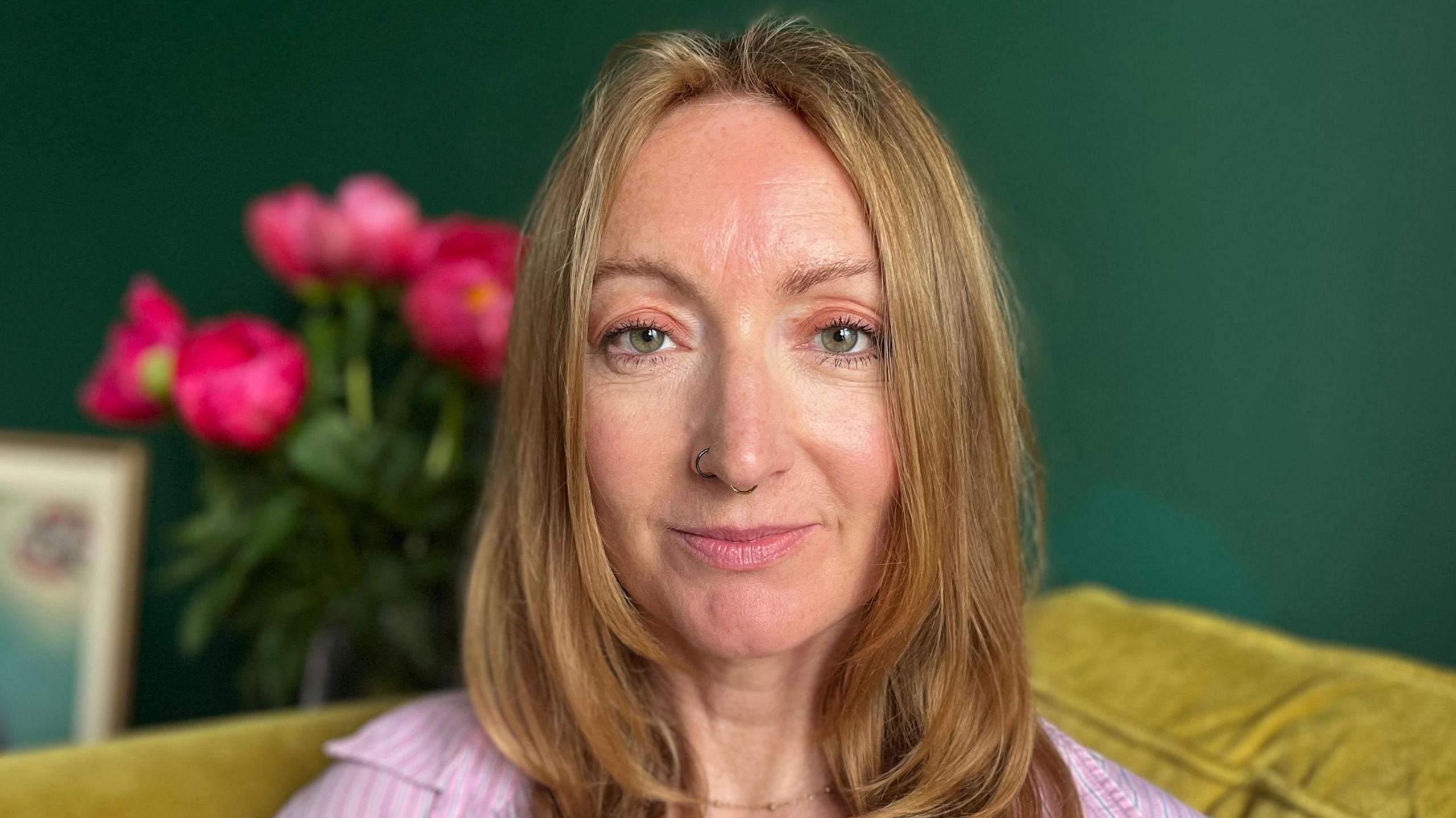
 Dr Peter Jones says his passion for bogs began when he was just eight
ByRowenna HoskinBBC Wales- Published3 minutes ago
Dr Peter Jones has spent the past 30 years immersed - quite literally - in bogs, fens and wetlands, trying to help save the planet and earning himself the nickname The Bogfather in the process.
These landscapes are now at the forefront of the climate crisis and Jones has been making an offer that policymakers are finding hard to refuse, a nature-based solution that tackles climate change, flooding, wildfires and biodiversity loss all at the same time.
Peatlands store 30% of Wales' land-based carbon, despite covering only 4% of the surface, but they are about 90% degraded, meaning they leak greenhouse gases instead of storing them.
Healthy peatland can slow the flow of water, helping prevent flooding, and act as natural firebreaks during wildfires - both of which are expected to become more common as the climate warms - and protecting them has become Jones's lifelong mission.
"I certainly wouldn't have come up with that myself," he laughs when asked about his nickname.
"A couple of our younger, enthusiastic colleagues started calling me that."
But the name stuck and, given how much work he has done to restore peatland, few would argue with it, said colleague Hanna Huws.
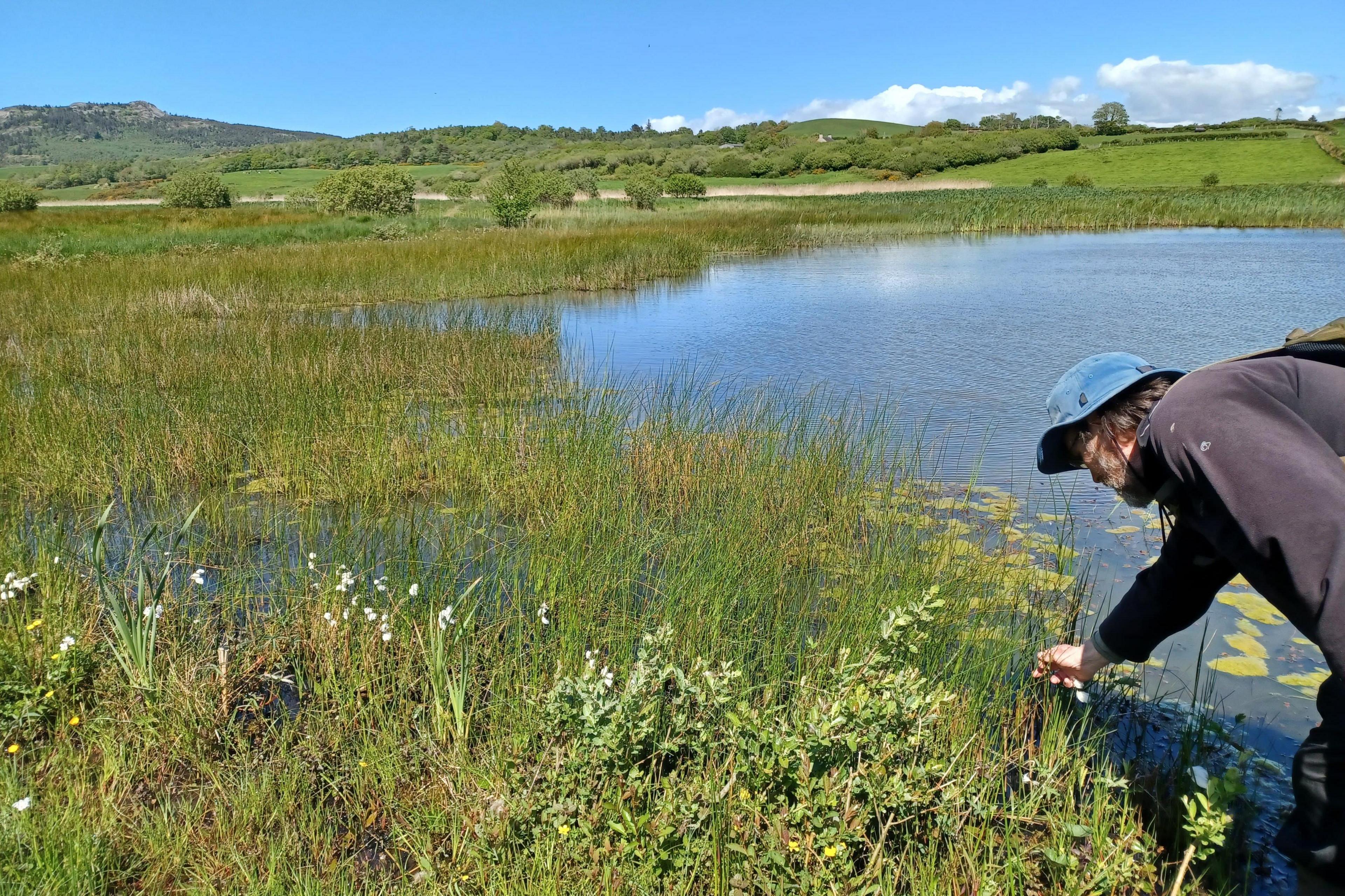 Image source, National Peatland Action ProgrammeImage caption,
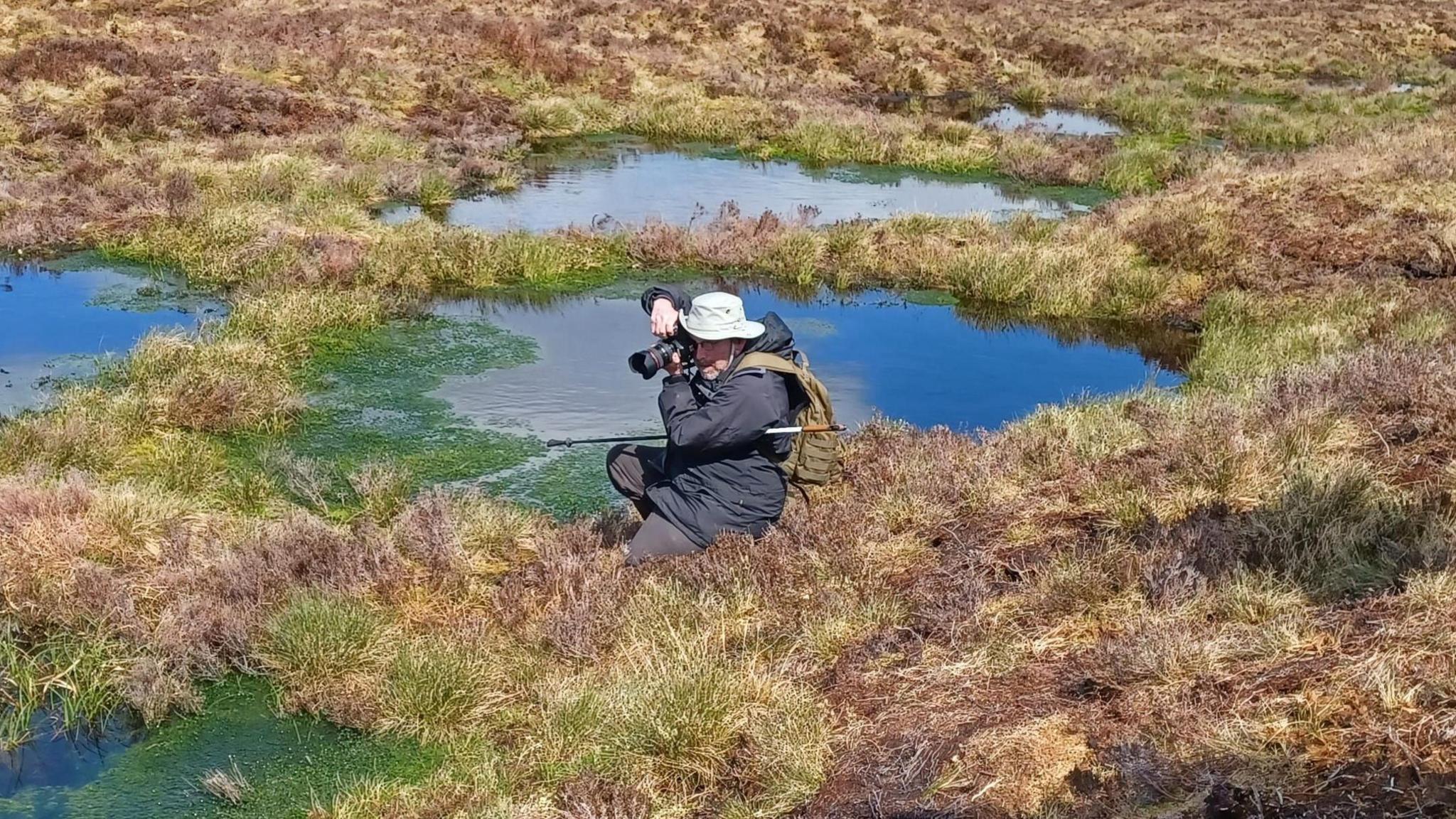
 Peter Jones studied plant science at Cardiff University
Jones's interest in the natural world began with birds, but his passion for peatland was ignited at age eight during a drizzly visit to Cors Caron, a national nature reserve near Tregaron.
Now in his 60s, his love of peatland has endured and it often means he stops on walks to investigate, "probably much to the annoyance of my long-suffering family," he laughed.
Jones said wetlands were among the UK's last truly natural places and "endlessly interesting".
"They're quite wild... with a lot of the characteristics of genuinely natural habitat."
But it is what lies beneath that fascinates him most.
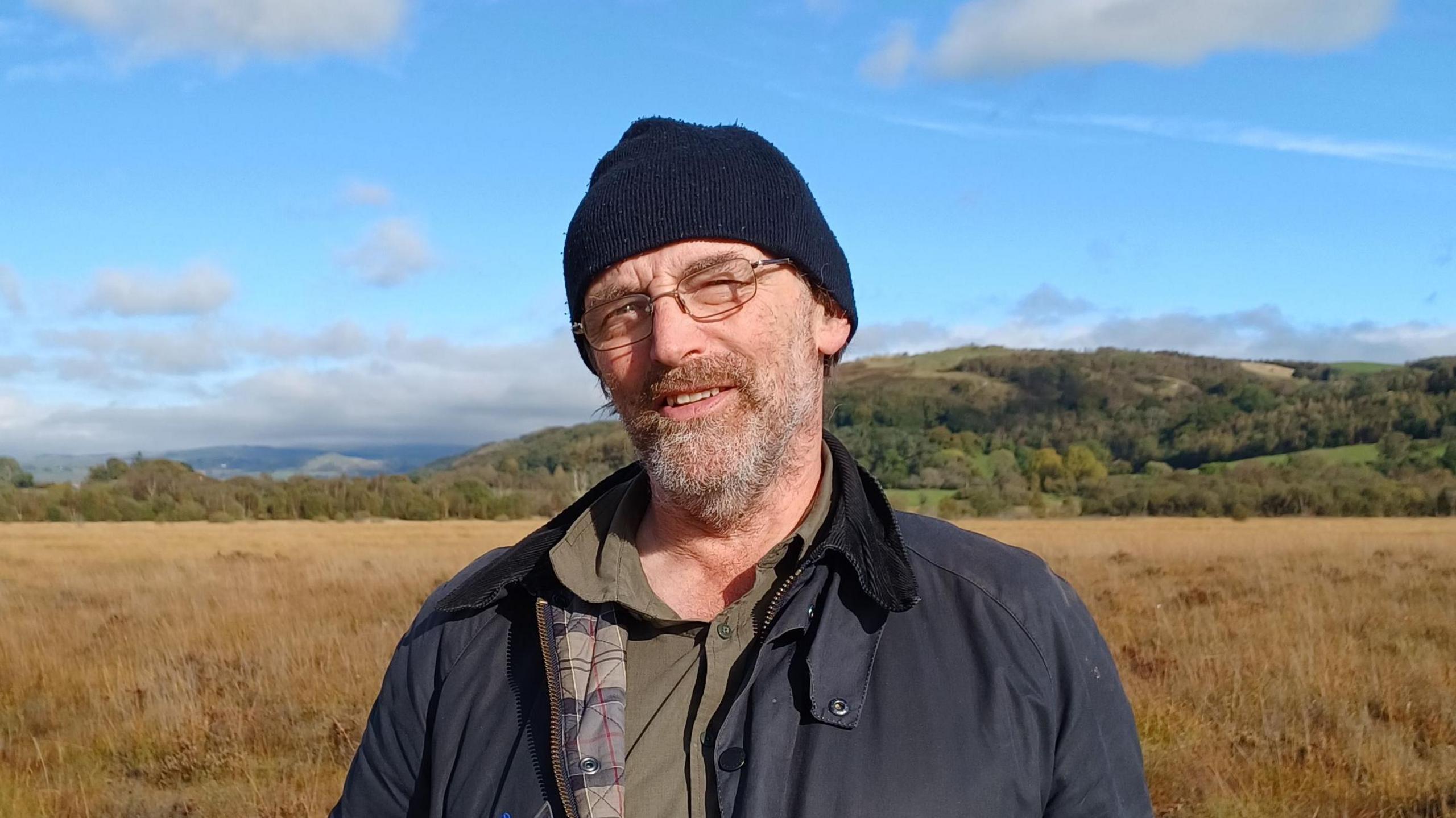 Image source, National Peatland Action ProgrammeImage caption,
 Peter Jones was awarded an MBE in 2024 for services to Welsh peatlands and to the community in Wales
"A peat soil is basically composed of the partially decomposed remains of plants.
"As the peat grows, it traps within it anything that falls on the surface... grains of pollen, dust, even bits of volcanic ash and even bigger objects," including bodies, he said.
The reason 90% of Wales' peatland is damaged is because it was historically "perceived as having relatively little value" so trees were planted and farmers were encourage to drain them for agriculture.
Jones said it had also played "an immensely important part of the cultural and social history of Wales".
"In past centuries rural communities may not have had very much money, there often wasn't very much wood around to burn and so peat was seen as a really important source of fuel."
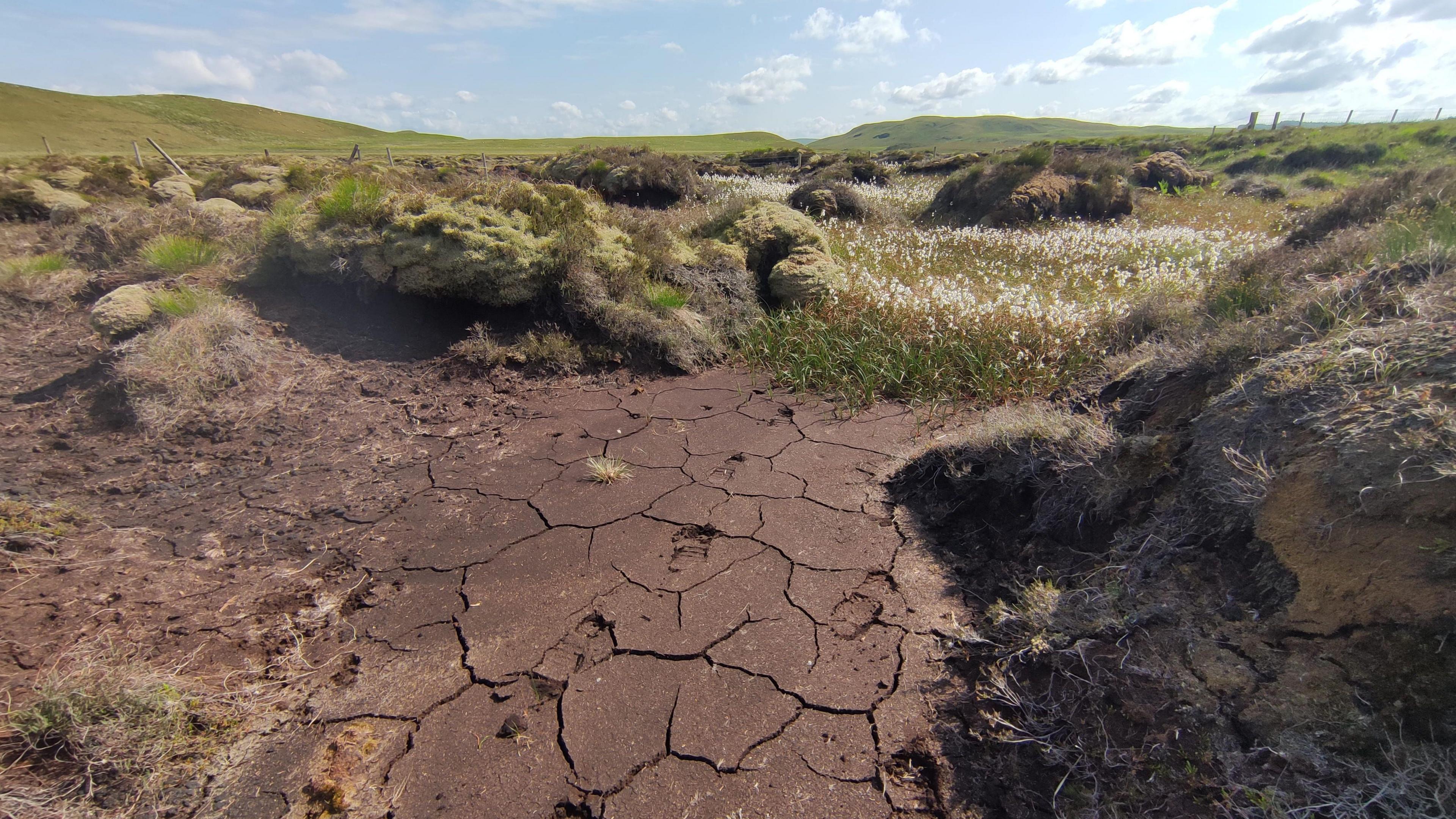 Image source, National Peatland Action ProgrammeImage caption,
 Damaged peatland happens when water is drained from the area
Damaged peatland is also "much more prone to erosion" leading to "peat cliffs" where "all the peat around it has been slowly eroded away by wind and rain right down to bedrock".
Jones said the best way to spot healthy peatland was the plants growing on it, "there'll be grasses, sedges, heathers, critically there will often be bog mosses of the genus sphagnum".
This moss, which can hold 20 times its own weight in water, is "really good at building peat".
Jones and his colleagues help farmers and landowners restore peatland which, when healthy, is home to "a whole range of animals, including many scarce or threatened invertebrates".
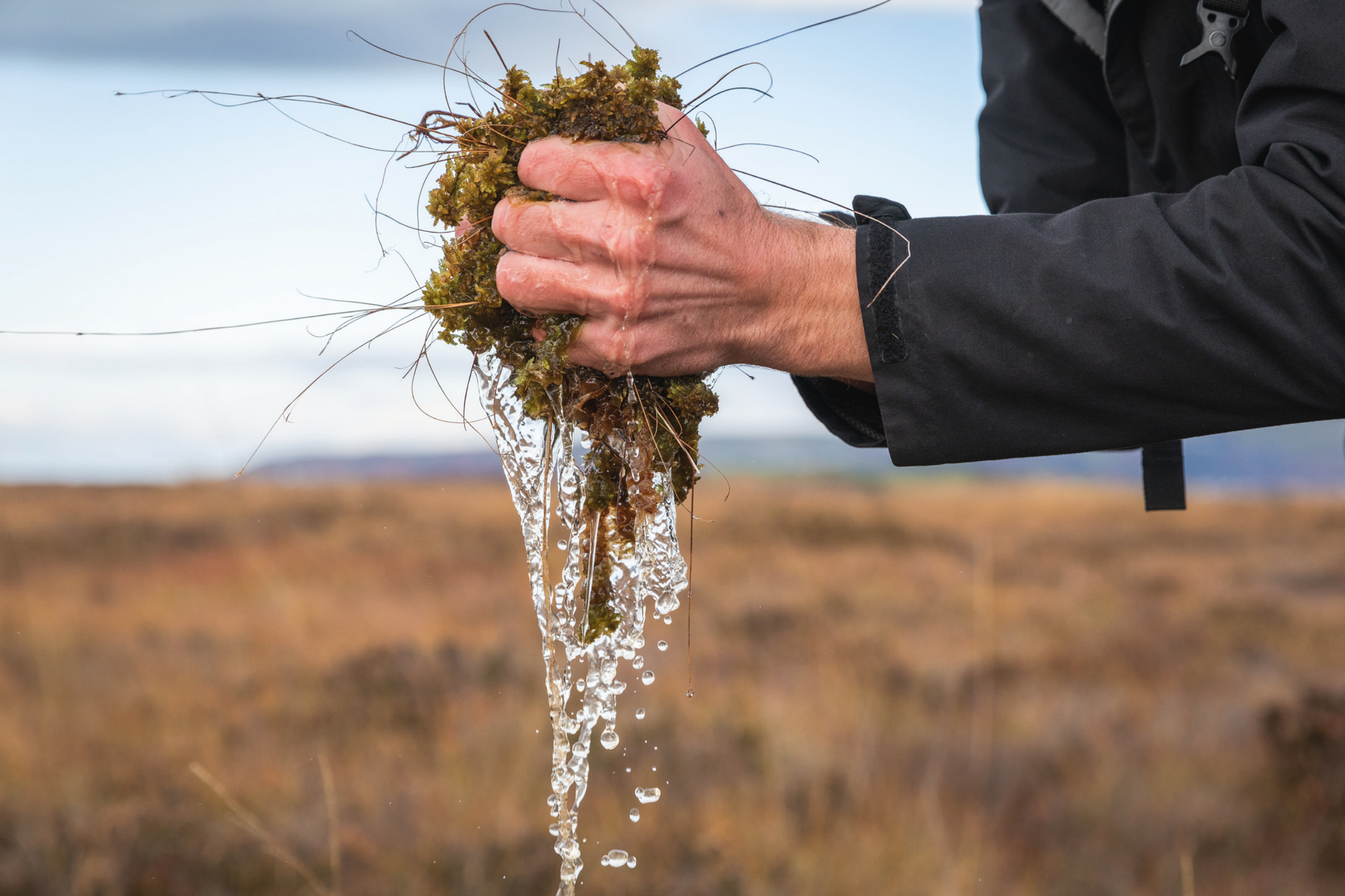 Image source, National Peatland Action ProgrammeImage caption,
 Sphagnum moss can hold 20 times its own weight in water, making it perfect for restoring wetlands
Jones said his favourite species was the fly orchid found in fens on Anglesey, where he lives.
"It's a fascinating plant," he said.
Despite the flowers looking like flies, they actually attract digger wasps, according to The Wildlife Trusts, external.
They release a scent mimicking a female's pheromones, luring in males that attempt to mate with them.
They are dusted with pollen, which they then carry to the next flower which deceives them.
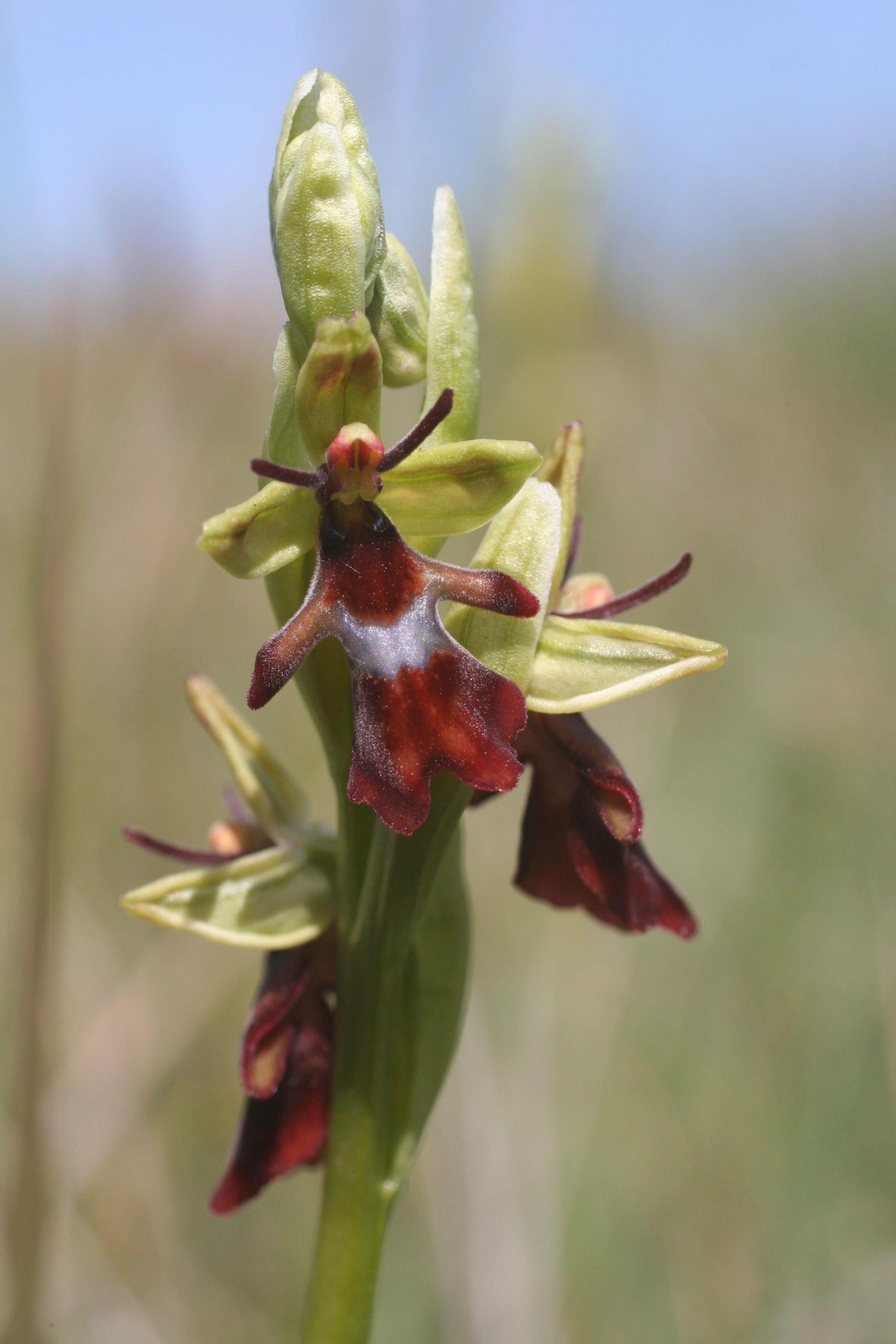 Image source, Peter JonesImage caption,
 The fly orchid attracts male digger wasps to pollinate them by deceiving them into believing them to be female wasps
Such interesting biodiversity relies on healthy peatland, which Wales does not have much of.
But there is hope.
There are more than 100 ways to restore peatland, including blocking drains and ditches and re-establishing bog vegetation.
If treated right, peat accumulates "about a millimetre a year," Jones said.
To put this into perspective, 1m (3.3ft) of peat can take up to 1,000 years to form.
Jones said Wales has been looking after some peatlands for more than 50 years, but society's wider awareness has started to improve in recent years.
"We're committed to getting up to restoring around about 1,800 hectares per year by the end of 2030-1."
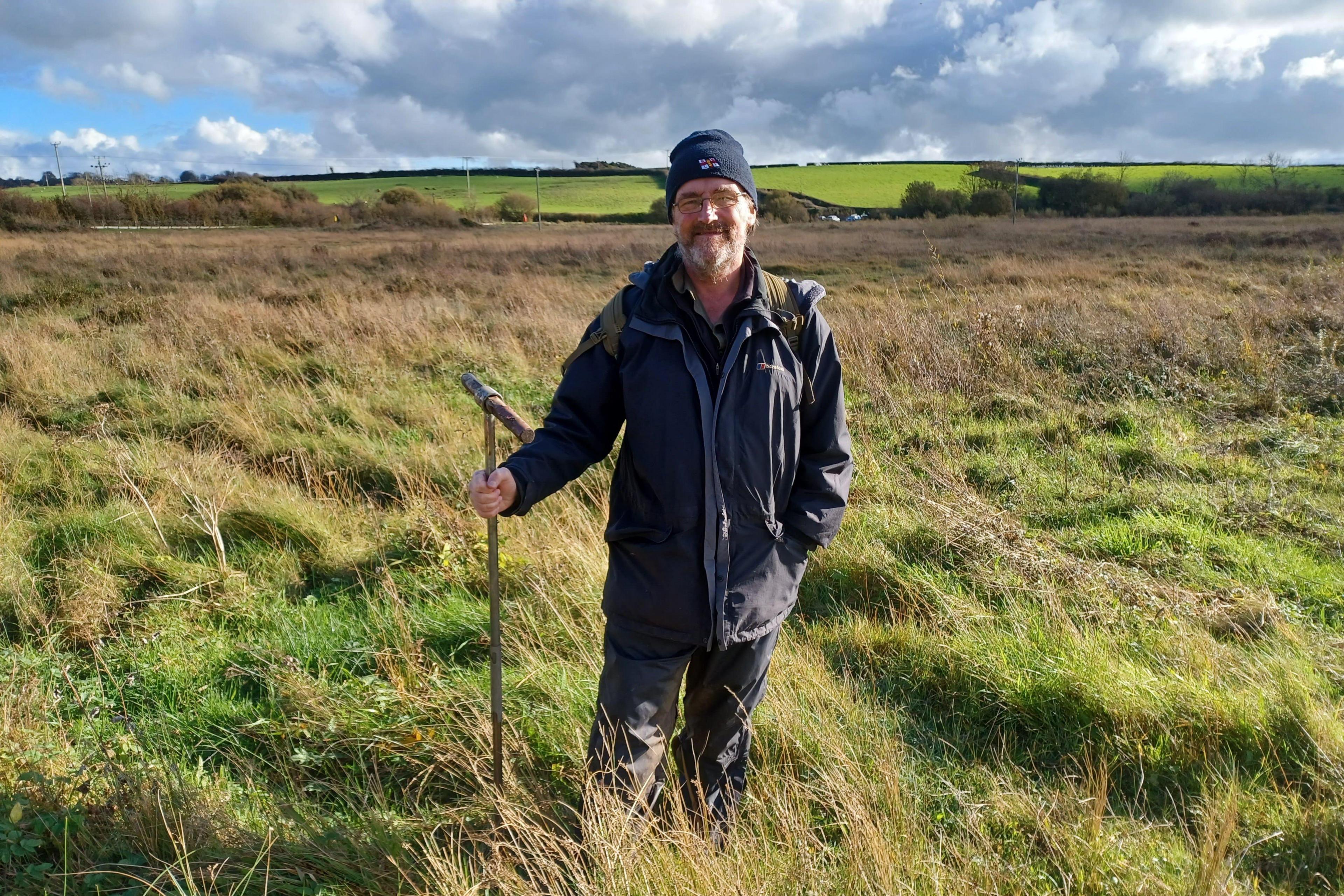 Image source, National Peatland Action ProgrammeImage caption,
 Peter Jones says restored peatland will help the country's resilience in the fight against climate change
"It is a pressing issue," Jones said.
"As climate change gradually progresses, the task of restoring some of our peatlands is going to be made a bit more difficult because there'll be less rainfall in the summer."
He said there were teams like his "all over the place" and when they come together at conferences, "you realise you're part of a much bigger effort".
"People might not at first sight think this is a special place, but it is," he said.
"Every peatland in Wales has got a different story to it, it's evolved in a different way."