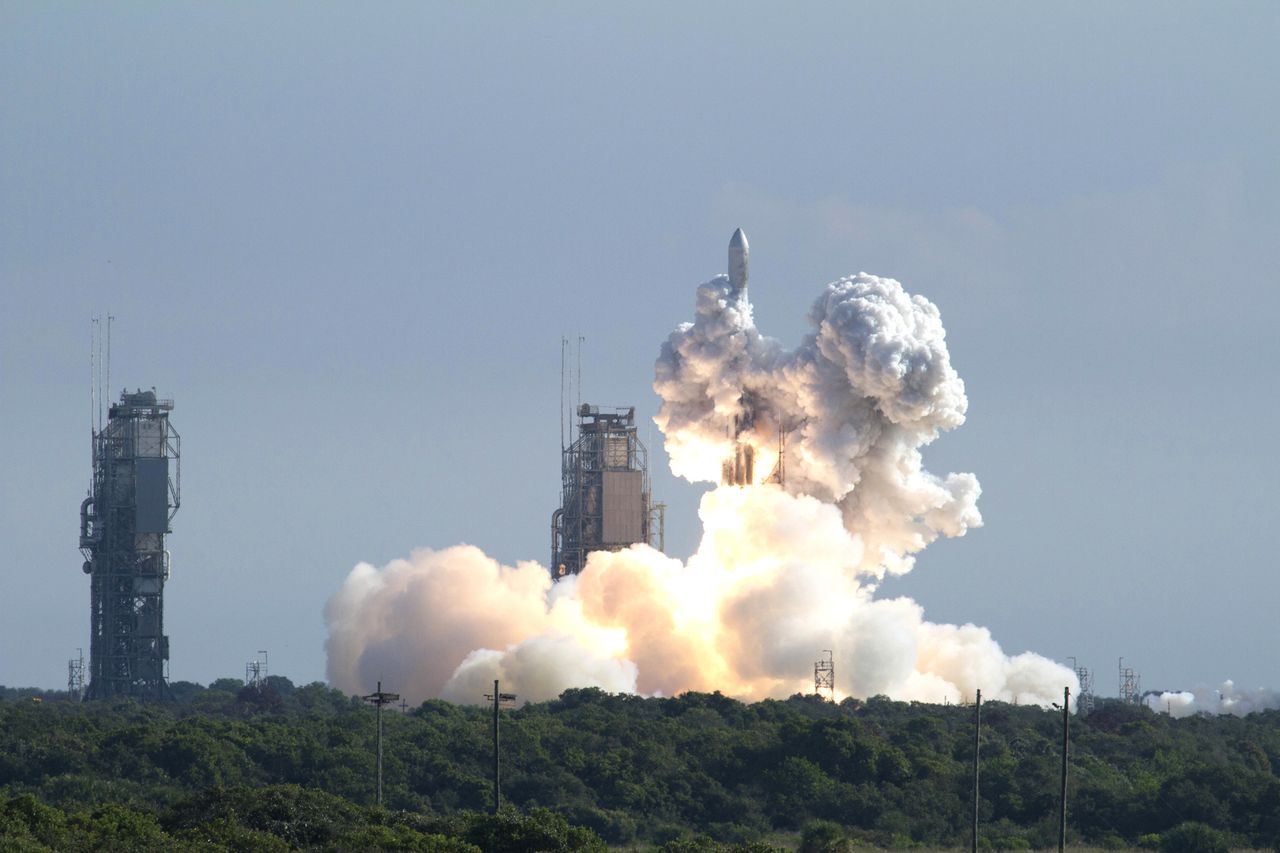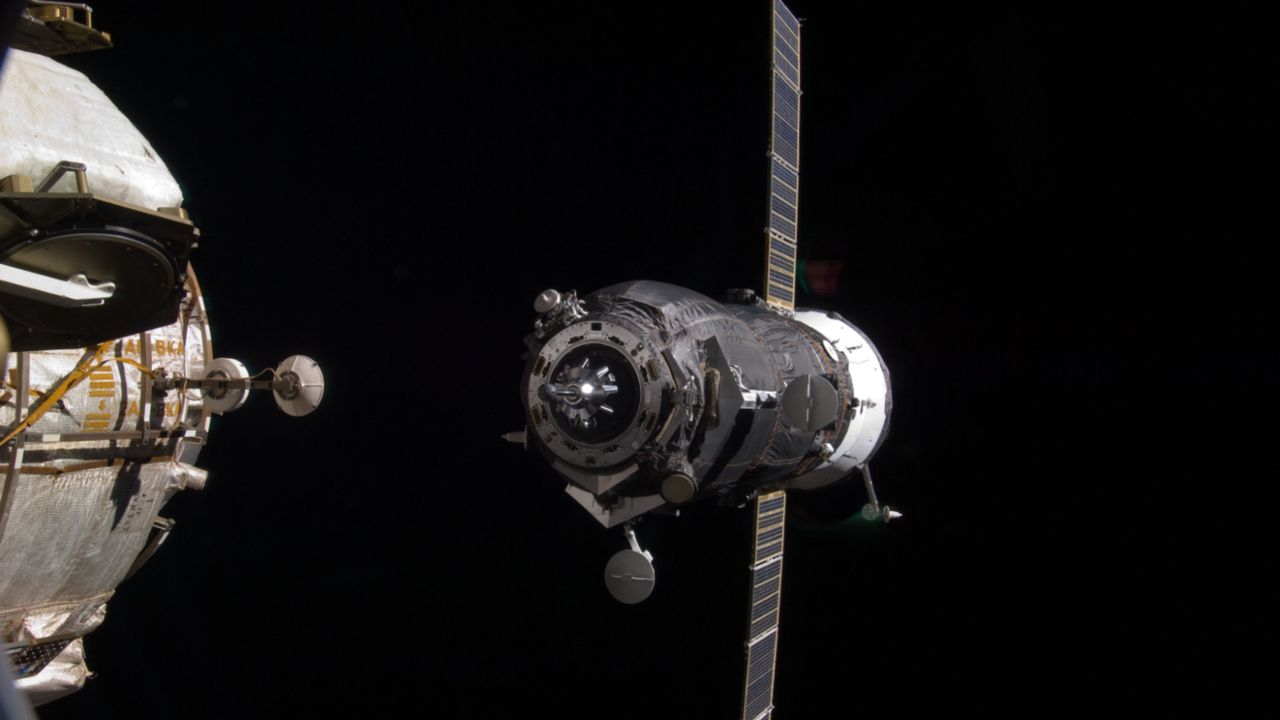
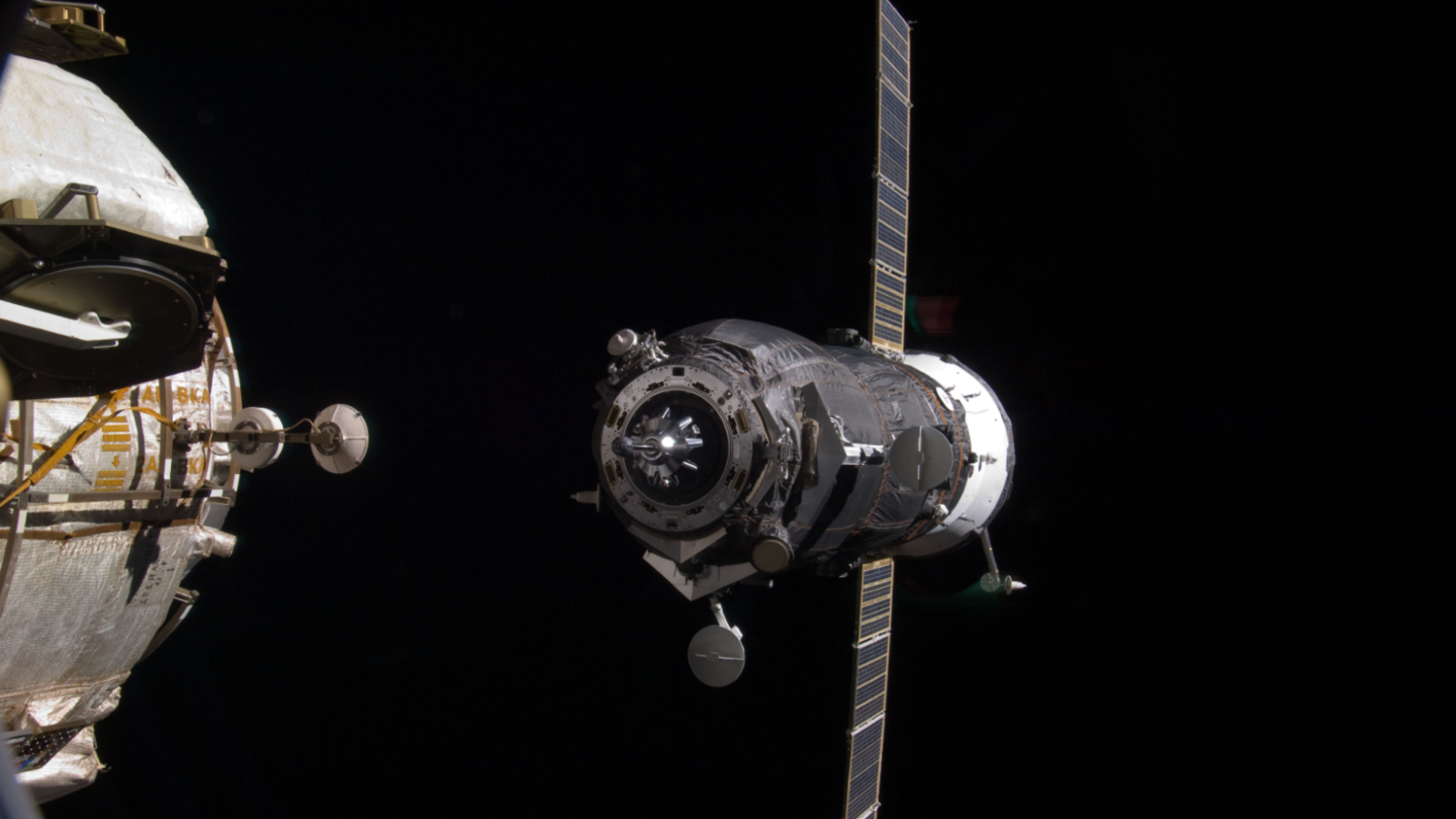
 Russia's Progress spacecraft have been used to ferry cargo to the ISS throughout the entirety of the space station's history. This photo shows Progress 45 docking with the ISS in 2011. (Image credit: NASA/ESA) Share this article 0 Join the conversation Follow us Add us as a preferred source on Google Newsletter Sign up for the Live Science daily newsletter now
 Get the world’s most fascinating discoveries delivered straight to your inbox.
Become a Member in Seconds
Unlock instant access to exclusive member features.
Contact me with news and offers from other Future brands Receive email from us on behalf of our trusted partners or sponsors By submitting your information you agree to the Terms & Conditions and Privacy Policy and are aged 16 or over.You are now subscribed
Your newsletter sign-up was successful
Want to add more newsletters?
Join the club
Get full access to premium articles, exclusive features and a growing list of member rewards.
Explore An account already exists for this email address, please log in. Subscribe to our newsletterAn uncrewed Russian rocket carrying vital supplies to the International Space Station (ISS) experienced a significant "glitch" after launch, meaning the cargo vehicle will no longer dock autonomously with the station, NASA warns.
As a result, a cosmonaut (Russian astronaut) may have to use a "backup system" to dock the stricken vessel with the ISS remotely, all while orbiting Earth.
Article continues belowProgress 94 is carrying around 5,500 pounds (2,500 kilograms) of cargo — including food, water, fuel, oxygen, hardware, scientific equipment and medical supplies — and was scheduled to dock automatically with the ISS Tuesday (March 24) at around 9:30 a.m. EDT. However, this maneuver will no longer be as straightforward as expected.
Around 40 minutes after liftoff, NASA revealed that one of the Progress spacecraft's antennae did not deploy properly after separating from the Soyuz rocket. This antenna plays a key role in helping the robotic freighter dock with the airlock on Russia's Poisk module, meaning that docking can no longer be attempted without human involvement.
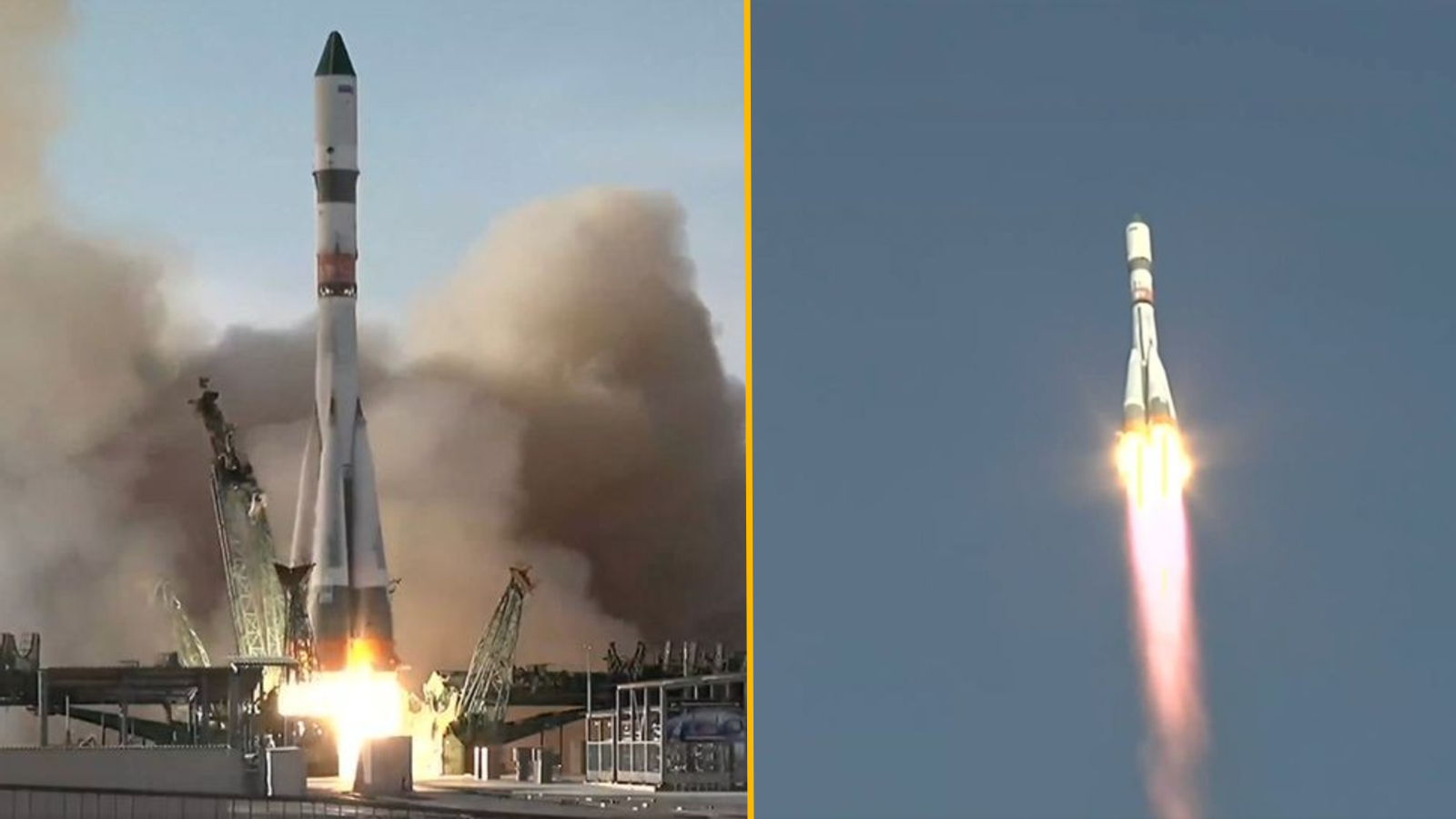
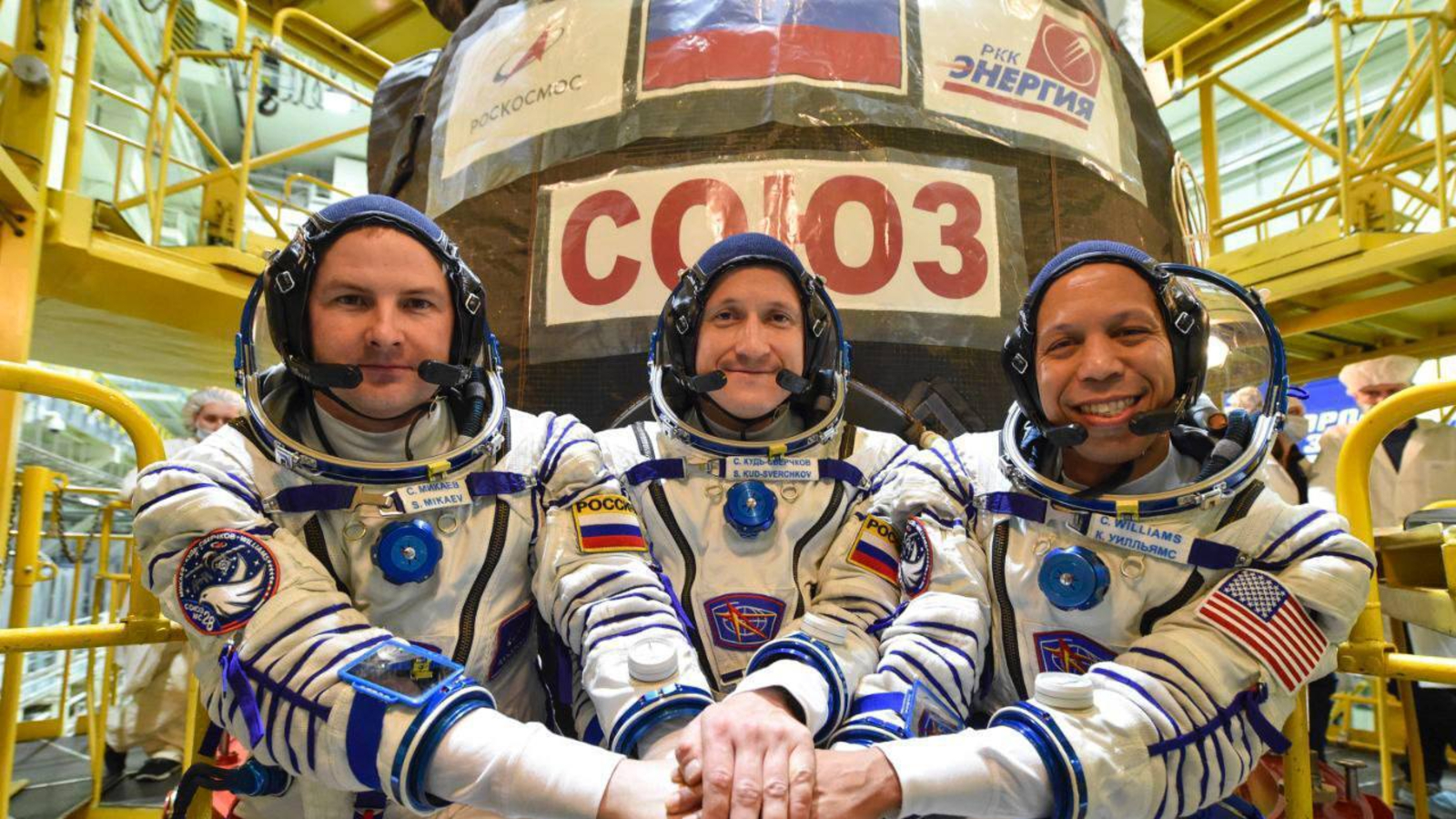
"Troubleshooting will continue and if the antenna cannot be deployed, Roscosmos cosmonaut Sergey Kud-Sverchkov will manually pilot the spacecraft through a backup system for rendezvous and docking at the space station," NASA representatives wrote on X.
Kud-Sverchkov is part of the Expedition 73/74 crew — alongside fellow cosmonaut Sergey Mikayev and NASA astronaut Christopher Williams — and has been on board the ISS since Thanksgiving. The veteran cosmonaut, who previously spent six months living in space between October 2020 and March 2021, has served as both flight engineer and commander on ISS missions.
Sign up for the Live Science daily newsletter nowContact me with news and offers from other Future brandsReceive email from us on behalf of our trusted partners or sponsorsIt is unclear exactly what the backup system is or how it is operated.
Despite the setback, "all other systems are operating as designed," and the docking attempt will continue as planned, either with the fixed antenna in place or with Kud-Sverchkov at the controls, NASA officials wrote.
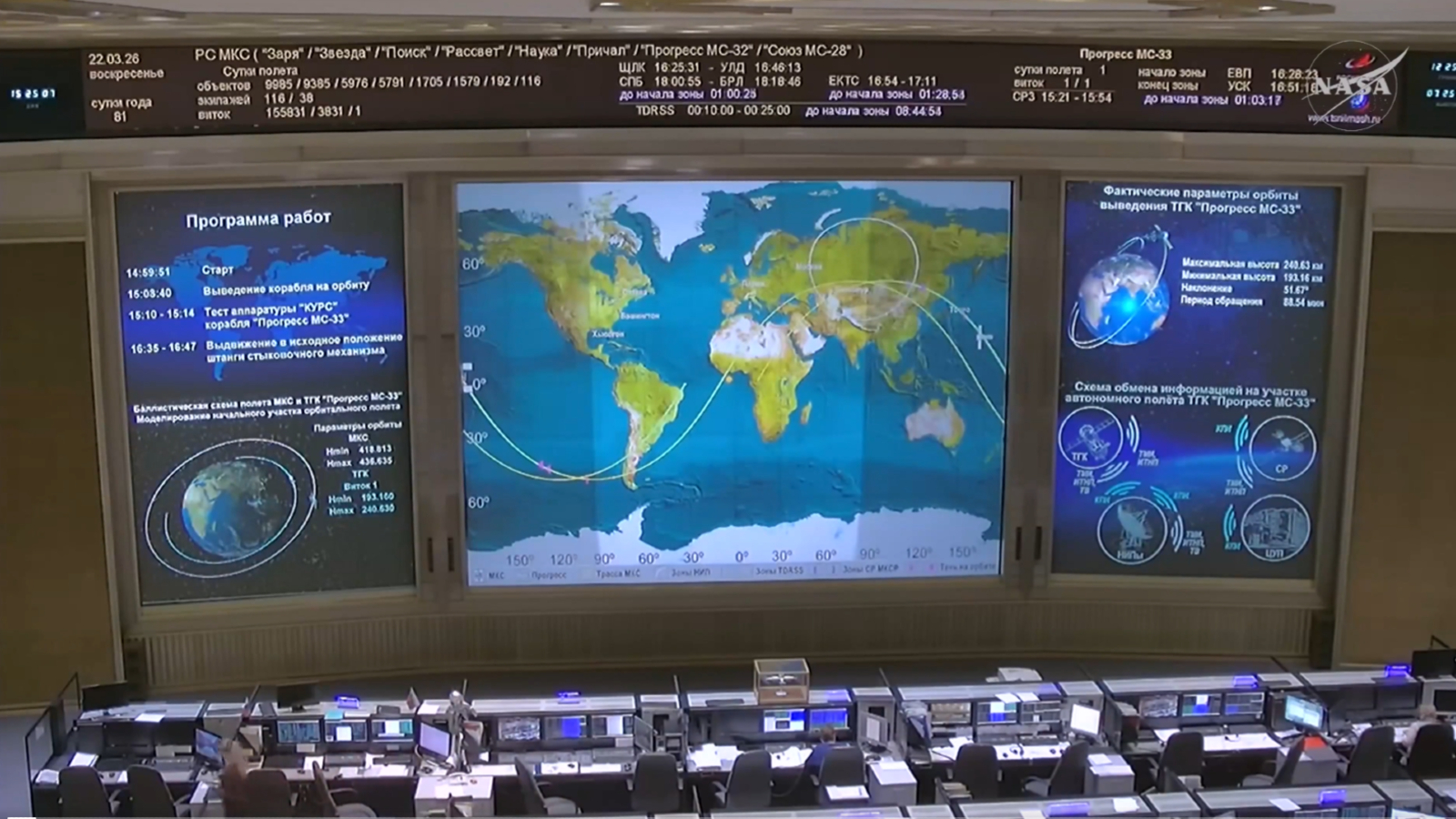
You can watch the docking attempt via a NASA livestream that starts on Tuesday at around 8:45 a.m. EDT.
Repeated issues
This is not the first setback for the Progress 94 mission. The freighter was originally scheduled to launch in mid-December 2025. However, it was postponed after its launchpad, Site 31, sustained significant damage following the launch of the Expedition 73/74 crew.
It is unclear exactly what happened to Russia's only operational launchpad. Rumors initially hinted that a service platform fell into the "flame trench" below the pad after it was incorrectly secured in place before takeoff. However, Russia announced that the damage had been fully repaired earlier this month.
Nor is this the only recent mishap involving the ISS. The setback comes around two months after four astronauts (NASA's Mike Fincke and Zena Cardman, Japan's Kimiya Yui and Russia's Oleg Platonov ) were sent home from the ISS prematurely after Fincke experienced an undisclosed medical emergency in space. This was the first medical evacuation in the station's 26-year history.
Before that, NASA astronauts Butch Wilmore and Sunni Williams were stranded on the ISS for nine months between 2024 and 2025. Their initial two-week mission was extended after their faulty return capsule was sent back to Earth without them.
RELATED STORIES—NASA warns of potential 'catastrophic failure' on leaking ISS — but Russia doesn't want to fix it
—ISS dodges its 39th piece of potentially hazardous space junk. Experts say it won't be the last.
—NASA offers SpaceX $843 million to destroy the ISS
Elsewhere in low Earth orbit, China's Tiangong space station has also experienced its fair share of recent drama. In November last year, multiple Chinese astronauts were stranded in space for several weeks after their return capsule was hit by a piece of suspected space junk, triggering the launch of an uncrewed "lifeboat" rocket.
And more recently, NASA's Artemis II mission, which will send humans back to the moon for the first time since 1972, has been repeatedly delayed by multiple mechanical issues. NASA is now targeting a launch next month, after the rocket was rolled back out to the launchpad last week.
TOPICS Harry BakerSenior Staff Writer
Harry is a U.K.-based senior staff writer at Live Science. He studied marine biology at the University of Exeter before training to become a journalist. He covers a wide range of topics including space exploration, planetary science, space weather, climate change, animal behavior and paleontology. His recent work on the solar maximum won "best space submission" at the 2024 Aerospace Media Awards and was shortlisted in the "top scoop" category at the NCTJ Awards for Excellence in 2023. He also writes Live Science's weekly Earth from space series.
View MoreYou must confirm your public display name before commenting
Please logout and then login again, you will then be prompted to enter your display name.
Logout LATEST ARTICLES 1Watch sperm whale headbutt another for no apparent reason
- 2Live Science Today: Earth hits record energy imbalance, Hawaii floods and NASA prepares for Artemis II launch
- 3Viruses in the gut may help prevent blood sugar spikes, mouse study hints
- 4Urfa Man: An 11,500-year-old life-size statue of a man holding his penis
- 5A new twist on matter? Strange 'Half-Mӧbius' molecule has rare properties chemists have never seen before