 Image source, ReutersImage caption,
 Four Wildberries warehouses have been targeted, including this one in Nevinnomyssk early on Wednesday
BySofia Volyanova, Yaroslava Kiryukhina, Amalia Zatari and Tatiana Kovtun, BBC News Russian- Published27 minutes ago
Ukrainian drones have hit several retail warehouses belonging to Russia's biggest online retailer, Wildberries, in a matter of days, dealing a blow to a large number of small and medium-sized businesses.
After months of drone attacks on oil depots and refineries, Kyiv says it is now targeting logistics hubs used by Russians to buy military equipment, and disrupting supplies to the Russian army.
But it has also frustrated hundreds of Russian sellers who depend on online marketplaces for their livelihoods, making the war feel closer to home after almost four and a half years.
"I am a mother of a disabled child, I've built the business myself," one woman complained on an expletive-laden social media post that went viral.
"I've lost 1m roubles (£9,500; $12,700)... We're already getting screwed over from every direction as it is."
In Ukraine's first attack on Wildberries at the weekend, two warehouses were hit, at Elektrostal east of Moscow and in Kotovsk in the Tambov region, some 400km (250 miles) from the Ukrainian border.
Seven workers on a nightshift were killed in Kotovsk and one was fatally wounded at Elektrostal. Dozens more were injured and goods worth an estimated at £750m ($1bn) were destroyed.
Kyiv said it had struck "major logistics facilities" used to "supply sanctioned components for drone production and navigation equipment".
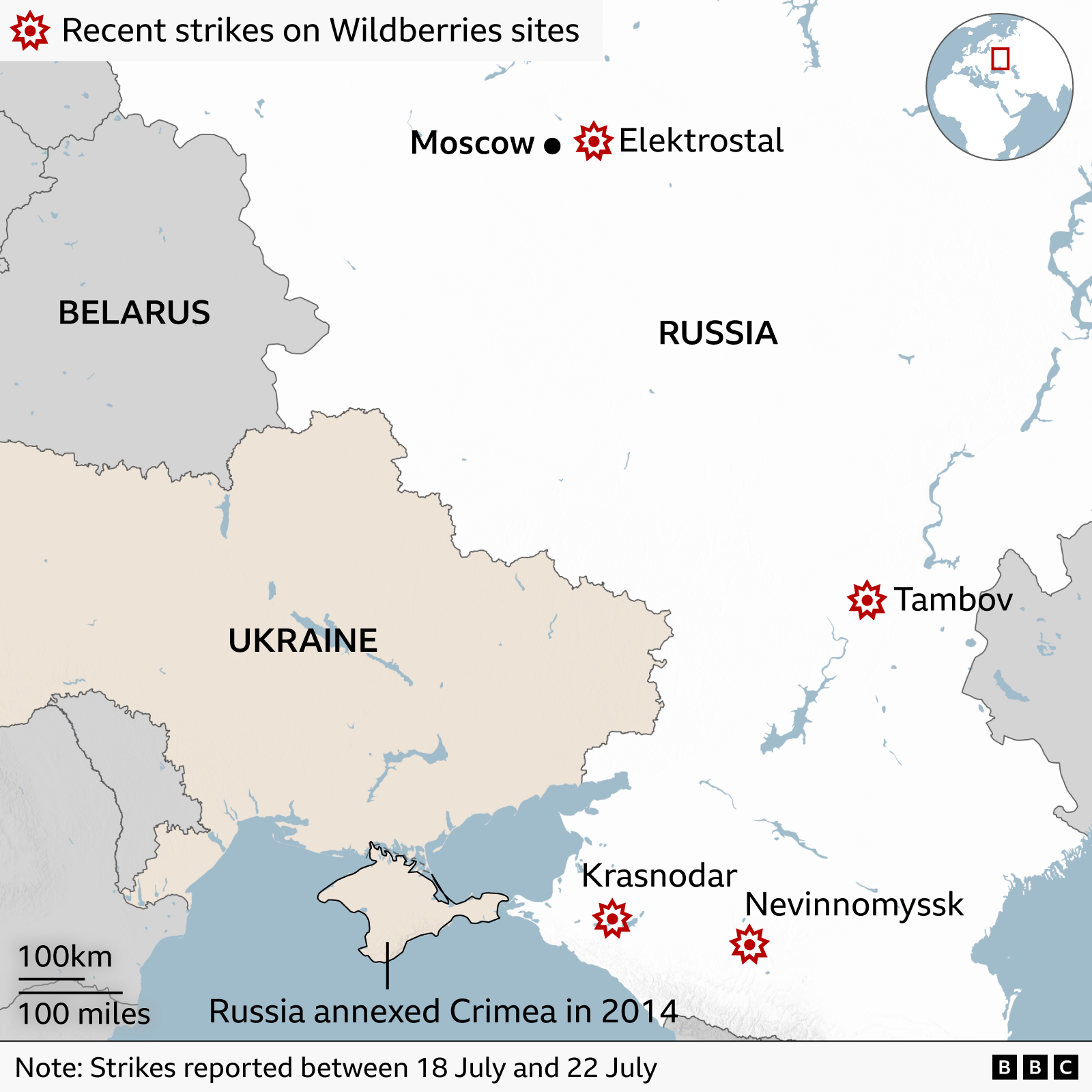
Further attacks overnight into Wednesday hit Wildberries logistic hubs at Krasnodar and Nevinnomyssk in the Stavropol region.
The company's owner Tatiana Kim said further casualties had been reported.
"We are, quite justly, bringing the war back home - to Russia," said Ukraine's President Volodymyr Zelensky.
Russia has targeted Ukrainian cities with drones and missiles since the start of the full-scale invasion in February 2022 and recent Russian attacks have hit Ukrainian warehouses and cargo terminals.
Sorting terminals for Ukraine's largest private postal operator, Nova Poshta, have come under attack, so too have warehouses owned by retail chain ATB and confectionery group Roshen.
Ukrainian drones hit Russian online giant retailer Wildberries for second time
- Published8 hours ago
Who is Mykhailo Drapatyi, Ukraine's new commander-in-chief?
- Published8 hours ago
With the situation on the front line now close to a stalemate, Ukraine's long-distance drone campaign has hit supply routes and energy facilities, in effect cutting off annexed Crimea and leading to fuel shortages across Russia.
Businesses had already been disrupted before the warehouse attacks, but now some have lost much of their stock overnight.
Wildberries and its rival Ozon are used by 85-90% of Russia's economically active population, it is estimated. In many remote places lacking accessible stores, Russians depend on them for much of their shopping, from clothes to household appliances.
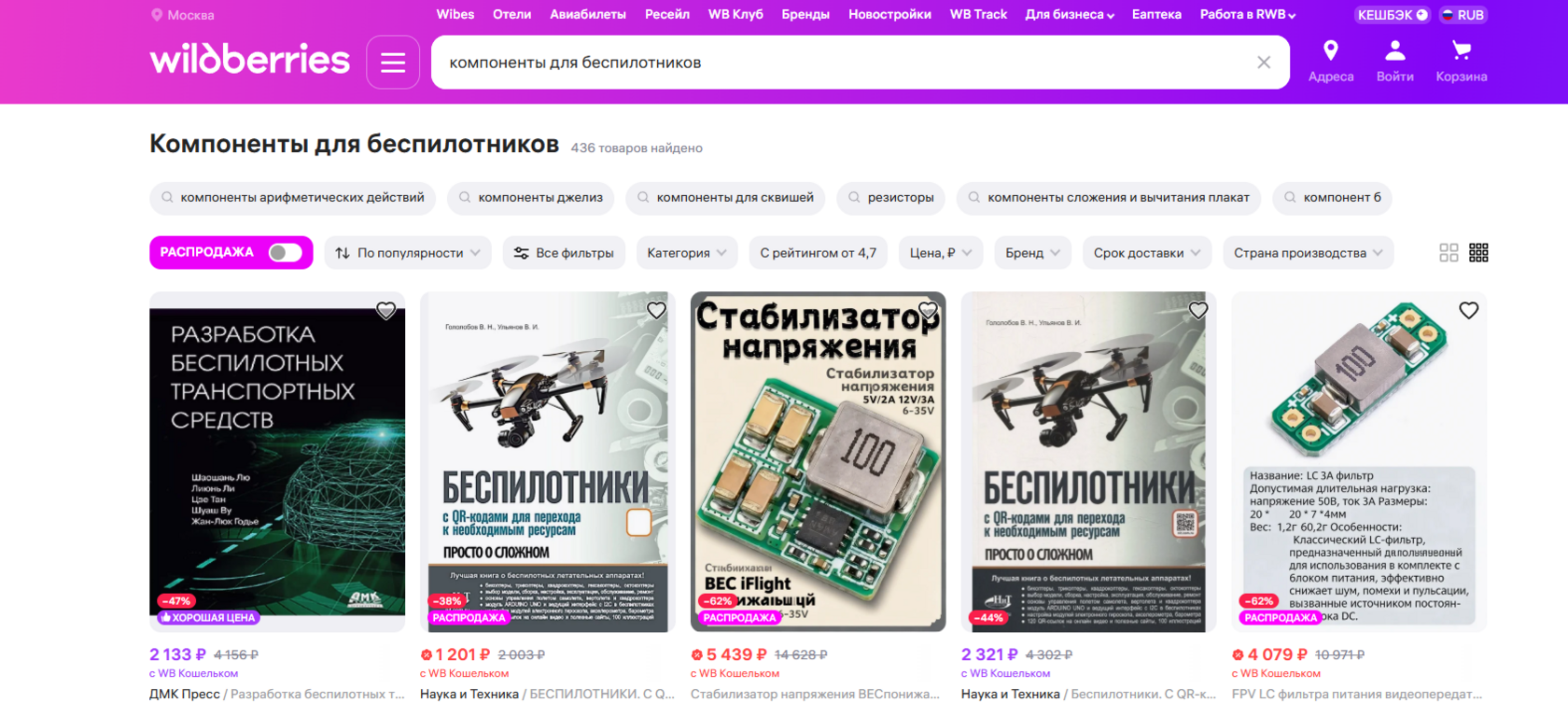 Image source, WildberriesImage caption,
 A screengrab from the Wildberries site shows a search for "components for drones"
The Kremlin has denied that online platforms are used for army supplies, but a variety of military-related goods such as body armour are on sale, alongside items with both civilian and drone-production applications.
Pro-war bloggers say the platforms are routinely relied on by volunteers to buy kit that is then sent to the front.
There is, however, no independent confirmation that the warehouses targeted in the attacks stored these supplies.
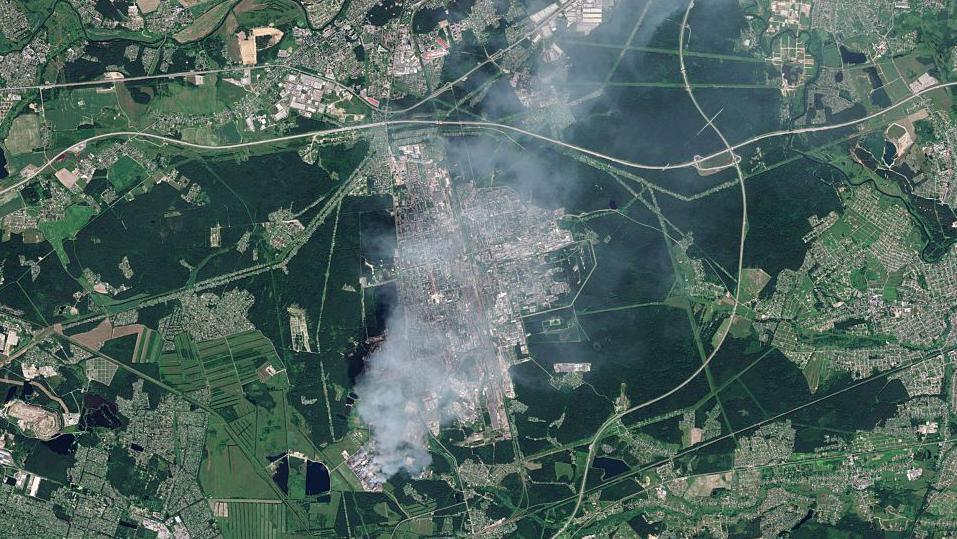 Image source, Gallo Images/Orbital Horizon/Copernicus Sentinel Data 2026Image caption,
 A satellite image shows the extent of the fire that engulfed the Wildberries hub in Elektrostal, east of Moscow
Unlike Western retail giant Amazon, which sells goods directly alongside its marketplace business, Wildberries and Ozon act almost entirely as marketplaces, connecting independent sellers with buyers across Russia, storing and delivering their goods and handling payments.
This means many of the losses incurred in the attacks have been borne by businesses.
For one woman, who sells stationery items, Wildberries is the only distribution channel. The day after she delivered her goods to the Elektrostal warehouse near Moscow last Friday, she learned that it had all gone up in flames.
She still has other inventory left, but this time of the year is important for her business, as parents and students stock up for the new autumn term.
Another Wildberries trader who sells teenage clothing, told the BBC she had lost about 1.4m roubles (£13,300) worth of stock. She is halting new supplies for a few weeks.
"The outlook for working with Wildberries is very murky," she said. "Right now I have enough of a safety cushion to survive the current losses, but if there are more strikes, I probably won't manage."
Neither woman expects compensation. Earlier this month, less than two weeks before the attacks, a clause was added to their contracts, including drone attacks in the list of "force majeure events" for which Wildberries is not liable.
Company owner Tatiana Kim has promised "not to abandon" the sellers, and she has offered temporary discounts and waived shipment fees, but this has done little to calm fears of further attacks.
To play this video you need to enable JavaScript in your browser.
This video can not be played
Figure caption,Watch: Warehouses on fire after Ukraine hit Russian online retailer Wildberries
Supporting small and medium-sized businesses has been among Vladimir Putin's declared priorities even in wartime, and framed as a backbone of resilience in the face of Western sanctions.
But the Russian state has been unable to shield the sector from the war's impact, and there have been several shocks to businesses since the start of the year.
VAT went up from 20% to 22% in January, with extra funding earmarked for defence, and tax breaks for some businesses were scrapped.
Some 209,000 small and medium-sized companies closed in the first quarter of 2026, according to business intelligence platform Kontur.Fokus. That is 9% more than in the first three months of 2025.
Widespread internet shutdowns and a crackdown on popular messaging apps led to further troubles, and Moscow businesses lost tens of millions of dollars in one week in March, according to some estimates.
And then came the fuel crisis, triggered by Ukrainian strikes on oil depots, refineries and supply routes.
"There are already a lot of nails, and they keep hammering them in. Is [the attack on Wildberries warehouses] another nail in the coffin? Well, yes, of course," Prof Ruben Eniklopov of Pompeu Fabra University in Barcelona told the BBC.
Small businesses in Russia have proved resilient in the past, but inflation is high, the budget deficit is widening, and oil and gas revenues are 23% lower than in the first six months of last year.
Russia has vast financial reserves, accumulated in peacetime, but its war in Ukraine is increasingly swallowing resources, starving the civilian economy of growth.
Additional reporting by Olga Shamina.