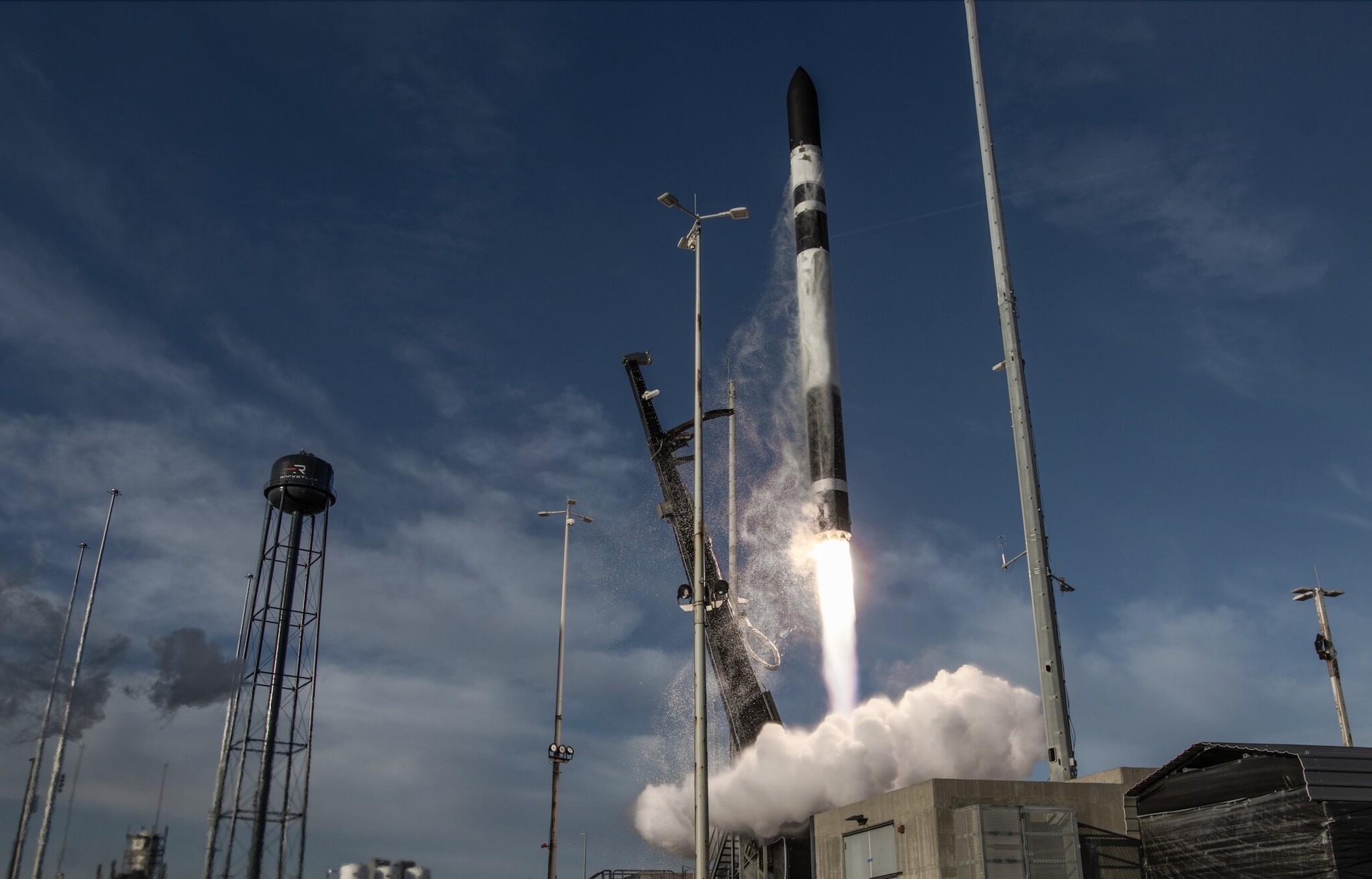
 (Image credit: Rocket Lab) Share this article 0 Join the conversation Follow us Add us as a preferred source on Google Newsletter Get the Space Newsletter
 Breaking space news, the latest updates on rocket launches, skywatching events and more!
Contact me with news and offers from other Future brands Receive email from us on behalf of our trusted partners or sponsors By submitting your information you agree to the Terms & Conditions and Privacy Policy and are aged 16 or over.You are now subscribed
Your newsletter sign-up was successful
Want to add more newsletters?
An account already exists for this email address, please log in. Subscribe to our newsletterRocket Lab has signed its biggest launch contract to date, raking in $190 million from the U.S. Department of Defense.
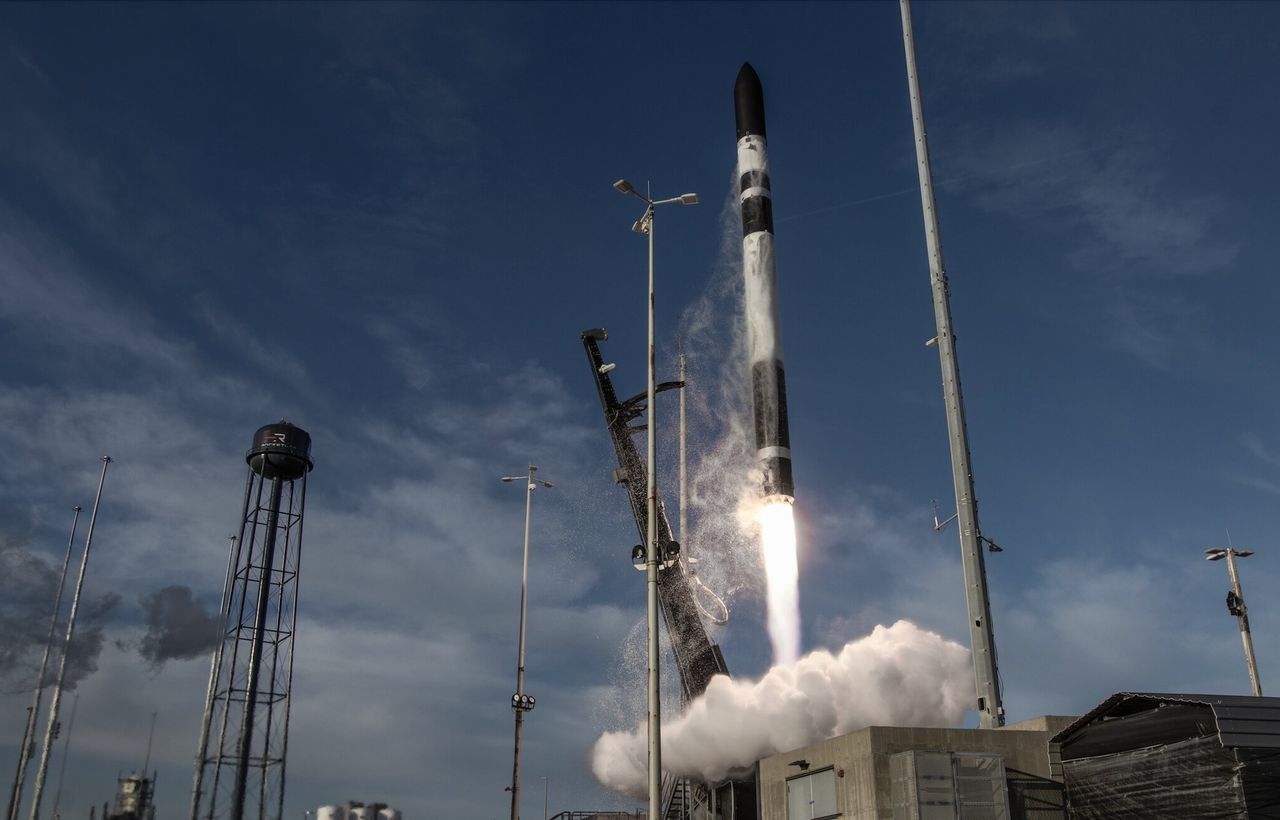
The deal is for a total of 20 flights of Rocket Lab's HASTE (Hypersonic Accelerator Suborbital Test Electron) launch vehicle, a suborbital variant of the company's Electron rocket. The contract secures HASTE as the primary test vehicle for a joint program between the DoD and Naval Surface Warfare Center Crane Division.
Article continues belowHASTE has completed seven launches since its debut in June 2023. The details for many of those missions remain classified, but nearly all have been in support of entities of the U.S. government, such as the DoD, with a handful of previous MACH-TB program launches already having flown.
"Our expanded partnership with MACH-TB and the Department of War strengthens America's national security and delivers reliable, modern hypersonic capabilities with speed and affordability," Rocket Lab CEO Peter Beck said in the press release. (In September 2025, the Trump administration issued an executive order rebranding the DoD the Department of War, but
"Department of Defense" remains the legal name.)
"This latest contract is another proud moment for the team that builds the strength and resiliency of the United States' aerospace efforts," Beck added.
Get the Space.com NewsletterContact me with news and offers from other Future brandsReceive email from us on behalf of our trusted partners or sponsorsThe contract calls for 20 hypersonic test flights aboard HASTE over a period of four years, with the first round of launches "expected to take place within months of contract signing," the press release said.
Hypersonic vehicles travel at least five times faster than the speed of sound, and can be difficult to intercept using traditional defense technology. The U.S. military faces stiff competition in the nascent hypersonic weapons arena, which explains its interest in HASTE: the vehicle allows customers to test hypersonic tech and other gear in the space environment.
The new contract brings Rocket Lab's launch manifest to more than 70 missions currently in line for liftoff. Including a recent HASTE mission, which launched on Feb. 25 carrying the DART AE payload, Rocket Lab has averaged one launch per month so far in 2026, with three Electron launches between January and March, and another expected in the next day or so.
 Josh DinnerStaff Writer, Spaceflight
Josh Dinner is Space.com's Spaceflight Staff Writer. He is a writer and photographer with a passion for science and space exploration, and has been working the space beat since 2016. Josh has covered the evolution of NASA's commercial spaceflight partnerships and crewed missions from the Space Coast, NASA science missions and more. He also enjoys building 1:144-scale model rockets and spacecraft. Find some of Josh's launch photography on Instagram, and follow him on X, where he mostly posts in haiku.
View MoreYou must confirm your public display name before commenting
Please logout and then login again, you will then be prompted to enter your display name.
Logout MORE FROM SPACE...- 1Rocket Lab scores $190 million launch deal to test hypersonic tech for US military
- 2Artemis 2 moon rocket rolls back to launch pad | Space photo of the day for March 20, 2026
- 3NASA's Artemis 2 moon rocket arrives back at the launch pad
- 4Northern lights could get a boost from the spring equinox this weekend — here's why
- 5NASA won't give up hope on silent MAVEN Mars probe: 'We're still looking for it'