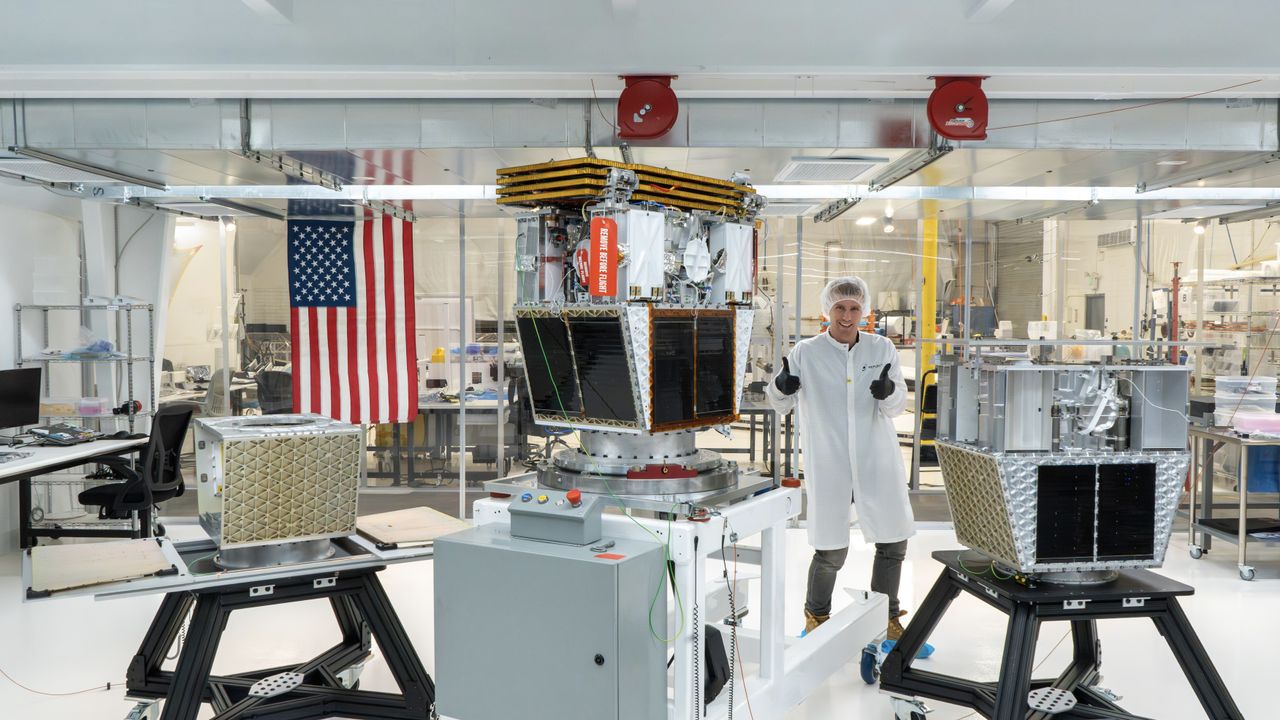
The first of perhaps tens of thousands of sunlight-directing space mirrors just got cleared for liftoff.
California-based startup Reflect Orbital just got a license from the U.S. Federal Communications Commission (FCC) to launch and operate its first demonstration satellite, a spacecraft that will unfurl a reflective surface that measures about 60 feet (18 meters) on a side.
That satellite, called Eärendil-1 is targeted to fly later this year. And it could be the first of many: Reflect Orbital aims to operate 50,000 or more such mirror-craft in low Earth orbit by 2035, beaming reflected sunlight down to a variety of customers on the surface.
"We're grateful to the FCC for recognizing the importance of testing novel technologies in space," Ben Nowack, Reflect Orbital's co-founder and CEO, said in an emailed statement on Friday (July 10).
"This license is the first step toward rigorously testing our technology's efficacy and the safeguards we have developed," he added. "We're excited to demonstrate how our technology works and to introduce transformative, clean technology the world urgently needs."
That technology could aid a variety of industries and endeavors, according to Reflect Orbital.
"Imagine the endless possibilities when sunlight is not limited by geography or time of day," the company's website reads. "A search-and-rescue team locates a missing person in minutes. A city has safer, evenly lit streets without the carbon emissions. Construction projects complete in half the time with teams able to work through the night safely."
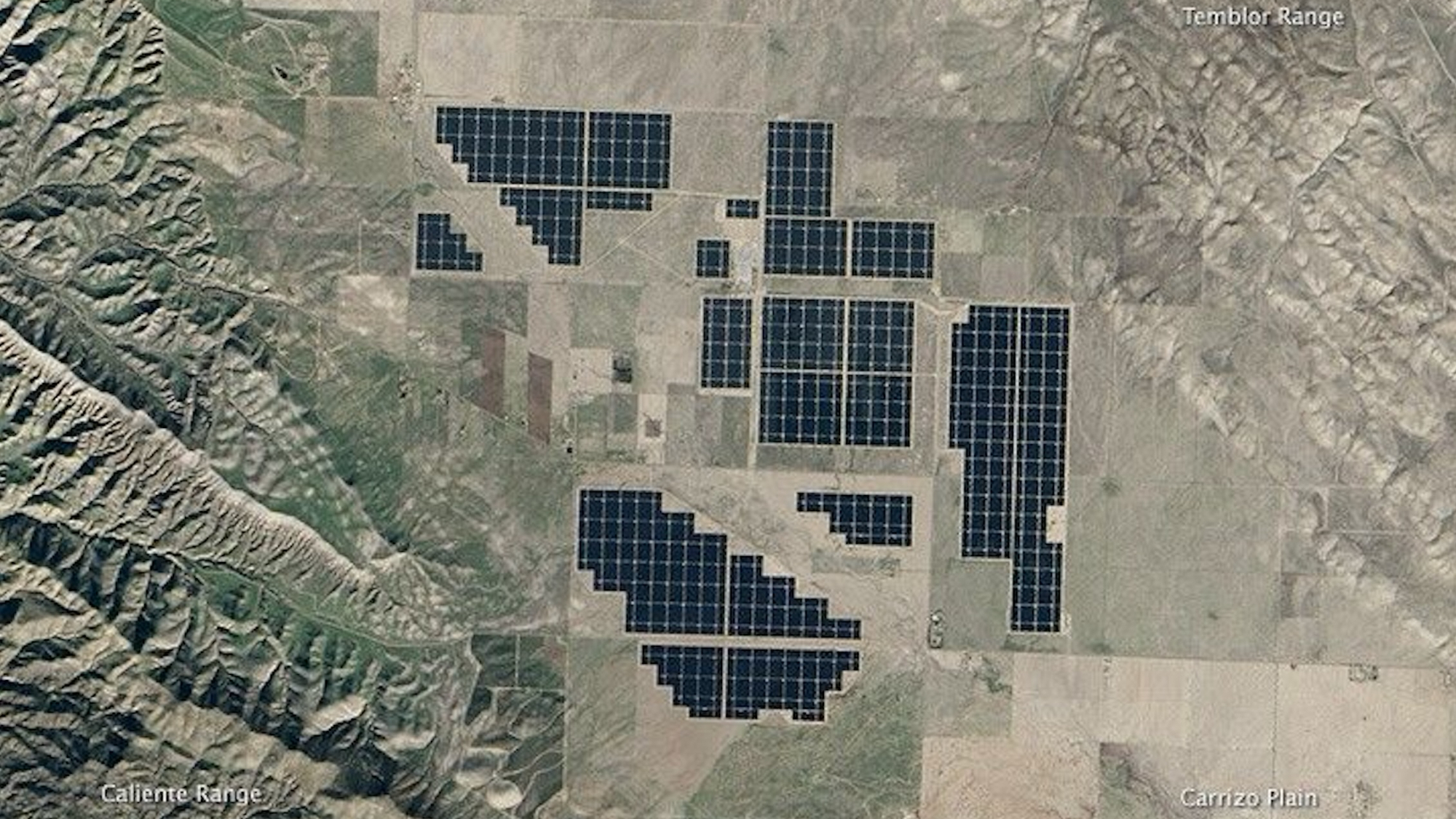
The planned mirror constellation will also boost the productivity of solar arrays on Earth, allowing them to take more of the electricity-generating load from polluting options such as fossil fuels, according to the company.
Not everybody is thrilled about Reflect Orbital's plans, however. Satellite megaconstellations in general are controversial. Some folks object to how they're changing the night sky, for example, and others worry that deorbiting huge numbers of satellites will pollute Earth's atmosphere with heavy metals.
There are some specific concerns about Reflect Orbital's plans as well — namely, that it will introduce a new type of light pollution for people and ecosystems to deal with.
"The beam reflected by these satellites is very intense, four times brighter than the full moon, and they will be flying multiple satellites in a formation," John Barentine, an astronomer at the Silverado Hills Observatory in Tucson, Arizona and a consultant at Dark Sky Consulting, previously told Space.com.
"That will have an effect on wildlife in the directly illuminated area, but also, through atmospheric scattering, on the surrounding areas as well," he added.
Reflect Orbital stresses that it will do its best to minimize such potential impacts.
"We design for safety in three ways: 1) the light is contained within the spot, 2) the light can be turned off quickly and at any time so that none of it reaches the Earth, and 3) we can intentionally avoid sensitive areas like research observatories or protected habitats," the company's website states.
"The light is not bright enough to start fires or harm eyes, even when viewed through a telescope, and cannot be concentrated past maximum natural sunlight irradiance," it adds.


