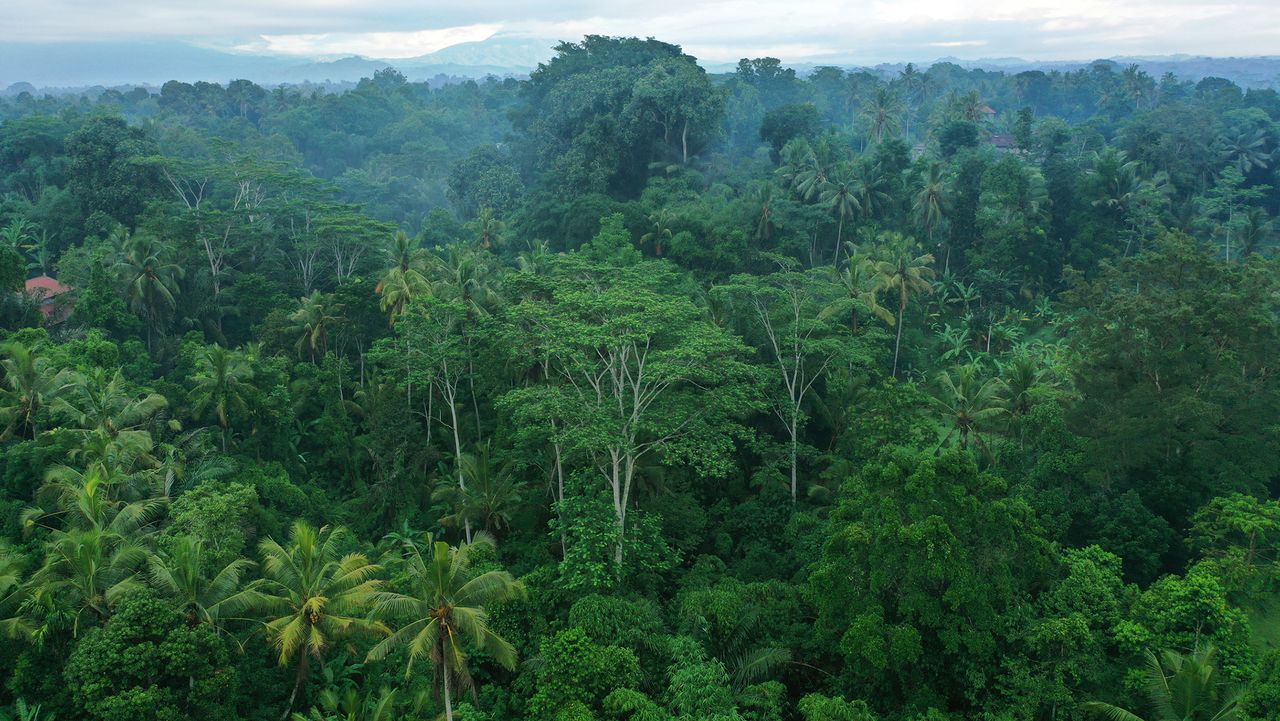
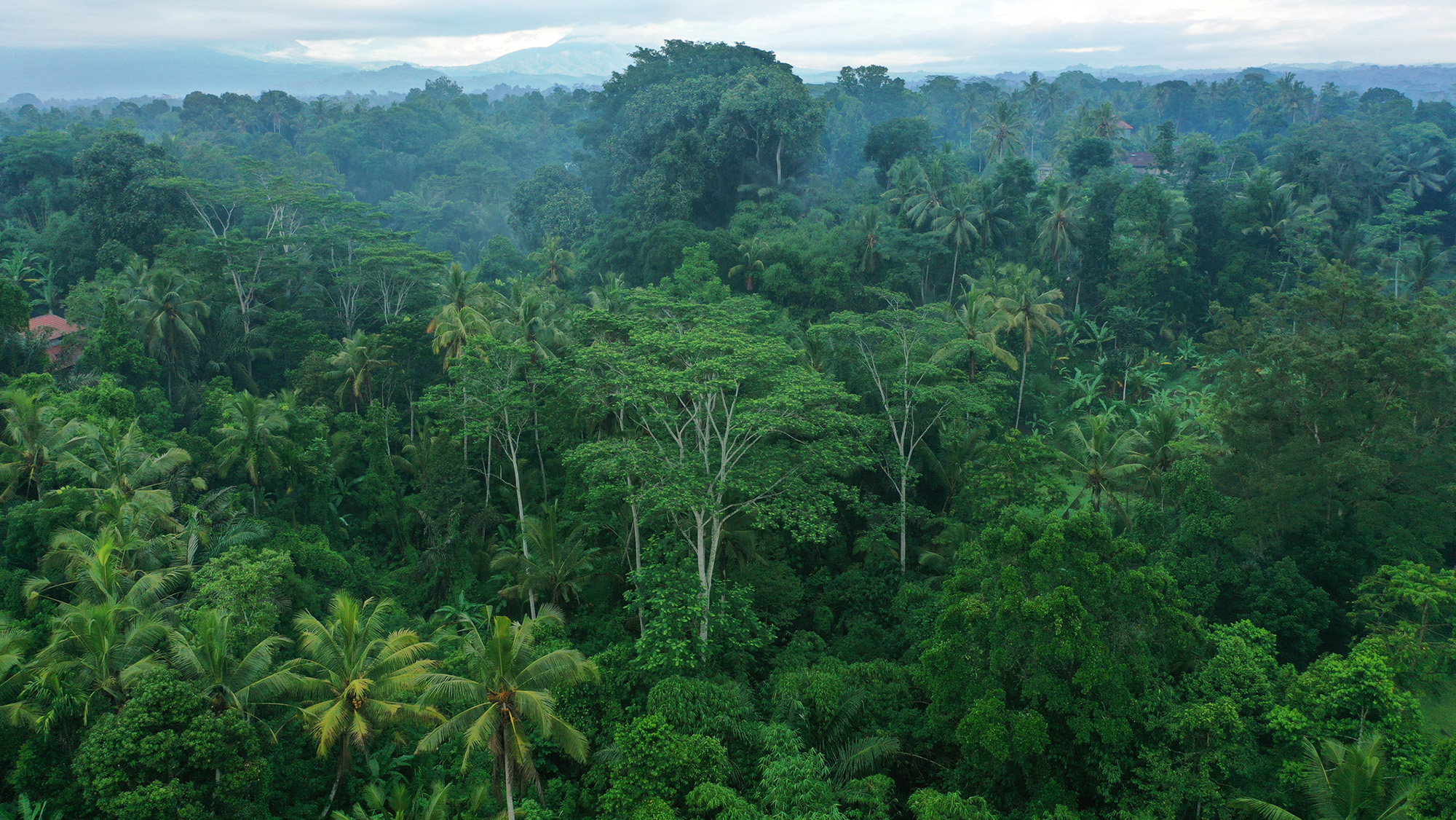
 An aerial view of a lush rainforest in Bali, Indonesia. (Image credit: Andriy Onufriyenko via Getty Images) Share this article 0 Join the conversation Add us as a preferred source on Google Newsletter Subscribe to our newsletter
 Rainforests are some of the most important and diverse ecosystems on Earth. Found across several continents, these vast forests are home to millions of plants and animal species, many of which can't be found anywhere else. Many rainforests, both tropical and temperate, also play a crucial role in regulating the planet's climate by absorbing carbon dioxide and producing oxygen.
Rainforests vary immensely in size. Some stretch across multiple countries and cover millions of square miles, while others are much smaller but still support incredible biodiversity. Understanding the relative size of these rainforests helps us appreciate their role on our planet and the challenges involved in preserving them.
Sign up for the Live Science daily newsletter nowContact me with news and offers from other Future brandsReceive email from us on behalf of our trusted partners or sponsors TOPICS Kenna Hughes-CastleberryContent Manager, Live Science
Kenna Hughes-Castleberry is the Content Manager at Live Science. Formerly, she was the Content Manager at Space.com and before that the Science Communicator at JILA, a physics research institute. Kenna is also a book author, with her upcoming book 'Octopus X' scheduled for release in spring of 2027. Her beats include physics, health, environmental science, technology, AI, animal intelligence, corvids, and cephalopods.
View MoreYou must confirm your public display name before commenting
Please logout and then login again, you will then be prompted to enter your display name.
Logout