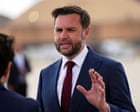
Pope Leo XIV speaks as he meets with the community of Bamenda at Saint Joseph's Cathedral in Bamenda on April 16, 2026 [Alberto Pizzoli/AFP]By APPublished On 16 Apr 202616 Apr 2026
Pope Leo XIV has blasted the “handful of tyrants” who are ravaging Earth with war and exploitation, as he preached a message of peace in the epicentre of a separatist conflict considered one of the world’s most neglected crises.
Leo, on a four-country trip to Africa, travelled to the western Cameroon city of Bamenda, where jubilant crowds clogged the roads, blowing horns and dancing to welcome him on Thursday.
They were overjoyed that a pope had come so far to see them and put a global spotlight on the violence that has traumatised this region for nearly a decade.
Leo presided over a peace meeting involving a Mankon traditional chief, a Presbyterian moderator, an imam and a Catholic nun. The aim was to highlight the interfaith movement that has been seeking to end the conflict and care for its many victims.
In his remarks in the St Joseph Cathedral, on land donated by the Mankon, Leo praised the peace movement and warned against allowing religion to enter conflicts.
It is a theme he has been echoing amid the United States-Israeli war in Iran and the religious justifications for it by US officials.
“Blessed are the peacemakers!” he said. “But woe to those who manipulate religion and the very name of God for their own military, economic and political gain, dragging that which is sacred into darkness and filth.”
He called for a “decisive change of course” that leads away from conflict and the exploitation of the land and its people for military or economic gain.
“The world is being ravaged by a handful of tyrants, yet it is held together by a multitude of supportive brothers and sisters!”
The pope’s comments came days after US President Donald Trump attacked him again on social media.
The pope is set to celebrate a mass for the people of Bamenda, located near Cameroon’s western border with Nigeria, later on Thursday before returning to the capital, Yaounde. It was not immediately clear if any of the Cameroonian separatist fighters, who are observing a pause in the fighting, would attend.
The conflict in Cameroon’s two Anglophone regions is rooted in Cameroon’s colonial history, when the country was divided between France and Britain after World War I.
English-speaking regions later joined French Cameroon in a 1961 United Nations-backed vote, but separatists say they have since been politically and economically marginalised.
In 2017, English-speaking separatists launched a rebellion with the stated goal of breaking away from the French-speaking majority and establishing an independent state. The conflict has killed more than 6,000 people and displaced more than 600,000, according to the International Crisis Group.
The separatist movement is believed to be backed by several actors abroad. In December last year, a federal jury in the US convicted two individuals of conspiracy to provide funds and equipment to the separatist fighters.
Belgian authorities in March also announced they had arrested four people as part of their investigations into Belgian residents suspected of being among the separatist leaders and raising money for them from Belgium.
“Those who rob your land of its resources generally invest much of the profit in weapons, thus perpetuating an endless cycle of destabilisation and death,” Leo said.
“It is a world turned upside down, an exploitation of God’s creation that must be denounced and rejected by every honest conscience.”
Cameroon sits atop significant reserves of oil, natural gas, cobalt, bauxite, iron ore, gold and diamonds, making resource extraction one of the pillars of its economy.
While French and English companies have long dominated the extraction industry in Cameroon, Chinese companies have established a significant presence in recent years, particularly in the gold mining regions of the east.
On the eve of Leo’s arrival, separatist fighters announced a three-day pause in fighting to allow the pope safe passage.
A spokesperson for the Unity Alliance, Lucas Asu, said the pause “reflects a deliberate commitment to responsibility, restraint, and respect for human dignity, even in the context of ongoing conflict”.
Although the number of deadly attacks by separatists has decreased in recent years, the conflict shows no sign of resolution. Peace talks with international mediators have stalled, with both sides accusing each other of acting in bad faith.