The NFL Draft is almost here, and it's time to identify and project some steals and some busts
 By Josh Edwards Apr 8, 2026 at 8:36 am ET • 6 min read
  Getty Images
 The 2026 NFL Draft is two weeks away, and fans may not be prepared for the level of volatility that could arise from this year's event. With a shortage of first-round caliber prospects at the top, evaluations will widely vary on a team-by-team basis.
In an effort to provide a bit of perspective, I bucket three players in each of four categories: Overrated, Underrated, Over-drafted and Under-drafted. For clarity, almost every prospect mentioned below is in my top-100 overall, so "overrated" is relative in this instance.
The 2026 NFL Draft will take place from April 23-25 in Pittsburgh. More draft coverage can be found at CBSSports.com, including the weekly mock drafts and a regularly available look at the eligible prospects.
Overrated

 CJ Allen UGA • LB • #3 View Profile
 Allen was a multi-sport athlete in high school. He competed in multiple track events. He displays strong leadership skills but is not an overwhelming athlete on the football field. He has a shorter build and can sometimes lose sight of the forest for the trees when involved in the box, with concerns about mirroring in coverage. Allen is a well-studied linebacker who brings a level of accountability to the position. He also stands to be negatively impacted by a cluster of players at his position, including Texas' Anthony Hill Jr., Cincinnati's Jake Golday and Texas Tech's Jacob Rodriguez.

 Cashius Howell TXAM • EDGE • #9 View Profile
 Howell is a springy, bendy edge rusher who turned in his best collegiate season in 2025, including 11.5 sacks. He checks the box for functional play strength in the run game, but is on the shorter side. His 30.25-inch arm length is an extreme outlier when referring to the measurements of All-Pro edge rushers over the last six years; more than two inches shorter than the average.
I understand the expectation is not All-Pro status for a prospect consistently taken late in Round 1, but it's also too rich for a designated pass rusher. The margins are razor-thin. Howell is a top-50 prospect in my personal rankings, but the range where he is coming off the board in mock draft projections is much higher.
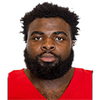
 Lee Hunter TXTECH • DL • #2 View Profile
 Hunter found his way into top-50 rankings for some big boards out there. He plays with good leverage off the snap but can be too much bull in a China shop. His range is limited. There is not much upside as a pass rusher, which is a profile I do not value until later on Day 2. Ohio State's Kayden McDonald has been similarly dinged, but those are also necessary players in today's NFL as the league swings towards higher rushing volume and larger personnel.
Underrated
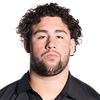 Chase Bisontis TXAM • IOL • #71 View Profile
 Beyond Penn State's Vega Ioane, Bisontis is a personal favorite of the true offensive guard prospects. He is not overwhelmingly powerful, but he is best when used in pass protection. The LSU game was a good example of his potential. He is a top-30 prospect and still has some untapped potential as a relatively young player.
Oregon's Emmanuel Pregnon, Georgia Tech's Keylan Rutledge and Bisontis are all likely taken in a similar range.

 Nick Barrett SC • DL • #93 View Profile
 Barrett is a longer athlete who tested well at the NFL Scouting Combine, but the buzz has not matched the on-field performance. He displays good power to create displacement and collapse the pocket. The North Carolina native showcases good awareness and a high floor as a run defender. There is nothing flashy about Barrett's game -- only two career sacks -- but it would not surprise me if one looked back on this draft class in 10 years and Barrett was towards the end of a solid career. Late Day 2/early Day 3 is where I would consider him.

 Anthony Hill Jr. TEXAS • LB View Profile
 Hill often does not get enough credit for his capabilities in run defense when he is patient and does not get sucked down into the box. He does a good job in coverage and has been productive as a pass rusher. There are few prospects with a more stuffed stat sheet than Hill over the past three years: 17 sacks, eight forced fumbles, three interceptions and two fumble recoveries over that time period. He tested well at the NFL Scouting Combine, and his potential is generally higher than that of others at his position aside from Ohio State's Sonny Styles.
It would not surprise me if a team took a chance on him late in the first round, but that is not where his stock has been for the past three-plus months.
Overdrafted
 Monroe Freeling UGA • OT • #57 View Profile
 Freeling was one of the better athletic testers at the NFL Scouting Combine. Combined with a strong finish to the season against Ole Miss and a shortage of prospects who played left tackle in college, Freeling has been one of the biggest risers throughout the pre-draft process.
There are frame-related and technical questions lingering. His height makes it difficult for him to bend and meet rushers at the high side. Posture is a problem, at times. Freeling is a relatively young prospect, and there is a risk-reward with assuming he will reach his full potential, but top-10 overall is rich.

 Akheem Mesidor MIAMI • EDGE • #3 View Profile
 Days ago, Mesidor turned 25-years-old; a problem for some teams, but not all. A team seeking instant impact performers with playoff ambitions has more incentive to take him. The one-time West Virginia transfer did not break out until his sixth year of college football and is unlikely to have a much higher ceiling. Mesidor is of a similar age to players who signed their second contracts in March. Again, it is not to say he is a bad player, but that is not the profile of a player teams often take in the first round.

 Ja'Kobi Lane USC • WR • #8 View Profile
 Taller wide receivers have burned me in the past, so perhaps this is an overreaction. USC's Ja'Kobi Lane oscillated back and forth in this process as a bigger body receiver who failed to consistently create separation, particularly in the second half of the season. The profile has to be more than winning contested catches down the field.
Lane is projected as a late Day 2/Day 3 pick.
Underdrafted

 Jermod McCoy TENN • CB • #3 View Profile
 McCoy brings good size, tested well and compiled excellent ball production when available. I am placing a higher emphasis on the flashes witnessed rather than punishing him for missing the 2025 season as it relates to this draft class. There are so few blue-chip talents in this class that he will remain among the top-10 overall in my personal rankings, but unlike general managers across the league, my job is not on the line if I drafted him and he did not pan out. Hence, he could be available later than the talent suggests.

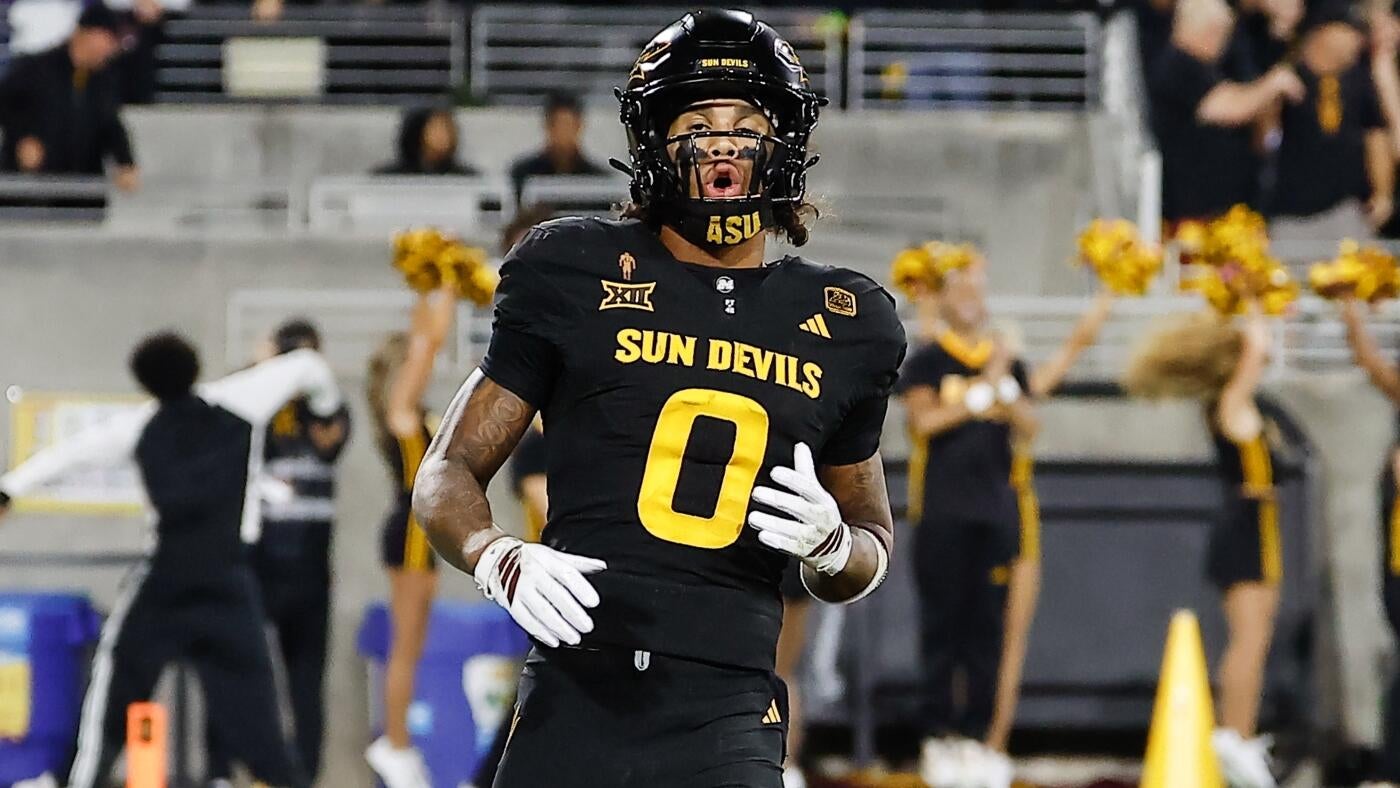
 Jordyn Tyson ARIZST • WR View Profile
 Opinions are wide-ranging on Tyson. He is still WR1 for me, because there is a higher ceiling for him to attain than Ohio State's Carnell Tate. The two are practically touching on the big board, though. Tyson is more dynamic with the ball in his hands post-catch. He has the versatility to work inside and outside, but the history of soft tissue injuries is a big concern.
There has been some discussion that Tyson could be available into the 20s.

 Connor Lew AUBURN • IOL • #75 View Profile
 Lew quietly sank into the background of draft conversations, given that he suffered a torn ACL in October. When healthy, Lew was the odds-on favorite to be the first center drafted and a likely top-40 overall selection. There is a bit of Tyler Linderbaum to his game. He will likely not be available for the start of the season, and that will hurt his draft outlook.
A team willing to wait on him returning to full health could get a steal somewhere on Day 2, especially if they will ask him to use his movement skills and engage in space.
Join the Conversation comments