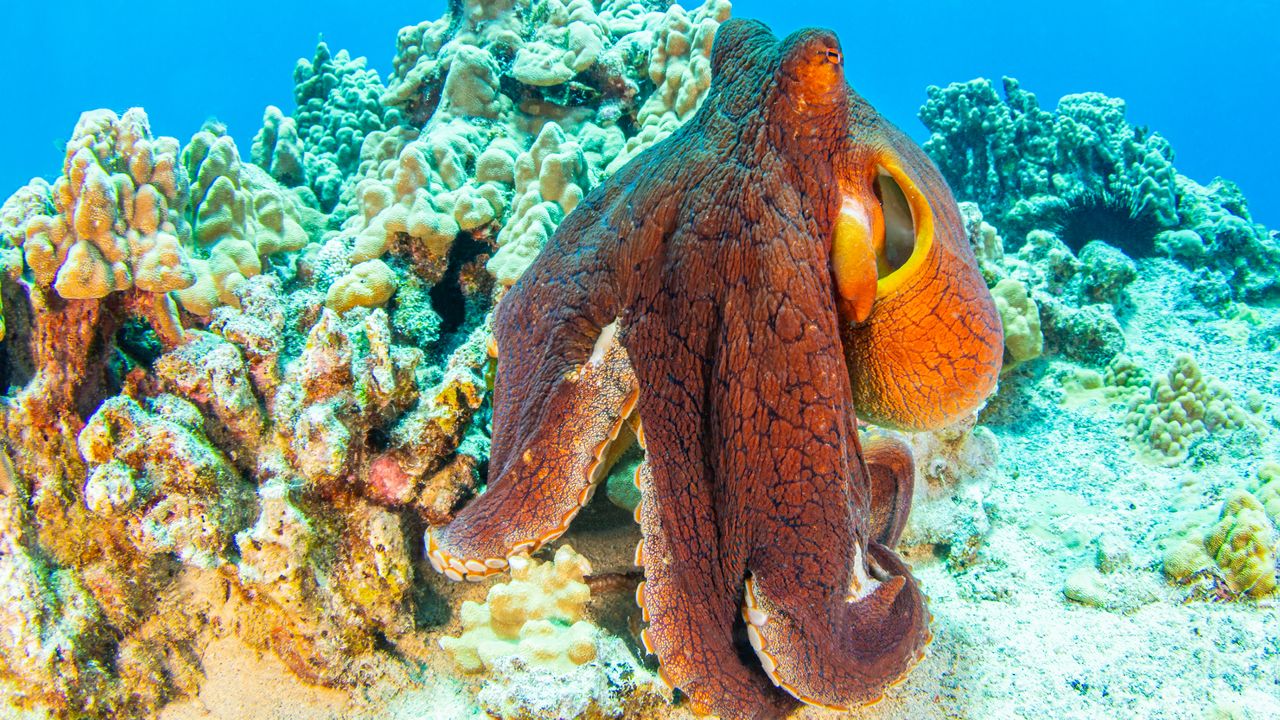
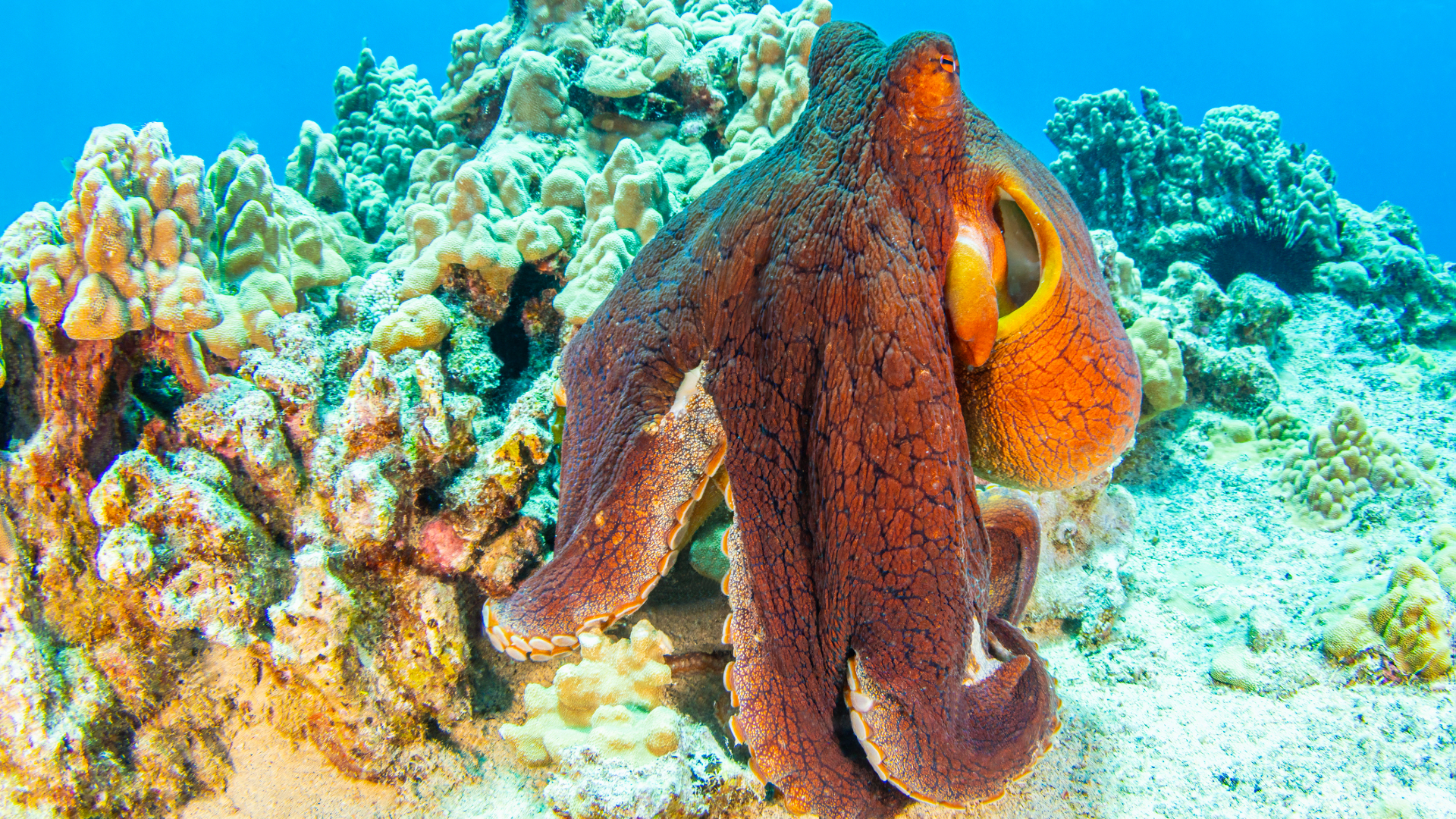
 A Hawaiian day octopus (Octopus cyanea) floats in shallow water. (Image credit: Douglas Klug via Getty Images) Share this article 0 Join the conversation Follow us Add us as a preferred source on Google Newsletter Sign up for the Live Science daily newsletter now
 Get the world’s most fascinating discoveries delivered straight to your inbox.
Become a Member in Seconds
Unlock instant access to exclusive member features.
Contact me with news and offers from other Future brands Receive email from us on behalf of our trusted partners or sponsors By submitting your information you agree to the Terms & Conditions and Privacy Policy and are aged 16 or over.You are now subscribed
Your newsletter sign-up was successful
Want to add more newsletters?
Join the club
Get full access to premium articles, exclusive features and a growing list of member rewards.
Explore An account already exists for this email address, please log in. Subscribe to our newsletterOctopuses are a useful reminder that complex life can be organized in very different ways. With no backbone, their anatomy departs sharply from the body plans many people are familiar with. They are classified as cephalopods, a class of animals that includes squid, nautiluses and cuttlefish.
Octopuses can rapidly change the color and texture of their skin, manipulate objects with remarkable dexterity, and navigate environments that demand both flexibility and control. Scientists study these traits because they offer insight into how perception, movement and problem-solving evolved in invertebrates.
More science quizzes
- Shark quiz: How much do you know about these iconic ocean superstars?
- Brain quiz: Test your knowledge of the most complex organ in the body
- Orca quiz: Will you sink or swim?
 Kenna Hughes-CastleberryContent Manager, Live Science
Kenna Hughes-Castleberry is the Content Manager at Live Science. Formerly, she was the Content Manager at Space.com and before that the Science Communicator at JILA, a physics research institute. Kenna is also a book author, with her upcoming book 'Octopus X' scheduled for release in spring of 2027. Her beats include physics, health, environmental science, technology, AI, animal intelligence, corvids, and cephalopods.
View MoreYou must confirm your public display name before commenting
Please logout and then login again, you will then be prompted to enter your display name.
Logout LATEST ARTICLES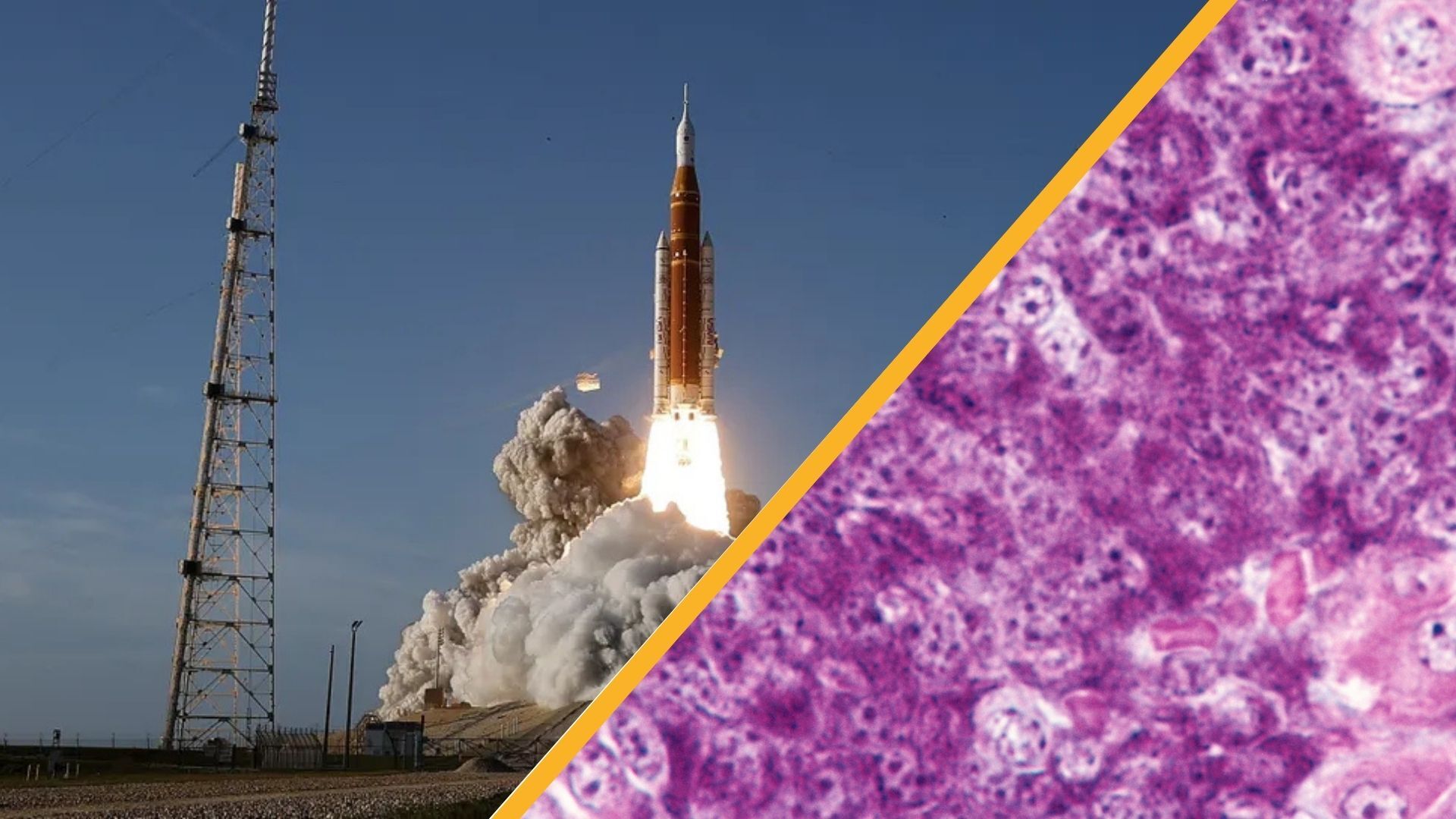 1Science news this week: Artemis II lifts off, diabetes cured in mice, and smog in China shapes Arctic storms
- 2I've witnessed nearly 100 rocket launches. Artemis II was like nothing I've ever experienced.
- 3Are allergies genetic?
- 4'Trust us; you look amazing': Artemis II crewmembers share first message from space
- 5Homo habilis is the earliest named human. But is it even human?