After more than a decade of complaints from coaches, the NCAA is eliminating the automatic carryover suspension for first-time offenders
 By Brandon Marcello Mar 19, 2026 at 5:45 pm ET • 2 min read
  Getty Images
 The targeting rule in college football has long been a subject of discontent among coaches, and finally, change is coming to the penalty structure.
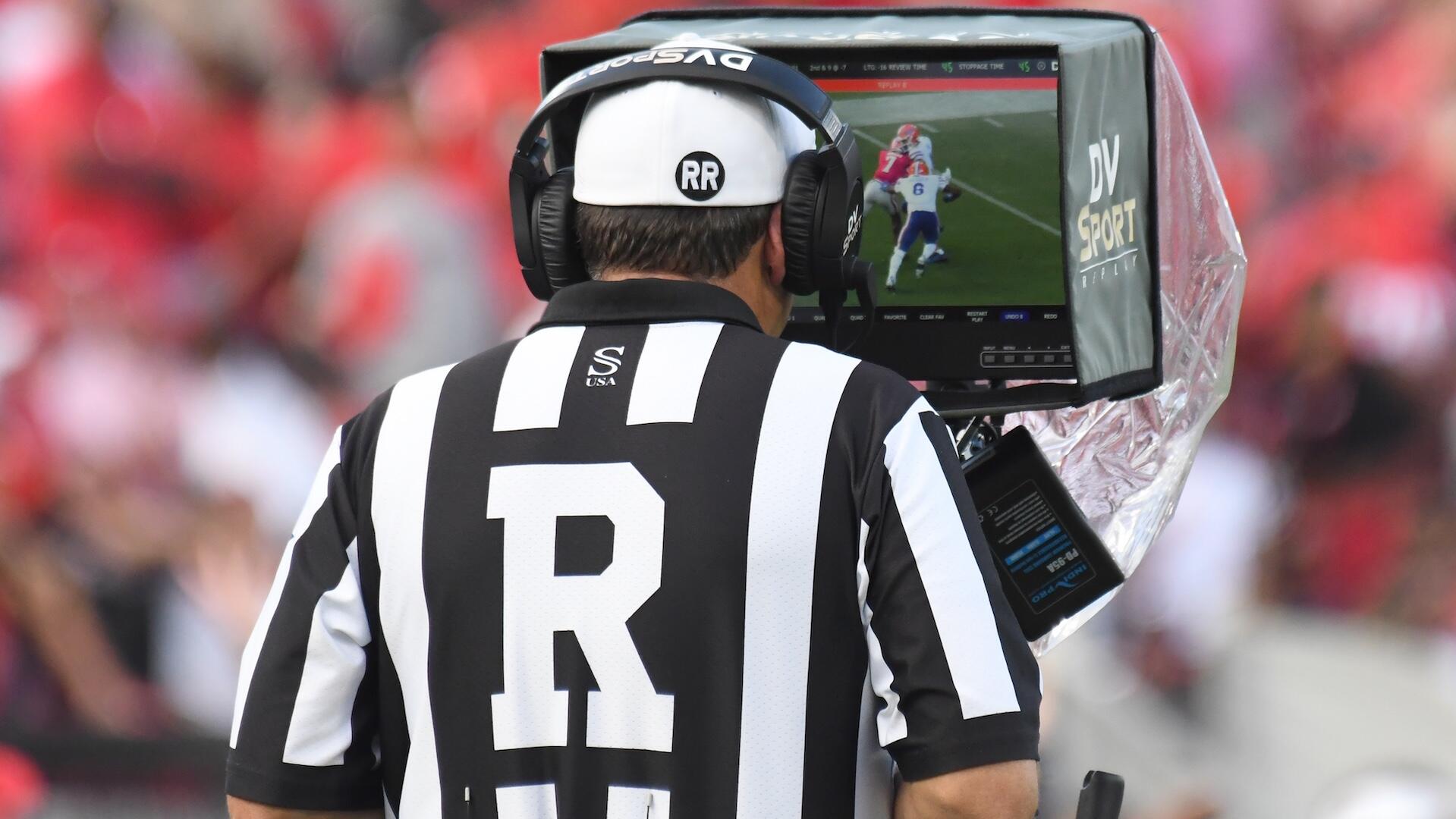
The Division I FBS Oversight Committee approved a one-year trial rule on Thursday that fundamentally reshapes targeting penalties. Now, first-time offenders will be allowed to participate in the next game, regardless of which half the foul occurs. Previously, players charged with targeting in the second half were booted from the game and suspended for the first half of the next game.
A player disqualified for targeting a second time during a season will be required to miss the first half of the next game. A third targeting penalty triggers a full-game suspension. No player in the FBS was charged with three targeting penalties in 2025.
Conferences will now also have the option to file an appeal for second offenses. The appeal can also include the player's first targeting foul. If the NCAA's national coordinator of football officials overturns the targeting foul, the player will not have to sit out the next game.
The baseline, in-game penalties remain. Players charged with targeting will be ejected for the remainder of the contest, and a 15-yard penalty will be assessed to the offending team. The NCAA implemented the targeting foul in 2008, and the ejection penalty was added in 2013. Conference offices have been allowed to appeal disqualification decisions made in the second half of games, further fueling coaches' campaign against the penalty structure.
The American Football Coaches Association proposed a two-tiered targeting system in 2019, with egregious hits to the head resulting in ejection and less-serious infractions drawing only a 15-yard penalty. The proposal never gained traction.
Frustration peaked before the national championship last season, when Miami's Mario Cristobal argued that a targeting penalty against defensive back Xavier Lucas in the College Football Playoff semifinals forced the starter to sit out the first half of the title game. Cristobal said the punishment was "unjustly administered."
Since the 2022 season, conference offices have been allowed to appeal second-half targeting disqualifications to the NCAA national coordinator of officials in hopes of having the call overturned so the player would not have to miss the first half of the next game.
The targeting change was one of several rules the committee approved Thursday. A fair catch kick rule was also adopted, allowing teams to attempt a field goal place kick from the spot of a fair catch, aligning the FBS with the NFL and high school football.
Offensive pass interference penalties were reduced from 15 yards to 10. Unsportsmanlike conduct rules were also clarified to give on-field officials better guidance around taunting and celebrations deemed demeaning.
More changes could be coming to the sport next fall.
In April, the Division I Cabinet is scheduled to discuss emergency legislation that would impose significant penalties on schools that add transfer players who did not properly enter the transfer portal during the designated January window. Coaches would receive a six-game suspension, and the school would be fined 20% of its football budget under the current proposal.
Join the Conversation comments