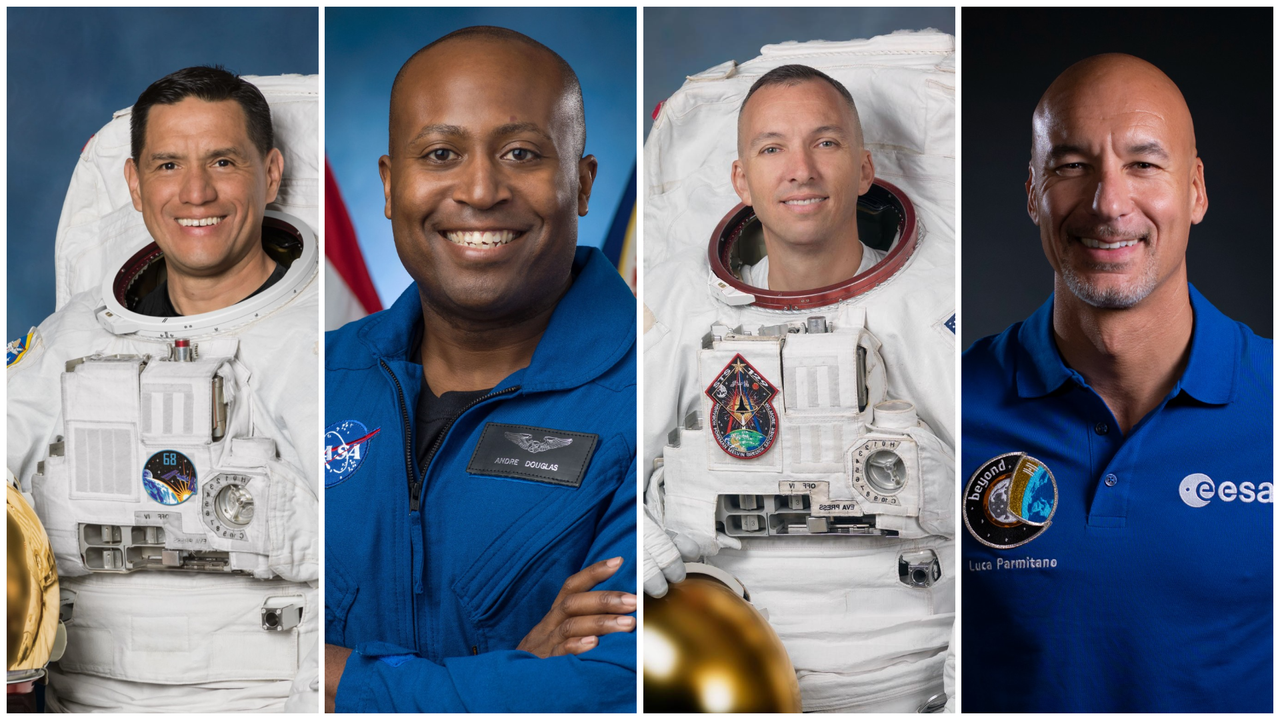
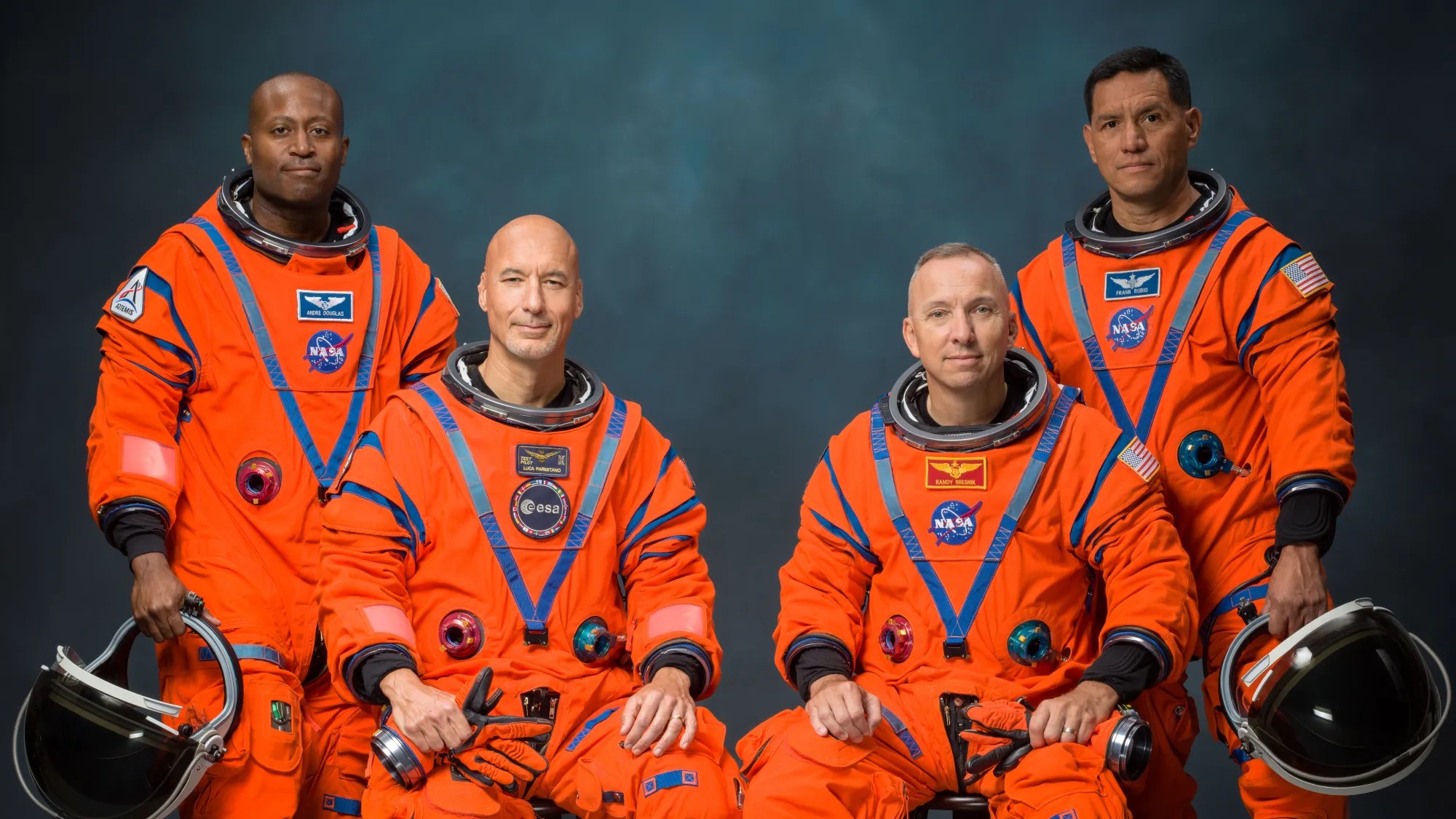
 The crew of NASA's upcoming Artemis 3 mission (from left to right): NASA's Frank Rubio, NASA's Andre Douglas, NASA's Randy Bresnik, and Luca Parmitano of the European Space Agency. (Image credit: NASA/ESA) Share this article 0 Join the conversation Add us as a preferred source on Google Newsletter Subscribe to our newsletter
 HOUSTON — NASA has announced the astronauts who will launch to space on the Artemis 3 mission next year.
The international crew consists of three spaceflight veterans and one first-time spaceflyer, all with backgrounds specially suited for their upcoming mission. The three NASA astronauts and one European Space Agency astronaut of Artemis 3 include commander Randy Bresnik of NASA, ESA's Luca Parmitano as pilot, and NASA astronauts Andre Douglas and Frank Rubio as mission specialists. All were present at the announcement ceremony today (June 9) here at NASA's Johnson Space Center.
"You carry the fire of exploration from generations past, the confidence of this agency, and the support of this nation, and the dreams of millions who will be cheering you on, knowing that what others believe to be impossible happens to be what we do best here at NASA," said NASA Administrator Jared Isaacman during the proceedings.
Each Artemis 3 astronaut comes from a unique background, with expertise that will contribute to the mission's success, and an array of experiences in aerospace engineering, piloting, EVAs and spacecraft development.
Here's a quick look at the newly announced Artemis 3 crew:
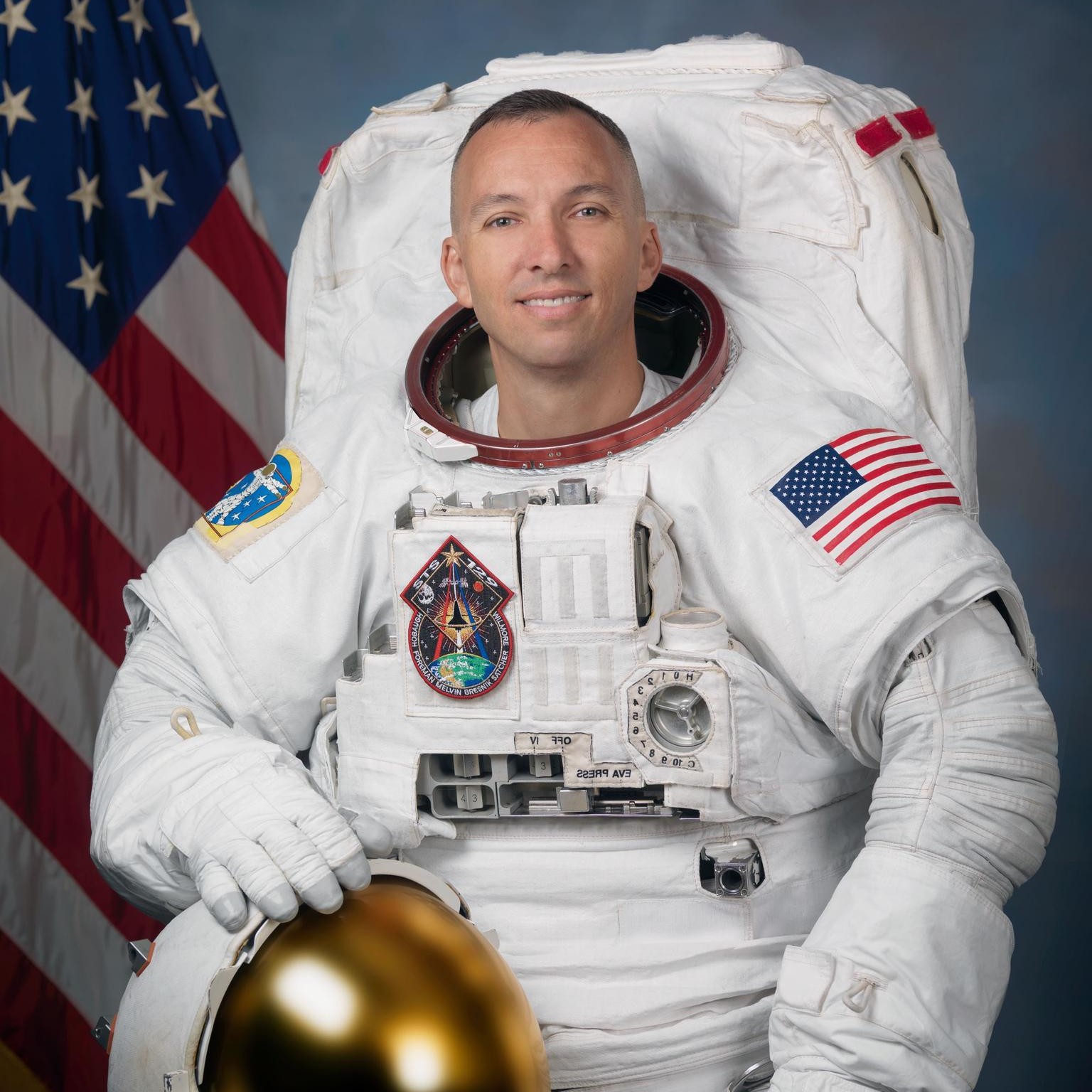 Randy Bresnik
Artemis 3 mission commander Randy Bresnik joined NASA as part of the 2004 astronaut class. Bresnik came to the agency having served in the United States Marine Corps as an F/A-18 pilot who flew combat missions in support of Operation Iraqi Freedom. In 2009, Bresnik spent nearly 11 days aboard the International Space Station (ISS), serving as mission specialist of NASA's STS-129 mission aboard Space Shuttle Atlantis. During that stint, Bresnik performed a six-hour spacewalk outside the station. More recently, Bresnik has served as Assistant-to-the-Chief of the Astronaut Office for Exploration, helping oversee testing for Artemis program hardware.
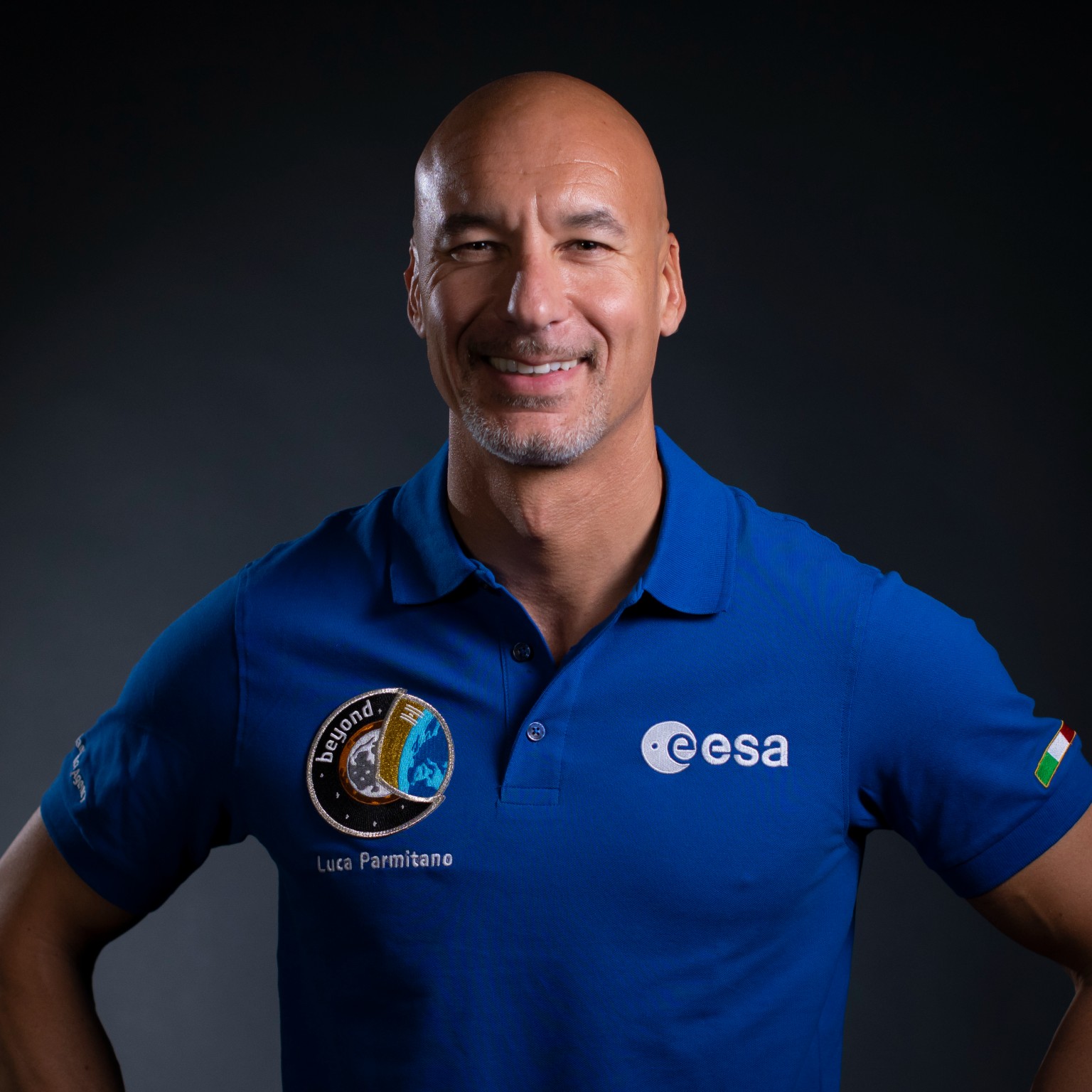 Luca Parmitano
ESA astronaut Luca Parmitano will serve as the Artemis 3 pilot. Before being selected as an ESA astronaut in 2009, Parmitano served in the Italian Air Force as a test pilot where he earned the rank of Colonel. Throughout his career as an Italian Air Force Pilot, Parmitano has banked over 2000 hours flying time across over 40 types of aircraft.
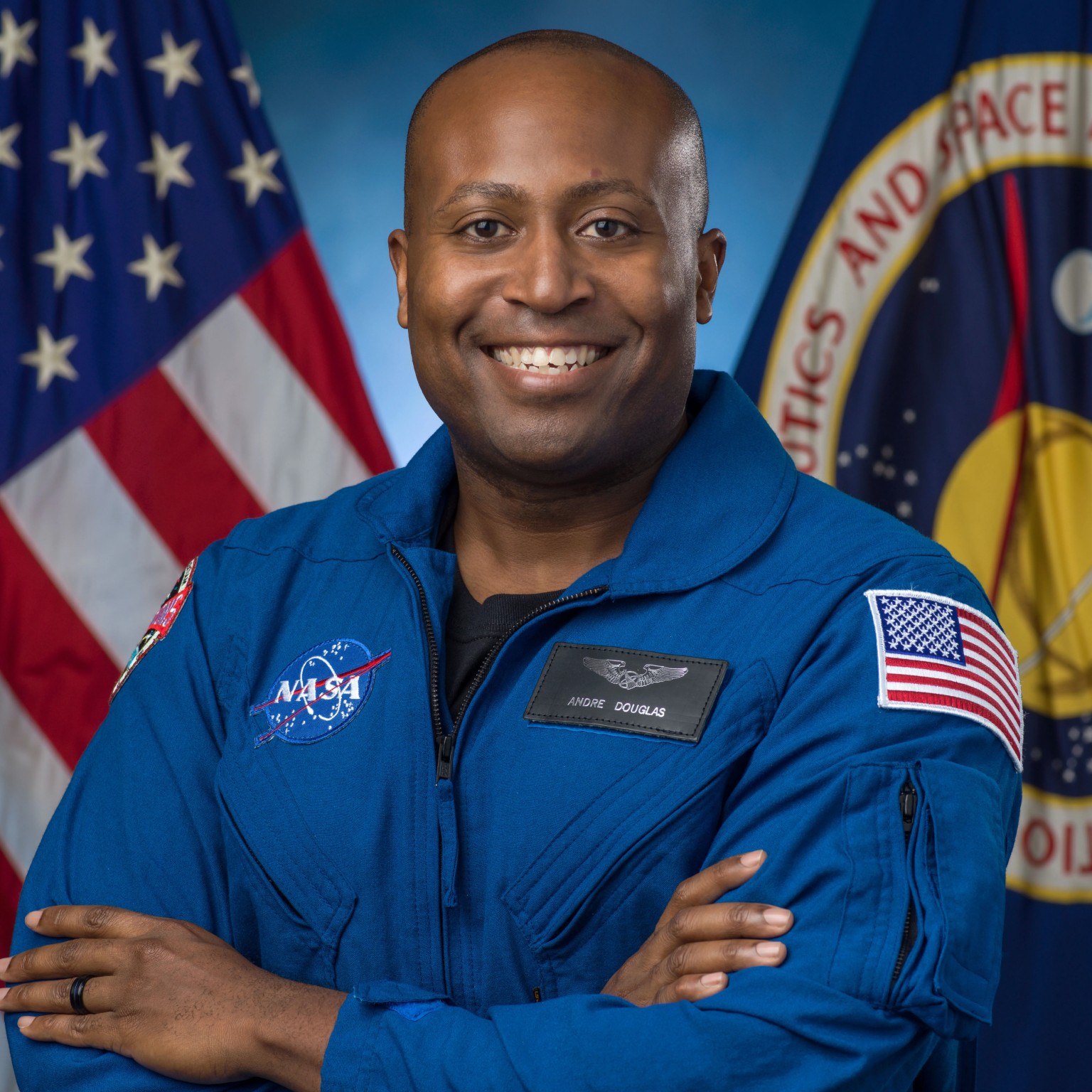 Andre Douglas
NASA astronaut Andre Douglas was selected as an Artemis 3 mission specialist, having previously served as a backup astronaut for Artemis 2. Douglas was chosen for NASA's 2021 astronaut class after earning a doctorate in systems engineering from George Washington University and serving in the U.S. Coast Guard. Artemis 3 will be Douglas' first spaceflight mission.
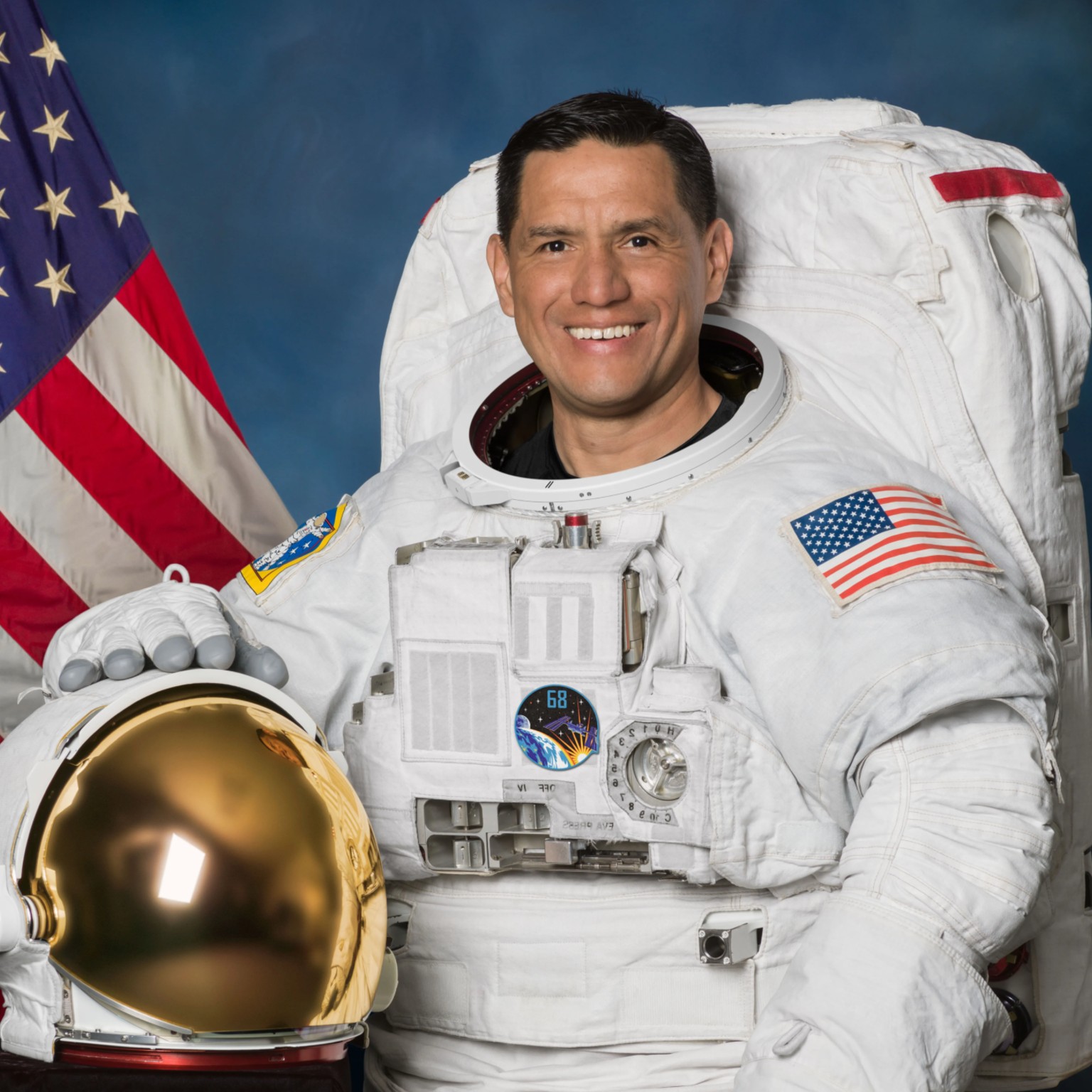 Frank Rubio
Record-breaking astronaut Frank Rubio was also selected as an Artemis 3 mission specialist. Rubio most famously ended up spending over a year in space aboard the ISS after his mission's Soyuz spacecraft sprang a significant coolant leak, setting a NASA record for the single longest spaceflight at 371 days. Rubio previously served as a U.S. Army Black Hawk helicopter pilot with over 1,100 hours of flight time including 600 hours of combat experience.
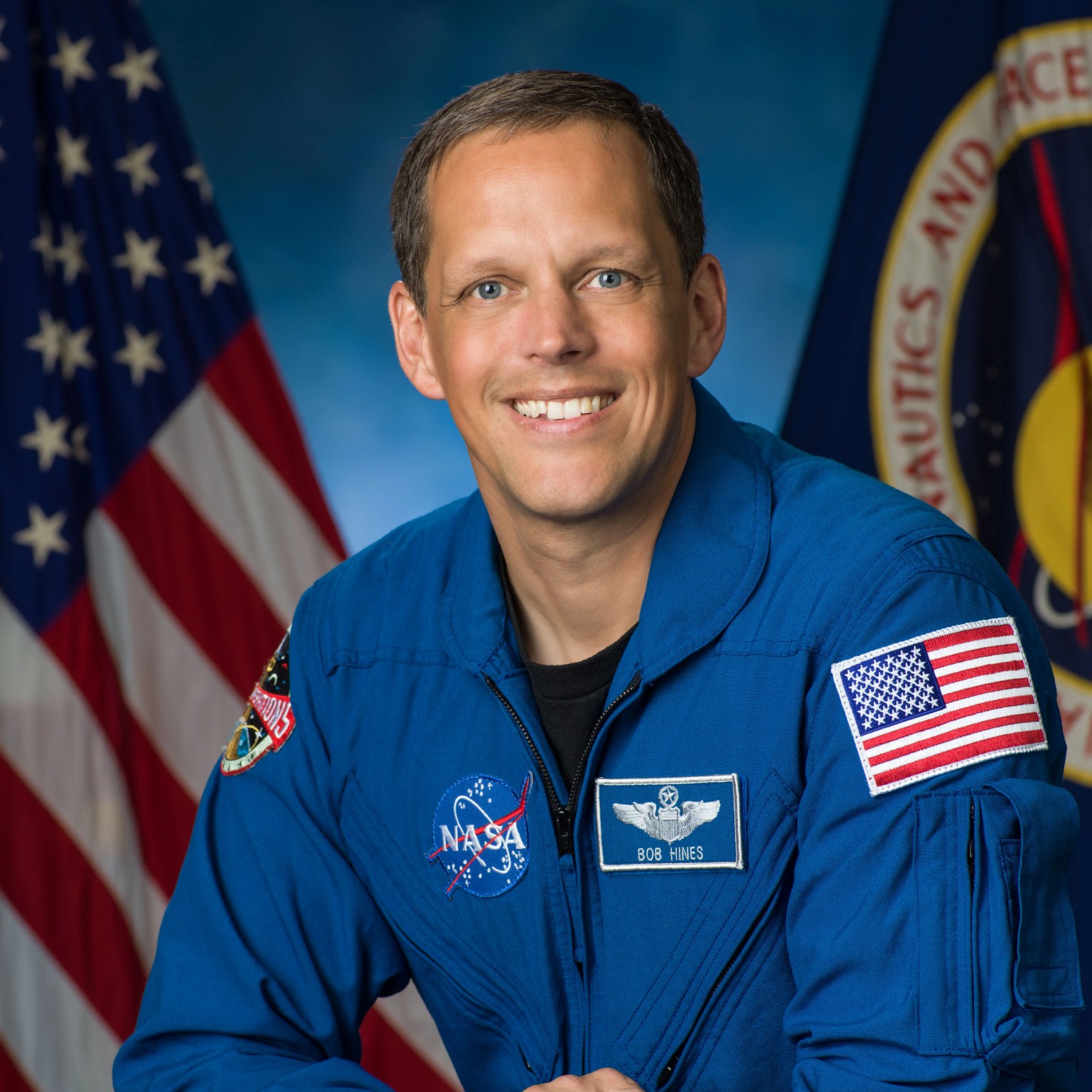 Bob Hines
NASA's Bob Hines was selected as a backup astronaut for Artemis 3. Hines joined NASA's 2017 astronaut class after serving 23 years in the United State Air Force as a fighter pilot and instructor. Hines previously flew to space aboard the SpaceX Crew-4 mission to the International Space Station in 2022 where he logged 170 days in space.
The diverse group was chosen from a wide range of possible candidates, including NASA's original 2020 Artemis astronaut cadre and a number of potential picks from more recent astronaut classes.
Today's announcement comes just two months after the end of Artemis 2, which flew NASA astronauts Reid Wiseman, Victor Glover and Christina Koch, as well as Canadian Space Agency astronaut Jeremy Hansen, on a 10-day mission around the moon's far side and back to Earth. Artemis 2 was the first mission with astronauts aboard NASA's Orion capsule. It flew farther from Earth than any crewed spaceflight in history.
During today's ceremony, the three NASA astronauts of the Artemis 2 crew passed the (literal) Artemis baton to the new crew.
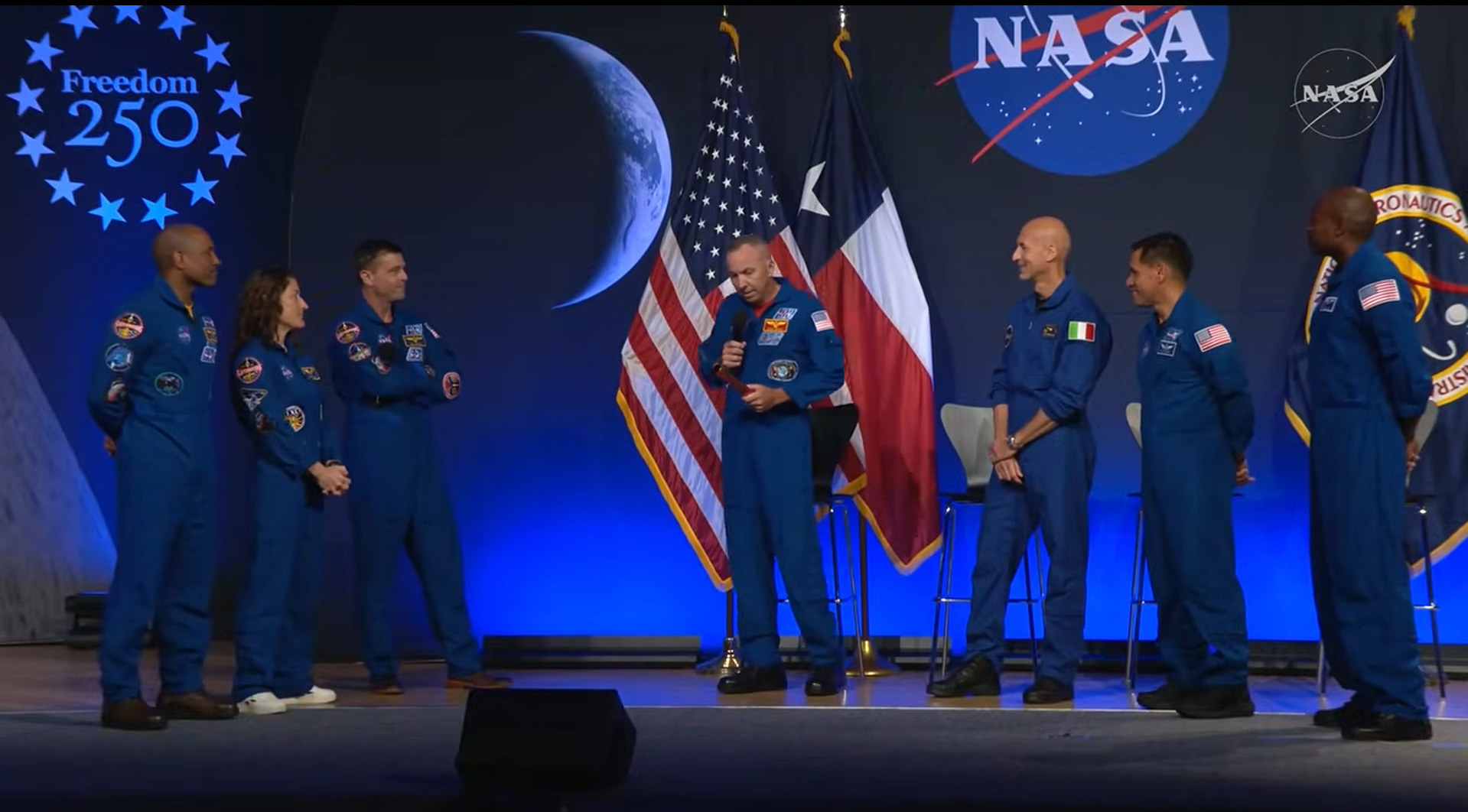
"I know all of us are very touched by the thoughtful symbolism of the passing of the baton, but I think now, after your mission, you're passing us something far greater," Bresnik said. "The world watched your mission, and over the course of those 10 days, we saw how you inspired people worldwide. You saw how something was ignited within people. It was ignited within all of us by watching your mission."
"We, the Artemis 3 crew, are honored to be able to carry this torch forward, to be able to execute our mission, to make that flame burn brighter and pass that flame on to the next crew," Bresnik added.
NASA is targeting mid- to late 2027 for Artemis 3, which will fly a very different mission that will last longer than Artemis 2 while remaining much closer to home. The ultimate goal of the Artemis program is to return astronauts to the surface of the moon, where NASA intends to establish a permanent base.
Artemis 3 will be a significant stepping stone toward that endeavor, but won't fly beyond low Earth orbit (LEO). If all goes according to plan the four newly assigned astronauts of Artemis 3 will rendezvous and dock the Orion spacecraft with one or both landers NASA is developing, and lay the groundwork for future Artemis missions to the moon that will follow. Ultimately, the mission will allow NASA to test out much of the most cutting-edge hardware in the American spaceflight portfolio.
"Artemis 3 will be an extraordinary demonstration of what is possible when the greatest aerospace companies across the United States, alongside our European partners come together to showcase the technological might and ambition of the free world," Isaacman said during the event. "This seems like the beginning of the future that we imagined as children. This seems like the very beginning of Earth's first Starfleet to me"
Artemis 3's Orion crew capsule will launch on NASA's Space Launch System (SLS) rocket into LEO, where it will rendezvous with Blue Origin's Blue Moon lander (which will launch on one of the company's New Glenn rockets) and SpaceX's Starship. "Artemis 3 is an incredibly exciting, complicated, and highly coordinated multi-launch campaign. It's going to happen in a short period of time with three of the world's most powerful rockets," NASA's Jeremy Parsons, Artemis Program Manager, said during today's event.
The goal will be to practice docking maneuvers and operations between the vehicles. Both SpaceX and Blue Origin were awarded contracts through NASA's Human Landing System (HLS) program, but each has faced developmental delays that have prompted NASA's willingness to fly Artemis 3 with either or both landers, depending on their availability.
Blue Origin, in particular, faced a significant setback in May 2026 when its New Glenn rocket exploded spectacularly on the launch pad during a test. "We've redoubled our efforts and are moving forward," Blue Origin's John Couluris said during today's event. "We will measure ourselves not only by our successes, but how we respond to setbacks."
If Blue Origin can in fact recover from the damage to its launch infrastructure in time, the company will launch its Blue Moon lunar lander atop one of its New Glenn rockets. Once Blue Moon is in low Earth orbit, the Artemis 3 crew will dock its Orion spacecraft with the lander in low Earth orbit for two days. While docked, the crew will open the hatch into the lander and test its systems including life support.
From there, the crew will undock from Blue Moon and begin rendezvous maneuvers with SpaceX's Starship. Orion will meet up with Starship for one day, testing docking procedures. There will be no crew cabin on the Artemis 3 Starship lander, only docking hardware.
Another goal of Artemis 3 is to have the astronauts test out new spacesuits built for extravehicular activities (EVAs) on the lunar surface. Whether or not Artemis 3 will actually include an EVA while in Earth orbit is yet to be determined. Artemis' EVA suits are being designed by the Houston company Axiom Space and have faced their own delays. The suit tests performed during Artemis 3 could potentially use a prototype not yet ready for use in the vacuum of space, though any data gathered from use of the suit in zero-g will be valuable for its development.
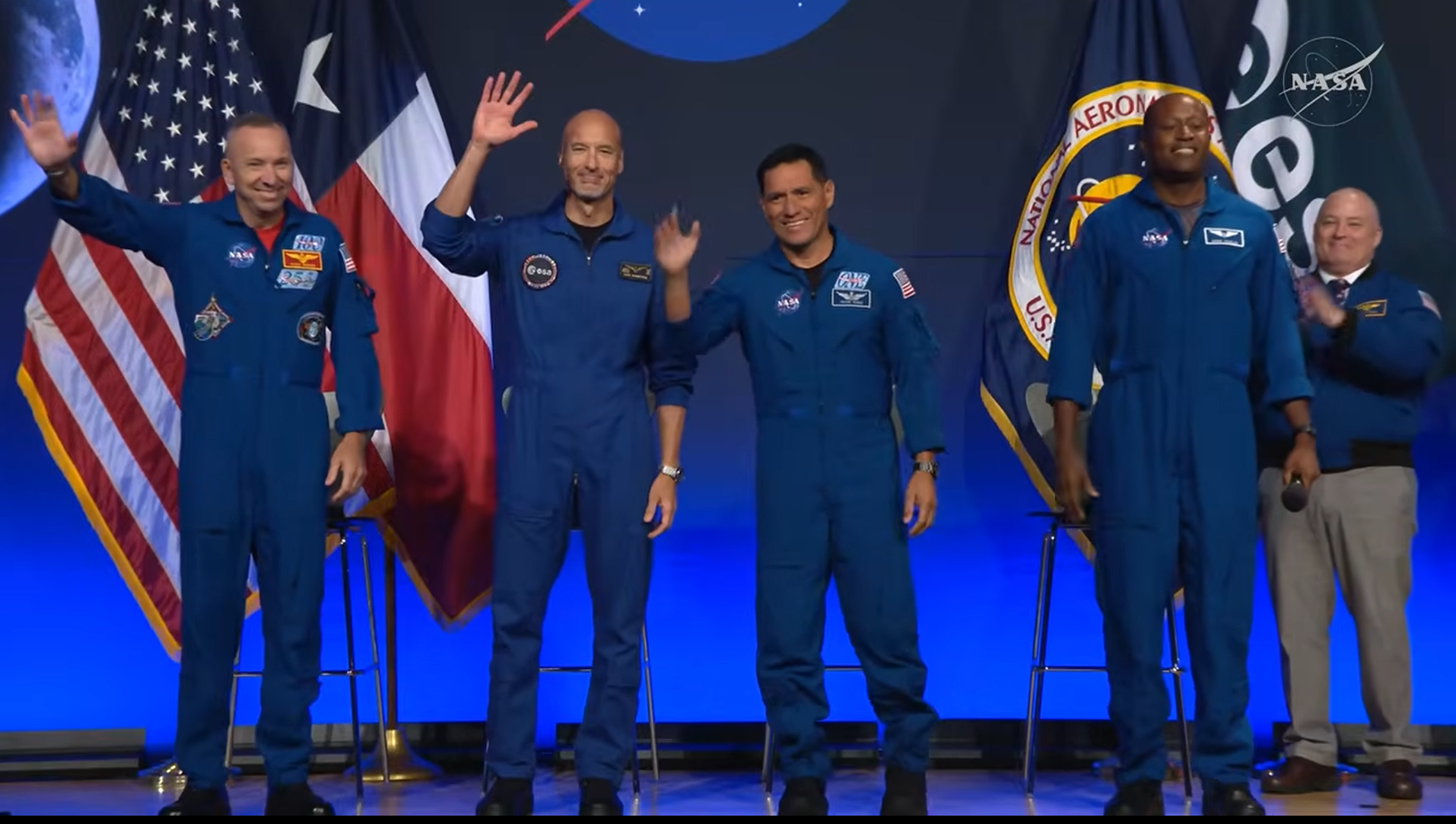
Now that the quartet is formed, the Artemis 3 crew will begin transitioning from the roles in which they've been serving to training for their upcoming mission. The four astronauts will spend the next 1.5 years or more practicing procedures and real-time scenarios aboard the Orion simulator at JSC, as well as the recently installed Blue Moon training mockup.
Other prep work for Artemis 3 is well underway. For example, elements of the mission's SLS rocket are already taking shape at NASA centers and commercial partner facilities. The main stage propellant tank arrived at Kennedy Space Center (KSC) in Florida in April, and the final segments of the launch vehicle's solid rocket boosters recently departed Northrop Grumman's manufacturing facility on a train ride to KSC for stacking and SLS integration. Orion is also at KSC, undergoing final assembly and testing inside the Neil Armstrong Operations and Checkout Building.
NASA officials have voiced confidence in their ability to ready SLS in time for a 2027 Artemis 3 liftoff. The agency already had to shift that target from "early 2027," to "late 2027," as a result of development delays for Starship and Blue Moon (though Isaacman recently stressed that NASA is targeting mid-2027) . Whether that date slips further will depend on each lander's readiness, and could result in one of the two getting left behind.
If that happens, whichever lander launches with Artemis 3 will very likely be the one that delivers astronauts to the lunar surface for the program's first moon landing on Artemis 4, which NASA is hoping to launch in 2028. Should neither lander be ready to launch by NASA's 2027 window for the upcoming mission, a moon landing the following year would be unlikely, and would probably shift NASA's entire timeline for establishing a permanent lunar base at the turn of the decade further into the 2030s.
View MoreYou must confirm your public display name before commenting
Please logout and then login again, you will then be prompted to enter your display name.
Logout Josh DinnerStaff Writer, Spaceflight
Josh Dinner is Space.com's Spaceflight Staff Writer. He is a writer and photographer with a passion for science and space exploration, and has been working the space beat since 2016. Josh has covered the evolution of NASA's commercial spaceflight partnerships and crewed missions from the Space Coast, NASA science missions and more. He also enjoys building 1:144-scale model rockets and spacecraft. Find some of Josh's launch photography on Instagram, and follow him on X, where he mostly posts in haiku.