The spooky season is officially here! To celebrate, we've put together a list of five Halloween-themed skywatching targets that you can enjoy with nothing but the naked eye or binoculars and, of course, clear skies.
Over millennia, the night sky has helped shape human beliefs. In return, we have imprinted our myths, stories and perceptions upon it, seeing monsters and mythology in the twinkling lights of the stars and assigning sinister aspects to innocent cosmic objects.
Many of these ghostly impressions and meanings have survived to the present day. Here are a few of our favorites.
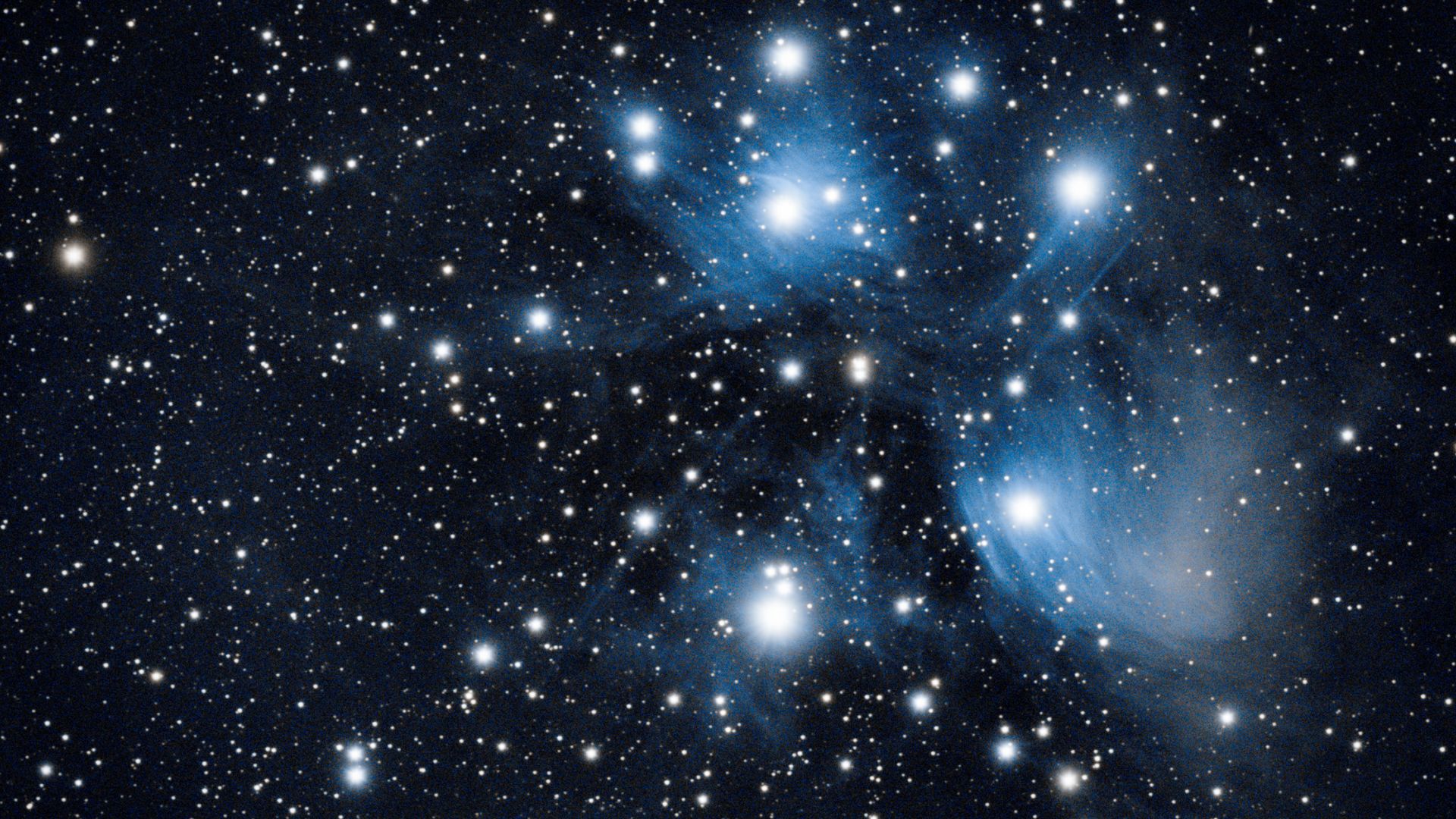
The Pleiades open star cluster
Don't be fooled by their beauty; the blue-white stars of the Pleiades are dripping in spooky lore. Ancient Celtic druids would hold the celebration of Samhain — the precursor to Halloween — when the star cluster reached its highest point in the autumn night sky at midnight.
The Pleiades open star cluster glows in the blackness of space. (Image credit: Photo by Lorenzo Di Cola/NurPhoto via Getty Images)The veil separating the worlds of the living and the dead was believed to be at its thinnest around this time, granting the departed a brief window to visit the living before the realms separated once again.
The Pleiades appears as a tight collection of six or seven bright twinkling stars to the naked eye, while a pair of binoculars will reveal dozens more of the 1,000-strong star cluster.
How to find the Pleiades in October using Orion's Belt. (Image credit: Created by Anthony Wood in Canva.)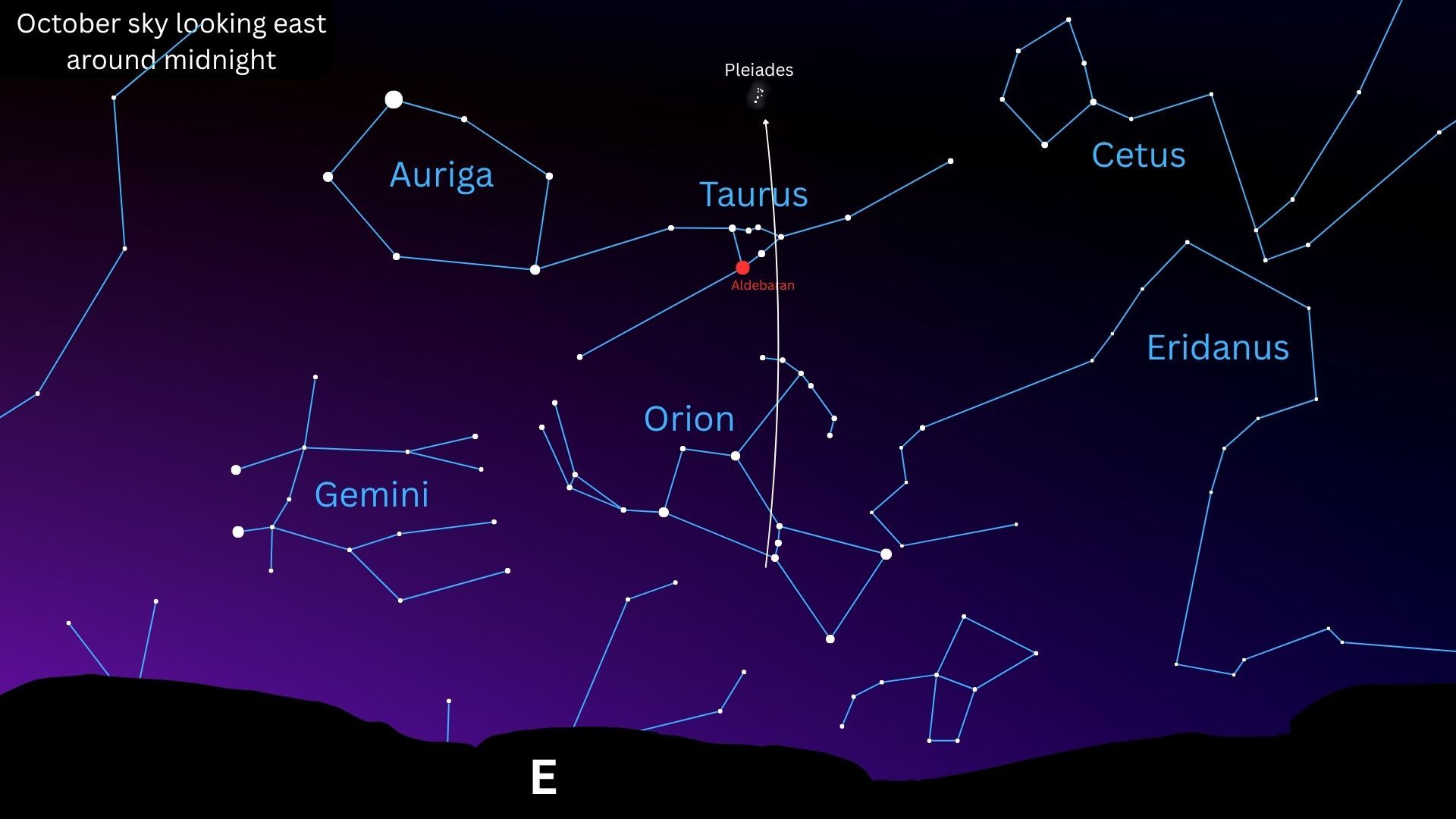
Stargazers in the U.S. can find the Pleiades using the three familiar stars of Orion's Belt, which glisten in the eastern sky in the hours preceding midnight. Trace an imaginary line upward through the trio of stars until you find the bright orange star Aldebaran, which represents an eye of the great bull represented in the constellation Taurus. The Pleiades can be found glowing less than 15 degrees above! (Reminder: Your clenched fist held at arm's length covers about 10 degrees of sky.)
The 'Demon Star' Algol
Next we turn our gaze to the "Demon Star" Algol — a beautiful binary system that represents an eye of the monstrous Gorgon Medusa, whose severed head is depicted in the constellation Perseus.
The demon star Algol shines above the southeastern horizon after sunset in October. (Image credit: Created by Anthony Wood in Canva.)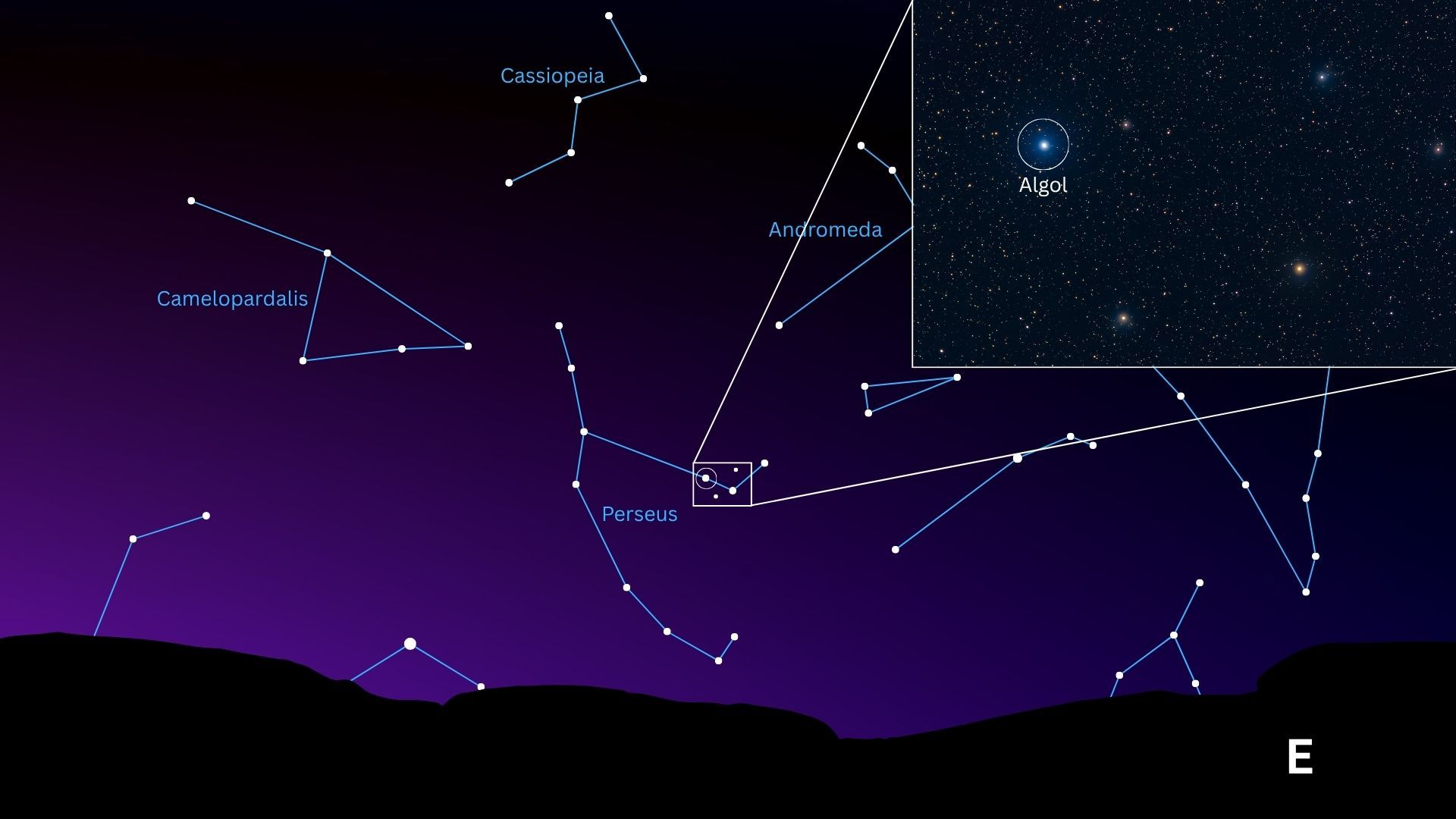
The demonic eye appears to "wink" at us every 2.867 days, as one of a pair of co-orbiting stars eclipses the other, making Algol appear 3.3 times dimmer than usual at the climax, or "minima," of each 10-hour eclipse. Algol won't be eclipsed on Halloween night in 2026, though you may notice its light dim during the surrounding minima on Oct. 29 and Nov. 1, according to Sky and Telescope.
Cetus, the sea monster
The night sky is often described as a sea of stars, so it's only fitting that a monster lurks within its depths. The constellation Cetus — also known as the sea monster, or the whale — can be found shining in the southeastern sky after sunset in late October, with the circlet of stars representing the monster's head glistening to the right of the Pleiades for viewers in the U.S.
The constellation Cetus represents a vast sea creature from Greek mythology. (Image credit: Grebeshkovmaxim via Getty Images)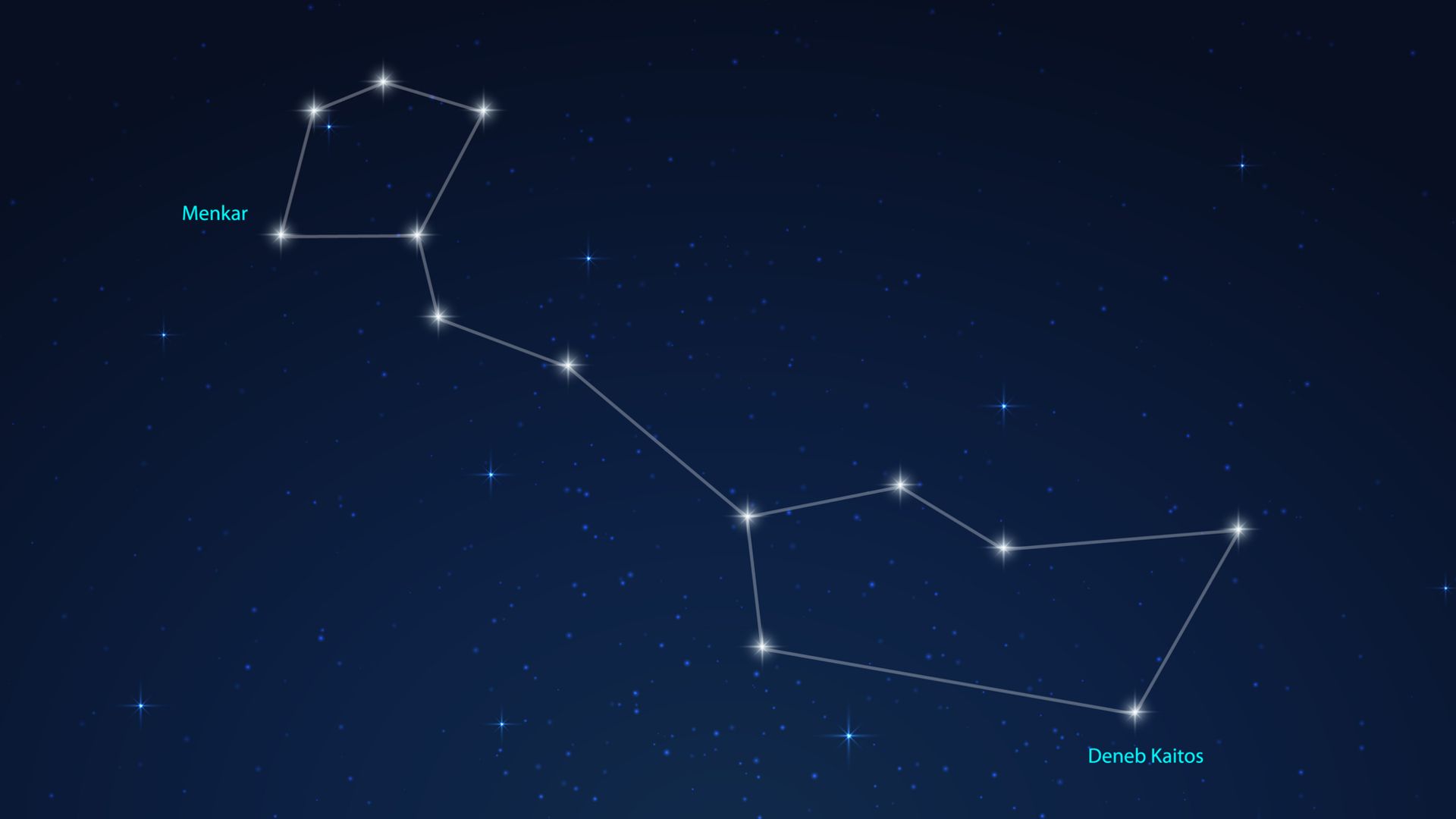
In Greek mythology, Cetus was a mighty sea beast that terrorized the coast of Aethiopia under the command of the god Poseidon, according to the website for NASA's Chandra X-Ray Observatory. The sea beast was eventually killed by the hero Perseus, who in some tellings used the severed head of medusa to turn Cetus to stone!
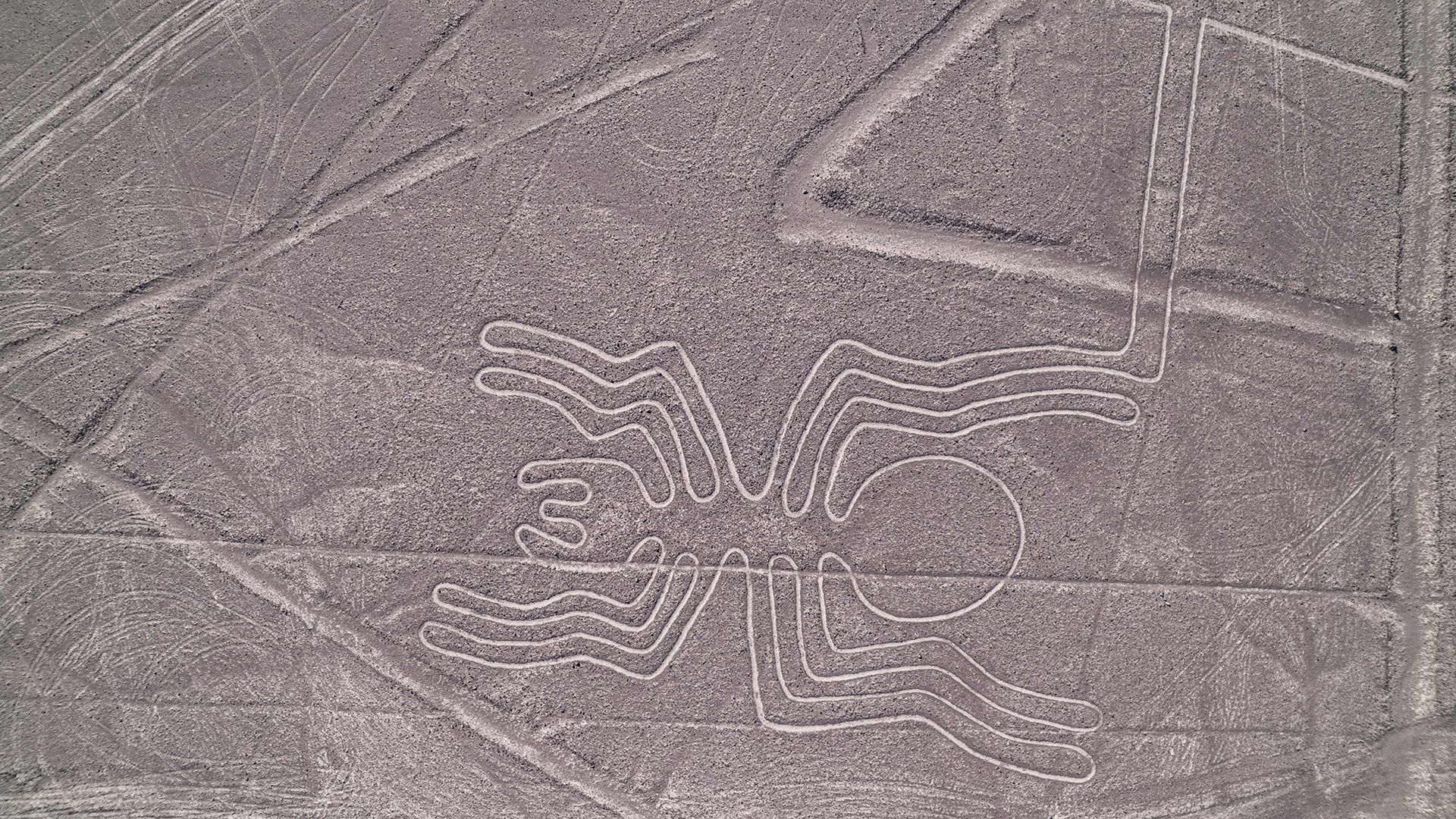
Spiderwebs on the moon
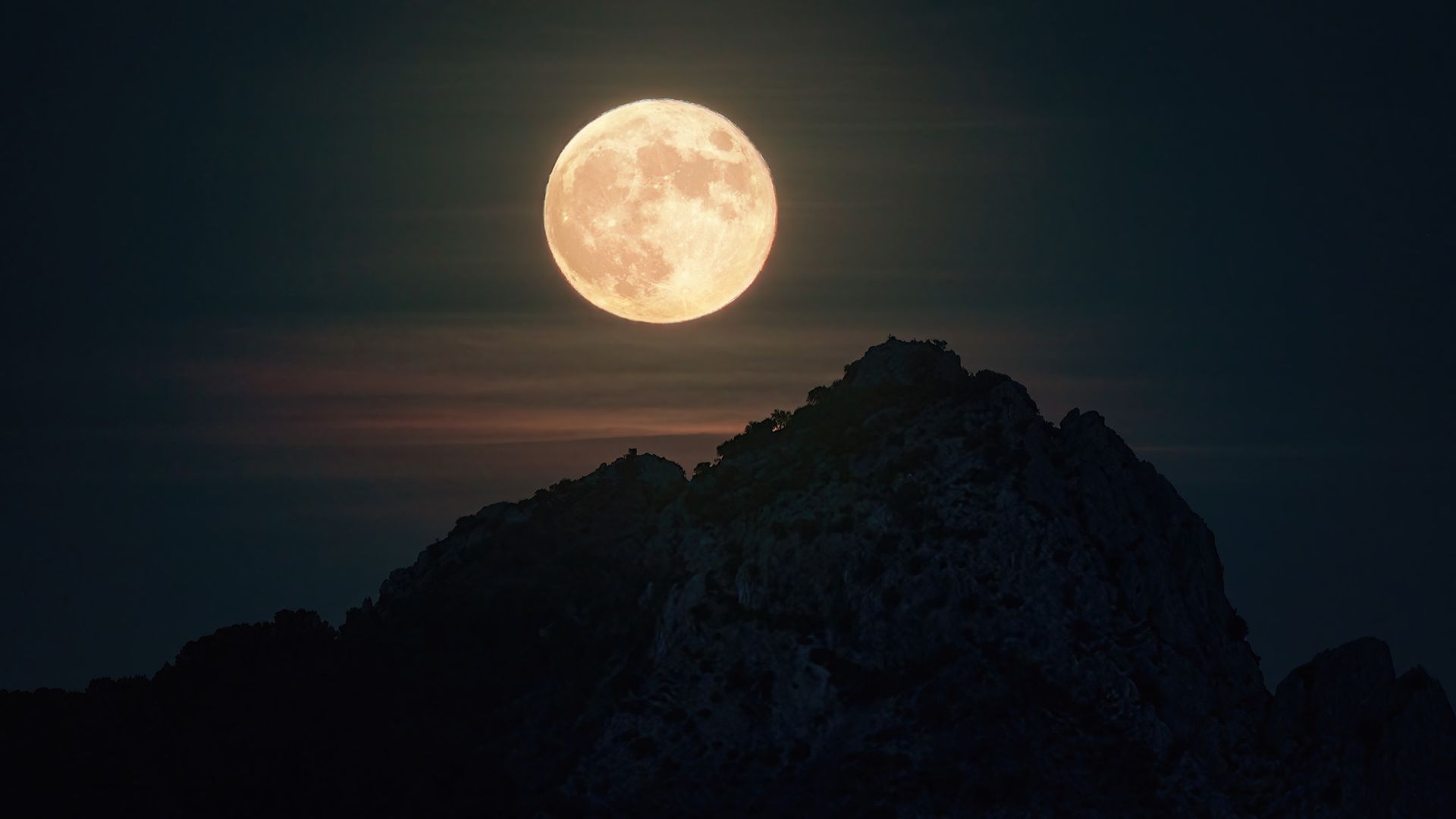
Look to the lunar disk in the week surrounding the full moon on Oct. 26 and you may notice a bright network of spiderweb-like patterns surrounding the Tycho, Copernicus and Kepler craters.
The Copernicus, Tycho and Kepler craters appear to be surrounded by spiderwebs around the full moon phase. (Image credit: Photo by Pongmanat Tasiri/SOPA Images/LightRocket via Getty Images. Annotations made by Anthony Wood in Canva.)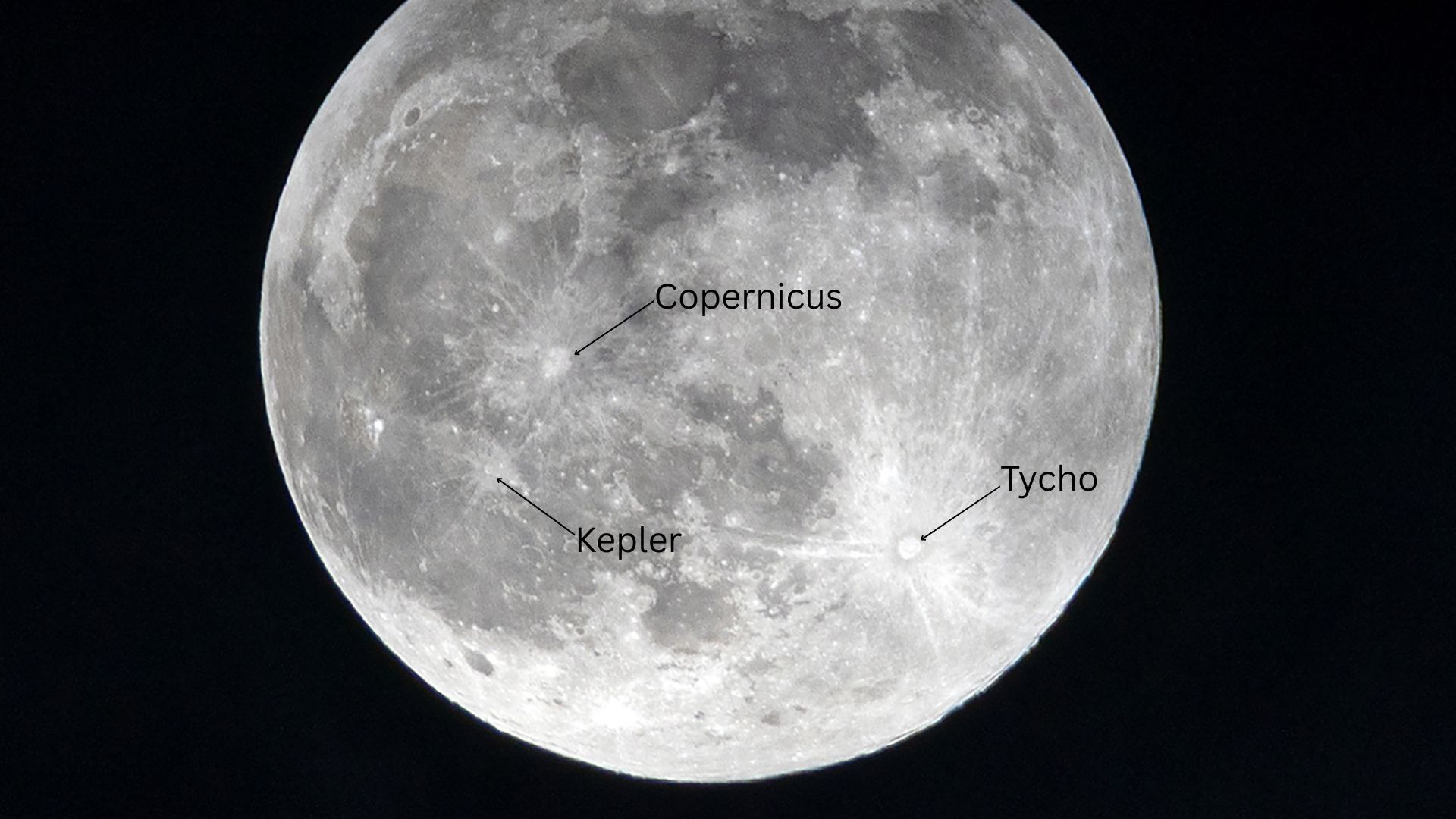
Thankfully, these aren't the nests of some colossal moon-dwelling arachnids, but streaks of bright material cast across the lunar surface by the violent impacts that created the bright young craters. They're best viewed around the full moon phase, when the lunar disk shines opposite the sun in Earth's sky.
Halloween fireballs
Our last pick is going to take a great deal of patience, and a good amount of luck! Look out for bright, slow-moving meteors belonging to the Taurid meteor shower, which appear to streak away from a patch of sky close to the Pleiades in the constellation Taurus (hence the name).
The Taurids are comprised of two separate meteor showers — the Northern Taurids and Southern Taurids — which are active in late October as Earth passes through the debris trails left by the 3-mile-wide (4.8 kilometers) Comet 2P/Encke.
A Taurid meteor streaks through the skies over Canada. (Image credit: Orchidpoet via Getty Images)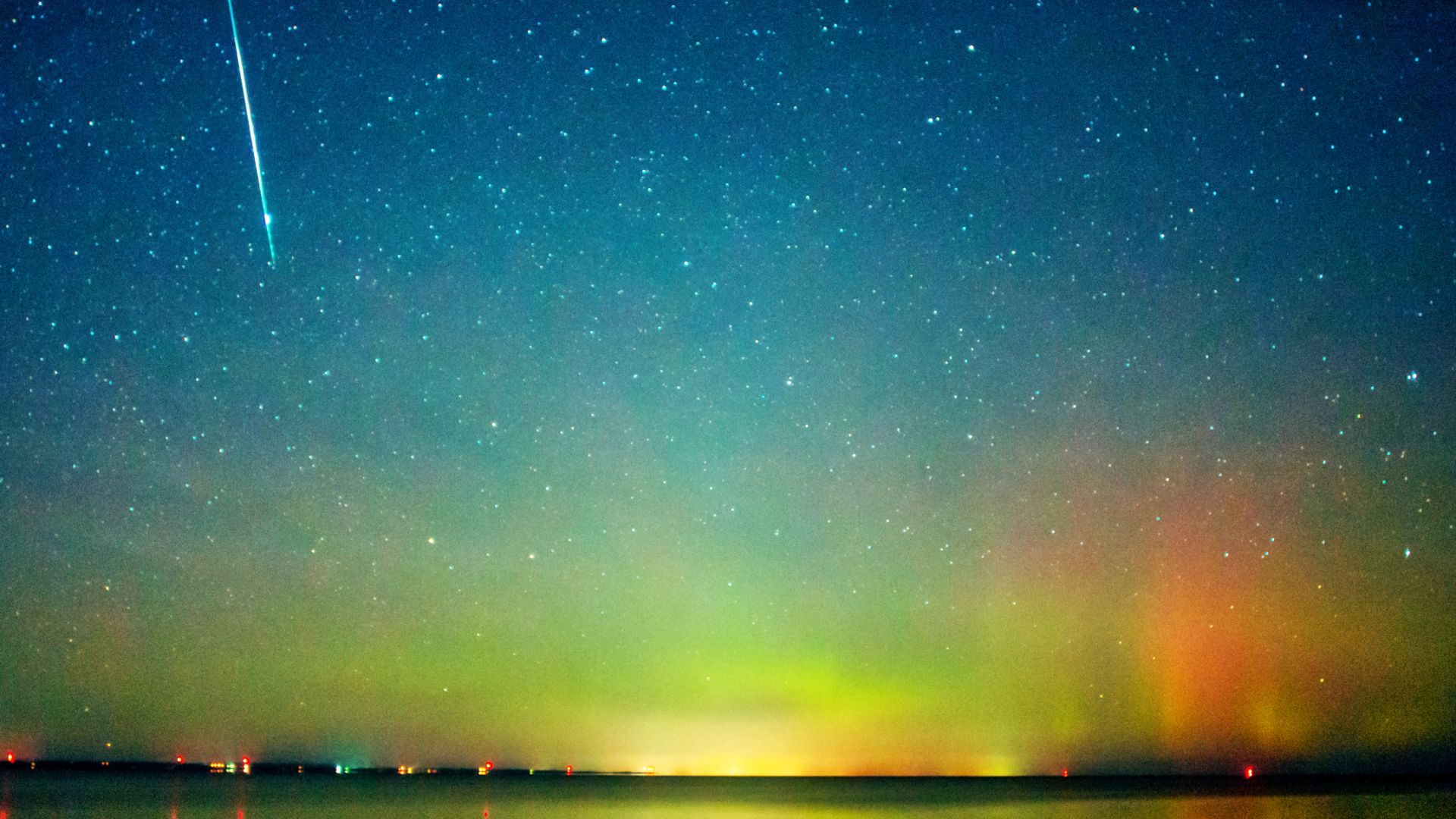
Taurids are known for producing bright "fireball" meteors, which are often called "Halloween fireballs" because they tend to coincide with the annual celebration. They're spectacular and can appear anytime after the constellation Taurus rises above the horizon, which is shortly after sunset in October for stargazers in the U.S.. But they're also very rare, so it's best to treat the fireballs as a bonus if you're lucky enough to spot one, rather than a target to plan your nights around, at least outside of the shower's peaks in early November.
Be sure to check out our beginners tips for skywatching if you're a newcomer to exploring the night sky, along with our picks of the best binoculars and telescope deals that'll have you exploring everything from the moon and stars to impressive deep sky objects in no time.
Editor's Note: If you would like to share your Halloween astrophotography with Space.com's readers, then please send your photo(s), comments, and your name and location to [email protected].