- Today's top story
- The trend
- Science on the go
- Say it, said it
- Fun & games
- Follow Live Science on social media
Get the world’s most fascinating discoveries delivered straight to your inbox.
Become a Member in Seconds
Unlock instant access to exclusive member features.
Contact me with news and offers from other Future brands Receive email from us on behalf of our trusted partners or sponsors By submitting your information you agree to the Terms & Conditions and Privacy Policy and are aged 16 or over.You are now subscribed
Your newsletter sign-up was successful
Want to add more newsletters?
Join the club
Get full access to premium articles, exclusive features and a growing list of member rewards.
Explore An account already exists for this email address, please log in. Subscribe to our newsletterToday's top story
Super El Niño cometh
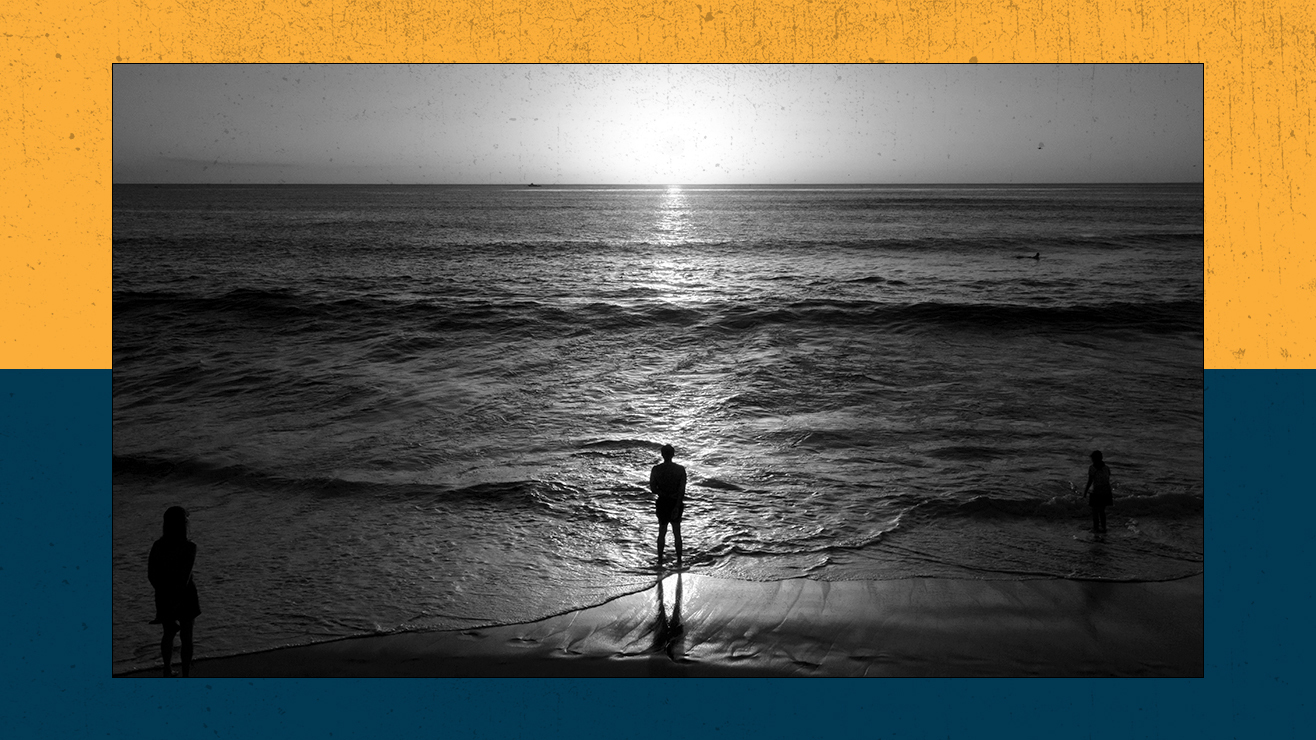
A "super El Niño" is on the cards this summer, and it could supercharge temperatures to make 2027 a contender for the hottest year on record.
That's according to the National Oceanic and Atmospheric Administration's (NOAA) Climate Prediction Center, which declared there is a 62% chance the natural climate pattern will emerge between June and August, and a 1-in-3 likelihood it will be especially strong.
That's big news for our increasingly disrupted climate, with El Niño tending to strengthen hurricane activity over the central and eastern Pacific while suppressing hurricanes in the Atlantic, and triggering extreme weather such as floods, droughts and heatwaves across the globe.
The trend
Crowded skies
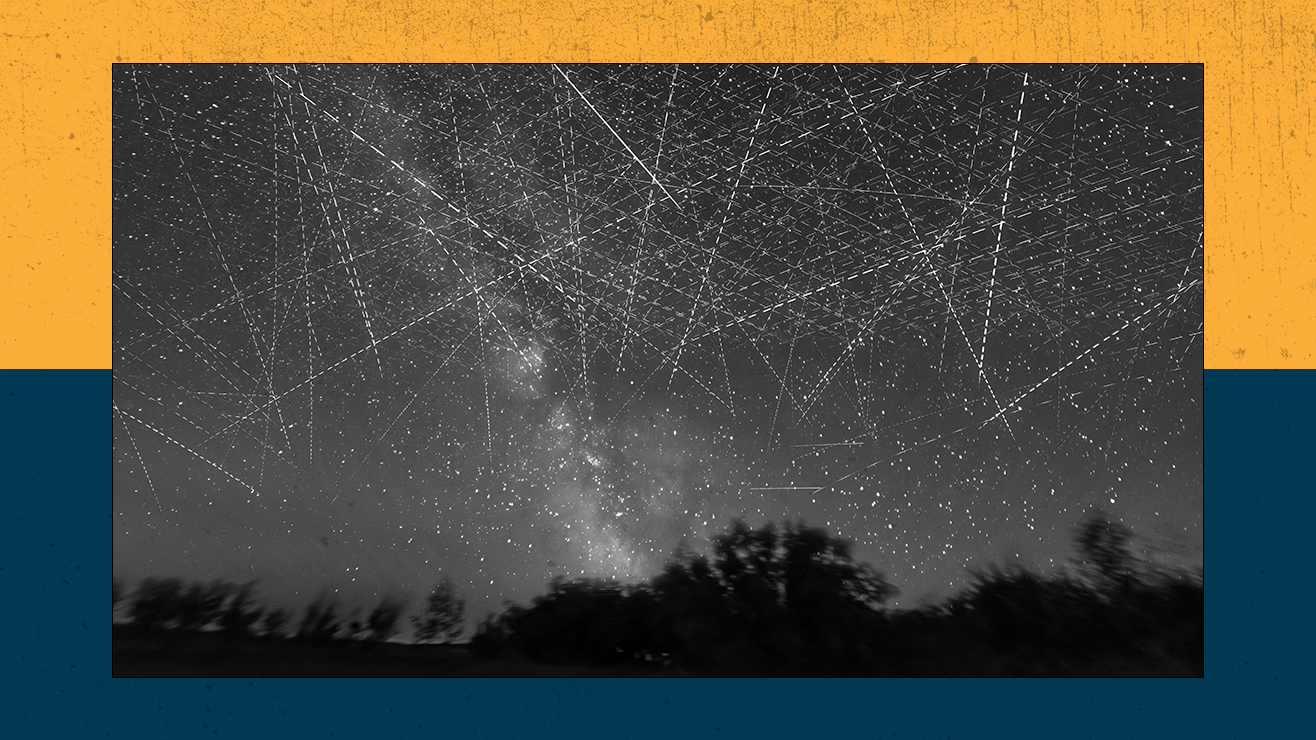
There are now 10,000 Starlink satellites above our heads. The news comes as a Falcon 9 rocket, which launched from California last night, added 25 new satellites to the growing low Earth orbit constellation. [Spaceflight Now]
It's a remarkable technical achievement, especially considering the tens of thousands of avoidance maneuvers satellites in the array need to complete to avoid crashing into each other. But it also comes at a great cost to radio astronomy and potentially to nearby spacecraft, while also raising the odds of an uncontrolled orbital chain reaction.
Three to read
- U.K. officials race to contain the spread of a bacterial strain of meningitis behind a fatal outbreak in Kent, England. [The Guardian]
- Federal court blocks Health and Human Services (HHS) Secretary Robert F. Kennedy Jr.’s vaccine changes, alongside his remaking of a key vaccine advisory panel. [The Hill]
- A single injection of mRNA-like treatment could help heart muscle heal after a heart attack in mice and pigs. Could it work in humans too? [Live Science]
Say it, said it
Word of the day: Etosha — An Oshindonga (dialect of Namibian) word that translates roughly to "Great White Place." The Etosha Pan is an approximately 1,800-square-mile (4,700 square kilometers) salt flat north of Namibia's capital, Windhoek. And it looks absolutely stunning from space.
Quote of the day: "Think of your brain like a city: while the whole city is awake and active, a few specific 'neighborhoods' (brain regions) decide to turn off their lights for a second. If those neighborhoods are responsible for attention, you experience a lapse."
Elaine Pinggal, a neuroscientist at Monash University, Melbourne, on how sleep-like brain activity can make our attentions lapse, and how adults with ADHD experience them much more often.
Fun and games
This crossword by Senior Staff Writer Harry Baker took our Editor-in-Chief Alexander McNamara one minute and 55 seconds to complete. Think you can beat him?
Follow Live Science on social media
Want more science news? Follow our Live Science WhatsApp Channel for the latest discoveries as they happen. It's the best way to get our expert reporting on the go, but if you don't use WhatsApp we're also on Facebook, X (formerly Twitter), Flipboard, Instagram, TikTok, Bluesky and LinkedIn.
TOPICS Ben TurnerActing Trending News Editor
Ben Turner is a U.K. based writer and editor at Live Science. He covers physics and astronomy, tech and climate change. He graduated from University College London with a degree in particle physics before training as a journalist. When he's not writing, Ben enjoys reading literature, playing the guitar and embarrassing himself with chess.
View MoreYou must confirm your public display name before commenting
Please logout and then login again, you will then be prompted to enter your display name.
Logout LATEST ARTICLES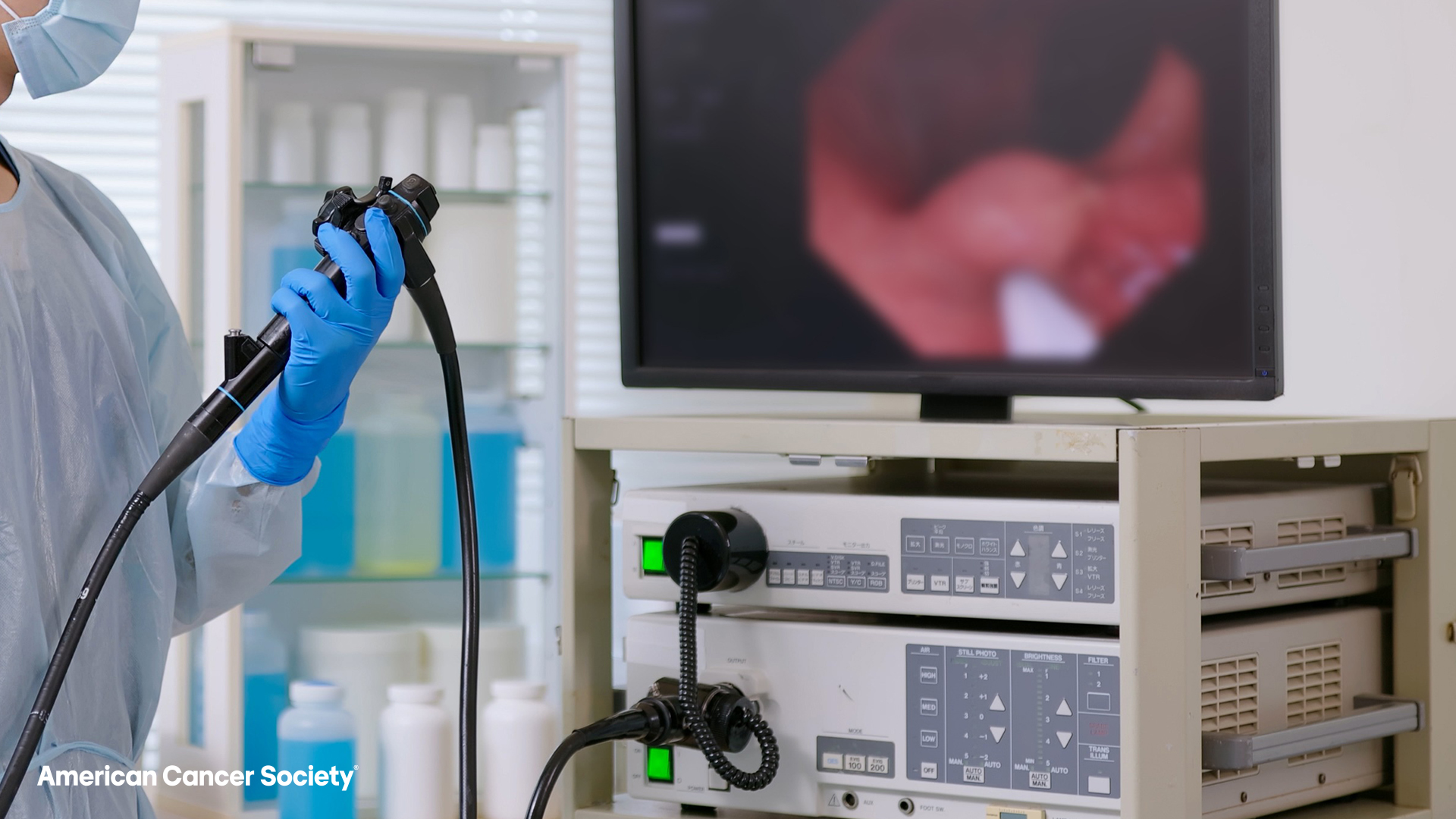 1Colorectal cancer is now the most common cause of cancer deaths in the US for people under 50
- 2Iran war could create a 'fertilizer shock' that impacts agriculture and raises food prices
- 3'We got evidence of boars, deer, bears, aurochs': Ancient DNA reveals sunken realm Doggerland had habitable forests during the last ice age
- 4Live Science Today: Super El Niño looms and Starlink hits 10,000 satellites in orbit
- 5Rainbow-colored phantom lakes emerge around Namibia's 'Great White Place'