- Today's top story
- The trend
- Science on the go
- Say it, said it
- Fun & games
- Follow Live Science on social media
Get the world’s most fascinating discoveries delivered straight to your inbox.
Become a Member in Seconds
Unlock instant access to exclusive member features.
Contact me with news and offers from other Future brands Receive email from us on behalf of our trusted partners or sponsors By submitting your information you agree to the Terms & Conditions and Privacy Policy and are aged 16 or over.You are now subscribed
Your newsletter sign-up was successful
Want to add more newsletters?
Join the club
Get full access to premium articles, exclusive features and a growing list of member rewards.
Explore An account already exists for this email address, please log in. Subscribe to our newsletterToday's top story
Hex appeal

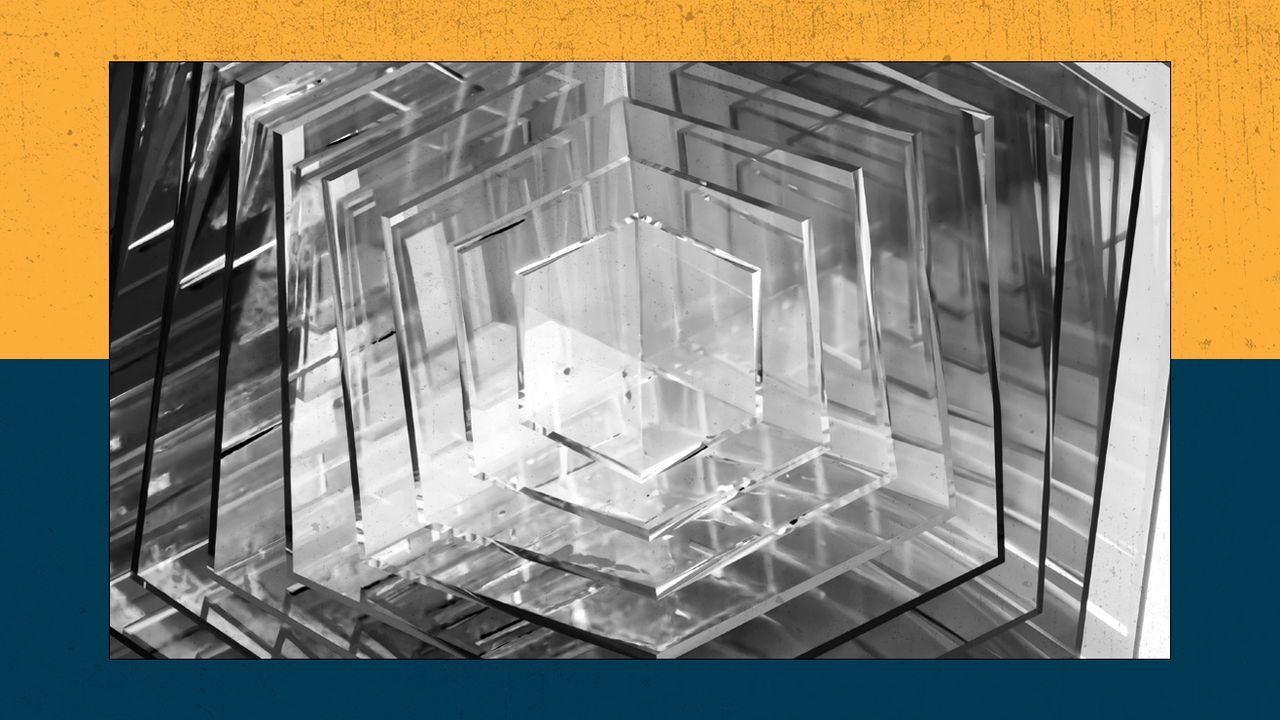
Researchers in China claim to have synthesized the very first samples of "hexagonal diamond" — a mysterious and coveted material believed to be harder, stiffer and chemically tougher than natural diamond.
Scientists have been arguing about hexagonal diamonds (whose carbon atoms arrange themselves in hexagons instead of the cubic lattices seen in natural diamonds) for decades. First theorized in 1962, the diamonds were later discovered in meteorites that arrived to Earth from the mantles of shattered dwarf planets, although the evidence for this is disputed.
Now, three separate research groups appear to have made pure to nearly pure hexagonal diamond samples. If their findings are replicated consistently and can be scaled up, they could open up all kinds of new applications.
The trend
Scaling down
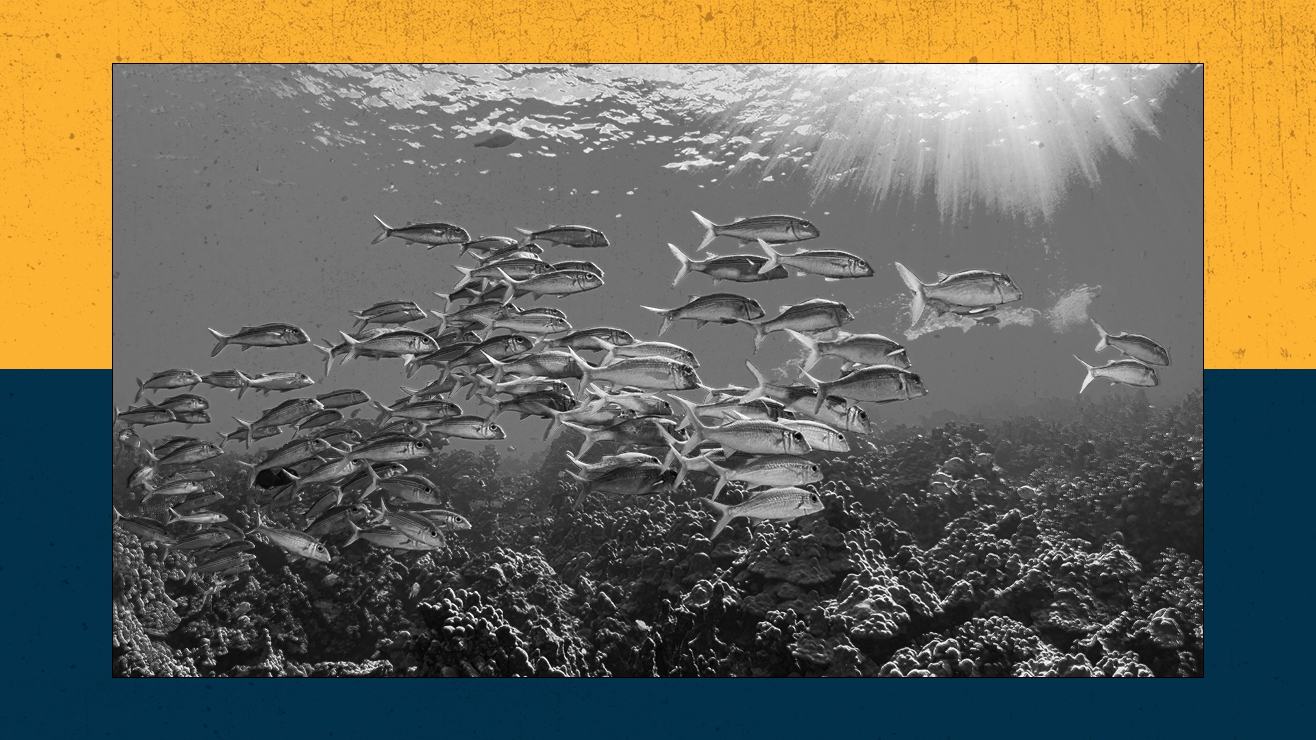
Climate change is making fish smaller, according to an alarming new study published in the journal Science. It warns that the shift may worsen fishery losses by 50%.
As ocean temperatures soar, fish are evolving to grow faster and mature earlier, reducing their maximum size. This in turn leads to smaller catches for fisheries, putting a vital protein source relied upon by billions of people on a very thin line.
The scientists behind the study say this is yet another reason to reduce carbon emissions, preserving millions of tons of food production that would otherwise be lost.
Three to read
- Measles' resurgence in the US is a grim sign of what's coming [Live Science]
- China creates a clock so accurate it could redefine the second [ScienceAlert]
- GPS is being weaponized in electronic warfare — and it's putting ships at risk [Live Science]
Say it, said it
Word of the day: Zugzwang — Starting as a chess term, this German word is used in psychology and game theory to describe a situation where any move you make will worsen your position.
Quote of the day: "We are now faced with a 30-million-tonne question: we need to determine if this is just a small, natural leakage of ancient carbon, or the onset of broadscale destabilization."
Travis Drake, a carbon biogeochemist at the Swiss Federal Institute of Technology Zurich (ETH Zurich), on the detection of ancient carbon seeping into the atmosphere from the Congo Basin.
Fun and games
Today's game is Chain Word, which is a bit like another popular word game, but with science.
Follow Live Science on social media
Want more science news? Follow our Live Science WhatsApp Channel for the latest discoveries as they happen. It's the best way to get our expert reporting on the go, but if you don't use WhatsApp we're also on Facebook, X (formerly Twitter), Flipboard, Instagram, TikTok, Bluesky and LinkedIn.
 Ben TurnerActing Trending News Editor
Ben Turner is a U.K. based writer and editor at Live Science. He covers physics and astronomy, tech and climate change. He graduated from University College London with a degree in particle physics before training as a journalist. When he's not writing, Ben enjoys reading literature, playing the guitar and embarrassing himself with chess.
View MoreYou must confirm your public display name before commenting
Please logout and then login again, you will then be prompted to enter your display name.
Logout LATEST ARTICLES 1El Niño: Facts, news, features and articles about the climate cycle that impacts weather patterns around the globe
- 2Live Science Today: 'Hexagonal' diamonds and fish scale down
- 3Equestrian statue of Marcus Aurelius: The only surviving larger-than-life-size statue of a pagan Roman emperor — a rarity that Michelangelo refurbished
- 4Measles' resurgence in the US is a grim sign of what's coming
- 5The government is very serious about UFOs. So why are researchers being stymied?