
 Getty Images
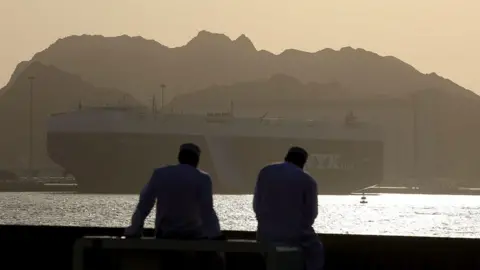
The US-Iran memorandum of understanding announced on Wednesday amounts to a reopening of the Strait of Hormuz, and a deal to try to reach a final deal on almost everything else.
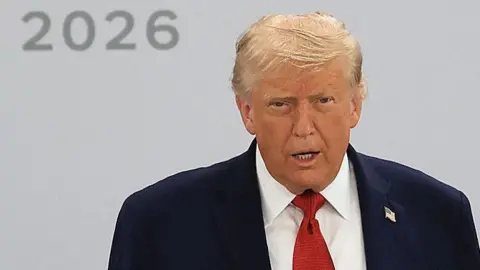
President Donald Trump framed it as a major win for the US in a lengthy press conference at the G7 summit in France.
But new details released by US officials in a call with reporters confirm both countries still have a long way to go to reach a comprehensive final peace agreement that achieves Trump's primary goal of stopping Iran from ever developing nuclear weapons.
Trump has insisted the deal ensures that Iran will never buy, develop or produce a nuclear weapon. But the text of this agreement, which was read aloud by officials on the call, falls short of that.
Instead, the ceasefire extension jumpstarts a high-stakes scramble over 60 days for the two adversaries to achieve a lasting nuclear pact. It took the Obama administration 20 months of negotiations to reach the original Iran nuclear deal in 2015. Can the Trump administration do that in just two months?
For now, the text of the deal only commits Iran to "downblending" its stockpile of highly enriched uranium, under the supervision of the International Atomic Energy Agency (IAEA). A senior US official on Wednesday called it a "significant concession" by Iran.
What's in the US-Iran agreement?
US officials reveal details of Iran agreement as Trump says deal could be signed tomorrow
 Getty Images
But all of the technical details of how that might happen, and on what timeline, must still be ironed out in the 60-day period of negotiations that commence after the scheduled signing takes place on Friday.
Trump has also said the US will not provide any money to Iran. This is a key issue for the president, who has been critical of the Obama administration's $1.7 billion payment to Iran in 2016.
With an eye toward his legacy, Trump has been keen to frame his Iran deal as better than former President Barack Obama's, and has used the money issue as a way to argue he has taken a stronger stance against Tehran.
But according to the text of this agreement, the US will work "with regional partners to develop a definitive mutually agreed plan with at least USD $300 billion" for Iran's reconstruction.
A senior US official said the deal does not commit the US to paying Iran a single cent. But the actual language in the agreement is opaque, and appears to leave the door open for the US to eventually make some payments to Iran as part of a negotiated settlement to the war.
That could be a major political problem for Trump and Vice-President JD Vance, who campaigned on a promise not to start new "forever wars." The anti-interventionist MAGA base may take issue with the arrangement, even if any eventual payoff to Iran doesn't come directly from the US.
 Getty Images
Other key issues also get short shrift in the page-and-a-half deal.
When the war started Trump said a top priority was preventing Iran from funding proxy groups in the region, like Hezbollah. That was a priority for Israel, as well, which joined the US in launching the war and has waged a separate conflict with the Iranian-backed militia group in Lebanon.
The cessation of hostilities under this initial agreement extends to Hezbollah. But the group barely received any other mention in the deal, and it is unclear if Iran will be pressured to drop its support for the group and other regional proxies in the next round of talks.
The text released on Wednesday also doesn't address Iran's missile program in detail, another issue that Trump and Israeli Prime Minister Benjamin Netanyahu said was a priority at the start of the war.
Whether the deal signed in Geneva this week leads to a final agreement is up in the air. The text gives both sides a 60-day deadline, but notes that this is open to an extension if necessary. That could suggest both countries aren't deeply optimistic that they can strike a more comprehensive agreement.
At his G7 press conference, Trump himself sounded noncommittal about the prospects of a lasting peace with Iran.
"If it doesn't get done in 60 days, it's all right," Trump said. "We go back to bombing."