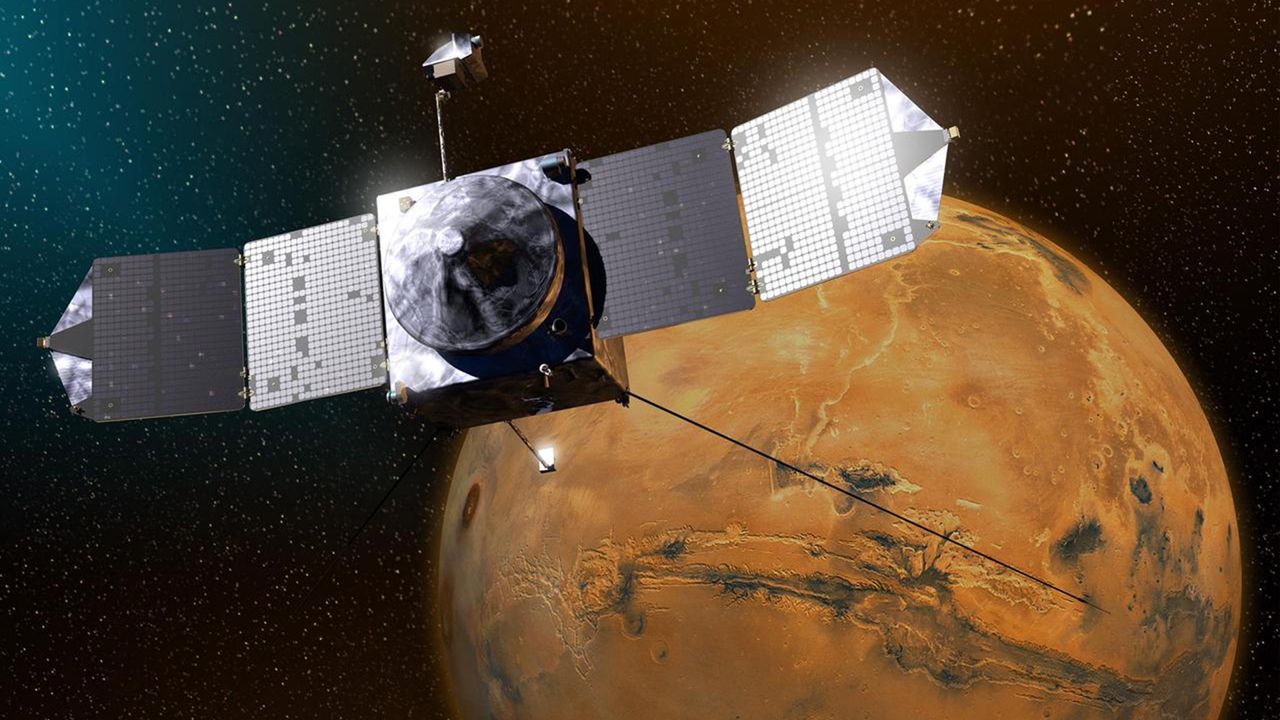
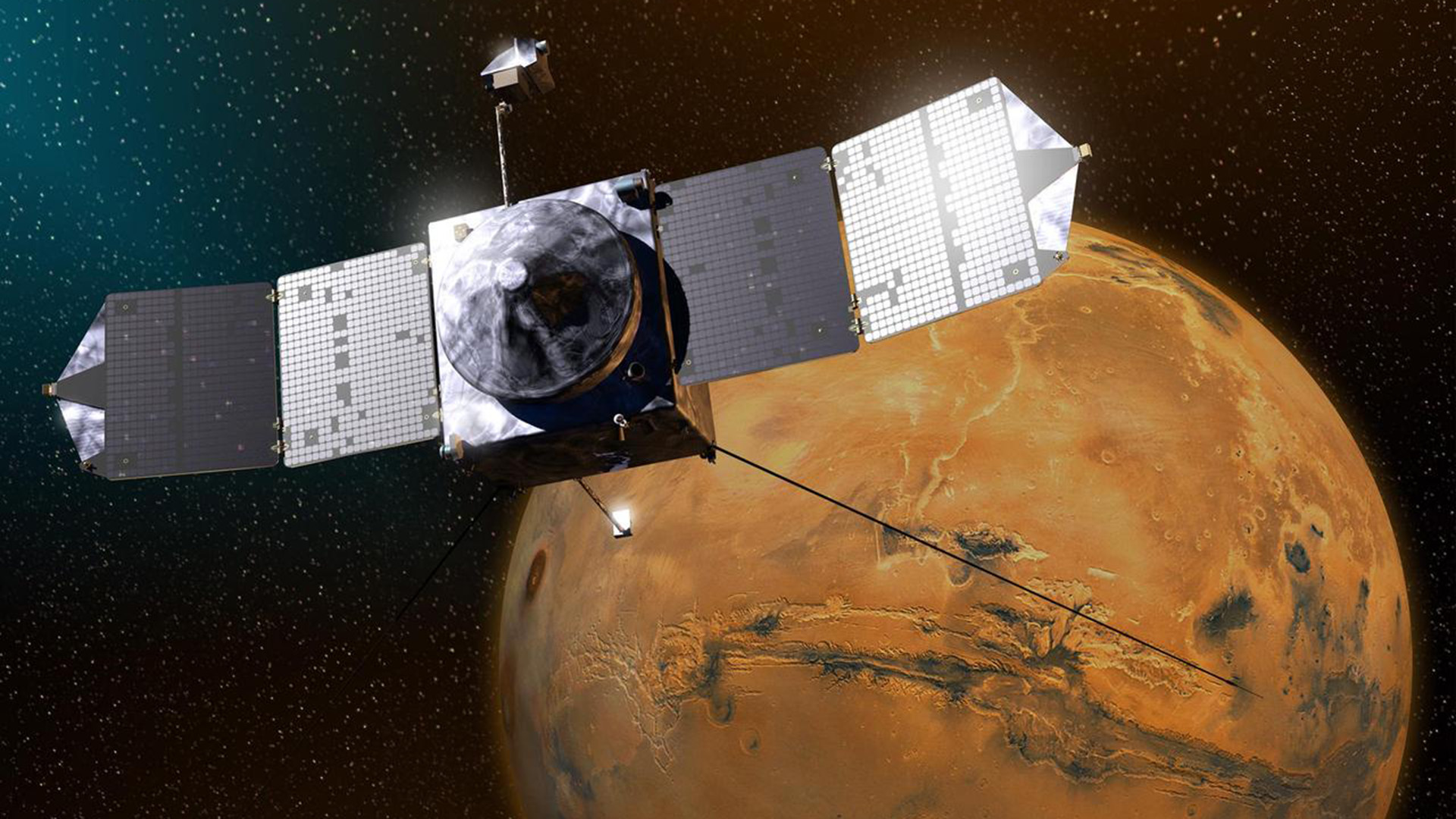
 An artist’s concept of NASA’s MAVEN spacecraft at Mars. NASA lost contact with MAVEN in Dec. 2025, and determined it to be “unrecoverable” on June 3, 2026. (Image credit: NASA/GSFC) Share this article 0 Join the conversation Add us as a preferred source on Google Newsletter Subscribe to our newsletter
 After 11 years studying Mars from above, NASA's MAVEN spacecraft is officially dead, the agency announced in a statement on Wednesday (June 3). The culprit: a drained battery, triggered by an as-yet-unknown anomaly.
MAVEN (short for Mars Atmosphere and Volatile Evolution) began orbiting Mars on Sept. 21, 2014, on a mission to study the Red Planet's mysterious atmosphere. Circling Mars roughly 6.6 times every Earth day, the spacecraft has facilitated countless discoveries over the last decade — including the first direct observations of a multi-million-year process that has been steadily stripping Mars of its atmosphere.
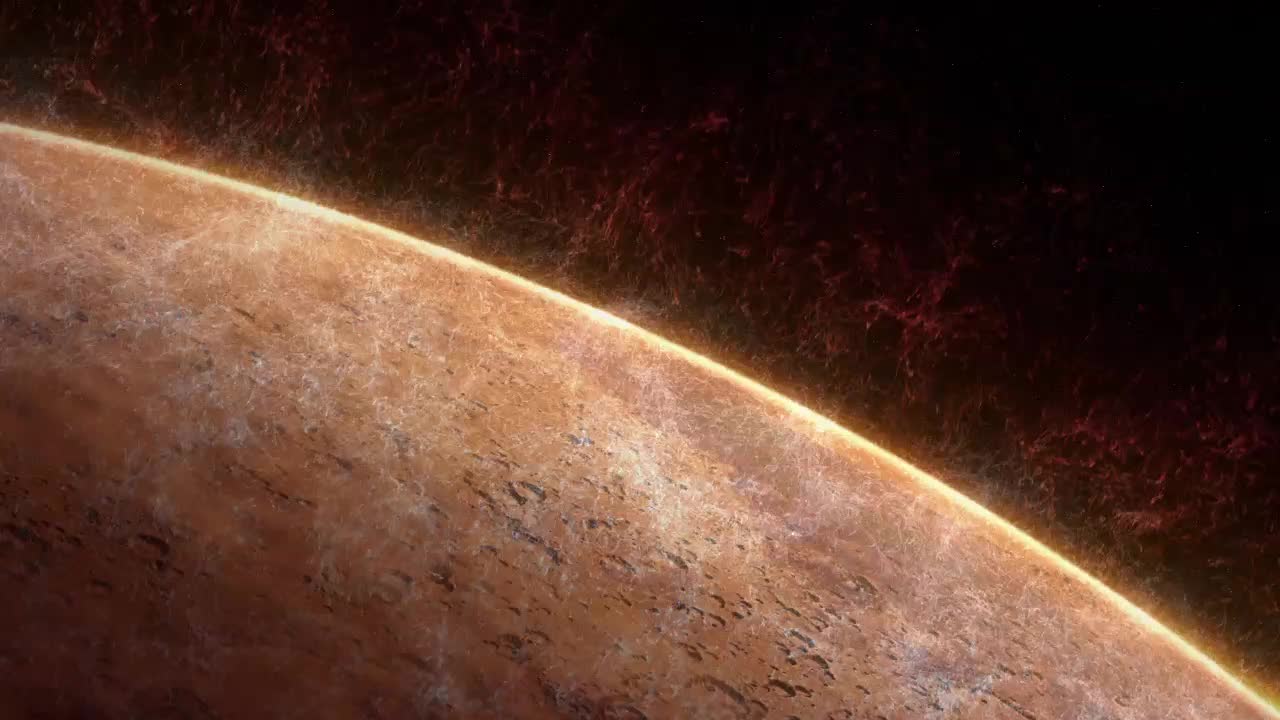
An illustration of water escaping Mars’ atmosphere, based on data collected by MAVEN.
(Image credit: NASA Goddard)Sign up for the Live Science daily newsletter nowContact me with news and offers from other Future brandsReceive email from us on behalf of our trusted partners or sponsorsMAVEN's discoveries
Related stories- NASA spacecraft finds solar 'cannonballs' may have stripped Mars of its water — proving decades-old theory
- 'I would never have guessed it': Unexpected effect is squeezing Mars' atmosphere like toothpaste, experts say
- 'I was not looking for this': Scientist accidentally finds shortcut to Mars that could slash travel time in half
 Brandon SpecktorEditor
Brandon is the space / physics editor at Live Science. With more than 20 years of editorial experience, his writing has appeared in The Washington Post, Reader's Digest, CBS.com, the Richard Dawkins Foundation website and other outlets. He holds a bachelor's degree in creative writing from the University of Arizona, with minors in journalism and media arts. His interests include black holes, asteroids and comets, and the search for extraterrestrial life.
View MoreYou must confirm your public display name before commenting
Please logout and then login again, you will then be prompted to enter your display name.
Logout