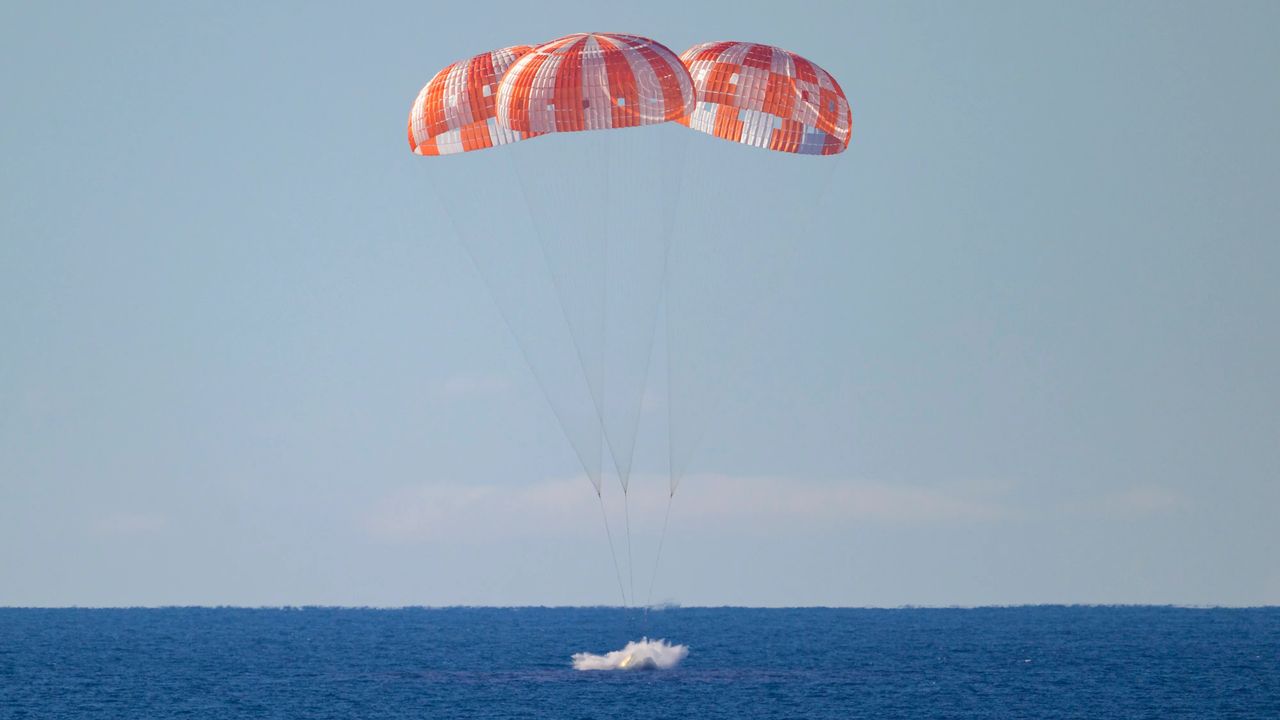
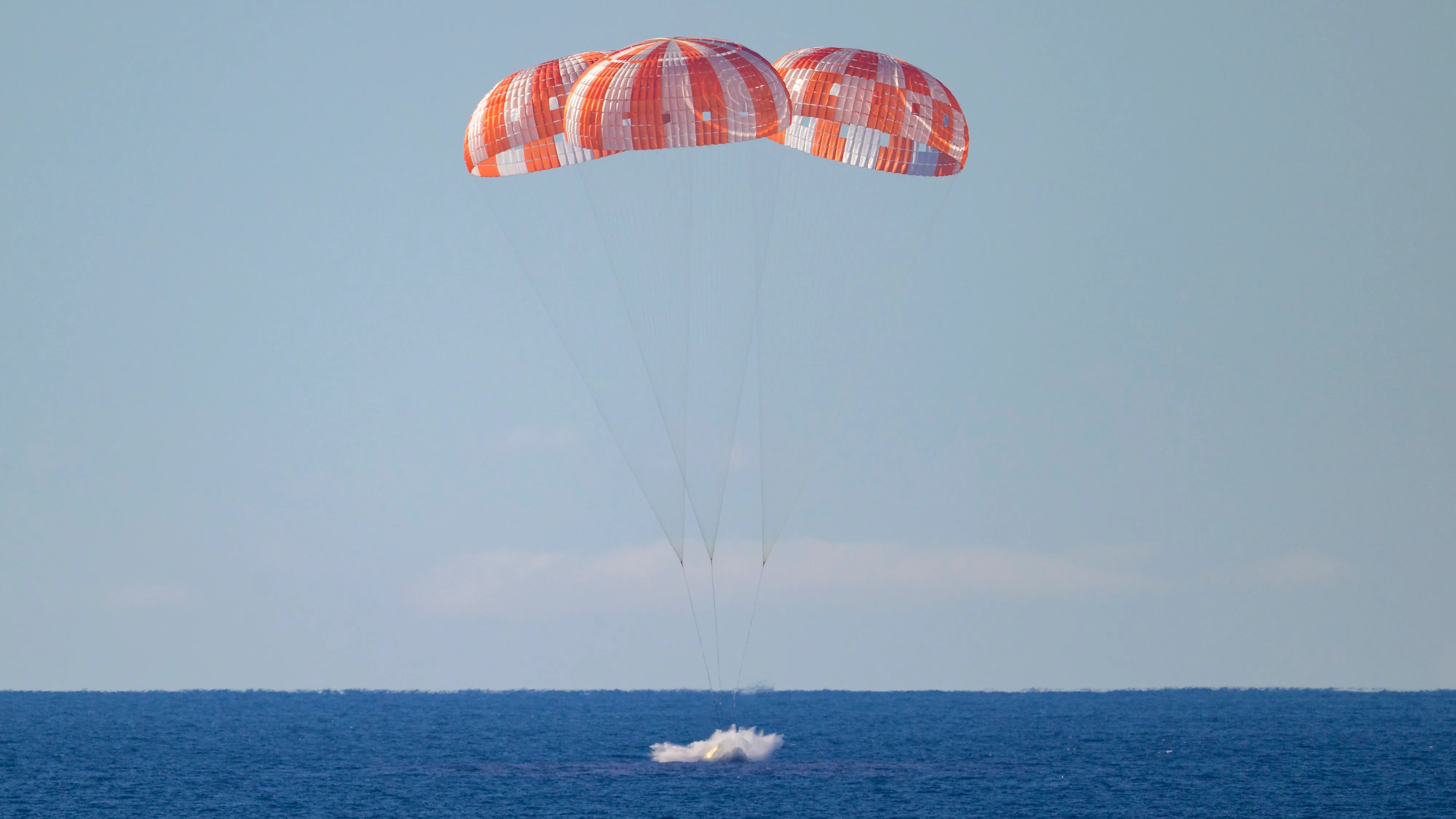
 The Orion crew capsule splashes down into the Pacific Ocean. (Image credit: NASA/Bill Ingalls) Share this article 0 Join the conversation Follow us Add us as a preferred source on Google Newsletter Sign up for the Live Science daily newsletter now
 Get the world’s most fascinating discoveries delivered straight to your inbox.
Become a Member in Seconds
Unlock instant access to exclusive member features.
Contact me with news and offers from other Future brands Receive email from us on behalf of our trusted partners or sponsors By submitting your information you agree to the Terms & Conditions and Privacy Policy and are aged 16 or over.You are now subscribed
Your newsletter sign-up was successful
Want to add more newsletters?
Join the club
Get full access to premium articles, exclusive features and a growing list of member rewards.
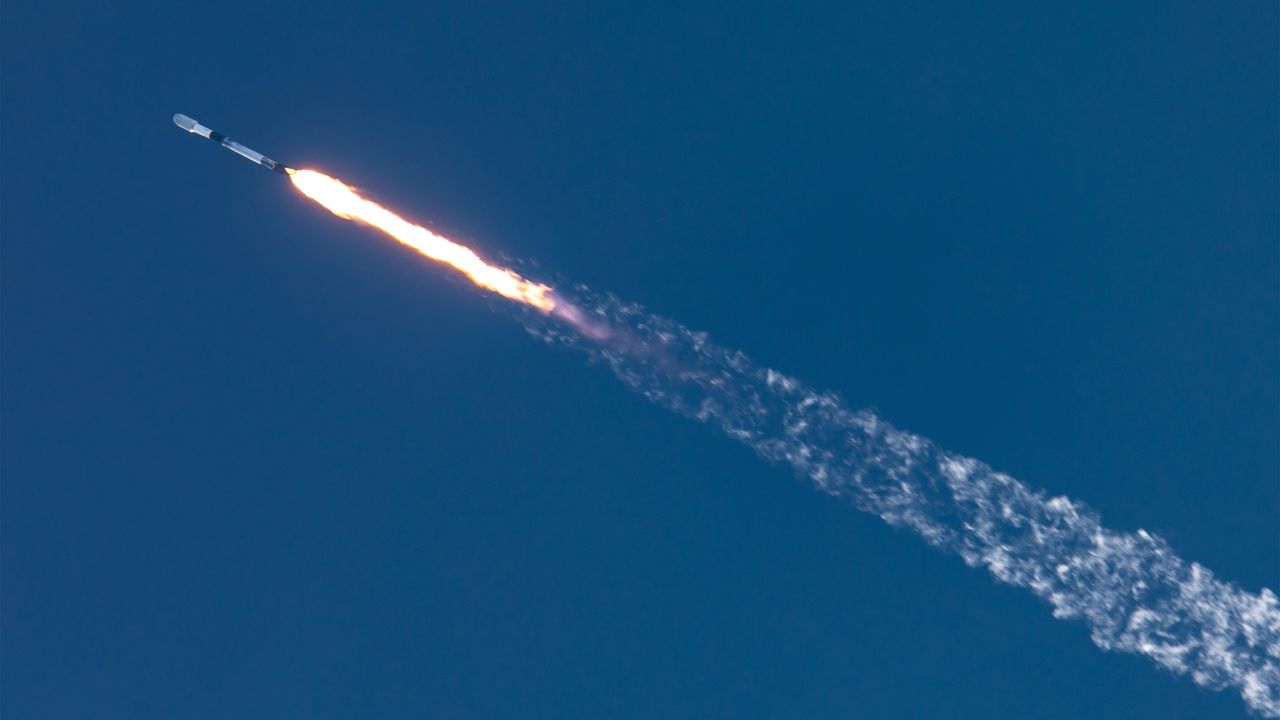
Explore An account already exists for this email address, please log in. Subscribe to our newsletterThe Artemis II mission ended in a dramatic fashion on April 10, 2026, when NASA's Orion spacecraft splashed down in the Pacific Ocean, just off the coast of San Diego, closing out humanity's first crewed journey to the moon in over 50 years.
The four-person crew — consisting of commander Reid Wiseman, pilot Victor Glover, and mission specialists Christina Koch and Jeremy Hansen — returned to Earth after a 10-day mission that tested the systems NASA plans to use for future lunar expeditions. NASA said the splashdown occurred at 8:07 p.m. EDT or 5:07 PST, with recovery operations led by the US Navy's USS John P. Murtha.
An extreme homecoming
Re-entry tends to be one of the more dramatic and dangerous parts of a mission, especially for Artemis II.
Unlike return missions from the International Space Station, which begin in low Earth orbit and thus don't need nearly as much speed to return to Earth, Artemis II flew back into Earth's atmosphere from the moon at near-record-breaking speeds. Orion came back at roughly 24,600 mph (39,600 kmh), around 24 times the speed of a bullet. That faster speed meant that the capsule's heat shield endured around twice the amount of heat as a spacecraft coming back from the ISS.
Unlike Artemis I, which launched in 2022, Artemis II's re-entry took a more direct path through the atmosphere due to concerns about the capsule's heat shield. In the end, the shield endured temperatures of up to around 5,000 degrees Fahrenheit — half the temperature of the sun — before Orion landed safely in the Pacific Ocean.
'Bullseye' landing ends historic mission
The re-entry could not have gone more smoothly, NASA said, as Orion and its systems did exactly what they were designed to do. After a nail-biting six minutes of radio blackout, during which a cloud of superheated plasma enveloped the capsule, Orion appeared safe and sound in a near-cloudless sky.
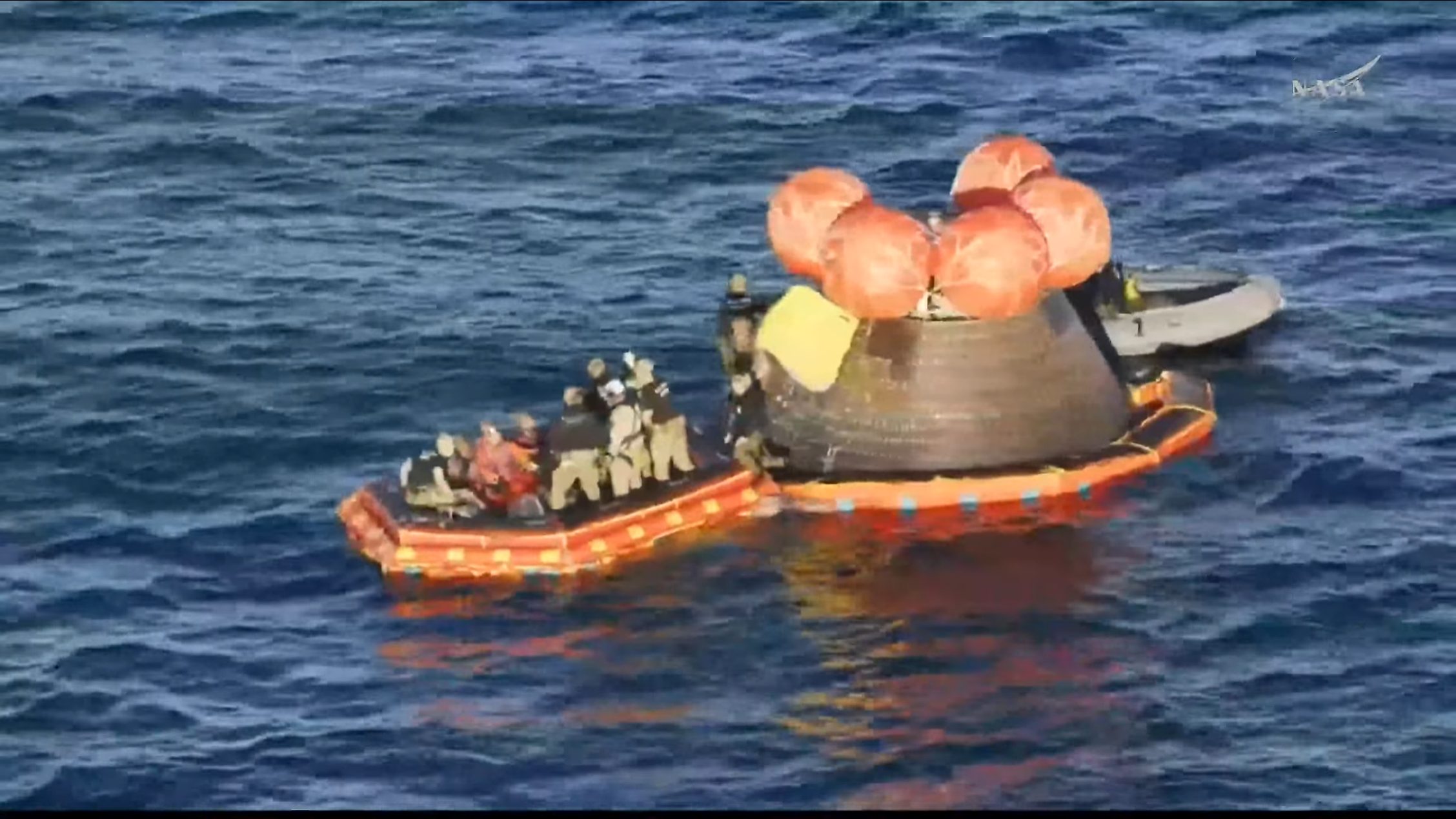
Sign up for the Live Science daily newsletter nowContact me with news and offers from other Future brandsReceive email from us on behalf of our trusted partners or sponsorsThen, at 22,000 feet the three main parachutes unfurled, helping to slow the crew module down to a gentler 20 miles per hour (32 kmh) before the capsule landed in the ocean. As the astronauts emerged onto the floating recovery raft accompanied by U.S. Navy recovery divers, mission control in Houston erupted into raucous cheers.
RELATED STORIES- The moon is green and brown? Why scientists are already excited about Artemis II's historic lunar photos
- 'So much magic': Artemis II shares first images from the far side of the moon, including new 'Earthset' and total eclipse in space
- In photos: Artemis II's historic launch for the moon
"I'm still at a loss for words," NASA Administrator Jared Isaacman said in NASA's livestream. "Childhood Jared right now can't believe what I just saw. This is just the beginning, we are gonna get back into doing this with frequency, sending missions to the moon until we land on it in 2028 and start building our base"
The Artemis II crew have captivated millions around the world with their voyage, beaming back stunning images, scientific insights, laughter and some tears as they made history and laid the groundwork for humanity's return to the moon.
"I took a brief moment to say a short prayer of gratitude for being sent on this mission and trusted with bringing back scientifically relevant information," Glover said not long after the crew had reappeared from their flyby behind the moon on Monday (April 6). "And I also just felt like I was hoping that people looked up and were watching to see when we came back into communication, and that maybe there was a chance that folks would feel a sense of togetherness."
TOPICS Kenna Hughes-CastleberryContent Manager, Live Science
Kenna Hughes-Castleberry is the Content Manager at Live Science. Formerly, she was the Content Manager at Space.com and before that the Science Communicator at JILA, a physics research institute. Kenna is also a book author, with her upcoming book 'Octopus X' scheduled for release in spring of 2027. Her beats include physics, health, environmental science, technology, AI, animal intelligence, corvids, and cephalopods.
View MoreYou must confirm your public display name before commenting
Please logout and then login again, you will then be prompted to enter your display name.
Logout LATEST ARTICLES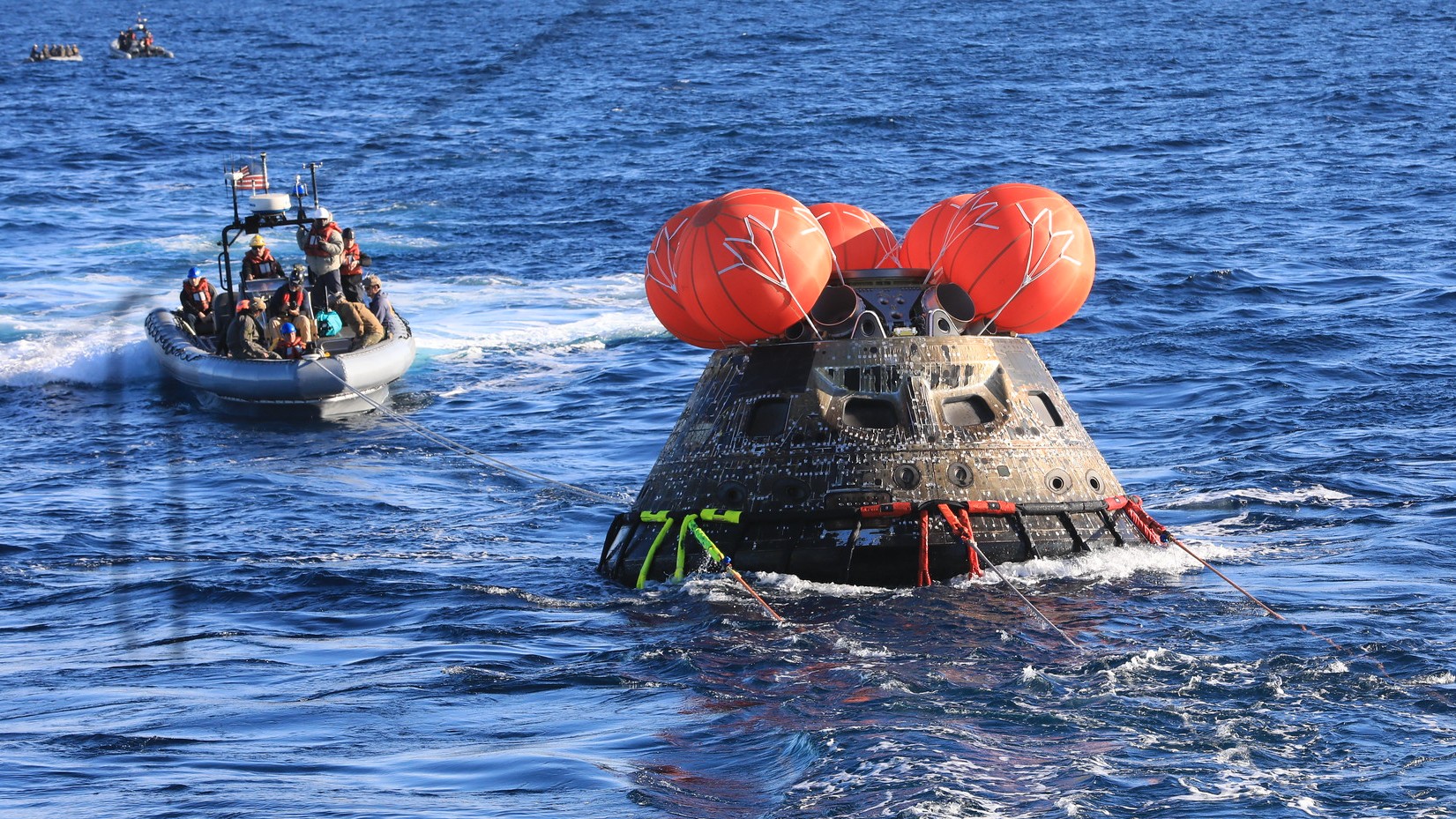 1There are 'reasons to be confident' about faulty Artemis II heat shield ahead of 25,000 mph reentry, space expert Ed Macaulay says
- 2The moon is green and brown? Why scientists are already excited about Artemis II's historic lunar photos
- 3'I've seen the movies. What a horrible way to die': What it's like to be sucked into a tornado and survive
- 4'More questions than answers': Experts baffled by Alaskan mammal-eating orcas spotted near Seattle
- 5Changing 'just one DNA letter' in female mice triggers growth of male genitalia