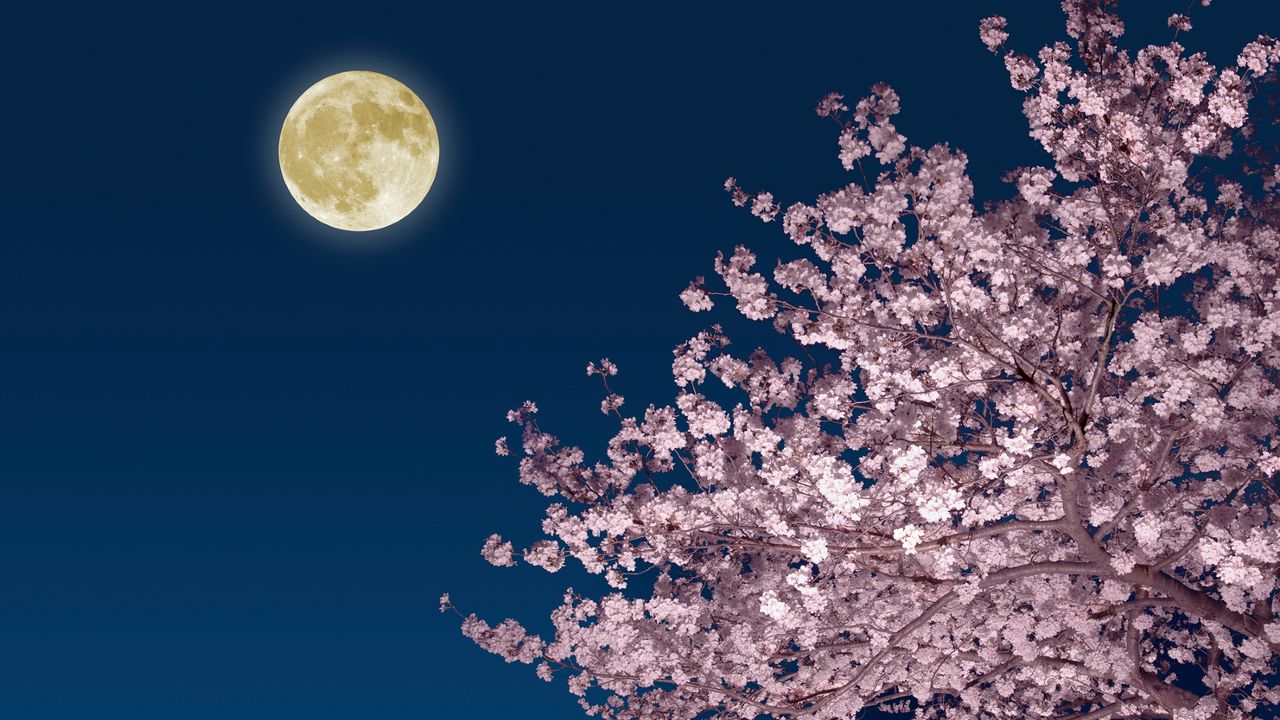
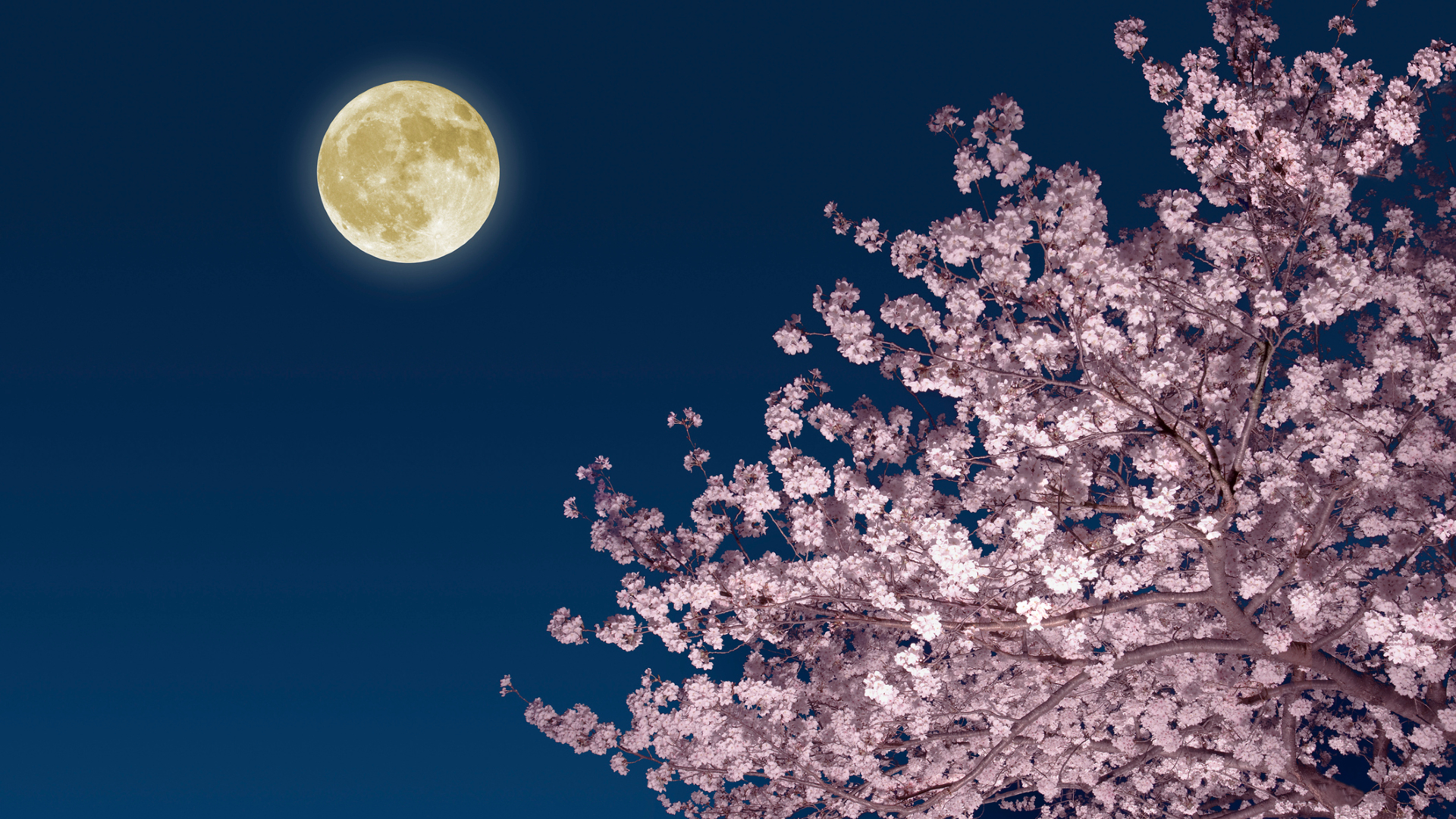
 The Pink Moon, the first full moon of spring in the Northern Hemisphere, will rise April 1. (Image credit: Project with vigour/Aflo via Getty Images) Share this article 0 Join the conversation Follow us Add us as a preferred source on Google Newsletter Sign up for the Live Science daily newsletter now
 Get the world’s most fascinating discoveries delivered straight to your inbox.
Become a Member in Seconds
Unlock instant access to exclusive member features.
Contact me with news and offers from other Future brands Receive email from us on behalf of our trusted partners or sponsors By submitting your information you agree to the Terms & Conditions and Privacy Policy and are aged 16 or over.You are now subscribed
Your newsletter sign-up was successful
Want to add more newsletters?
Join the club
Get full access to premium articles, exclusive features and a growing list of member rewards.
Explore An account already exists for this email address, please log in. Subscribe to our newsletterApril's full moon, known as the Pink Moon, is the first full moon of spring in the Northern Hemisphere. It will be at its fullest on Wednesday, April 1, but it will also look bright and full Tuesday and Thursday (March 31 and April 2). Only on Wednesday, though, will it appear close to the bright star Spica, offering a double skywatching treat.
April's Pink Moon isn't named for its color, which doesn't change. Instead, the name comes from the pink phlox wildflowers that are native to North America and often bloom in April, according to The Old Farmer's Almanac.
Article continues belowApril's Pink Moon also often has a role in Jewish and Western Christian traditions. Its rise marks the beginning of the Jewish festival of Pesach (Passover), which, this year, begins at sunset on April 1, the 15th day of the Hebrew month of Nisan. However, that's purely because the Hebrew calendar is lunisolar.
In Christianity, the first full moon of spring is associated with Easter Sunday. According to the U.S. Naval Observatory, Easter falls on the first Sunday following the first ecclesiastical full moon that occurs on or after the day of the vernal equinox. The equinox was on March 20 this year, so with the next full moon on April 1, Easter Sunday will be on April 5. Easter in the Eastern Orthodox tradition will be a week later, on Sunday, April 12.
The best night to watch the full moon will be April 1, when it will rise in the eastern sky as the sun sets across North America. Check the times of moonrise and moonset for your location, and find a spot with a view of the low eastern horizon.
You'll see Spica, the bright star in the constellation Virgo, beneath the Pink Moon. The following night, Thursday, April 2, the waning gibbous moon will be just 1.8 degrees from Spica, according to AstroPixels.
Sign up for the Live Science daily newsletter nowContact me with news and offers from other Future brandsReceive email from us on behalf of our trusted partners or sponsorsAfter the Pink Moon, the next full moon will be the Flower Moon, also called the Corn Planting Moon and the Milk Moon, on May 1. It will be the first of two full moons in May, with the second being a so-called Blue Moon (the second full moon in a single calendar month) on May 31.
Moon quiz: What do you know about our nearest celestial neighbor?
 Jamie CarterLive Science contributor
Jamie Carter is a Cardiff, U.K.-based freelance science journalist and a regular contributor to Live Science. He is the author of A Stargazing Program For Beginners and co-author of The Eclipse Effect, and leads international stargazing and eclipse-chasing tours. His work appears regularly in Space.com, Forbes, New Scientist, BBC Sky at Night, Sky & Telescope, and other major science and astronomy publications. He is also the editor of WhenIsTheNextEclipse.com.
View MoreYou must confirm your public display name before commenting
Please logout and then login again, you will then be prompted to enter your display name.
Logout LATEST ARTICLES 1Why does cannabis give people 'the munchies'?
- 2Mystery medical episode that left astronaut unable to speak shows one of NASA's biggest risks as moon missions ramp up
- 3Our fossil fuel economy is a house of cards and Trump's war in Iran is about to topple it. The need for a clean energy transition has never been clearer.
- 4Here's the stargazing gear you need for April 2026 — don't miss the Lyrids, two comets and the full moon
- 5DNA shed by every living thing is lurking in the environment — and it could tell us how Earth is changing in real time