
 Cauliflowers as they should be. The Royal Horticultural Society said the vegetables get easily stressed and fail to form a good head in high temperatures. Photograph: Thanasis/Getty ImagesCauliflowers as they should be. The Royal Horticultural Society said the vegetables get easily stressed and fail to form a good head in high temperatures. Photograph: Thanasis/Getty ImagesHeatwaves hit the Sunday roast: why the RHS says cauliflower is off the menu
Charity urges gardeners in England to swap thirsty brassicas for drought-tolerant crops
They are an integral part of the British Sunday roast – but cauliflowers are now going to be off the menu, according to the Royal Horticultural Society.
England’s climate has changed so much that the RHS is now recommending that gardeners exclude the brassicas from their vegetable patches.
The UK is expecting a poor harvest of most brassicas, such as broccoli, cauliflower and cabbages, owing to the drought, with farmers saying this year could be one of the worst on record.
This summer was the UK’s hottest on record, according to provisional Met Office data. In England, temperatures peaked at 38.1C (100.1F) at Kew Gardens in London on 13 August, and June had already been confirmed as the country’s hottest since records began in 1884.
Scientists have said these heatwaves are only possible because of the climate crisis, predominantly caused by burning of fossil fuels.
The RHS says home gardeners should stop growing cauliflower because of the change to the climate, adding many of its horticulturalists had stopped a long time before as planting cauliflowers had been so unsuccessful.
The charity said cauliflowers and their close relative capabrese were thirsty and easily stressed in high temperatures, in which they fail to form a decent head. It recommends gardeners also reconsider planting other vegetables in the brassica family such as cabbages and brussels sprouts.
 Cauliflower cheese may soon no longer feature in the British roast dinner. Photograph: Felicity Cloake/The Guardian
Guy Barter, the RHS’s chief horticulturist, said: “Cauliflowers and their brassica cousins have been the hardest hit of those commonly found in domestic veg patches, and with summers likely to follow recent patterns, swapping them out for an equally as flavourful and nutritious alternative will save on all-important watering and provide a better guarantee of a good harvest.
“There’s no doubt that we’re set to see tomatoes continue as the most popular summer vegetable, but with the likes of Asian loofah and okra cropping up more at mealtimes. Hopefully with recent rains we will see winter crops, carrots, leeks and brussels sprouts, make a recovery this year.”
Horticulturalists in the charity’s gardens said they had been experimenting with alternatives to cauliflower.
Simone Bratt, who tends the kitchen gardens at RHS Bridgewater, said she had not grown cauliflower for “a few years”. Growth had been “very hit and miss with the extremes of weather and we would only grow them as a late crop”, she said.
“We tried a spring sowing again this year, but the heat really won. They bolted before we even got them in the ground. They simply haven’t been able to cope with the severity of the conditions, and need a lot of water and cool conditions.”
Bratt added that purple sprouting broccoli was a good swap for cauliflower. “They also should cope much better as a ‘cut and come’ crop, rather than waiting for a single full head of calabrese or cauliflower.”
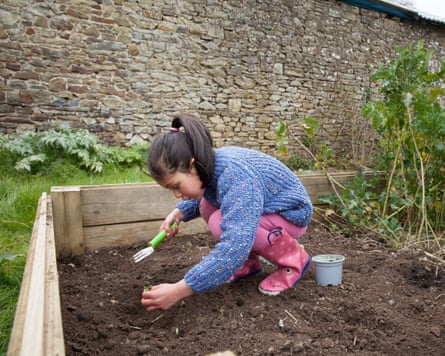 Gardeners will have to start rethinking what to plant. Photograph: Karen Robinson/The Observer
The gardening charity said its members said the heat this year had allowed tomatoes and peppers to thrive outdoors, and that melon and watermelon could now be grown outside in some parts of the country, and where their watering needs could be met.
Some gardeners have swapped from cauliflower to kale, as some kale is perennial, with deeper roots, so can better survive droughts.
Gardeners have been able to grow cucumbers and sweet potatoes outside successfully, said Liz Mooney, a horticulturist on the edibles team at RHS Garden Wisley, in Surrey. She added she had not grown cauliflower this year, focusing instead on “warmth-loving crops”.
Cat Hood, a horticulturist at RHS Hyde Hall in Chelmsford, Essex, said she had been experimenting with a range of warmer-climate vegetables, including chillies and okra.
“We’ve had some really strong results from a number of crops this year,” she said. “Chillies, peppers and aubergines have all performed well in the outdoor beds, and we’ve had an amazing crop of loofah in the glasshouse. The okra have also done well, as have tortarello and carosello, the Italian heirloom cucumber-melons. A real surprise has been the yard-long beans, which have given us the best crop I’ve seen since I’ve been here, which I assume is because of the heat.”
Explore more on these topicsShareReuse this content