It's the final day of the second round of the group stage today. Can you believe it? How time has flown! Why it seems barely yesterday that we were watching Canada drop six on Qatar. And, well, it wasn't actually that long ago, was it? This World Cup is flying by.
The last of the favorites still to play their second game do so today as England face off against Ghana in Boston. Do Portugal still fit into that sort of preeminent category? If they do, they will surely back themselves to win and win well against Uzbekistan. Fail to do so and an intriguing Colombia side will be well placed to snatch top spot in Group K, even though DR Congo have proven themselves to be tricky opponents. All that and pressure on Croatia to get their tournament up and running against Panama. Let's dive in, shall we?
How deep is too deep for Kane?
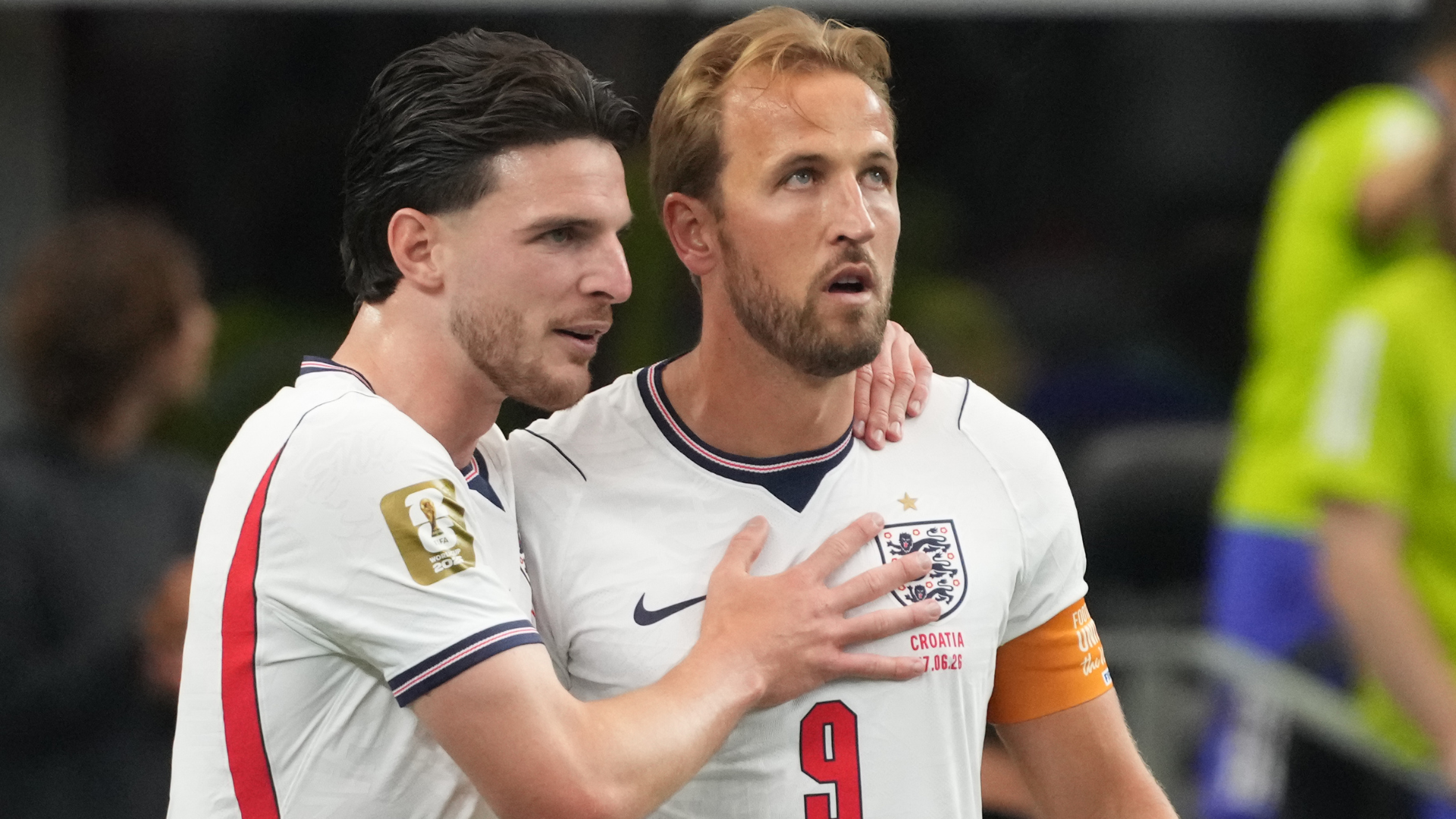
There are extremely compelling arguments for allowing Harry Kane to drop off the center forward position and into midfield as an England player. Frankly, no one in Europe does it better, and playing his way did not preclude him from getting 36 goals in 31 Bundesliga games last season. With Thomas Tuchel not hammering square pegs into round holes, the fit on paper looks ideal. It is not just Anthony Gordon and Noni Madueke -- or perhaps a now pain-free Bukayo Saka -- stretching play in behind their full backs. Kane's movement improved Jude Bellingham, England's nominal No.10, but actually the best box-to-box player on the planet. Twice against Croatia he made purposeful runs into the sort of space that might otherwise have been occupied by a striker. On another occasion, Bellingham's drive up the right delivered the decisive third goal.
So Kane dropping deep is clearly a good thing for England. It's just that there is a center forward dropping deep, and there is a center forward who has convinced himself that because he's the captain and this is AT&T Stadium, he must be Dak Prescott. Look at the touch map below. There are a smattering of touches on the left-hand side that really are Kane in the territory that should be occupied by the defensive midfielders.
 TruMedia
 That is when his approach starts to lose some of his efficacy. For starters, there comes a moment when neither Croatia's center backs nor their midfielders feel obliged to track Kane and make space. If he wanted to pick the ball up from his defenders and spray passes from deep, let him. No England attack that has their No.9 level with his center backs is a bad attack for the opposition. If anything, Kane became something of a pressing trigger for Croatia, who very nearly picked his pocket in the first half.
It is also the case that England don't really need Kane that deep. Not when they have Elliot Anderson making them tick. The Nottingham Forest midfielder was excellent against Croatia, the highlight his pass to Bellingham down the right flank that led to the third goal. That was, per Gradient Sports, one of four passes to break the Croatia lines, the joint-most of any England player, though Anderson was largely breaking through the opposition's first line rather than carving open the defense. Opta registered the 23-year-old as England's leading player of progressive passes, some of which were admittedly playing fast and loose with that particular definition.
Still, there is a reason why Manchester City look at Anderson and feel there is a nine-figure midfielder in there. He doesn't need his center forward alongside him to help get the ball out of defense. Nor do Reece James, Declan Rice and the rest of England's back six.
It is a fine line Kane walks and it is worth saying that even if he did move too far from goal a little too often against Croatia, it did not stop England from being quite brilliant in the toughest assignment of their group stage. Tuchel might already be at the honing stage of building his World Cup contender. That means getting Kane's positioning just right.
The other Portuguese veteran under the microscope
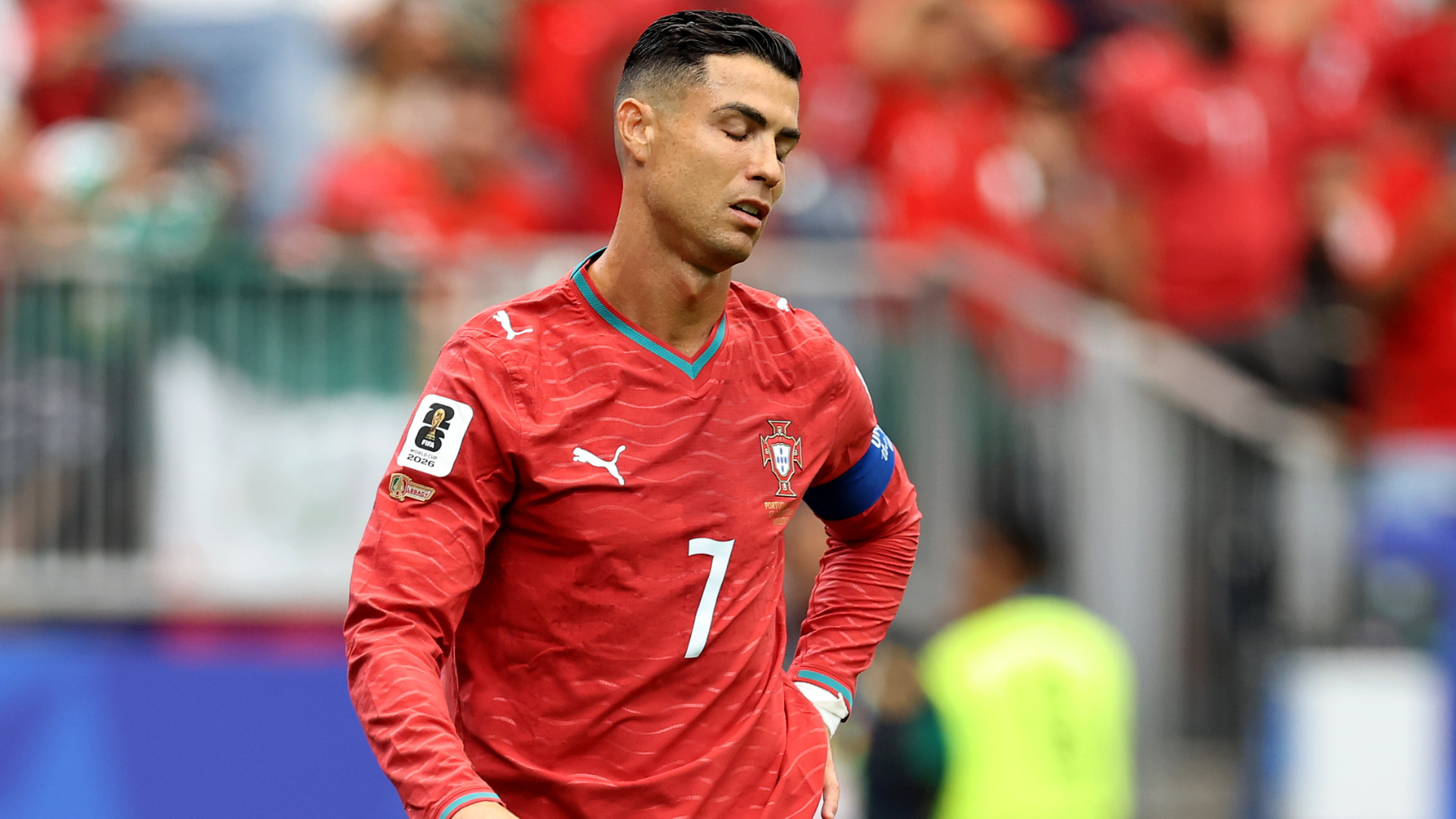
For all the rightful questions asked about Cristiano Ronaldo and the mountain of headaches he creates for his teammates, the reality of Portugal's 1-1 draw with DR Congo is he was far from the only player to struggle. That Bernardo Silva was hooked at half-time spoke volumes. Stationed out on the right wing, the now Real Madrid midfielder served less as a playmaker from wide and more as an anchor on an attack that really needed some get-up-and-go.
Seventeen of his 18 attempted passes found a teammate, but, well, check where those passes were going. That is a lot of what might generously be labelled recycling possession.
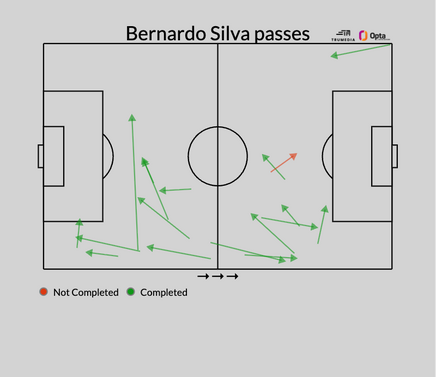 Bernardo Silva's passes in Portugal's 1-1 draw with DR Congo TruMedia
 Not for the first time, Portugal find that there are two wolves inside themselves. One, typified by Silva and Vitinha, craves control. The other is the team of Bruno Fernandes, Pedro Neto and Rafael Leao, cry havoc and let slip the wolves of war. It is not clear how much one breed can function with the other. Having been in the midst of the Erling Haalandification of Manchester City, you might imagine Silva would not struggle to adapt to a more up-tempo style of football. Then again, in his final few years in the Premier League, the 31-year-old was often used as something of a control guy for City. While everyone else flew up and down the pitch, he and Rodri would keep things nice and tight in the center.
Maybe he could do the same with Vitinha for the Selecao. That would, however, mean breaking up the Paris Saint-Germain axis with Joao Neves. Or you do without Bruno Fernandes, who, even on a relatively down day made some telling passes late on on his way to 0.54 expected assists. No one else on the Portuguese side plays the first time around the corner ball that Fernandes delivered for Francisco Conceicao to cut back to Ronaldo.
Silva, then, looks like the odd one out. Conceicao's presence off the bench was a sparky one, while the likes of Trincao and Rafael Leao might also fit into a team that is really going to need to stretch the game out wide when their center forward is such a static presence in the box.
Add CBS Sports on Google Join the Conversation comments