 (Image credit: Future) Share this article 0 Join the conversation Add us as a preferred source on Google Newsletter Subscribe to our newsletter
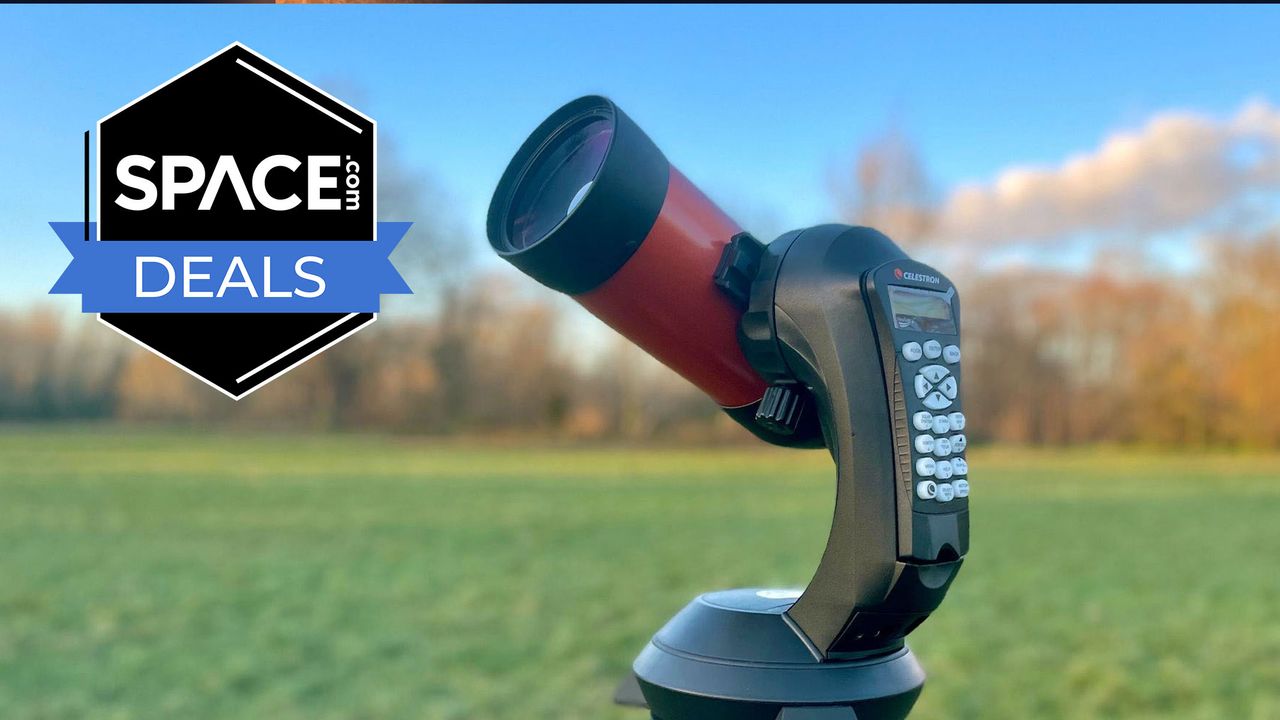
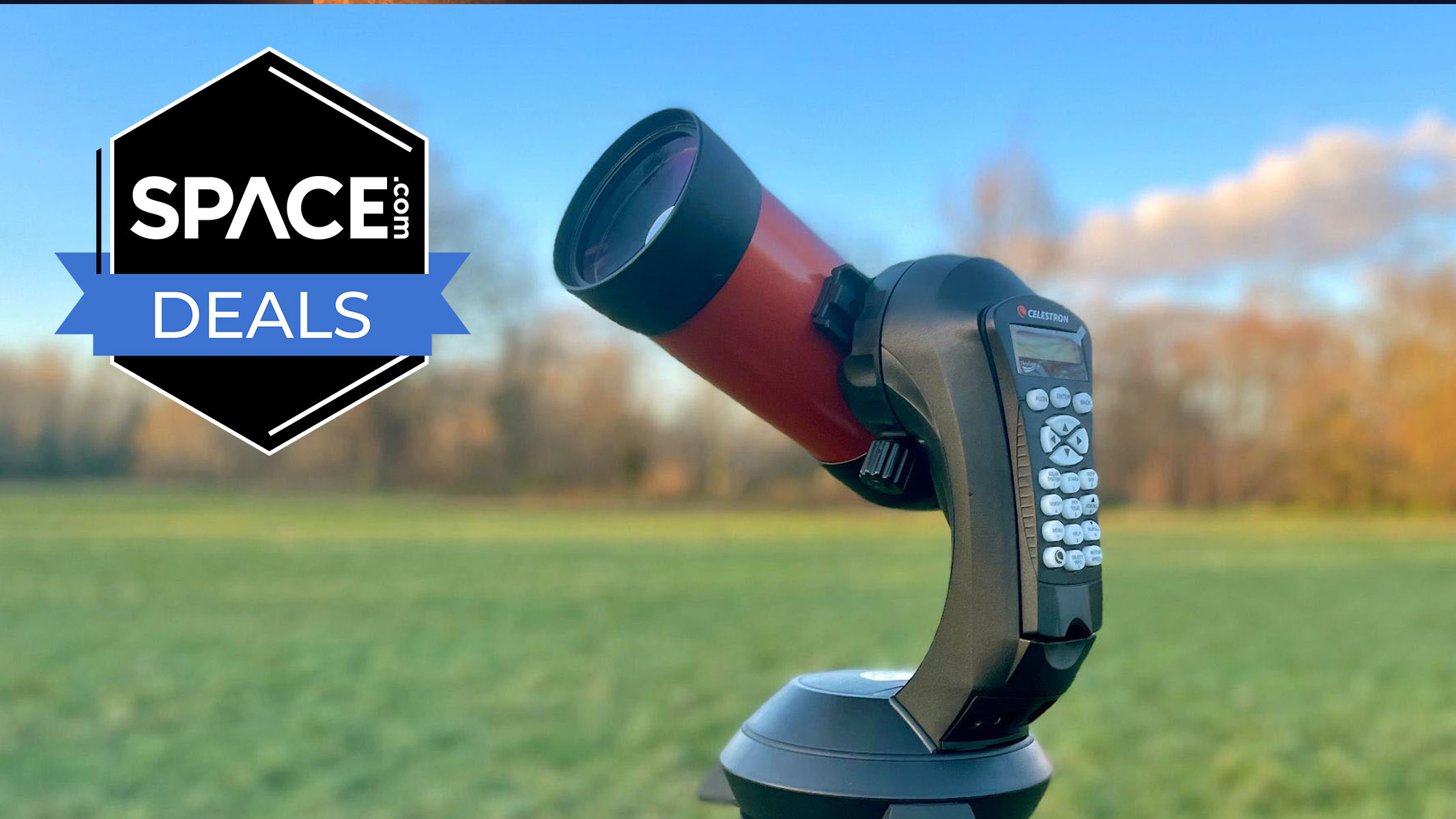
 Celestron's iconic line of orange NexStar telescopes are all discounted on Amazon ahead of the platform's huge Prime Day sales event on June 23. The beginner NexStar 4SE model was highly rated in our expert review with a score of four stars for easy set-up, a sturdy build and go-to technology to help you find your target observation object. We think it is a great first telescope thanks to its good optics at a relatively low price range.
Get the Celestron NexStar 4SE telescope, on sale right now for $649 at Amazon.
It is the best beginner telescope in our best telescopes guide and is also the best Maksutov-Cassegrain telescope in our beginners telescope guide. Maksutov-Cassegrain is a catadioptric design that uses two mirrors to allow a long focal length to fit into a compact optical tube. This model is great for new stargazers who want to get a better look at their favorite night sky objects without spending a fortune.
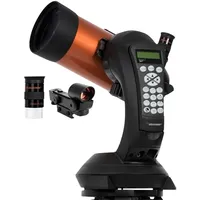 Best for beginnersSave $100Celestron NexStar 4SE: was $749 now $649 at Amazon
Save $100 on the Celestron Nexstar 4SE. It's our best telescope for beginners because it has a quick set up and has go-to technology for finding night sky objects.
We gave it four stars in our Celestron Nexstar 4SE review because it is easy to use, doesn't require mirror alignment and has a sturdy build.
View Deal- We've got you covered with reviews and rankings of the best telescopes, binoculars, star projectors, cameras, drones, Lego, streaming and more.
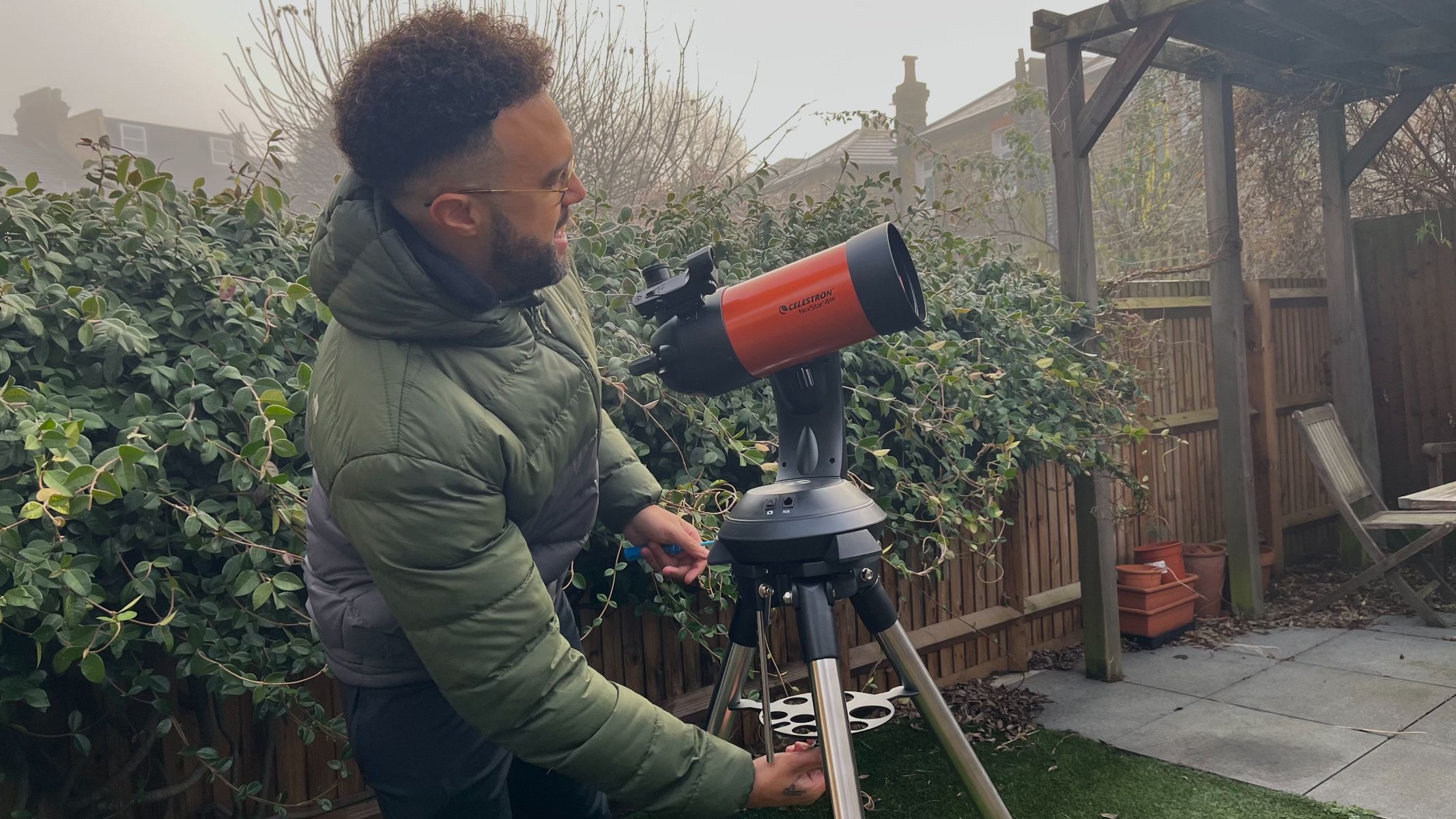 Set-up is easy but the whole set-up can be a heavy to lug to a dark sky site. (Image credit: Jonathan Lansley-Gordon)
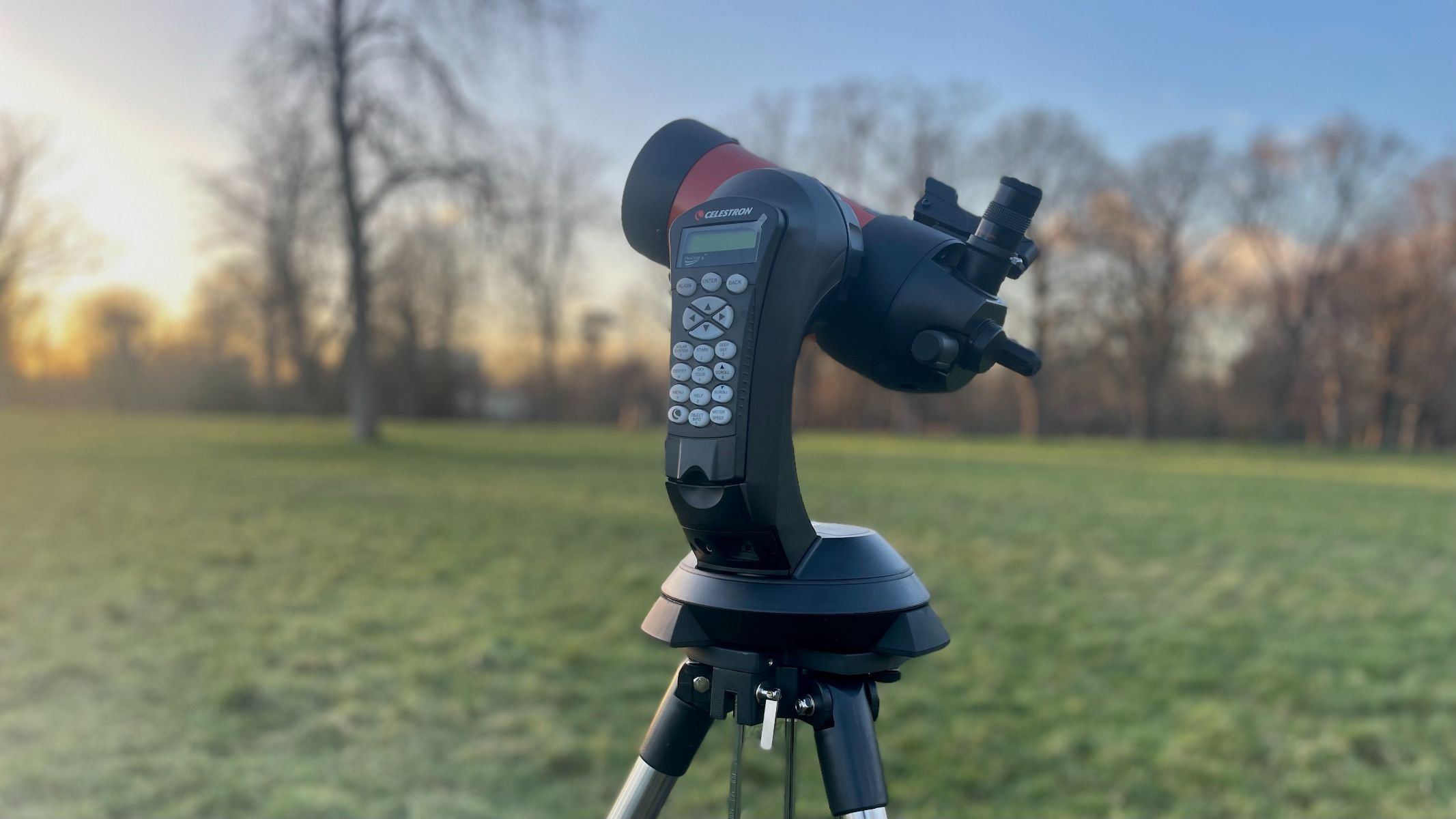 The Celestron Nexstar 4SE is great for getting a better view at the moon, planets and larger deep-sky objects. (Image credit: Jonathan Lansley-Gordon)
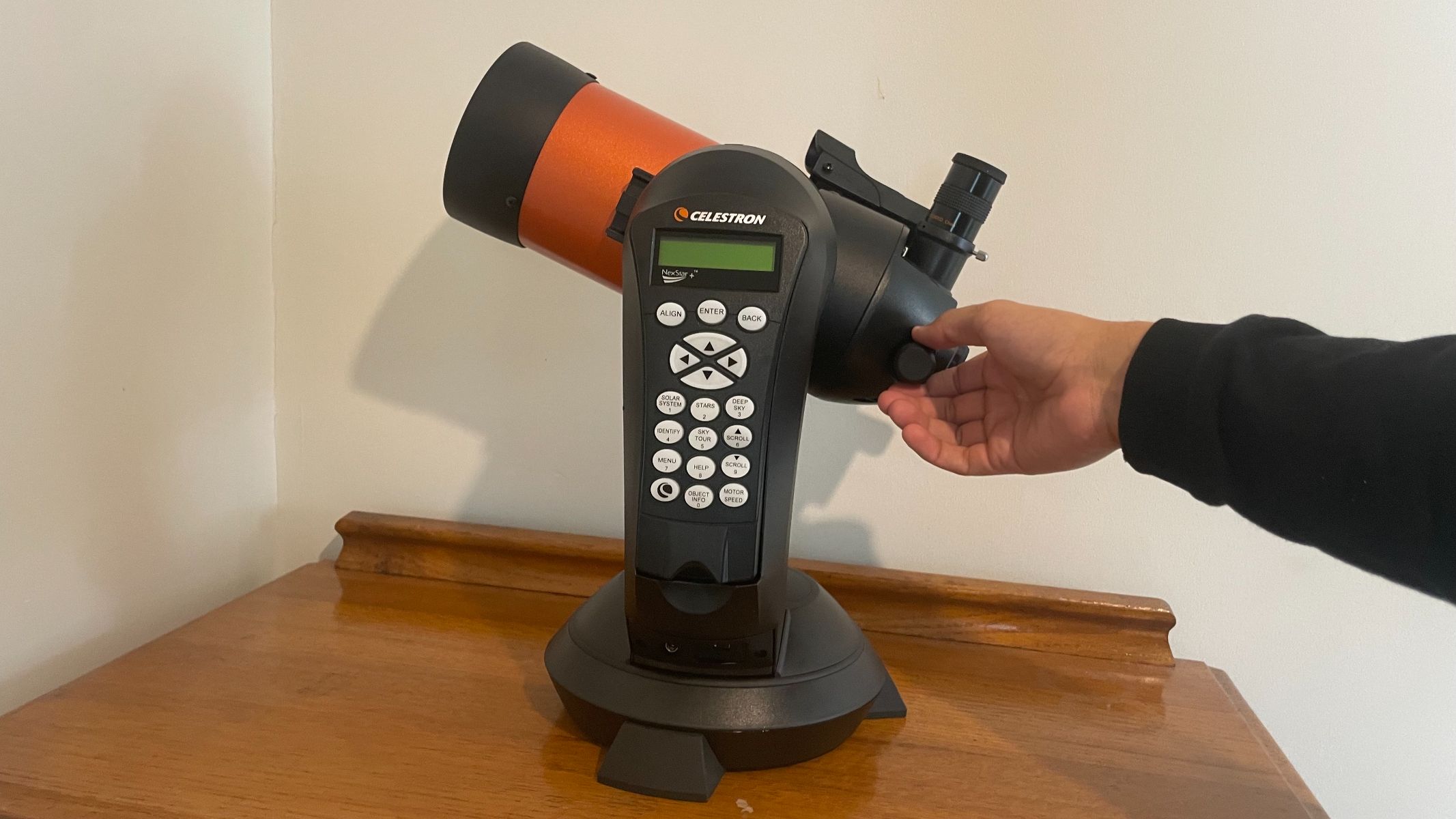 A remote control is included on the mount so that you can select a night sky object for the telescope to locate. (Image credit: Jonathan Lansley-Gordon)
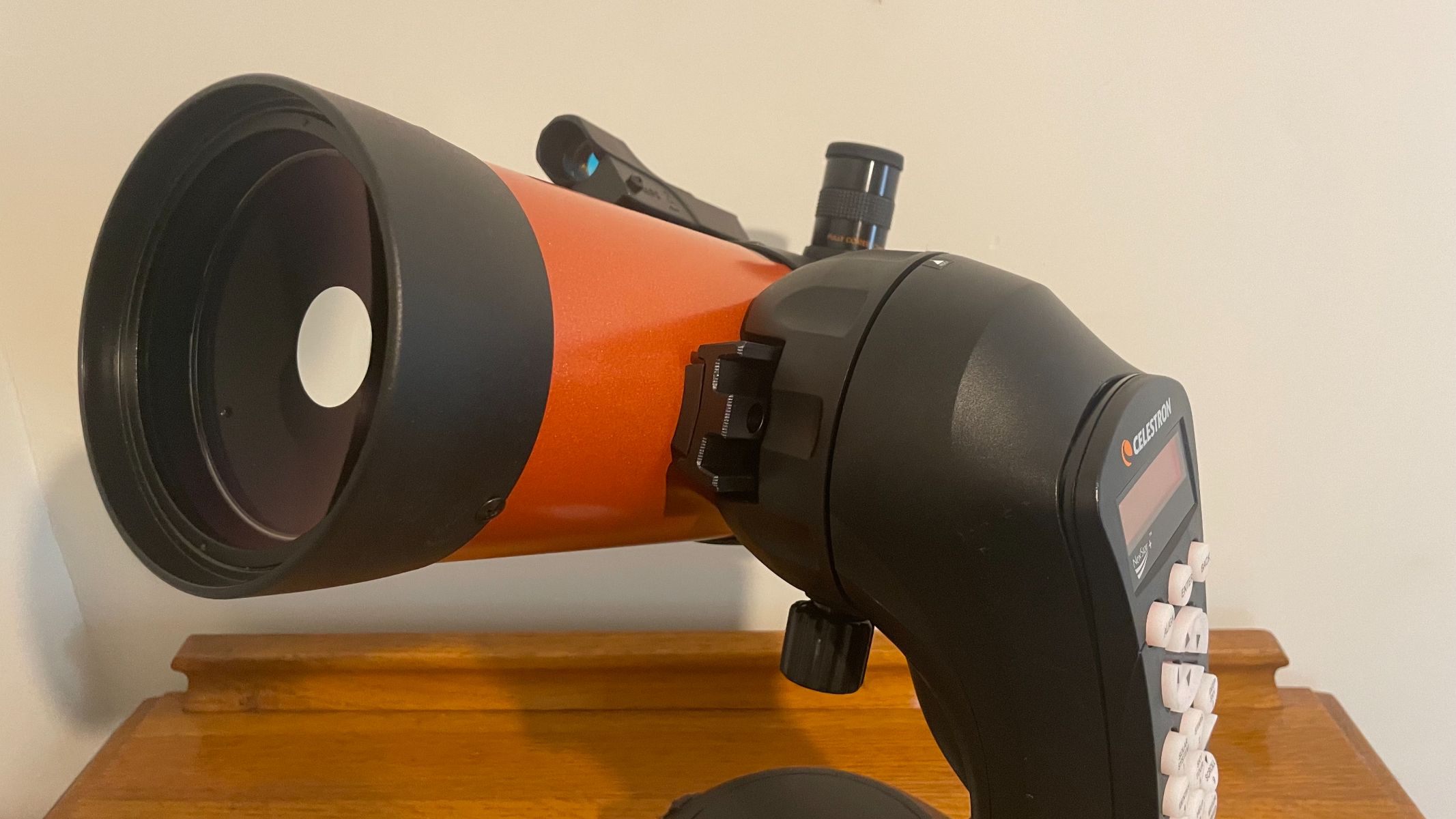 As the model name suggests, the 4SE has a 4-inch aperture for light gathering. (Image credit: Jonathan Lansley-Gordon)
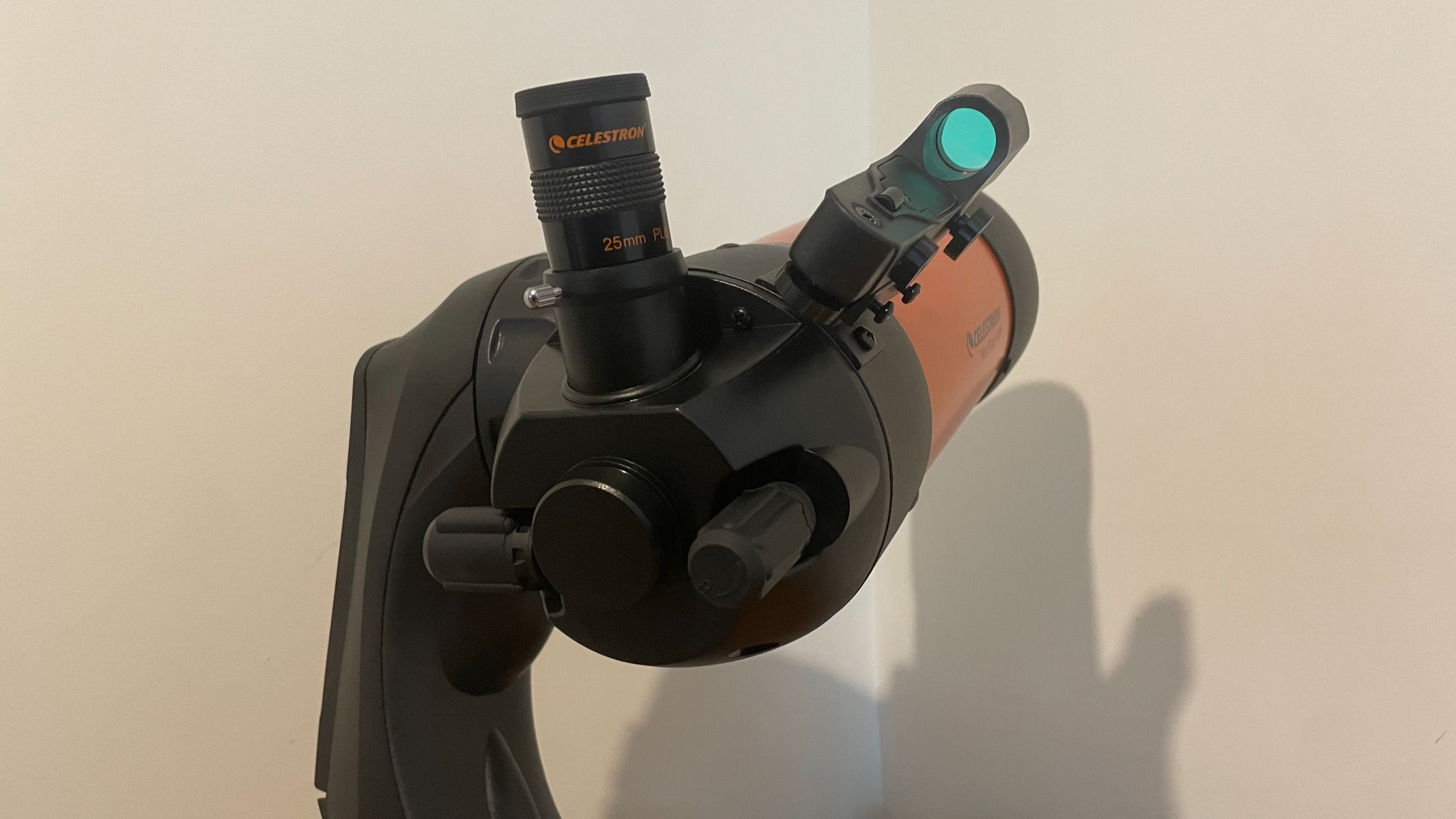 The 4SE has a built-in star diagonal for more comfortable viewing.(Image credit: Jonathan Lansley-Gordon)
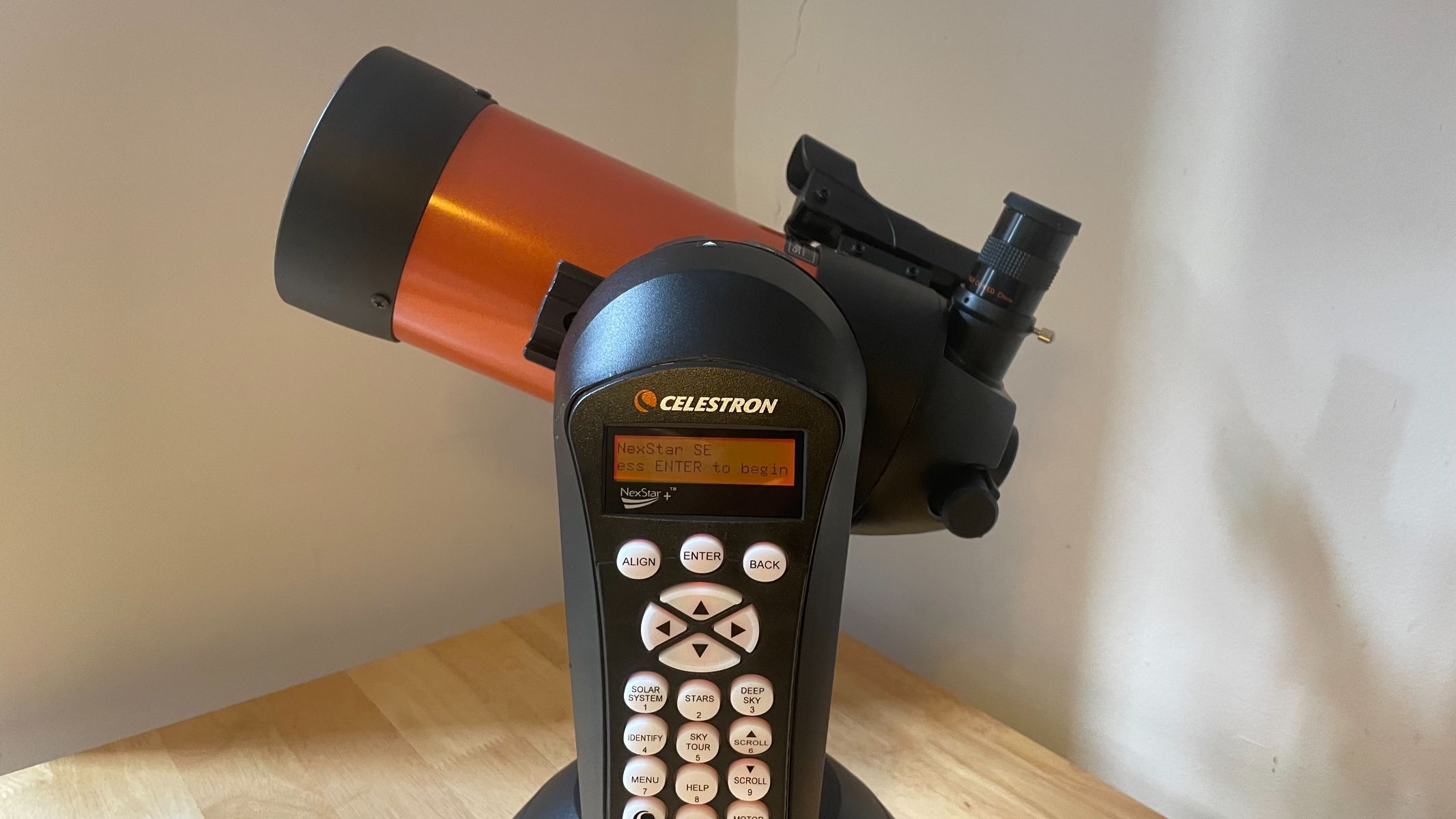 The orange tube design from Celestron is iconic. (Image credit: Jonathan Lansley-Gordon)
The Celestron NexStar SE series comes in a range of aperture sizes, including four, five, six and eight inch models. A larger aperture provides a sharper, brighter view of dimmer night sky objects like distant star clusters and galaxies. However, the 4SE's aperture is well suited for beginners interested in observing brighter objects, such as the moon and planets including Mars, Jupiter and Saturn. It can still get you a better look at objects like the Andromeda galaxy, the Orion Nebula or the Pleiades star cluster, but don't expect to see lots of bright detail and structure.
One of the huge benefits of the NexStar SE range is their go-to technology which uses a remote for picking an object from a 40,000 plus database. After aligning the scope, all you have to do is find the object you want to look at and the 4SE will locate it for you. In a world of expensive smart telescopes, the Celestron NexStar 4SE is a welcome alternative for stargazers who still want assistance finding objects but don't want to pay thousands for it.
In our full Celestron NexStar 4SE review we thought that the model was great for beginners due to its easy set-up of the main fork arm and the sturdy tripod. Even though it is the smallest of the NexStar SE telescopes, it is still bulky to take the whole kit to a stargazing site but once set up, the sturdiness easily warrants the trade-off in portability with serious noise and vibration reduction. It is now $100 off ahead of Amazon Prime Day 2026, which will be running from June 23-26 and is one of the big sales events where we see some big reductions across telescopes, drones and Lego.
Key features: 4-inch (102 mm) aperture, computerized mount with 40,000 plus object database , 52-inch (1325mm) focal length, f/13 focal ratio, 241x highest useful magnification, 23 lbs (10.44 kg) weight, two-year warranty, 25mm eyepiece, finderscope, accessory tray.
Product launched: June 2005
Price history: The Celestron Nexstar 4SE usually retails at $749 but often drops to the $649 price point during sale seasons. It was last at $649 in early January of this year.
Price comparison: Amazon: $649 | Walmart: $649 | Best Buy: $649
Reviews consensus: If you want to get a better view of bright objects in the night sky, the Celestron NexStar 4SE is a great choice for a first telescope. It produces clear and sharp images for its price range, but you may end up purchasing additional accesories to maximise its potential, such as a moon filter or better eyepiece.
Space: ★★★★
Featured in guides: Best telescopes, best beginner telescopes
✅ Buy it if: You are new to stargazing and are wanting to buy your first telescope. The 4SE will give you better views of the moon, Jupiter and bigger deep-sky objects like the Pleaides star cluster.
❌ Don't buy it if: You want a fully manual telescope experience where there is no go-to technology on the mount. You may also want an even easier, automatic stargazing experience. If so, a smart telescope may be a better choice.
Check out our other guides to the best telescopes, binoculars, cameras, star projectors, drones, lego and much more.
Get the Space.com NewsletterContact me with news and offers from other Future brandsReceive email from us on behalf of our trusted partners or sponsors View MoreYou must confirm your public display name before commenting
Please logout and then login again, you will then be prompted to enter your display name.
Logout Harry BennettE-commerce Staff Writer
Harry joined Space.com in December 2024 as an e-commerce staff writer covering cameras, optics, and skywatching content. Based in the UK, Harry graduated in 2019 with a Bachelor's degree in American Literature with Creative Writing from the University of East Anglia. A keen photographer, Harry has strong experience with astrophotography and has captured celestial objects with a range of cameras. As a lifelong skywatcher, Harry remembers watching the Perseid meteor shower every summer in his hometown and being amazed by the wonders of the night sky.