 Image source, Getty ImagesByKaty AustinTransport correspondent
- Published16 minutes ago
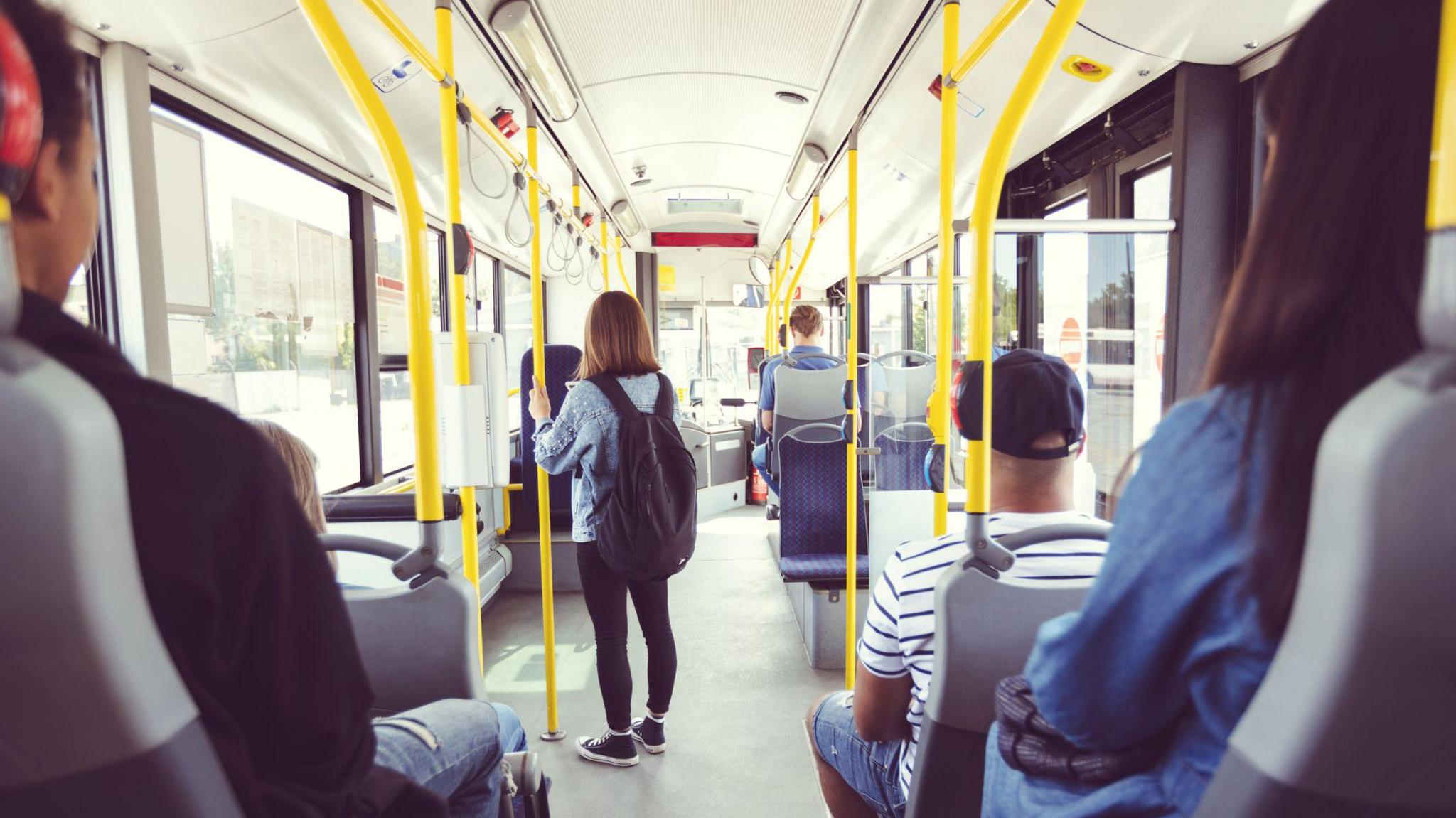
The bus fare cap in England will revert to £2 from January, new prime minister Andy Burnham has announced.
The government says the policy, which is expected to cost more than £500m, will "help with the cost of living and give people the breathing space they need".
The previous Conservative government capped single bus fares in England at £2 in January 2023. It was initially only due to last three months, but was extended.
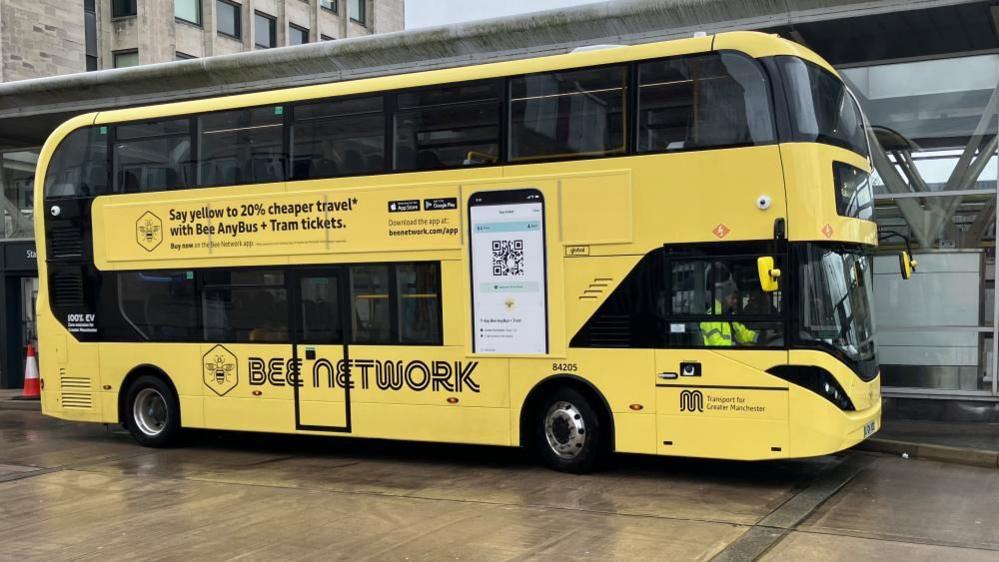
As Mayor of Greater Manchester, Andy Burnham brought in a £2 cap in September 2022, at that point funded by money from central government.
In January 2025, the England-wide bus fare cap rose to £3 under Sir Keir Starmer's Labour government, although Liverpool and Manchester are examples of city regions where fares have been held at £2.
The original fare subsidy scheme applied in England, outside of London, with bus operators taking part on a voluntary basis. The £2 cap was initially meant both as a cost of living measure and to encourage people back on buses in the wake of the pandemic.
Follow live for more updates on the new Burnham government
Burnham pulls back on suggestion to increase income tax allowance
- Published4 hours ago
The Office for National Statistics said it played a role in reducing inflation in 2023, and it appeared popular.
An evaluation of the first ten months - not published until 2025 - found that the scheme did contribute 5% of the 13% rise in bus usage during that period. Lower-income passengers felt the most financial benefit.
However it did not score highly when it comes to value for money. How much money people saved varied depending how much fares in their local area cost before the cap.
In those first ten months, £210m was spent on the scheme, less than the £245m budget.
Sir Keir's government allocated £150m to fund its £3 cap for 2025.
The Burnham government points outgoing back to a £2 cap should particularly help passengers in rural and coastal areas, where single fares can be higher.
The new cap will take effect from 1 January 2027 for fares on participating buses outside of London.
It is the second day in a row that the new prime minister has announced cost saving measures, following Tuesday's VAT cut on household electricity bills later this year.
But his plan to pay for the policy by scrapping Sir Keirs digital ID scheme led to an early row over whether the plan was properly funded.
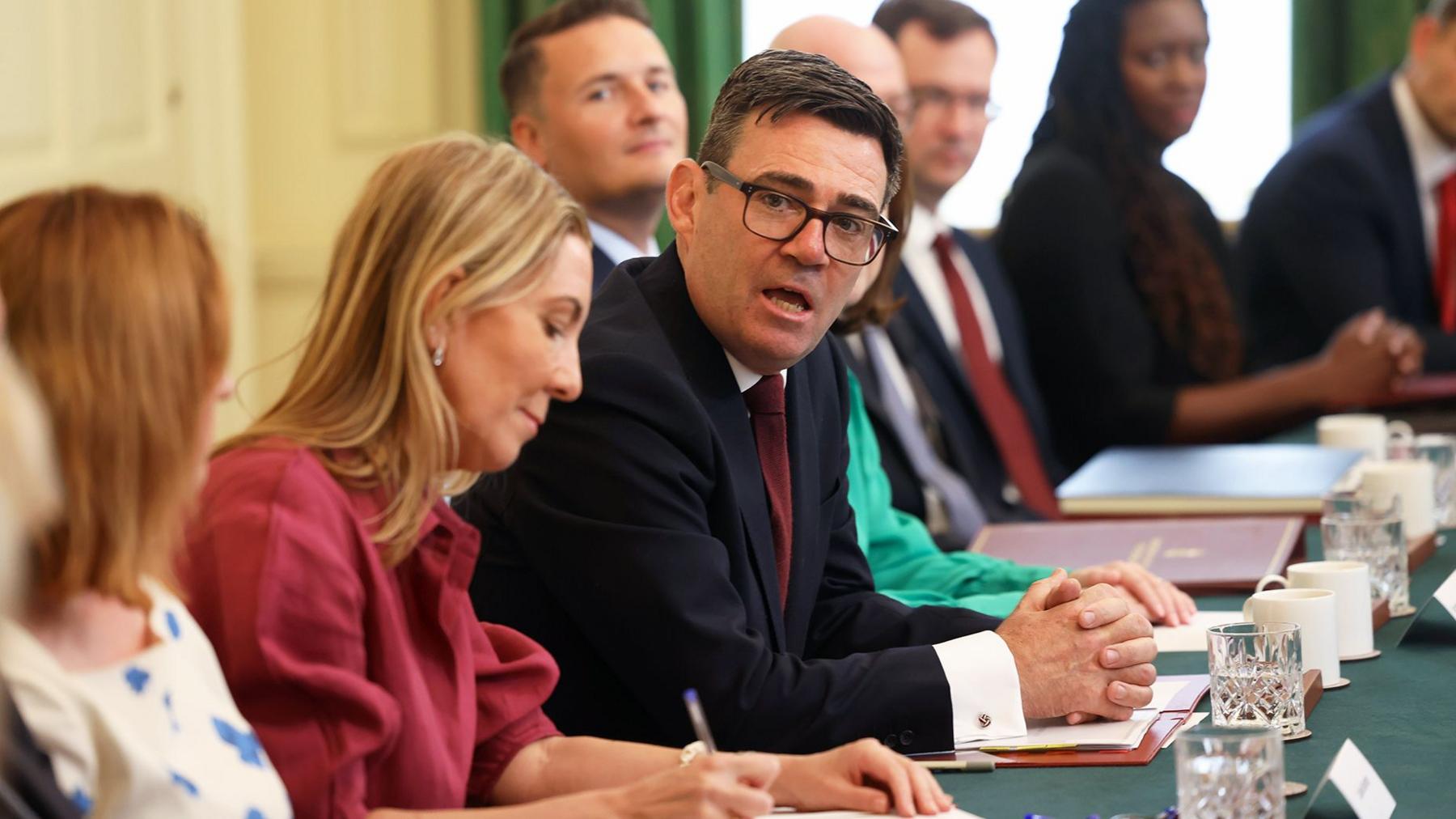
In his first cabinet meeting on Tuesday, Burnham promised to lead a "cost of living government", telling ministers that he wanted to give people a "sense that help is coming" on costs.
Related topics
Bus fares to rise to £3 in England under new cap
- Published28 October 2024
Bus fare cap to stay at £2, mayor confirms
- Published29 October 2024
Burnham tells cabinet to tackle living costs at first meeting
- Published6 hours ago